
Expert Support
Available 24/7 via chat
Available 24/7 via chat
Few plants capture the essence of an Indian summer garden quite like the bougainvillea. With their vibrant pink flowers and vigorous, woody growth, these thorny climbers transform gardens into cascades of colour. Whether you're planning a living hedge, a screen for a balcony, or training one as a specimen plant, bougainvilleas are surprisingly forgiving—and that's precisely why they're so popular. This guide walks you through every step, from planting to propagation, tailored to India's climate.
Bougainvillea, locally known as Buganvilla, Bugambilia, or Booganbe, is a perennial climber with a remarkable range. In nature, these woody vines grow anywhere from 1 to 12 metres tall, adapting beautifully to Indian gardens of all sizes. The plant you bring home—typically 36 inches tall with a 9-inch spread—will mature into a larger specimen over time, depending on your pruning and support structure. In regions with year-round rainfall, bougainvilleas remain evergreen; where you experience a dry season, they'll drop leaves and rest before putting on a fresh flush of growth. The soft pink flowers are the star, blooming prolifically in summer and creating that unmistakable Mediterranean garden feel.
| Care Factor | Details |
|---|---|
| Light | Full sun (6–8 hours daily) |
| Water | Moderate; reduce in cool seasons |
| Soil | Dry, sandy, well-drained |
| Temperature | Up to 29°C optimal; frost-tender |
Bougainvilleas are sun worshippers. They need full sun—aim for at least 6 to 8 hours of direct sunlight daily—to produce those profuse pink blooms you're after. In India's hot climate, this is rarely a limitation; even in peak summer, bougainvilleas flourish with minimal afternoon shade stress. Place your plant where it receives morning and midday sun. A south-facing wall, balcony, or open garden bed works ideally. Insufficient light is one of the leading causes of poor flowering, so if your plant is looking sparse on blooms, check whether it's getting enough direct sun. Move container-grown plants if they're shadowed for too long.
Bougainvilleas prefer moderate watering, and here's the key insight: they actually flower better when slightly stressed by dryness. In India's hot season, water deeply but infrequently—allowing the soil to dry out between waterings encourages flowering and prevents root rot in your humid monsoon months. During cooler periods (October to February) or if you bring a potted plant indoors, reduce watering significantly. The plant's water needs drop sharply when temperatures fall. Check soil moisture before watering; your finger should go 2 inches into the soil and feel dry. Overwatering is a common mistake, especially during monsoon, when rainfall is already abundant. Ensure your pot or planting area has excellent drainage to prevent waterlogging.
Bougainvilleas thrive in dry, sandy, well-drained soil—the opposite of heavy clay. If you're planting in garden beds, amend native soil with sand, cocopeat, and aged compost to improve drainage. For container growing, use a sandy loam mix or a cactus-potting blend; this mimics their natural rocky habitat and prevents the soggy conditions that lead to root diseases. Mature bougainvilleas are heavy feeders and respond brilliantly to regular nutrition. Use a fertilizer high in phosphorus with added micronutrients, iron, and magnesium. During the growing season (March to September), feed every two to three weeks with a balanced or phosphorus-rich formula. In India's hard-water areas, the iron and magnesium boost prevents yellowing leaves (chlorosis). Organic options like bone meal and wood ash also work well; apply sparingly.
Bougainvilleas are heat-loving plants, performing best at temperatures up to 29°C. India's summer temperatures are ideal—in fact, the hotter your region, the more flowers you'll see. They tolerate the intense afternoon heat of Delhi, Mumbai, or Chennai without complaint. However, they're sensitive to frost and cold snaps; if you live in a frost-prone hill station or experience winter temperatures below 5°C, protect your plant or bring potted specimens indoors. Humidity, especially during monsoon, can encourage fungal issues on leaves and flowers. Ensure good air circulation around your plant; space it well, prune out crowded canes, and avoid overwatering during the wet season. If you spot powdery mildew or leaf spots, reduce watering and improve ventilation.
Propagating bougainvillea from hardwood cuttings is straightforward and rewarding. In late winter or early spring (February to March), select healthy, woody stems at least pencil-thick. Cut 6- to 8-inch lengths, remove lower leaves, and dip the cut end in rooting hormone powder. Insert cuttings into a sandy, moist propagation medium (equal parts sand and cocopeat). Cover with a clear plastic bag to maintain humidity, and place in bright, indirect light. Roots should develop in 4 to 6 weeks. Once rooted, pot individually and wait until they're well-established (8 to 10 weeks) before transplanting to final positions. Spring is the ideal time to give young plants a full growing season ahead.
Poor flowering: The most common complaint. Check sunlight first—move the plant to a sunnier spot. Then ensure you're not overwatering; stress from dryness actually triggers blooming. Yellowing leaves: Often iron deficiency in hard-water areas. Apply chelated iron or acidify soil with sulphur. Leaf drop: Sudden leaf loss points to cold exposure, sudden watering changes, or transplant shock. Bougainvilleas are dramatic; they recover quickly once conditions stabilize. Pests: Spider mites and mealybugs occasionally attack, especially indoors. Spray with neem oil or insecticidal soap. Root rot: Overly wet, poorly drained soil is fatal. Repot into fresh, dry mix if you catch it early.
Ready to grow your own? Shop Bougainvillea at Nurserylive →
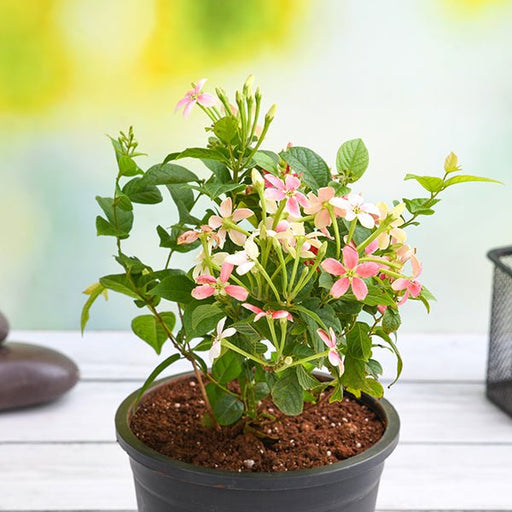
Bougainvillea (Pink) - Plant The Bougainvillea (Pink) is a stunning tropical plant known for its vibrant, paper-like bracts that bloom in ...
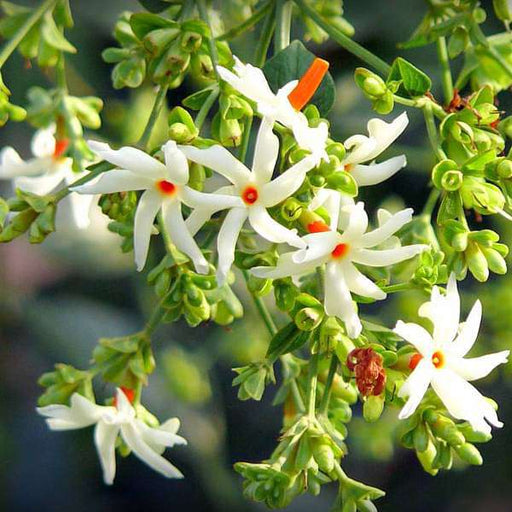
View full detailsCombo Constituents Includes the Parijat Tree (Night-Flowering Jasmine), a culturally significant plant with fragrant flowers. Description The Pari...
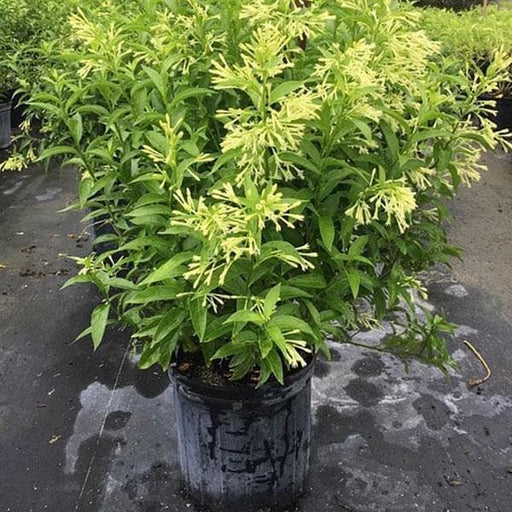
View full detailsDescription Raat Ki Rani (*Cestrum nocturnum*), also known as Night Blooming Jasmine, is a fragrant shrub native to the Caribbean and Central Ameri...
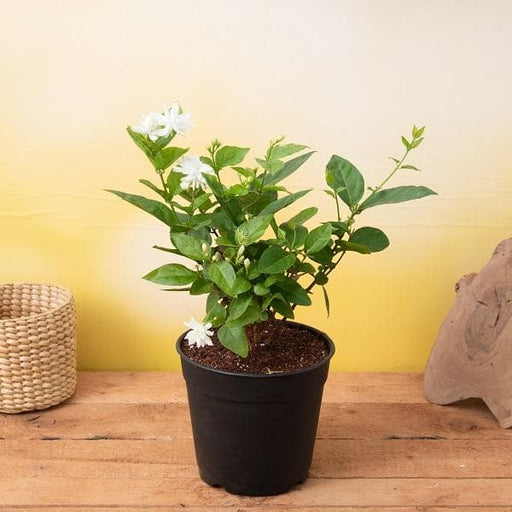
View full detailsJasminum sambac, Mogra, Arabian Jasmine - Plant Jasminum sambac, commonly known as Mogra or Arabian Jasmine, is a fragrant flowering plant...
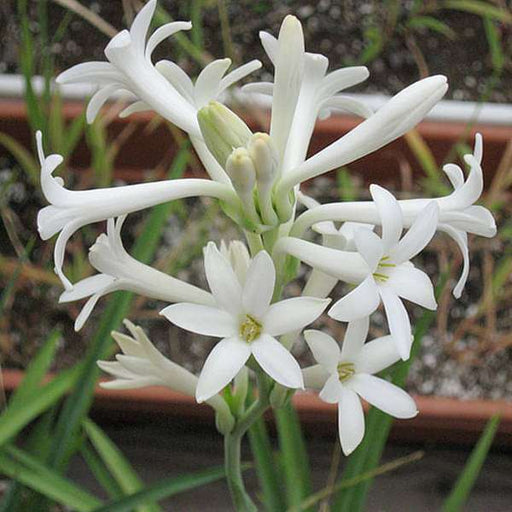
View full detailsRajnigandha, Tuberose - Plant The Rajnigandha, scientifically known as Polianthes tuberosa, is a captivating perennial plant renowned for ...
View full detailsCitronella, Odomas - Plant The Citronella plant, scientifically known as Cymbopogon nardus, is a tropical grass renowned for its aromatic ...
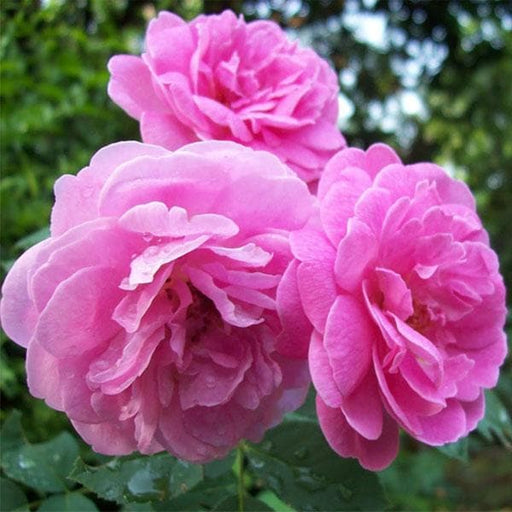
View full detailsDamascus Rose, Scented Rose (Any Color) - Plant The Damascus Rose, also known as Rosa damascena, is a timeless symbol of beauty and romanc...
View full detailsMiniature Rose, Button Rose (Any Color) - Plant The Miniature Rose, also known as the Button Rose, is a charming and compact flowering plant that ...
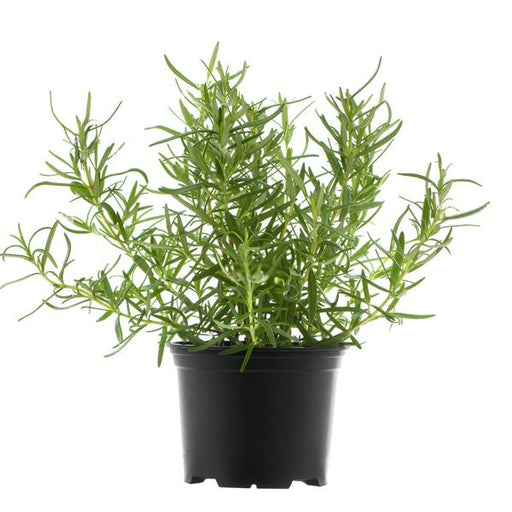
View full detailsRosemary - Plant Rosemary (Rosmarinus officinalis) is a fragrant evergreen herb native to the Mediterranean region. Known for its needle-like leav...
View full detailsMadhumalti Dwarf, Rangoon Creeper - Plant The Madhumalti Dwarf, also known as the Rangoon Creeper (Quisqualis indica), is a stunning perennial vin...
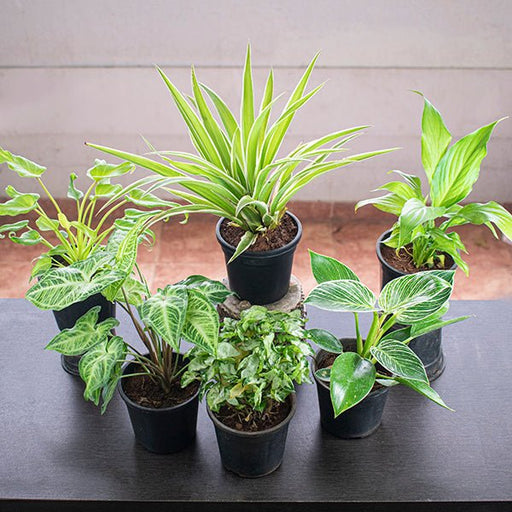
View full detailsBest 6 Plants for Perfect Indoor Garden Transform your living space into a lush oasis with our curated collection of the Best 6 Plants for a...
View full detailsBest 6 Plants for Perfect Indoor Garden Transform your living space into a lush oasis with our curated collection of the Best 6 Plants for a...
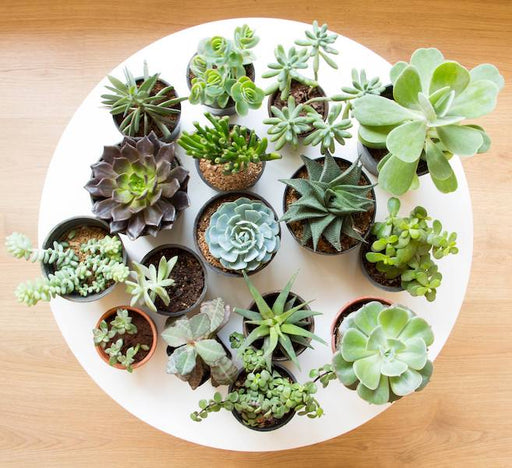
View full detailsMini Succulent Garden Pack Transform your space with our Mini Succulent Garden Pack, featuring a delightful collection of 4 any variety beautiful s...
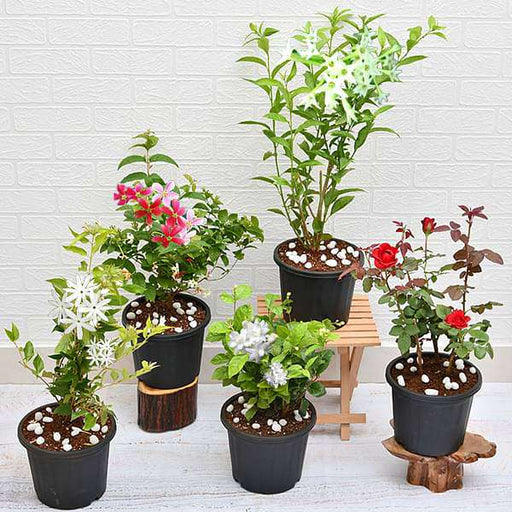
View full details5 Best Fragrant Plants Transform your garden or indoor space into a fragrant paradise with our curated selection of the 5 Best Fragrant Plants. Th...
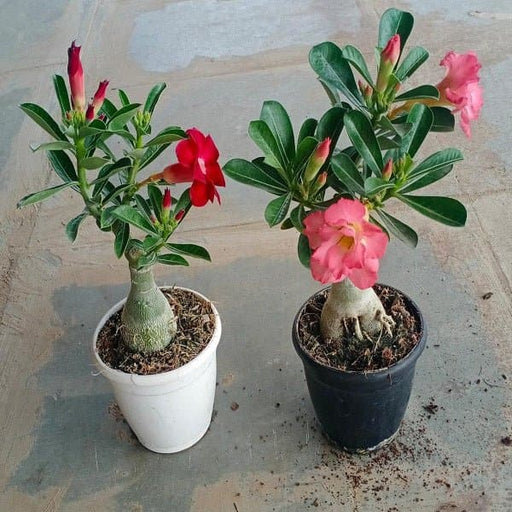
View full detailsSet of 2 Bonsai Looking Grafted Adeniums Transform your indoor or outdoor space with our exquisite Set of 2 Bonsai Looking Grafted Adenium...
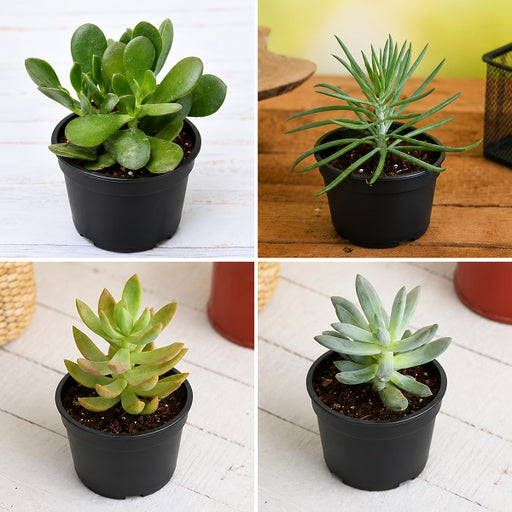
View full detailsTop 4 Die Hard Succulents Pack Note: Plants included in this pack will be delivered in a 3-inch nursery pot (any color). Transform your indoor or ...
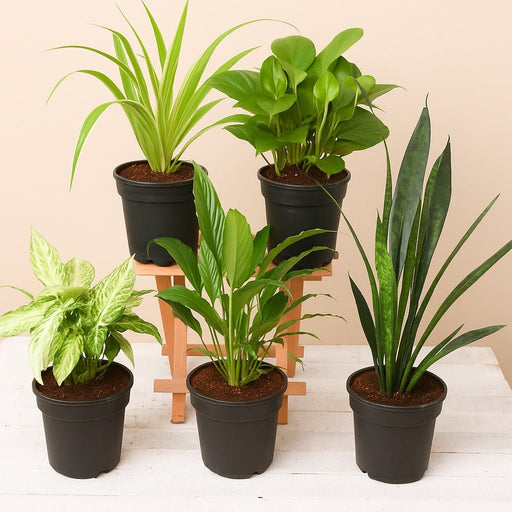
View full details5 Best Indoor Plants Pack Transform your living space into a lush oasis with our '5 Best Indoor Plants Pack.' This carefully curated collection fe...
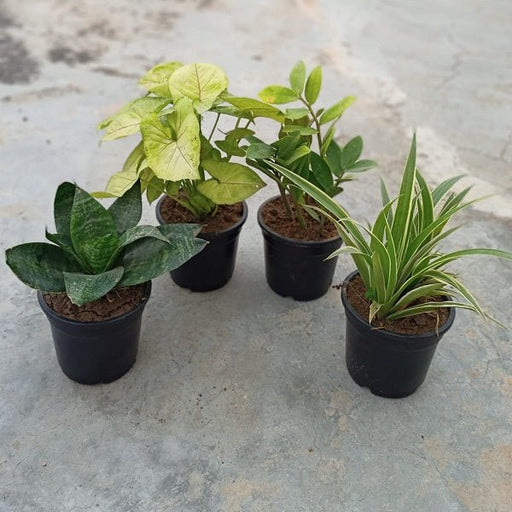
View full detailsSet of 4 Evergreen Air Purifier Plant Pack Transform your indoor space into a lush, green oasis with our Set of 4 Evergreen Air Purifier Pla...
View full detailsTop 5 Pollution Killer Plants Pack Transform your living space into a breath of fresh air with our 'Top 5 Pollution Killer Plants Pack'. This care...
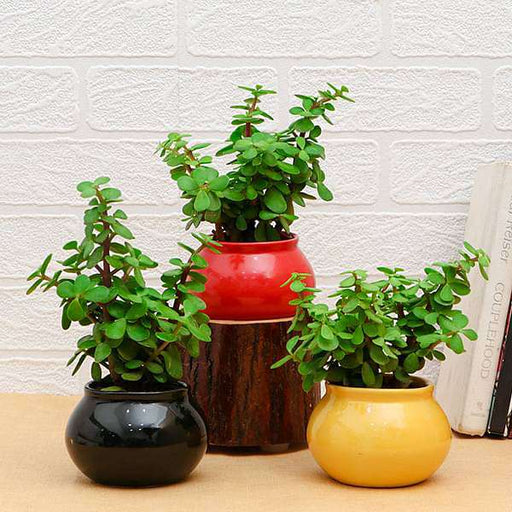
View full detailsPack of 3 Good Luck Jade Plants in Ceramic Pots Bring a touch of nature into your home with our Pack of 3 Good Luck Jade Plants, featuring...
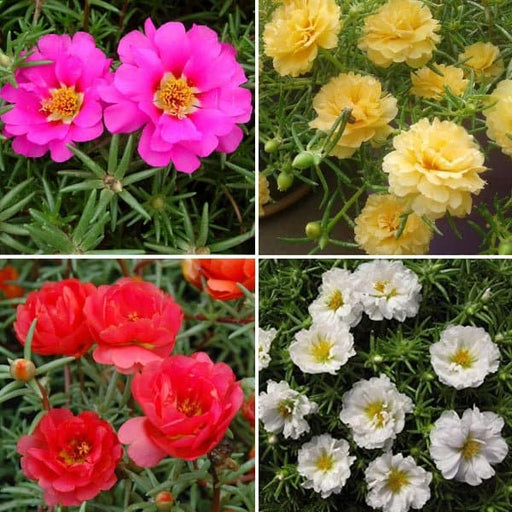
View full detailsPortulaca Garden Pack (4 Plants + 4 Black Pots) Note- You will get any color (Assorted) potted Porulaca plant with this pack. Transform your garde...
View full details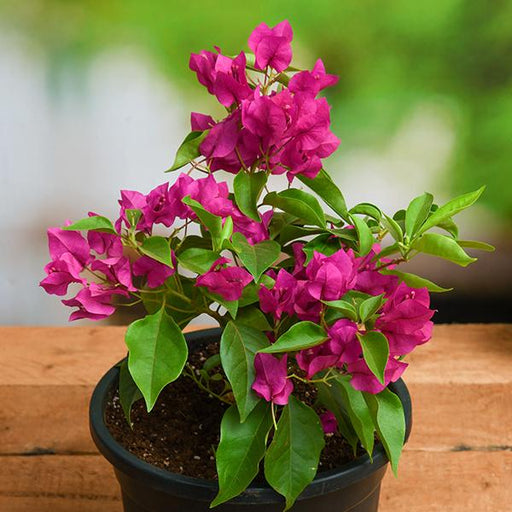





Leave a comment