
Expert Support
Available 24/7 via chat
Available 24/7 via chat
The Bird of Paradise (Strelitzia reginae), locally known as Crane Flower or Crane Lily, is one of nature's most exotic masterpieces—a tropical treasure that brings the drama of distant gardens right to your Indian home. With its stunning mix-colored blooms resembling a vibrant bird in flight, this easy-to-grow perennial has become a favorite among gardeners and homeowners who want to add a touch of luxury to their terraces, patios, and balconies without the complexity of high-maintenance exotics.
The Bird of Paradise is a striking tropical flowering plant that belongs to the Strelitziaceae family. In its mature form, it can reach up to 5 feet in height, though younger specimens you receive from Nurserylive are compact 12-inch plants with a 6-inch spread—perfect for tabletop displays or starting your exotic garden journey. What makes this plant truly special is its reward: during the monsoon season, it produces breathtaking orange-red blooms that seem almost unreal in their vivid beauty. These flowers, which earn the plant its common name due to their resemblance to a crane or exotic bird in mid-flight, remain a conversation starter in any garden space.
| Light | Full to Partial Sunlight |
|---|---|
| Water | Moderate (Allow soil to dry between waterings) |
| Soil | Sandy Loam |
| Temperature | 20–30°C |
Bird of Paradise thrives in bright, indirect light and genuinely loves sunlight. For best flowering, position your plant where it receives at least 4–6 hours of direct or bright filtered sunlight daily. A south or west-facing terrace or balcony in India is ideal. If you're growing indoors or in a shadier corner, the plant will survive with partial sunlight, but blooming may be delayed or sparse. During peak Indian summer (March–May), afternoon shade can protect young plants from leaf scorch, but established plants are quite heat-tolerant and rarely need protection at temperatures between 20–30°C.
Watering is where many gardeners stumble, but Bird of Paradise is forgiving. Water moderately—this means allowing the top 1–2 inches of soil to dry between waterings. During the monsoon season (June–September), natural rainfall may provide much of the moisture your plant needs, so reduce supplemental watering to avoid waterlogging. The key is balance: overwatering leads to root rot, while underwatering stresses the plant and reduces flowering potential. In India's hard water regions, use collected rainwater when possible, as the minerals in tap water can accumulate in the soil over time. Water at the soil level, never on the foliage, to reduce the risk of fungal issues during humid monsoons.
Bird of Paradise prefers well-draining sandy loam soil—exactly what the plant's specifications recommend. If your garden soil is heavy clay, amend it generously with sand, coir, and aged compost to improve drainage. Good drainage is absolutely critical; the plant can tolerate poor soil chemistry better than it tolerates sitting in waterlogged conditions. For feeding, apply organic fertilizer during the growing season (monsoon and early winter). A balanced, slow-release organic fertilizer applied every 3–4 weeks works wonderfully. You can also use compost tea, vermicompost, or well-rotted cow manure mixed into the top layer of soil. Avoid high-nitrogen fertilizers, which encourage leaf growth at the expense of blooms. Once the plant is established, it's relatively low-demand nutritionally.
This is where India's climate works beautifully in your favor. Bird of Paradise thrives in temperatures between 20–30°C, which aligns perfectly with India's warm season and coastal climates. The plant actually loves monsoon humidity (60–80%), which often coincides with its blooming period. Hot, dry spells (above 35°C) may stress younger plants, so mulch around the base to keep roots cool and retain soil moisture. If you live in cooler regions of India (hill stations, northern plains in winter), bring potted plants indoors or to a sheltered spot when temperatures drop below 15°C, as the plant prefers warmth.
Bird of Paradise can be propagated in two ways: by seeds or by division. Seeds should be soaked in warm water for 24 hours before sowing in seed-starting mix. Keep the medium warm (25–30°C) and consistently moist, not waterlogged. Germination typically takes 3–4 weeks. Division is less common but possible: mature plants that have developed multiple shoots can be carefully separated and potted individually. This method is faster than seed propagation but requires a well-established parent plant. Seeds and young plants are available from Nurserylive if you prefer the convenience of starting with a healthy specimen.
Despite being easy-to-grow, Bird of Paradise can face a few issues in India's climate. Spider mites thrive in hot, dry spells—mist the foliage lightly during these periods to deter them. Scale insects may appear on stems; remove them manually or use neem oil spray. Fungal leaf spot occurs in conditions of poor air circulation and high humidity; ensure adequate spacing between plants and avoid wetting foliage during watering. Root rot is the most serious threat, almost always caused by overwatering or poor drainage. If the plant shows yellow, drooping leaves despite moist soil, suspect root rot and repot into fresh, dry soil immediately. Slow or no blooming after establishment usually indicates insufficient light or excessive nitrogen fertilizer.
Ready to grow your own? Shop Bird of Paradise at Nurserylive →
Bird of Paradise - Plant The Bird of Paradise (Strelitzia reginae) is a stunning tropical plant known for its striking, bird-like flowers ...
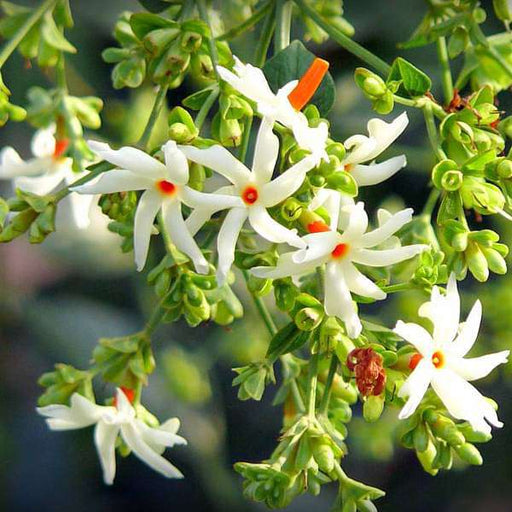
View full detailsCombo Constituents Includes the Parijat Tree (Night-Flowering Jasmine), a culturally significant plant with fragrant flowers. Description The Pari...
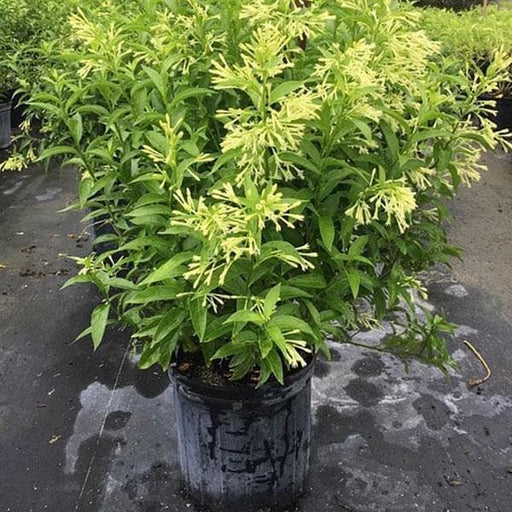
View full detailsDescription Raat Ki Rani (*Cestrum nocturnum*), also known as Night Blooming Jasmine, is a fragrant shrub native to the Caribbean and Central Ameri...
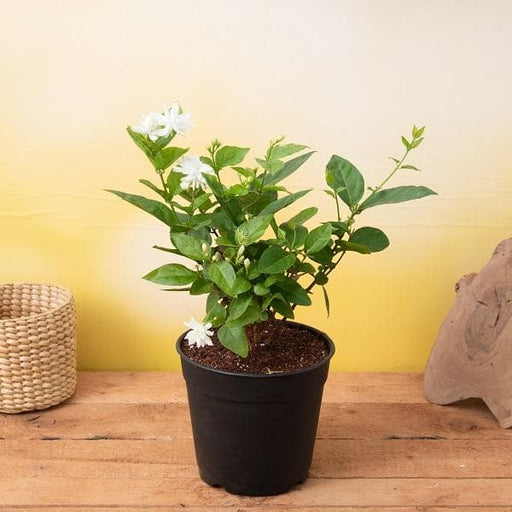
View full detailsJasminum sambac, Mogra, Arabian Jasmine - Plant Jasminum sambac, commonly known as Mogra or Arabian Jasmine, is a fragrant flowering plant...
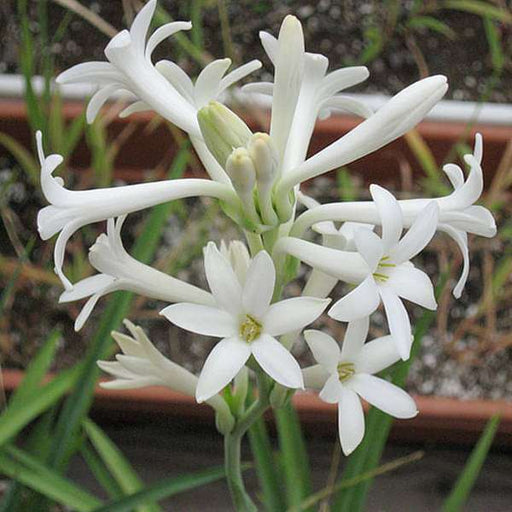
View full detailsRajnigandha, Tuberose - Plant The Rajnigandha, scientifically known as Polianthes tuberosa, is a captivating perennial plant renowned for ...
View full detailsCitronella, Odomas - Plant The Citronella plant, scientifically known as Cymbopogon nardus, is a tropical grass renowned for its aromatic ...
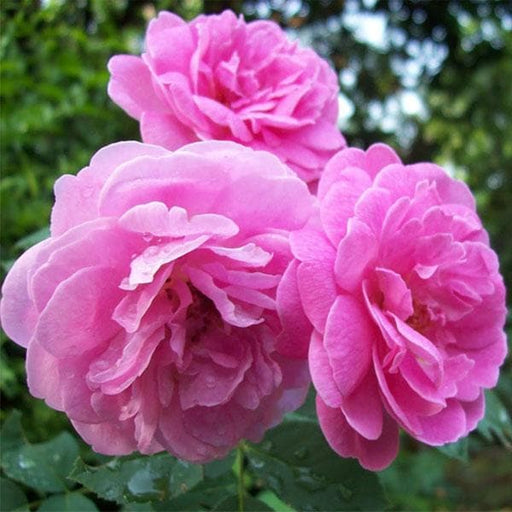
View full detailsDamascus Rose, Scented Rose (Any Color) - Plant The Damascus Rose, also known as Rosa damascena, is a timeless symbol of beauty and romanc...
View full detailsMiniature Rose, Button Rose (Any Color) - Plant The Miniature Rose, also known as the Button Rose, is a charming and compact flowering plant that ...
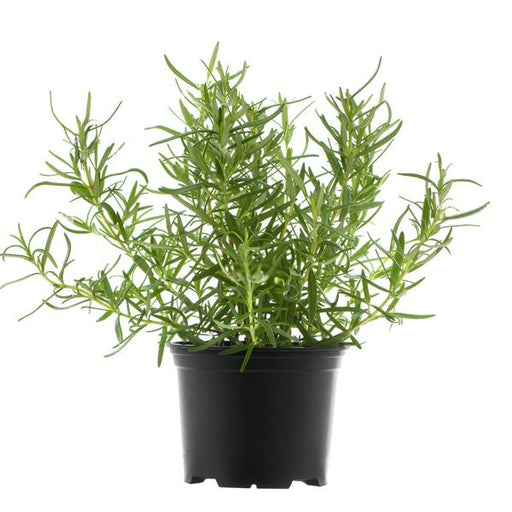
View full detailsRosemary - Plant Rosemary (Rosmarinus officinalis) is a fragrant evergreen herb native to the Mediterranean region. Known for its needle-like leav...
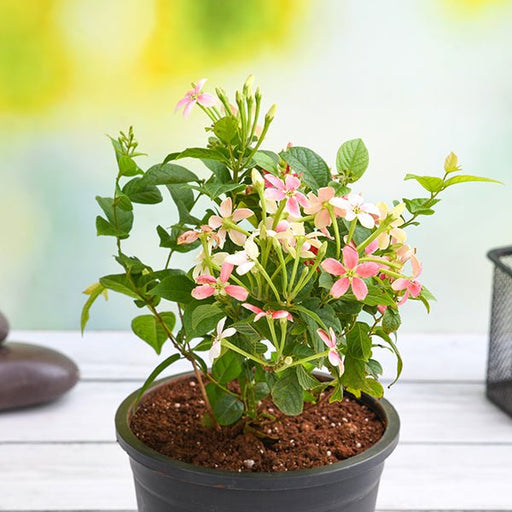
View full detailsMadhumalti Dwarf, Rangoon Creeper - Plant The Madhumalti Dwarf, also known as the Rangoon Creeper (Quisqualis indica), is a stunning perennial vin...
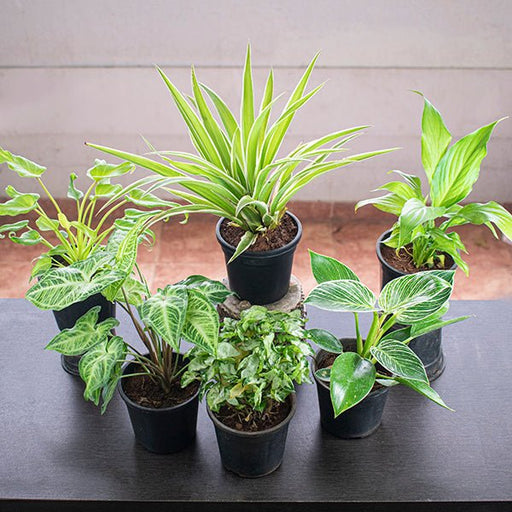
View full detailsBest 6 Plants for Perfect Indoor Garden Transform your living space into a lush oasis with our curated collection of the Best 6 Plants for a...
View full detailsBest 6 Plants for Perfect Indoor Garden Transform your living space into a lush oasis with our curated collection of the Best 6 Plants for a...
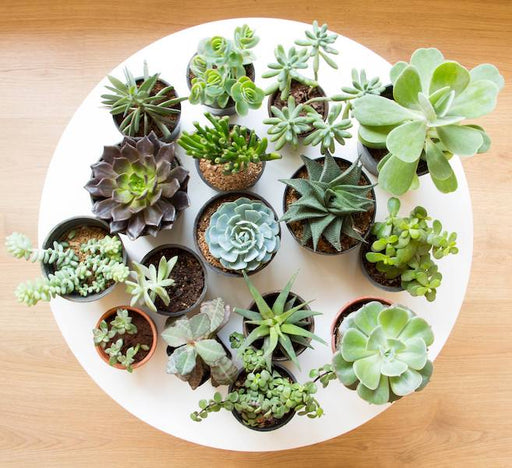
View full detailsMini Succulent Garden Pack Transform your space with our Mini Succulent Garden Pack, featuring a delightful collection of 4 any variety beautiful s...
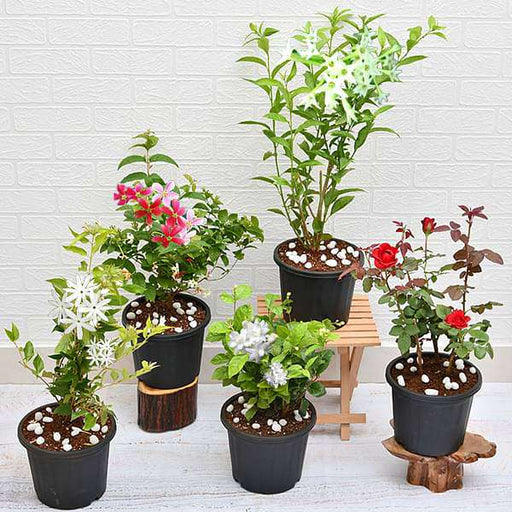
View full details5 Best Fragrant Plants Transform your garden or indoor space into a fragrant paradise with our curated selection of the 5 Best Fragrant Plants. Th...
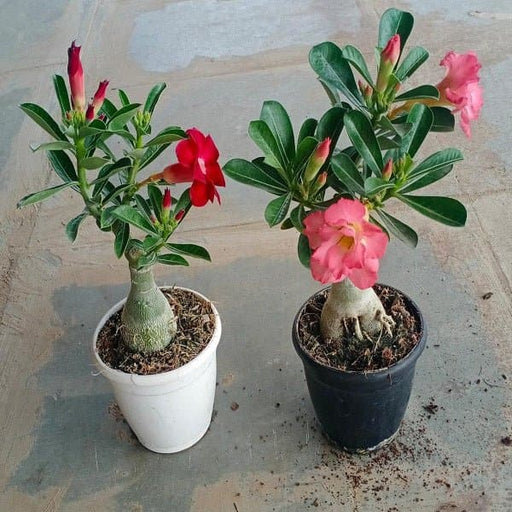
View full detailsSet of 2 Bonsai Looking Grafted Adeniums Transform your indoor or outdoor space with our exquisite Set of 2 Bonsai Looking Grafted Adenium...
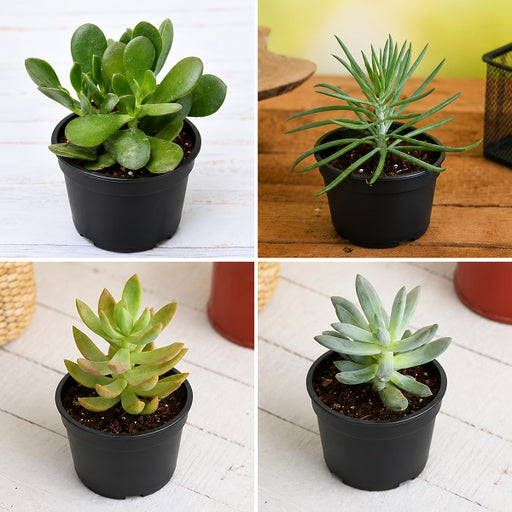
View full detailsTop 4 Die Hard Succulents Pack Note: Plants included in this pack will be delivered in a 3-inch nursery pot (any color). Transform your indoor or ...
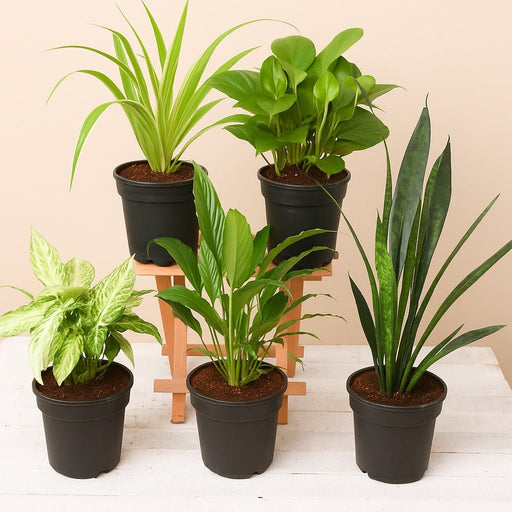
View full details5 Best Indoor Plants Pack Transform your living space into a lush oasis with our '5 Best Indoor Plants Pack.' This carefully curated collection fe...
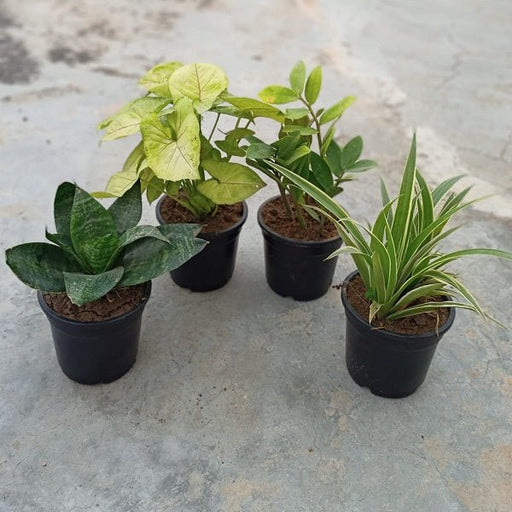
View full detailsSet of 4 Evergreen Air Purifier Plant Pack Transform your indoor space into a lush, green oasis with our Set of 4 Evergreen Air Purifier Pla...
View full detailsTop 5 Pollution Killer Plants Pack Transform your living space into a breath of fresh air with our 'Top 5 Pollution Killer Plants Pack'. This care...
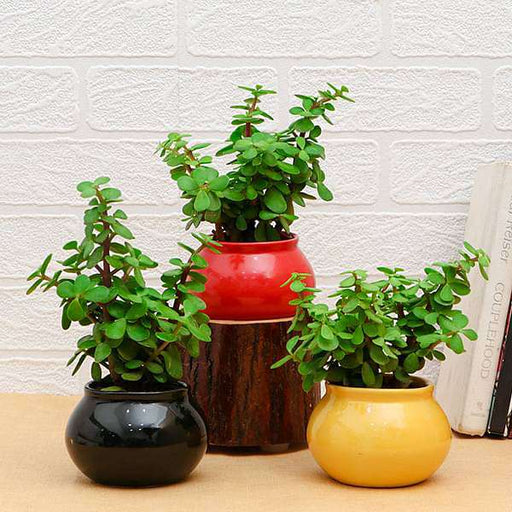
View full detailsPack of 3 Good Luck Jade Plants in Ceramic Pots Bring a touch of nature into your home with our Pack of 3 Good Luck Jade Plants, featuring...
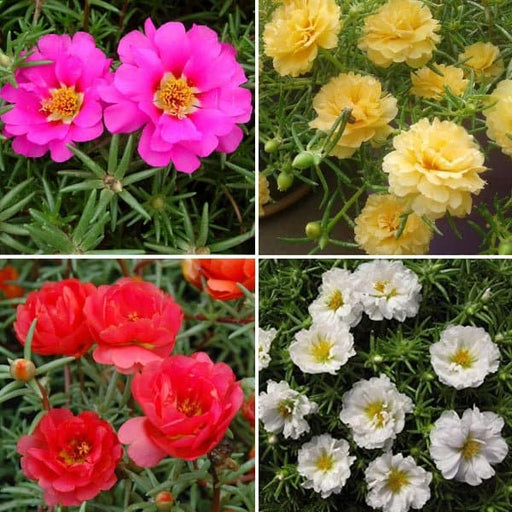
View full detailsPortulaca Garden Pack (4 Plants + 4 Black Pots) Note- You will get any color (Assorted) potted Porulaca plant with this pack. Transform your garde...
View full details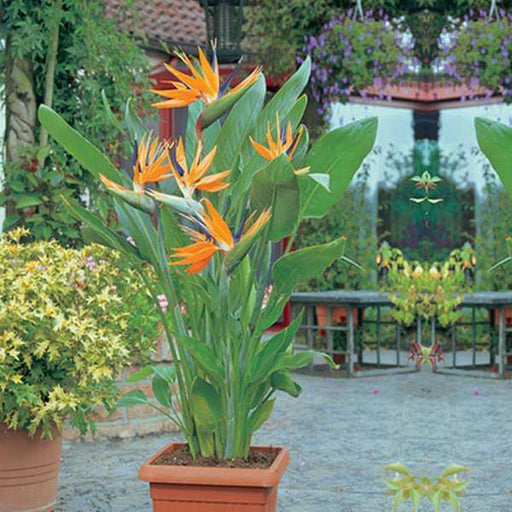






Leave a comment