
Expert Support
Available 24/7 via chat
Available 24/7 via chat
The Bel Tree, revered as Bilva Patra or Bel Patra in Indian tradition, holds a special place in our gardens and spiritual practices. Known for its fragrant medicinal fruits and considered an auspicious Vastu plant, the Bel Tree is surprisingly easy to cultivate, making it perfect for both experienced gardeners and beginners. Whether you're growing it for its traditional significance, its health benefits, or simply to enjoy its delicate yellowish-green flowers each spring, this guide will walk you through everything you need to know.
The Bel Tree is a summer-flowering perennial that grows into a substantial tree reaching up to 10 meters in height at maturity. Your young Bel sapling arrives at approximately 12 inches (30 cm) in height with a spread of 6 inches (15 cm), and with proper care, it will steadily develop into a magnificent tree. What makes the Bel Tree exceptional is its multi-dimensional value: it's deeply rooted in Hindu tradition as a sacred plant, produces aromatic medicinal fruits used in Ayurveda and traditional remedies, and blooms with beautiful yellowish-green flowers during April and May. The tree's ease of growth and propagation from seeds makes it accessible to gardeners of all experience levels across India's diverse climates.
| Care Aspect | Details |
|---|---|
| Light | 6+ hours direct sunlight daily, plus bright indirect light |
| Water | 200 ml (4 cups) when top 1-2 inches of soil feel dry |
| Soil | Well-draining, fertile soil rich in organic matter |
| Temperature | 20-35°C (ideal year-round range) |
Bel Trees thrive in abundant sunlight and should receive a minimum of 6 hours of direct, bright sunlight every day. In India's climate, particularly in northern and central regions, this is easily achieved by placing your plant in a south-facing or west-facing location. During the intense summer months (May-June), ensure the plant receives bright, indirect light for the remainder of the day to prevent leaf scorch. Morning sunlight is especially beneficial for flowering and fruit development. If you're growing Bel in a pot, position it near a window or in an open balcony where it receives unobstructed sunlight. Inadequate light may result in slower growth and fewer flowers during the bloom season (April-May).
Water is critical, but overwatering is the most common mistake with Bel Trees. Apply water only when the top 1-2 inches of soil feel dry to touch—approximately 4 cups (200 ml) per watering. In India's monsoon season (June-September), reduce watering frequency significantly as rainfall provides natural moisture. Check soil moisture before watering, as the tree prefers to dry out slightly between waterings rather than remain constantly moist. During winter (October-January), water less frequently, as the plant's growth slows and water requirements decrease. Hard water, common in many Indian regions, is generally tolerable for Bel Trees, though using collected rainwater occasionally is beneficial. Always water at the base of the plant to avoid wetting foliage, which can invite fungal issues.
Healthy soil is the foundation of a thriving Bel Tree. Use a well-draining, fertile potting mix enriched with organic matter such as aged compost or coconut coir. Good drainage prevents root rot, the primary killer of Bel Trees in waterlogged conditions. If planting directly in garden soil, amend heavy clay soils with sand and organic compost to improve drainage. Feeding should be done with organic fertilizers applied once monthly during the active growing season of October through January. Avoid over-fertilizing, which can lead to excessive leafy growth at the expense of flowers and fruits. Organic options like neem cake, bone meal, or well-composted farmyard manure work excellently for Bel Trees and align with traditional cultivation practices.
The Bel Tree's ideal temperature range is 20-35°C, which fortunately aligns well with most of India's climatic zones. The tree is remarkably adaptable to India's temperature extremes, tolerating the hot summers of the Deccan plateau and the moderate winters of the Himalayan foothills. During the intense heat of May-June, mulching around the base helps retain soil moisture and regulate temperature. The monsoon season brings both humidity and challenges—while Bel Trees appreciate moisture in the air, ensure adequate air circulation around the plant to prevent fungal infections and leaf spotting. In frost-prone areas of northern India, protect young plants during winter, though mature Bel Trees are quite cold-hardy within the specified range.
One of the Bel Tree's most appealing characteristics is its ease of seed propagation. Bel seeds germinate readily when sown fresh in a moist, well-draining seed-starting mix. Collect mature Bel fruits, extract seeds, and sow them immediately in small pots or trays filled with a mixture of coconut coir and sand. Keep the soil consistently moist (not waterlogged) and place the seed tray in a warm, bright location receiving indirect sunlight. Germination typically occurs within 2-4 weeks. Once seedlings develop their first true leaves, gradually expose them to direct sunlight. Maintain seedlings with regular, gentle watering and begin feeding with diluted organic fertilizer once they develop 3-4 leaves. Young plants can be potted into larger containers after 6-8 weeks of growth.
Overwatering remains the leading cause of poor health in Bel Trees, resulting in yellowing leaves and root rot. Allow soil to dry between waterings and ensure pots have drainage holes. Spider mites and mealybugs may occasionally infest Bel Trees, particularly in dry conditions; spray affected foliage with water mixed with a small amount of neem oil or insecticidal soap. Powdery mildew can appear during humid monsoon months—improve air circulation and avoid wetting leaves. Nutrient deficiency, particularly iron chlorosis (yellowing between leaf veins), may occur in alkaline soils; address this by adding organic matter rich in micronutrients or applying chelated iron. Scale insects may attach to stems; manually remove them or treat with neem-based pesticides. Most issues resolve quickly with prompt action and corrected watering practices.
Ready to grow your own? Shop Bel Tree at Nurserylive →
Bel Tree, Bilva Patra, Bel Patra (Grown through Seeds) - Plant The Bel Tree, scientifically known as Aegle marmelos, is a sacred tree in H...
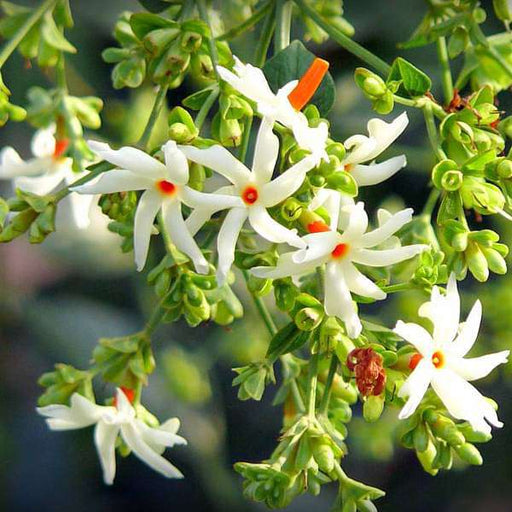
View full detailsCombo Constituents Includes the Parijat Tree (Night-Flowering Jasmine), a culturally significant plant with fragrant flowers. Description The Pari...
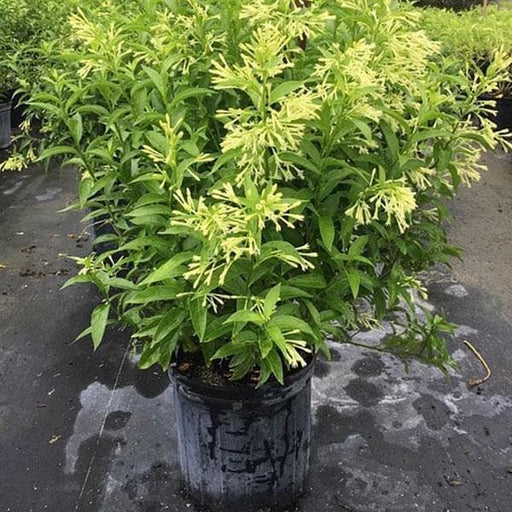
View full detailsDescription Raat Ki Rani (*Cestrum nocturnum*), also known as Night Blooming Jasmine, is a fragrant shrub native to the Caribbean and Central Ameri...
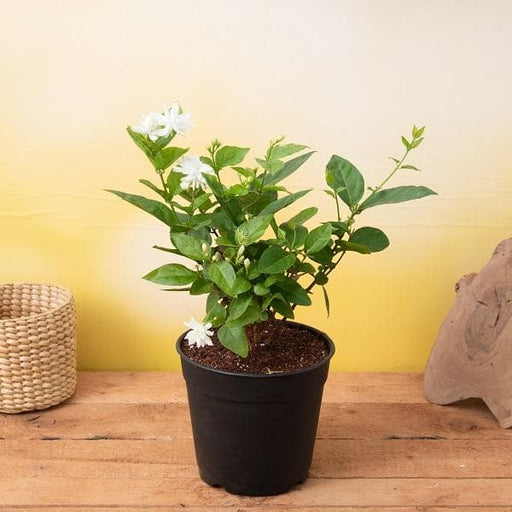
View full detailsJasminum sambac, Mogra, Arabian Jasmine - Plant Jasminum sambac, commonly known as Mogra or Arabian Jasmine, is a fragrant flowering plant...
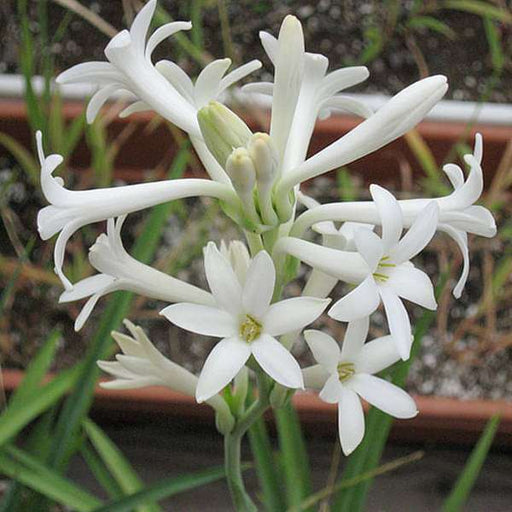
View full detailsRajnigandha, Tuberose - Plant The Rajnigandha, scientifically known as Polianthes tuberosa, is a captivating perennial plant renowned for ...
View full detailsCitronella, Odomas - Plant The Citronella plant, scientifically known as Cymbopogon nardus, is a tropical grass renowned for its aromatic ...
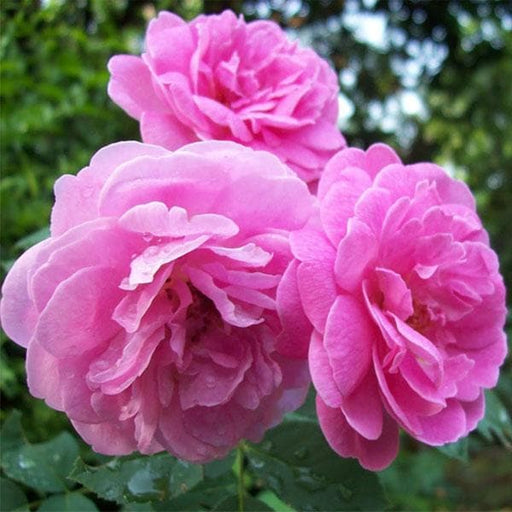
View full detailsDamascus Rose, Scented Rose (Any Color) - Plant The Damascus Rose, also known as Rosa damascena, is a timeless symbol of beauty and romanc...
View full detailsMiniature Rose, Button Rose (Any Color) - Plant The Miniature Rose, also known as the Button Rose, is a charming and compact flowering plant that ...
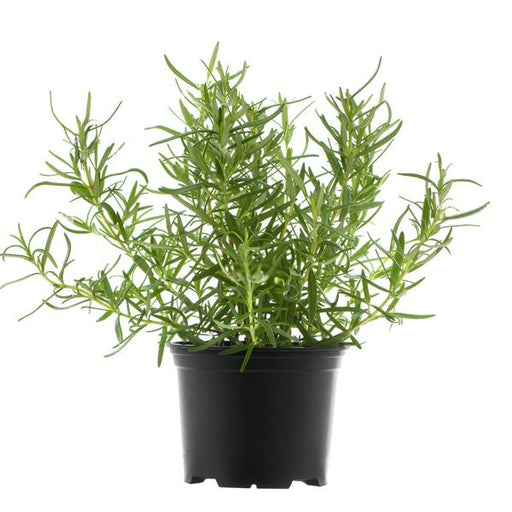
View full detailsRosemary - Plant Rosemary (Rosmarinus officinalis) is a fragrant evergreen herb native to the Mediterranean region. Known for its needle-like leav...
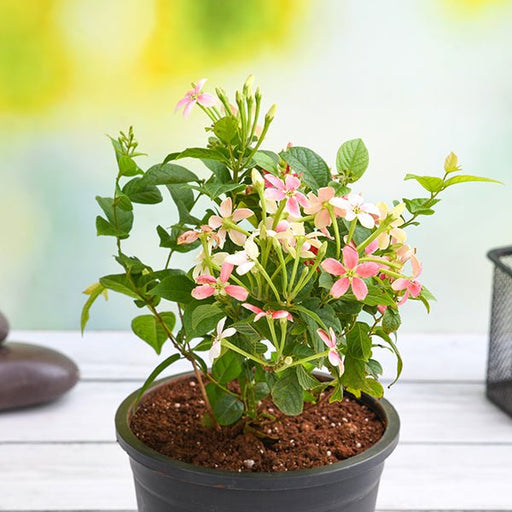
View full detailsMadhumalti Dwarf, Rangoon Creeper - Plant The Madhumalti Dwarf, also known as the Rangoon Creeper (Quisqualis indica), is a stunning perennial vin...
View full detailsBest 6 Plants for Perfect Indoor Garden Transform your living space into a lush oasis with our curated collection of the Best 6 Plants for a...
View full detailsBest 6 Plants for Perfect Indoor Garden Transform your living space into a lush oasis with our curated collection of the Best 6 Plants for a...
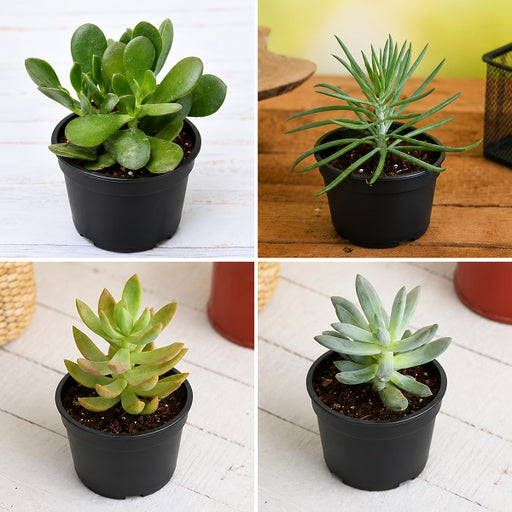
View full detailsMini Succulent Garden Pack Transform your space with our Mini Succulent Garden Pack, featuring a delightful collection of 4 any variety beautiful s...
View full details5 Best Fragrant Plants Transform your garden or indoor space into a fragrant paradise with our curated selection of the 5 Best Fragrant Plants. Th...
View full detailsSet of 2 Bonsai Looking Grafted Adeniums Transform your indoor or outdoor space with our exquisite Set of 2 Bonsai Looking Grafted Adenium...
View full detailsTop 4 Die Hard Succulents Pack Note: Plants included in this pack will be delivered in a 3-inch nursery pot (any color). Transform your indoor or ...
View full details5 Best Indoor Plants Pack Transform your living space into a lush oasis with our '5 Best Indoor Plants Pack.' This carefully curated collection fe...
View full detailsSet of 4 Evergreen Air Purifier Plant Pack Transform your indoor space into a lush, green oasis with our Set of 4 Evergreen Air Purifier Pla...
View full detailsTop 5 Pollution Killer Plants Pack Transform your living space into a breath of fresh air with our 'Top 5 Pollution Killer Plants Pack'. This care...
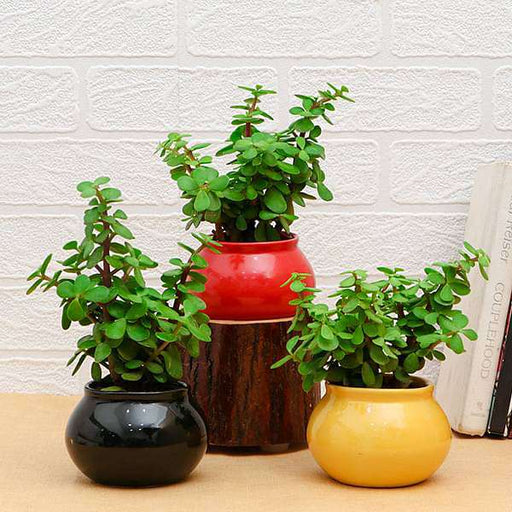
View full detailsPack of 3 Good Luck Jade Plants in Ceramic Pots Bring a touch of nature into your home with our Pack of 3 Good Luck Jade Plants, featuring...
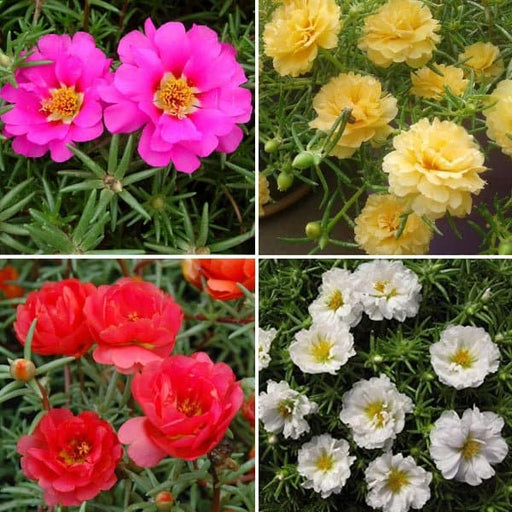
View full detailsPortulaca Garden Pack (4 Plants + 4 Black Pots) Note- You will get any color (Assorted) potted Porulaca plant with this pack. Transform your garde...
View full details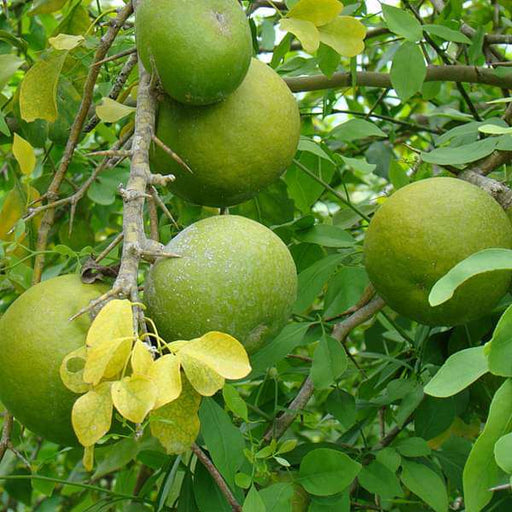












Leave a comment