
Expert Support
Available 24/7 via chat
Available 24/7 via chat
Begonias are stunning flowering plants that bring colour and elegance to any garden space, and they're particularly well-suited to Indian gardening conditions when grown in containers. With year-round blooming potential and delicate pinkish flowers, begonias reward even moderate care with consistent, cheerful blooms. Whether you're gardening on a balcony, terrace, or keeping them indoors, this medium-difficulty plant is a perfect choice for gardeners looking for reliable, beautiful results without demanding green-thumb expertise.
Begonias (Begonia semperflorens and related species) have earned their place as beloved ornamental plants worldwide, and Indian gardeners are discovering their remarkable potential. These compact perennials typically reach 2 to 5 feet in height, making them ideal for container cultivation—a major advantage in India's challenging climate. Unlike many tender plants, begonias thrive in pots, allowing you to move them to protected locations during extreme weather, which is crucial during India's intense summer heat and sudden monsoon shifts.
The year-round blooming capability is perhaps the begonia's greatest gift to the gardener. Their pinkish flowers and available colour variants mean you can create stunning combinations on your balcony or terrace throughout the seasons. Because they're naturally compact and respond well to container growing, begonias are excellent for apartment dwellers and small-space gardeners across Indian cities.
| Light | Indirect sunlight; avoid direct afternoon sun in summer |
| Water | When soil feels dry to touch; reduce in winter; avoid waterlogging |
| Soil | Light, rich, well-draining potting mix with mulch |
| Temperature | Prefers 65–70°F (18–21°C); protect below 60°F (16°C) |
Begonias prefer plenty of indirect sunlight and are sensitive to both temperature extremes and direct sun exposure. In India, where summer temperatures routinely exceed 35°C, this sensitivity is your guide to success. Position your begonias where they receive bright, filtered light throughout the day—an east or west-facing balcony with afternoon shade is ideal, or a bright indoor location near a north-facing window.
During India's scorching summer months (April to June), avoid placing begonias in direct afternoon sun, as the combination of heat and intense UV rays can scorch their delicate leaves and flowers. If your plant starts showing bleached or papery leaves, move it to a location with more shade. Conversely, during monsoon months and winter, increase light exposure where possible; the reduced daylight and lower sun angle mean you can safely place them in brighter positions.
Proper watering is critical for begonia success, and India's climate demands careful attention. Water your begonias when the soil or pot feels dry to the touch, but never wait until the plant visibly wilts—wilting stresses the plant and can invite disease. The key is consistent moisture without waterlogging, which is especially important during India's humid monsoon season when water retention in soil increases naturally.
In summer, check soil moisture every 2–3 days; in cooler months (November to February), you can cut back on watering frequency as the plant's growth slows. If you live in an area with hard water (common across many Indian cities), consider collecting rainwater during monsoon for occasional watering—hard water minerals can accumulate in soil over time and stress the plant. During the monsoon, reduce watering as natural rainfall and humidity provide additional moisture; monitor soil carefully to avoid root rot, a real risk in waterlogged conditions.
Begonias strongly prefer a light, rich soil that drains well. When planting directly in ground (less common, but possible in mild regions), choose a moist, well-drained location with mulch to retain moisture and regulate soil temperature. For container growing—strongly recommended across most of India—use a quality potting mix amended with peat or coconut coir and perlite to ensure excellent drainage and aeration.
Fertilising is straightforward: feed your potted begonias monthly during the growing season (March to October) with any good-quality houseplant food. A balanced, diluted fertiliser works well. Importantly, don't overdo it—too much fertiliser makes for scraggly, weak plants with poor flowering. If you see lush foliage but few flowers, reduce fertiliser strength or frequency. During winter dormancy (November to February), skip or halve fertiliser applications, as the plant's nutrient needs drop significantly.
Temperature management is perhaps the most critical challenge for Indian begonia growers. Begonias prefer room temperatures between 65–70°F (18–21°C) and are sensitive to temperatures below 60°F (16°C). In northern India, winter nights can drop below this threshold; bring potted begonias indoors or to sheltered locations when temperatures fall. In southern India and coastal regions, this is rarely an issue during winter, but summer heat is the real concern.
During India's intense summer, when temperatures exceed 35–40°C, begonias suffer stress even in pots. Move them to the shadiest, most sheltered microclimate available—under larger plants, on a north-facing balcony, or indoors in a cool, bright room. The combination of high heat and humidity during monsoon is actually beneficial if you manage watering carefully; begonias actually prefer some humidity and will appreciate occasional misting during dry spells, though avoid wetting flowers to prevent fungal issues.
Begonias propagate readily from stem cuttings, making it easy to expand your collection. Take healthy 3–4 inch cuttings from new growth in spring or early monsoon, remove the lower leaves, and place in moist potting mix or water. Keep the cutting in bright, indirect light and maintain consistent moisture. Roots typically develop within 2–3 weeks; once established and showing new growth, pot them individually in light, rich soil. This is an excellent way to rejuvenate older plants or share begonias with fellow gardeners.
The most frequent issue is root rot, caused by overwatering or poor drainage—especially problematic during India's monsoon when soil stays wet longer. Always ensure drainage holes in pots and use well-draining soil. Powdery mildew can appear in humid conditions; improve air circulation and avoid overhead watering of foliage. Scale insects and mealybugs occasionally trouble begonias; spray with diluted neem oil if spotted. Brown, papery leaf edges often indicate insufficient humidity or direct sun scorch—adjust conditions accordingly.
Ready to grow your own? Shop Begonia at Nurserylive →
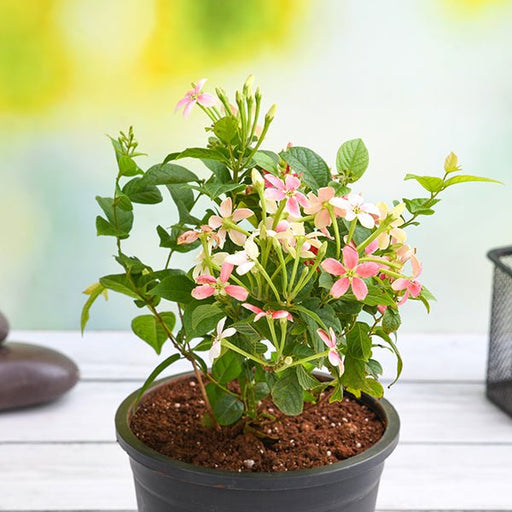
Begonia (Any Color) - Plant The Begonia is a stunning ornamental plant known for its vibrant foliage and exquisite flowers, available in a...
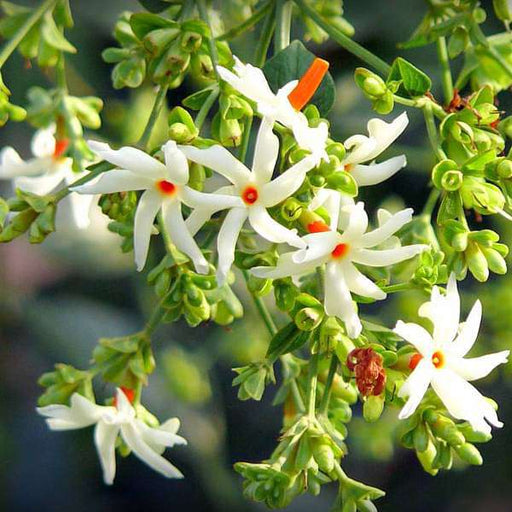
View full detailsCombo Constituents Includes the Parijat Tree (Night-Flowering Jasmine), a culturally significant plant with fragrant flowers. Description The Pari...
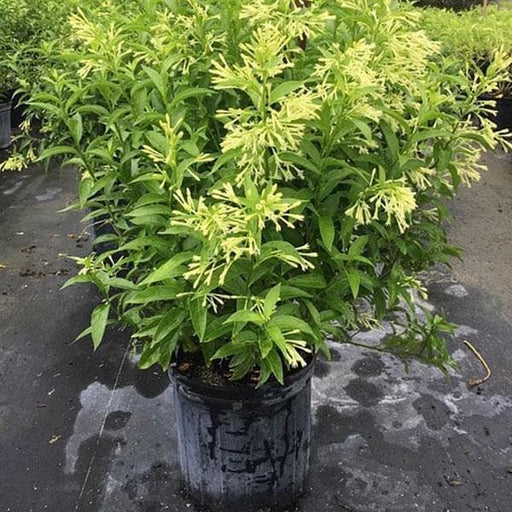
View full detailsDescription Raat Ki Rani (*Cestrum nocturnum*), also known as Night Blooming Jasmine, is a fragrant shrub native to the Caribbean and Central Ameri...
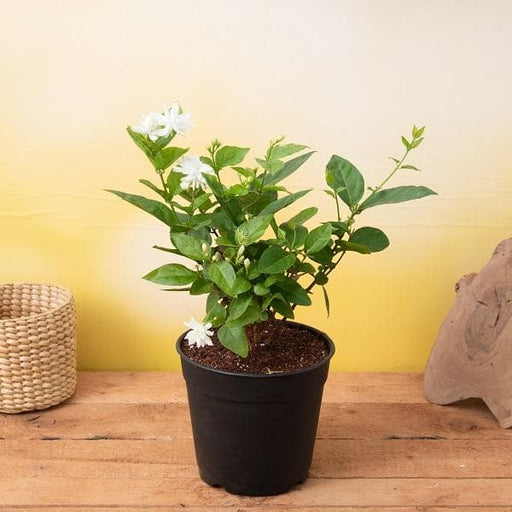
View full detailsJasminum sambac, Mogra, Arabian Jasmine - Plant Jasminum sambac, commonly known as Mogra or Arabian Jasmine, is a fragrant flowering plant...
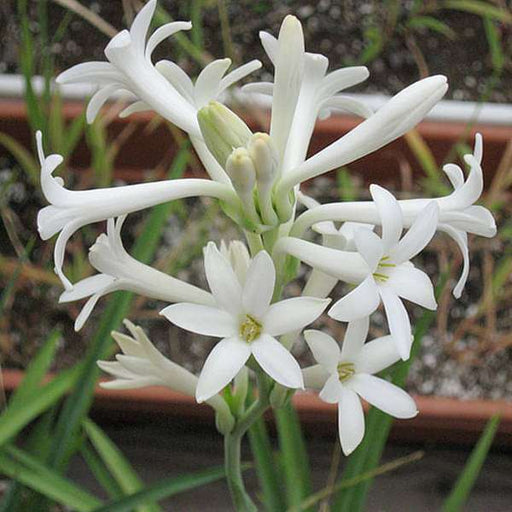
View full detailsRajnigandha, Tuberose - Plant The Rajnigandha, scientifically known as Polianthes tuberosa, is a captivating perennial plant renowned for ...
View full detailsCitronella, Odomas - Plant The Citronella plant, scientifically known as Cymbopogon nardus, is a tropical grass renowned for its aromatic ...
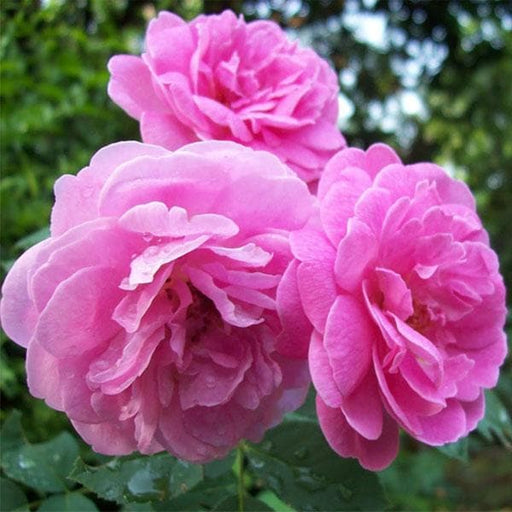
View full detailsDamascus Rose, Scented Rose (Any Color) - Plant The Damascus Rose, also known as Rosa damascena, is a timeless symbol of beauty and romanc...
View full detailsMiniature Rose, Button Rose (Any Color) - Plant The Miniature Rose, also known as the Button Rose, is a charming and compact flowering plant that ...
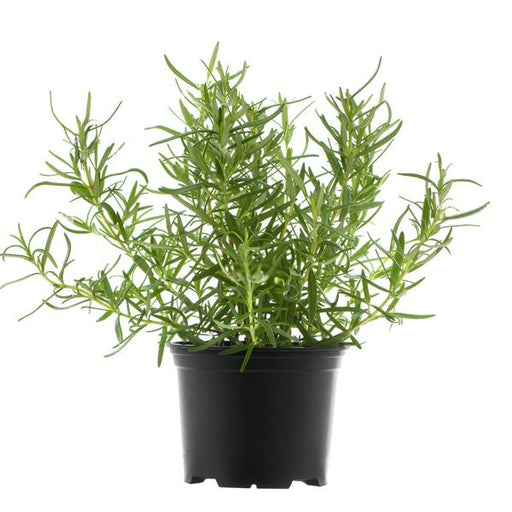
View full detailsRosemary - Plant Rosemary (Rosmarinus officinalis) is a fragrant evergreen herb native to the Mediterranean region. Known for its needle-like leav...
View full detailsMadhumalti Dwarf, Rangoon Creeper - Plant The Madhumalti Dwarf, also known as the Rangoon Creeper (Quisqualis indica), is a stunning perennial vin...
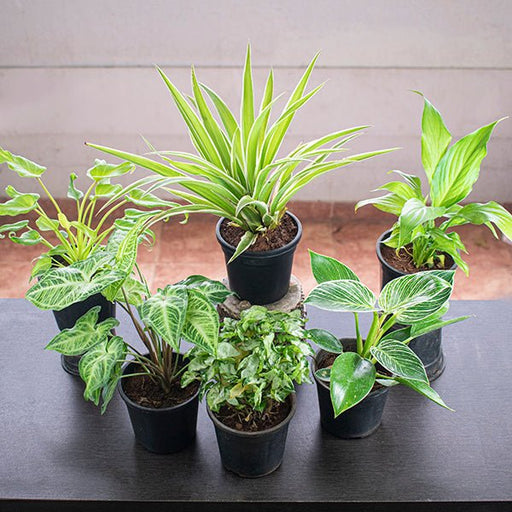
View full detailsBest 6 Plants for Perfect Indoor Garden Transform your living space into a lush oasis with our curated collection of the Best 6 Plants for a...
View full detailsBest 6 Plants for Perfect Indoor Garden Transform your living space into a lush oasis with our curated collection of the Best 6 Plants for a...
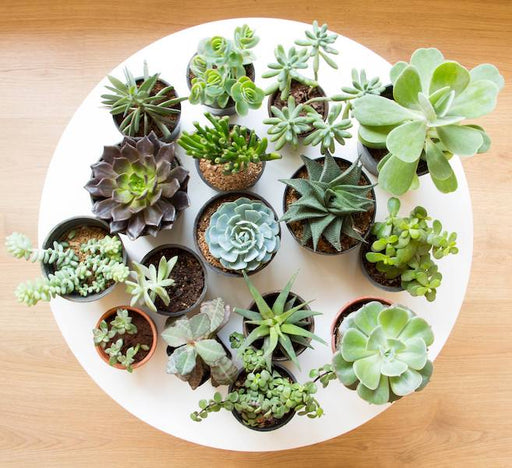
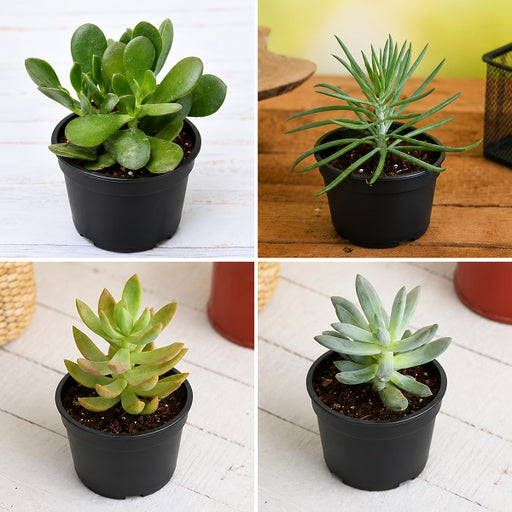
View full detailsMini Succulent Garden Pack Transform your space with our Mini Succulent Garden Pack, featuring a delightful collection of 4 any variety beautiful s...
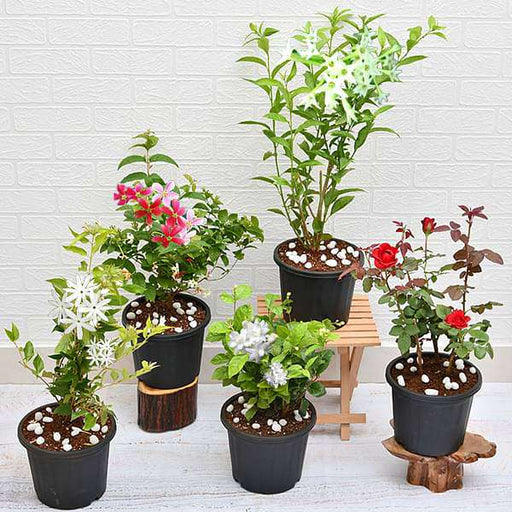
View full details5 Best Fragrant Plants Transform your garden or indoor space into a fragrant paradise with our curated selection of the 5 Best Fragrant Plants. Th...
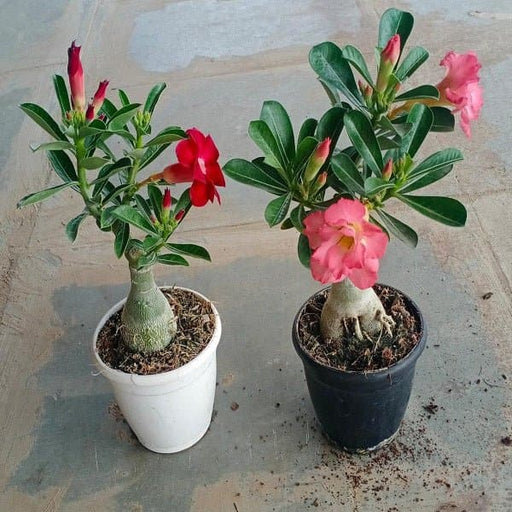
View full detailsSet of 2 Bonsai Looking Grafted Adeniums Transform your indoor or outdoor space with our exquisite Set of 2 Bonsai Looking Grafted Adenium...
View full detailsTop 4 Die Hard Succulents Pack Note: Plants included in this pack will be delivered in a 3-inch nursery pot (any color). Transform your indoor or ...
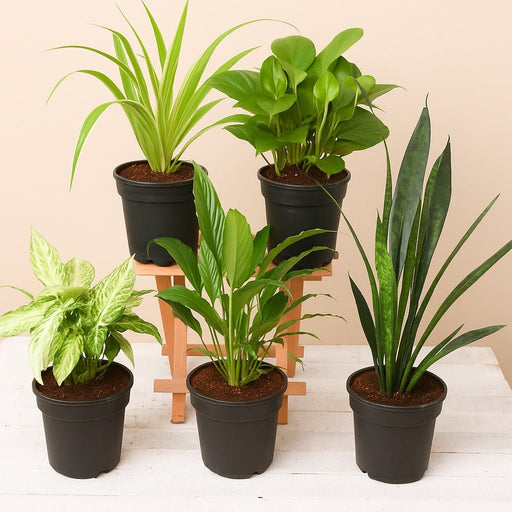
View full details5 Best Indoor Plants Pack Transform your living space into a lush oasis with our '5 Best Indoor Plants Pack.' This carefully curated collection fe...
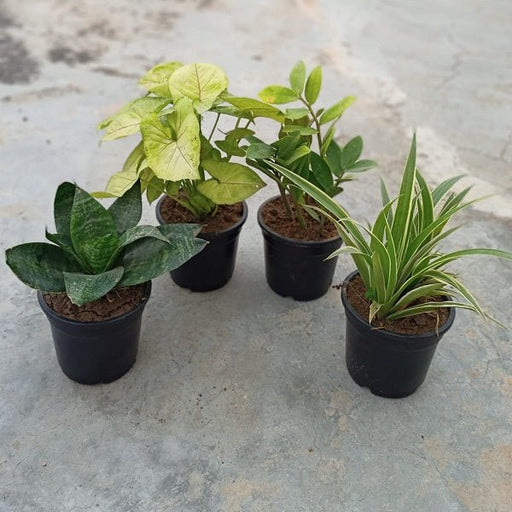
View full detailsSet of 4 Evergreen Air Purifier Plant Pack Transform your indoor space into a lush, green oasis with our Set of 4 Evergreen Air Purifier Pla...
View full detailsTop 5 Pollution Killer Plants Pack Transform your living space into a breath of fresh air with our 'Top 5 Pollution Killer Plants Pack'. This care...
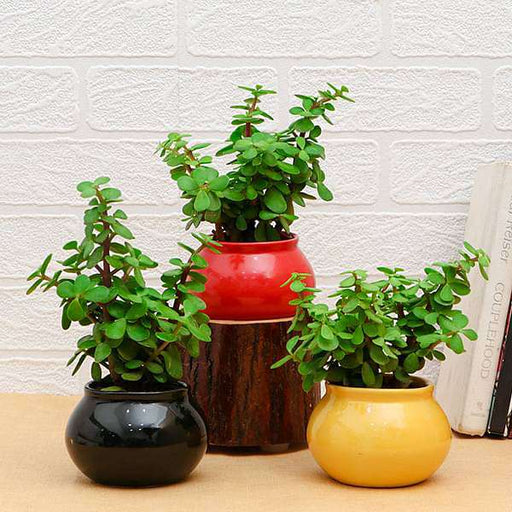
View full detailsPack of 3 Good Luck Jade Plants in Ceramic Pots Bring a touch of nature into your home with our Pack of 3 Good Luck Jade Plants, featuring...
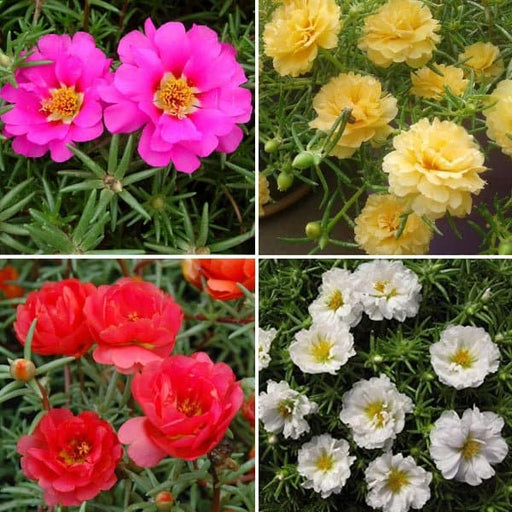
View full detailsPortulaca Garden Pack (4 Plants + 4 Black Pots) Note- You will get any color (Assorted) potted Porulaca plant with this pack. Transform your garde...
View full details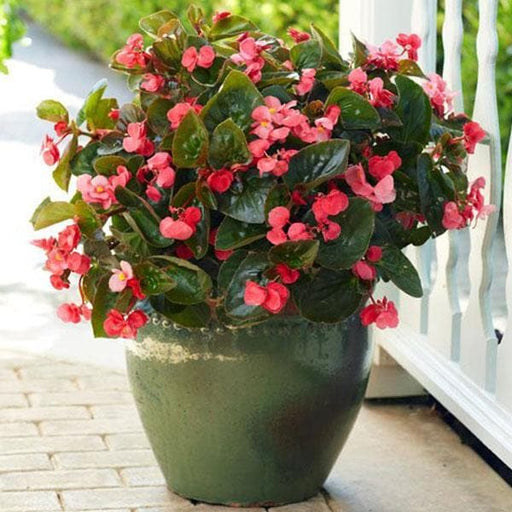





Leave a comment