
Expert Support
Available 24/7 via chat
Available 24/7 via chat
Asparagus densiflorus, commonly known simply as Asparagus, is one of the most rewarding ornamental plants you can bring into your Indian home or garden. With its delicate, feathery emerald foliage and remarkable ease of care, this perennial is ideal for both beginners and seasoned gardeners. Whether you're growing it in a container on your balcony or incorporating it into a landscape design, this low-maintenance beauty adapts beautifully to diverse growing conditions across India's varied climate zones.
Asparagus densiflorus is an ornamental perennial plant celebrated for its dense, fern-like foliage that creates a soft, elegant texture in any space. Starting at a manageable 12 inches (30 cm) in height with a 7-inch (18 cm) spread, it can eventually reach up to 2 feet as it matures, making it a versatile choice for both container gardening and landscape settings. The plant produces delicate white flowers during spring, adding subtle beauty beyond its striking foliage. Its easy-to-grow nature makes it particularly suitable for gardeners in India who want an ornamental perennial that doesn't demand constant attention.
| Care Parameter | Requirement |
|---|---|
| Light | 3-6 hours morning sunlight daily plus natural indirect bright light |
| Water | Water when top 1-2 inches of soil feel dry to touch |
| Soil | Well-drained, fertile, organic-rich; pH 5.5-7.5 |
| Temperature | Optimal: 20-30 degrees C |
Asparagus densiflorus thrives with at least 3 to 6 hours of preferably morning sunlight each day. Morning light is particularly beneficial as it gently energizes the plant without the harsh heat of the afternoon sun, which can scorch or fade the delicate feathery foliage. Beyond these direct morning hours, the plant performs best in natural indirect bright light throughout the rest of the day. This makes it an excellent choice for east-facing windows or bright indoor spaces, especially in Indian homes where summer sun can be intense. Avoid placing it in deep shade for extended periods; insufficient light results in sparse, weak growth and loss of the dense, attractive appearance that makes this plant special.
Watering Asparagus densiflorus correctly is simple but essential. Before watering, always check the soil moisture by poking your finger or a small stick into the soil up to 1 to 2 inches deep. Water only when the top layer of soil feels dry to the touch. This approach prevents both underwatering and overwatering, both of which can stress the plant. During India's hot, dry months (March to May), you may need to water more frequently, while during monsoon season (June to September), rainfall and increased humidity mean watering needs decrease. Always use room-temperature water; hard water common in many Indian cities is generally acceptable for this hardy plant, though softer water is ideal if available.
Asparagus densiflorus demands well-drained and fertile soil rich in organic content. The ideal soil pH range is 5.5 to 7.5, which is suitable for most Indian soil types. To achieve the best results, prepare a potting mix by combining garden soil with compost or well-rotted organic matter, ensuring excellent drainage to prevent root rot. Adding coarse sand or perlite to the mix further improves drainage if your soil tends to retain moisture. During the main growing season (June and July), feed the plant with organic fertilizer to support vigorous growth. Organic options like neem cake, compost tea, or well-decomposed cow manure are excellent choices that enrich the soil without chemical burns.
Asparagus densiflorus grows best in temperatures between 20 to 30 degrees Celsius. This temperature range is naturally available in much of India during spring (March-May) and post-monsoon (September-October). The plant is reasonably tolerant of India's warm summers, but protection from extreme afternoon heat helps maintain foliage quality. During winter months in cooler regions (northern and central India), keep the plant in warmer spots if temperatures drop below 15 degrees C for extended periods. Humidity levels typical in Indian homes and gardens, especially during and after monsoon, are generally suitable. However, in very dry periods (March-May in many regions), occasional misting of the foliage can help the plant maintain its vibrant appearance and prevent brown leaf tips.
Propagating Asparagus densiflorus is best achieved through division of mature plants. When your plant becomes overcrowded or you wish to expand your collection, carefully remove it from its pot and gently tease apart the root clumps into smaller sections, ensuring each section has healthy roots and at least a few growing shoots. Pot these divisions in fresh, well-prepared potting soil and water lightly to settle the soil. Keep the newly propagated sections in warm, humid conditions (ideal during monsoon) and out of direct hot sun for 2-3 weeks as they establish. With consistent moisture and warmth, new growth should emerge within 4-6 weeks, indicating successful establishment of the new plants.
Despite its easy-to-grow nature, Asparagus densiflorus can face a few challenges. Yellowing foliage often indicates either waterlogging or low light—check both soil drainage and light levels and adjust accordingly. Brown leaf tips typically result from low humidity or inconsistent watering; address this by misting during dry spells and maintaining consistent soil moisture without waterlogging. Sparse, weak growth usually signals insufficient light or nutrient deficiency; ensure the plant receives its required 3-6 hours of morning sunlight and feed during the growing season. Root rot, though less common in well-drained soil, can occur with overwatering; always allow the top 1-2 inches of soil to dry between waterings. Scale insects or spider mites are occasional pests in dry indoor conditions; spray affected areas with neem oil solution if needed.
Ready to grow your own? Shop Asparagus densiflorus at Nurserylive →
Asparagus densiflorus - Plant Asparagus densiflorus, commonly known as the foxtail fern, is a stunning perennial plant native to South Afr...
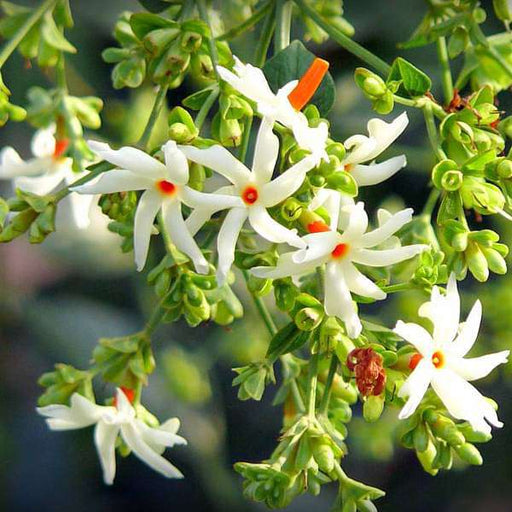
View full detailsCombo Constituents Includes the Parijat Tree (Night-Flowering Jasmine), a culturally significant plant with fragrant flowers. Description The Pari...
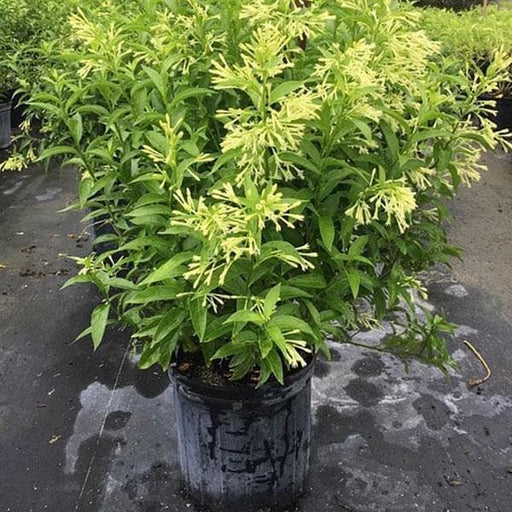
View full detailsDescription Raat Ki Rani (*Cestrum nocturnum*), also known as Night Blooming Jasmine, is a fragrant shrub native to the Caribbean and Central Ameri...
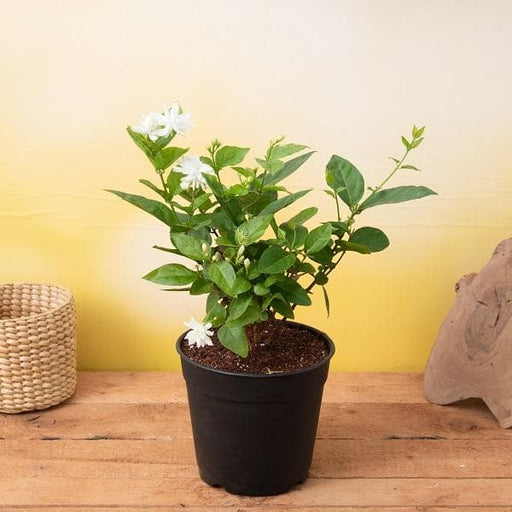
View full detailsJasminum sambac, Mogra, Arabian Jasmine - Plant Jasminum sambac, commonly known as Mogra or Arabian Jasmine, is a fragrant flowering plant...
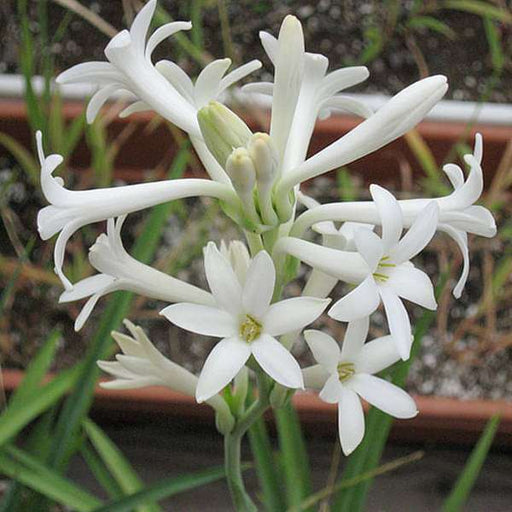
View full detailsRajnigandha, Tuberose - Plant The Rajnigandha, scientifically known as Polianthes tuberosa, is a captivating perennial plant renowned for ...
View full detailsCitronella, Odomas - Plant The Citronella plant, scientifically known as Cymbopogon nardus, is a tropical grass renowned for its aromatic ...
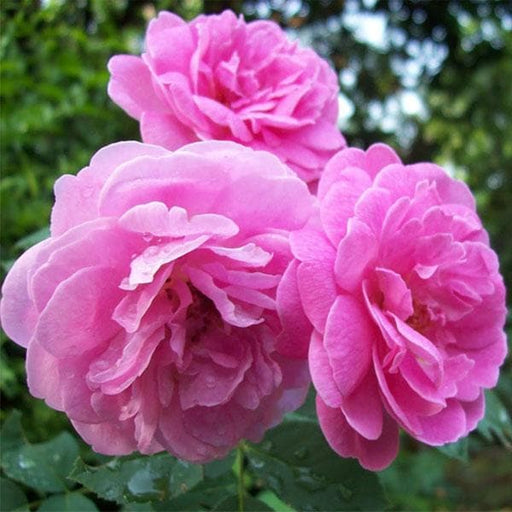
View full detailsDamascus Rose, Scented Rose (Any Color) - Plant The Damascus Rose, also known as Rosa damascena, is a timeless symbol of beauty and romanc...
View full detailsMiniature Rose, Button Rose (Any Color) - Plant The Miniature Rose, also known as the Button Rose, is a charming and compact flowering plant that ...
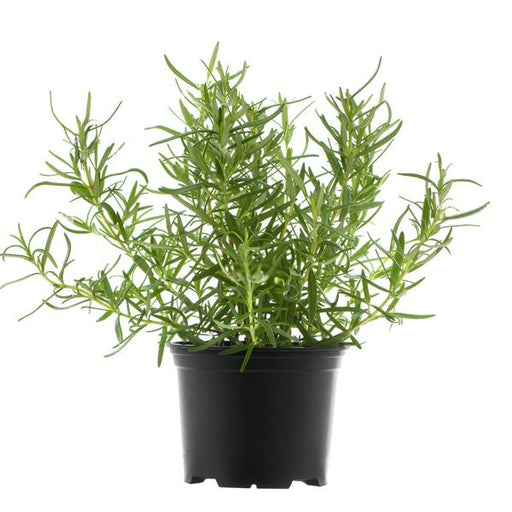
View full detailsRosemary - Plant Rosemary (Rosmarinus officinalis) is a fragrant evergreen herb native to the Mediterranean region. Known for its needle-like leav...
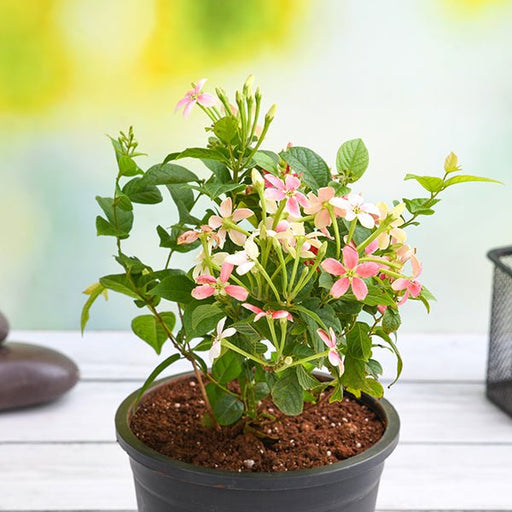
View full detailsMadhumalti Dwarf, Rangoon Creeper - Plant The Madhumalti Dwarf, also known as the Rangoon Creeper (Quisqualis indica), is a stunning perennial vin...
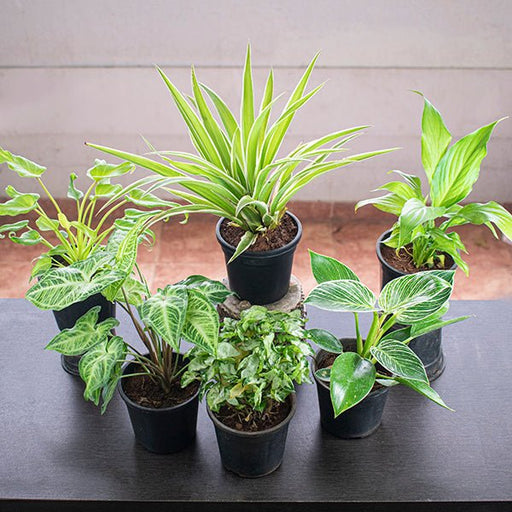
View full detailsBest 6 Plants for Perfect Indoor Garden Transform your living space into a lush oasis with our curated collection of the Best 6 Plants for a...
View full detailsBest 6 Plants for Perfect Indoor Garden Transform your living space into a lush oasis with our curated collection of the Best 6 Plants for a...
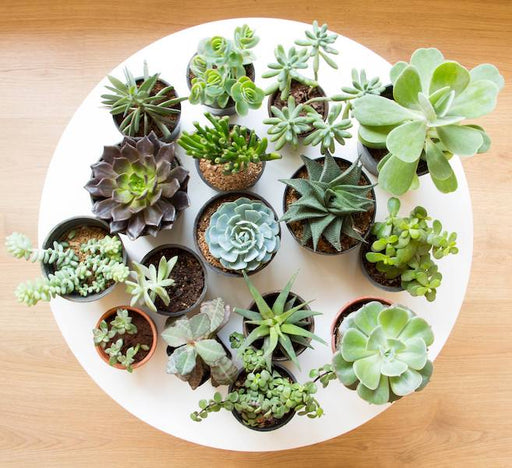
View full detailsMini Succulent Garden Pack Transform your space with our Mini Succulent Garden Pack, featuring a delightful collection of 4 any variety beautiful s...
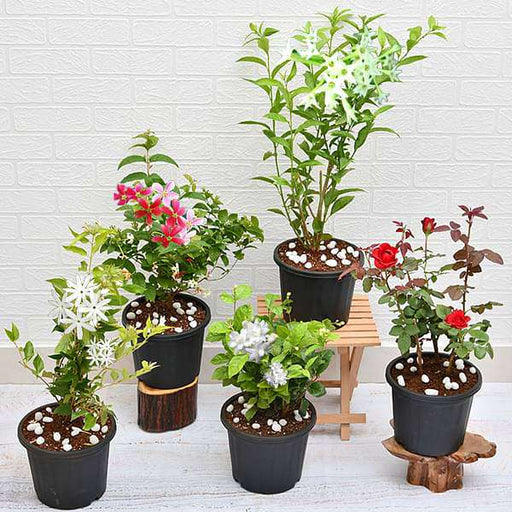
View full details5 Best Fragrant Plants Transform your garden or indoor space into a fragrant paradise with our curated selection of the 5 Best Fragrant Plants. Th...
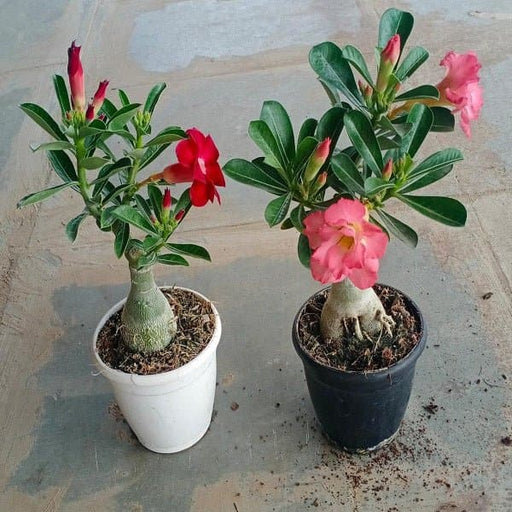
View full detailsSet of 2 Bonsai Looking Grafted Adeniums Transform your indoor or outdoor space with our exquisite Set of 2 Bonsai Looking Grafted Adenium...
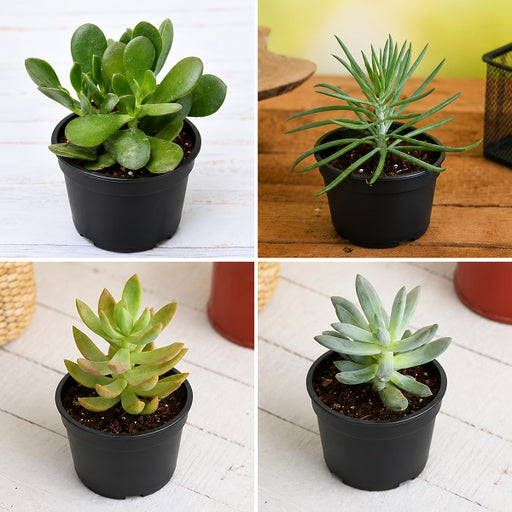
View full detailsTop 4 Die Hard Succulents Pack Note: Plants included in this pack will be delivered in a 3-inch nursery pot (any color). Transform your indoor or ...
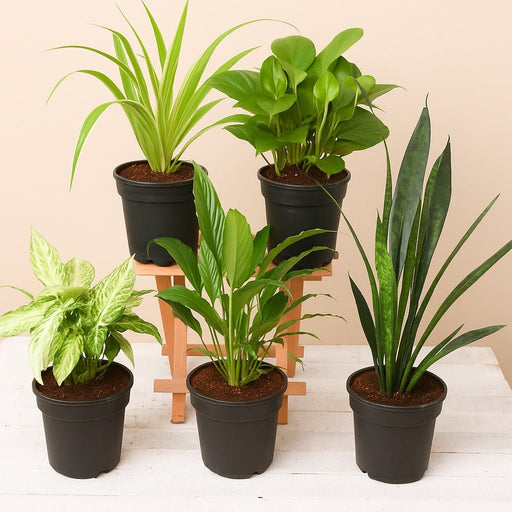
View full details5 Best Indoor Plants Pack Transform your living space into a lush oasis with our '5 Best Indoor Plants Pack.' This carefully curated collection fe...
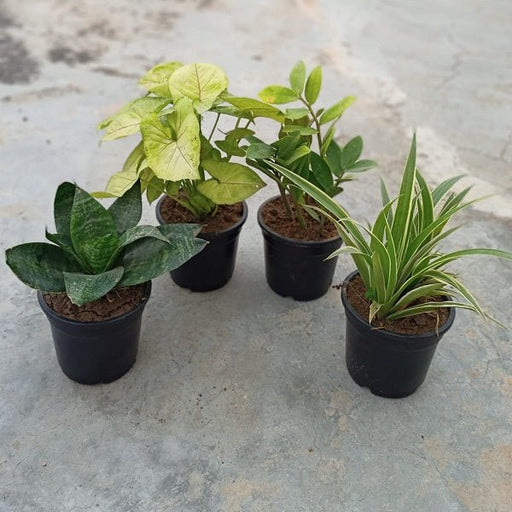
View full detailsSet of 4 Evergreen Air Purifier Plant Pack Transform your indoor space into a lush, green oasis with our Set of 4 Evergreen Air Purifier Pla...
View full detailsTop 5 Pollution Killer Plants Pack Transform your living space into a breath of fresh air with our 'Top 5 Pollution Killer Plants Pack'. This care...
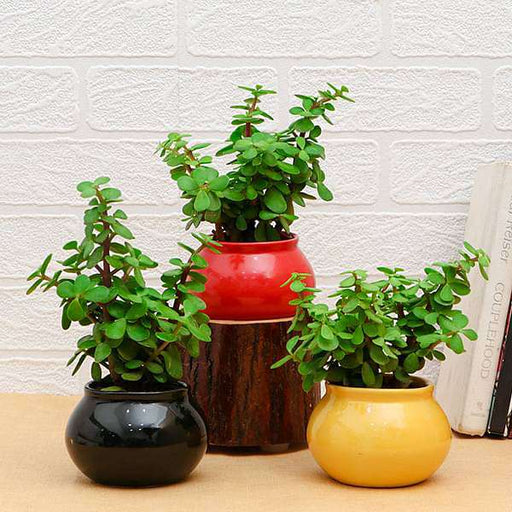
View full detailsPack of 3 Good Luck Jade Plants in Ceramic Pots Bring a touch of nature into your home with our Pack of 3 Good Luck Jade Plants, featuring...
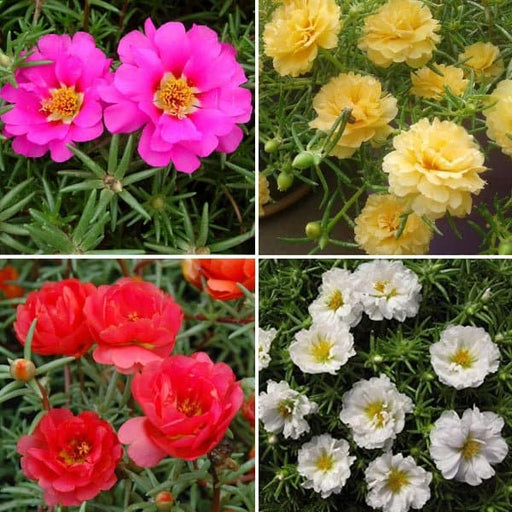
View full detailsPortulaca Garden Pack (4 Plants + 4 Black Pots) Note- You will get any color (Assorted) potted Porulaca plant with this pack. Transform your garde...
View full details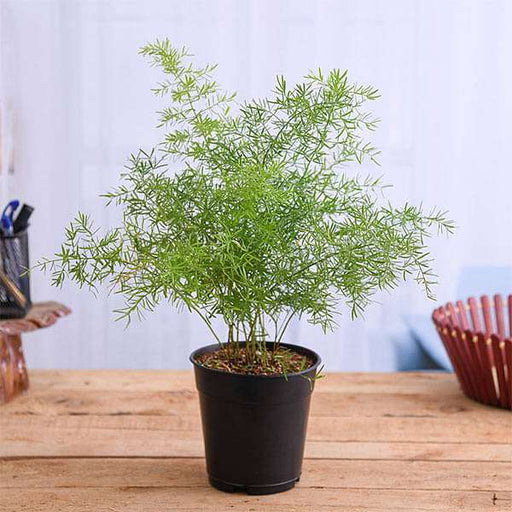






Leave a comment