
Expert Support
Available 24/7 via chat
Available 24/7 via chat
If you've been drawn to the ancient wisdom of Ayurveda, growing your own Ashwagandha at home is one of the most rewarding plant journeys you can take. Known locally as Asgandh or Nagouri Asgandh, this medicinal adaptogenic shrub has been valued for centuries—and for good reason. Beyond its powerful wellness properties, Ashwagandha is refreshingly easy to grow, thrives in India's challenging heat, and requires remarkably little fuss. Whether you're cultivating it in a terrace pot, a balcony corner, or garden patch, this guide will walk you through everything you need to know to succeed.
Ashwagandha (Withania somnifera) is a low-maintenance perennial shrub native to the Indian subcontinent. It's a member of the nightshade family and is known by several regional names: Asgandh, Nagouri Asgandh, Punir, and in English, winter cherry, poison gooseberry, or Indian ginseng. The plant typically reaches 12 inches (30 cm) in height with a 4-inch (10 cm) spread when young, but can mature to heights of up to 2 metres in ideal conditions. Spring brings delicate, greenish-yellow flowers that give way to small red berries—all of which hold medicinal value in traditional systems.
What makes Ashwagandha ideal for Indian home gardeners is its classification as an easy-to-grow herb. It's pot-friendly, tolerates terrace and balcony conditions beautifully, and asks very little in return for its generous yield of leaves and roots.
| Care Requirement | Details |
|---|---|
| Light | Full sun to partial shade |
| Watering | Moderate; allow soil to dry slightly between waterings |
| Soil | Sandy soil with good drainage |
| Temperature | 20 to 35°C (optimal for Indian climates) |
Ashwagandha is a sun-lover that adapts well to Indian conditions. The plant thrives in full sun—aim for 6 to 8 hours of direct sunlight daily for robust growth and stronger medicinal potency. If you're growing on a south-facing terrace or balcony, this is your ideal spot. However, Ashwagandha's flexibility is one of its great strengths: it will tolerate partial shade, especially in regions with intense summer heat where afternoon shade can prevent leaf scorch. If you live in extreme heat zones (above 35°C regularly), consider providing dappled afternoon shade during peak summer. In monsoon-prone areas, ensure the location has good air circulation to prevent fungal issues.
Water moderately and let the soil guide you. Ashwagandha prefers to dry out slightly between waterings—this is not a plant that likes constant moisture. In the growing season (spring and early summer), water when the top inch of soil feels dry to the touch. During monsoon, drastically reduce watering; the plant will receive plenty of natural moisture, and overwatering is a leading cause of root rot during this season. In winter, water sparingly—the plant enters dormancy, and excessive moisture can damage the roots. Always use room-temperature water, and if you're in a hard-water region, consider collecting rainwater for occasional use, as Ashwagandha prefers slightly softer water. Well-draining pots with drainage holes are essential; never let the plant sit in waterlogged soil.
Sandy soil is your best friend when growing Ashwagandha. This requirement reflects the plant's native habitat and its preference for quick drainage. If your garden soil is heavy clay, amend it generously with sand and aged compost to improve texture. For pot cultivation, use a mix of 40% sand, 30% garden soil, and 30% aged compost or coconut coir. Good drainage is non-negotiable; waterlogging is the fastest route to plant failure.
Fertilizing is wonderfully straightforward: apply any organic fertilizer during the growing season. Well-aged cow manure, vermicompost, or neem-based organic fertilizers work excellently. A light feeding every 4-6 weeks during spring and summer is sufficient. Ashwagandha is not a heavy feeder, so resist the urge to over-fertilize—it will thrive on modest nutrition and reward you with stronger, more potent plants.
Ashwagandha's ideal temperature range is 20 to 35°C, which aligns perfectly with most of India's growing zones. The plant is remarkably heat-tolerant and thrives during the hot, dry summers that challenge other herbs. It also handles the cooler winters of northern and central India with ease, entering dormancy but recovering reliably in spring. In frost-prone areas, move potted plants indoors or provide frost protection during the harshest weeks.
Humidity is flexible. The plant adapts to both humid monsoon conditions and dry summers, though excessive humidity combined with poor air circulation can invite fungal diseases. During monsoon, ensure your Ashwagandha has adequate space and airflow around it. If growing multiple plants, avoid crowding them together.
Ashwagandha is easily grown from seeds, which is the most reliable propagation method. Sow seeds directly into sandy, well-draining soil during spring (February to April). Press seeds gently into the soil and keep the surface lightly moist until germination occurs in 7-14 days. Thin seedlings to 6-8 inches apart as they grow. You can also start seeds indoors in small pots and transplant them outdoors once they've developed true leaves and are 3-4 inches tall. The plant will begin flowering in its first spring and produce usable leaves within 3-4 months of sowing.
Root Rot: The most common issue, caused by overwatering or poor drainage. Prevention is simple: water moderately, use sandy soil, and ensure drainage holes in pots.
Leaf Spot (during monsoon): Fungal spots on leaves develop in high humidity. Remove affected leaves, improve air circulation, and reduce overhead watering.
Slow Growth: Usually indicates poor light or waterlogged soil. Move the plant to a sunnier location and check drainage.
Pests: Ashwagandha is generally pest-resistant, but spider mites or scale insects may occasionally appear in dry heat. Spray with neem oil if needed.
Ready to grow your own? Shop Ashwagandha at Nurserylive →
Ashwagandha - The Adaptogenic Wonder Plant Ashwagandha, scientifically known as Withania somnifera, is a revered herb in Ayurvedic medicin...
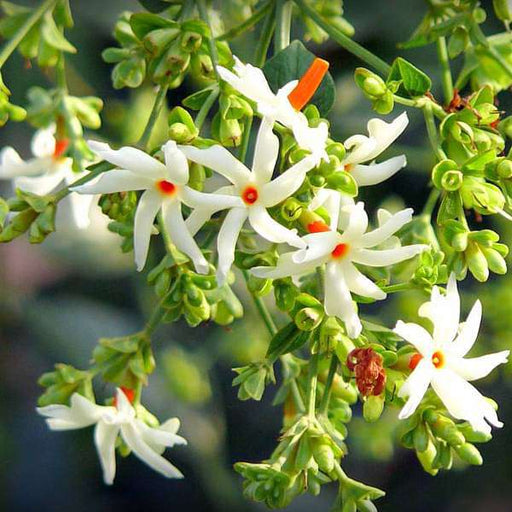
View full detailsCombo Constituents Includes the Parijat Tree (Night-Flowering Jasmine), a culturally significant plant with fragrant flowers. Description The Pari...
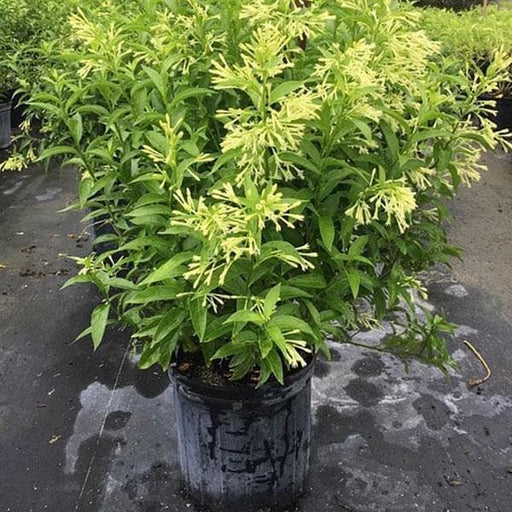
View full detailsDescription Raat Ki Rani (*Cestrum nocturnum*), also known as Night Blooming Jasmine, is a fragrant shrub native to the Caribbean and Central Ameri...
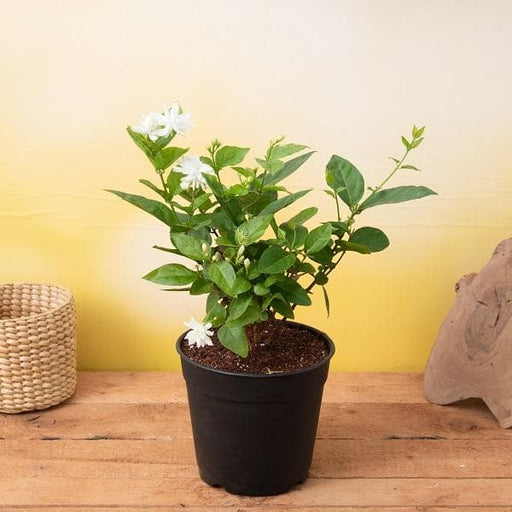
View full detailsJasminum sambac, Mogra, Arabian Jasmine - Plant Jasminum sambac, commonly known as Mogra or Arabian Jasmine, is a fragrant flowering plant...
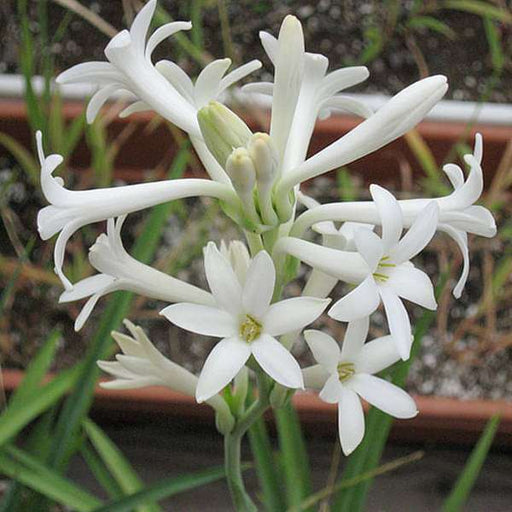
View full detailsRajnigandha, Tuberose - Plant The Rajnigandha, scientifically known as Polianthes tuberosa, is a captivating perennial plant renowned for ...
View full detailsCitronella, Odomas - Plant The Citronella plant, scientifically known as Cymbopogon nardus, is a tropical grass renowned for its aromatic ...
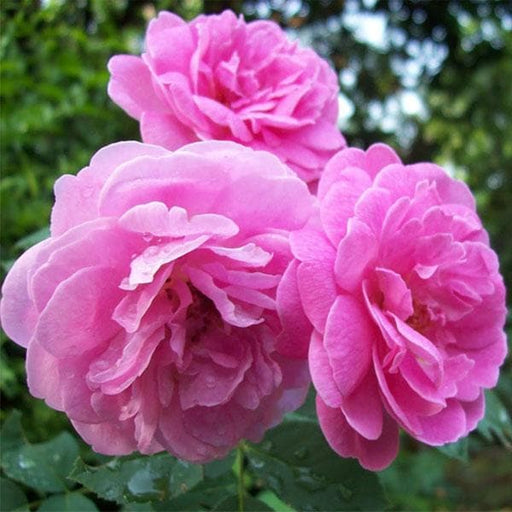
View full detailsDamascus Rose, Scented Rose (Any Color) - Plant The Damascus Rose, also known as Rosa damascena, is a timeless symbol of beauty and romanc...
View full detailsMiniature Rose, Button Rose (Any Color) - Plant The Miniature Rose, also known as the Button Rose, is a charming and compact flowering plant that ...
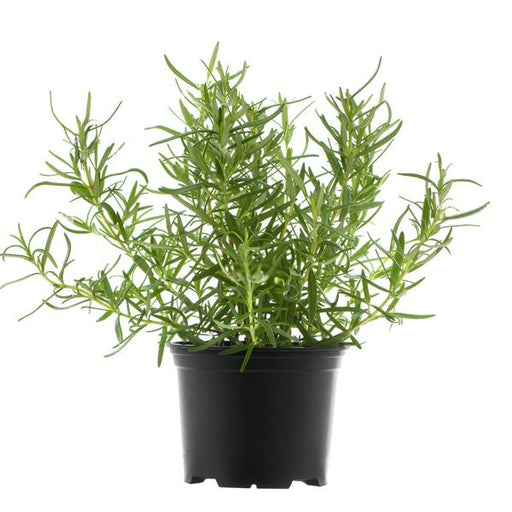
View full detailsRosemary - Plant Rosemary (Rosmarinus officinalis) is a fragrant evergreen herb native to the Mediterranean region. Known for its needle-like leav...
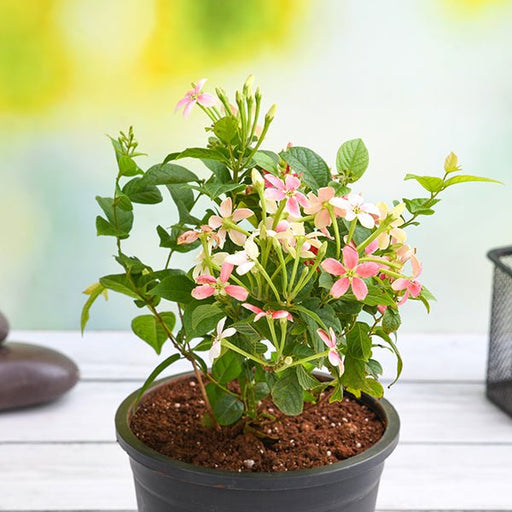
View full detailsMadhumalti Dwarf, Rangoon Creeper - Plant The Madhumalti Dwarf, also known as the Rangoon Creeper (Quisqualis indica), is a stunning perennial vin...
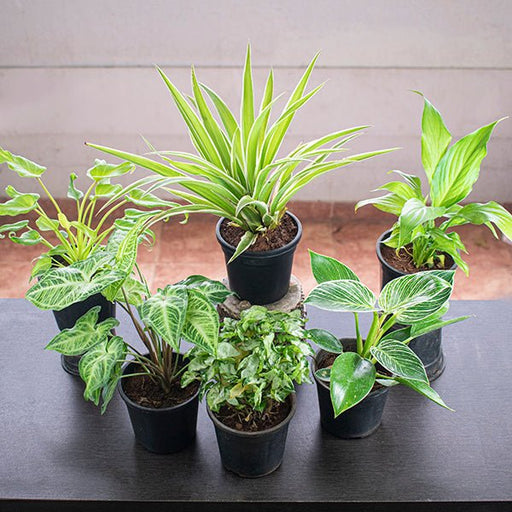
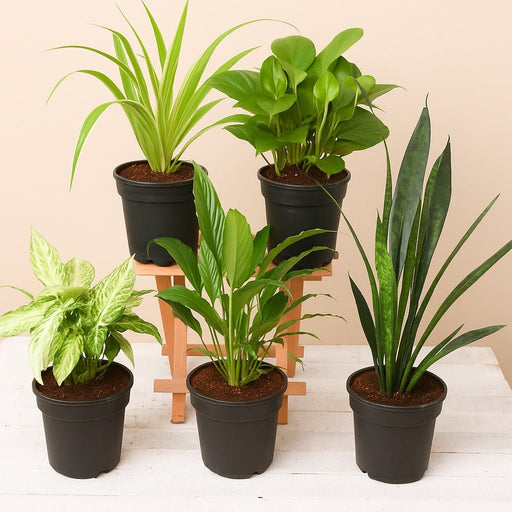
View full detailsBest 6 Plants for Perfect Indoor Garden Transform your living space into a lush oasis with our curated collection of the Best 6 Plants for a...
View full detailsBest 6 Plants for Perfect Indoor Garden Transform your living space into a lush oasis with our curated collection of the Best 6 Plants for a...
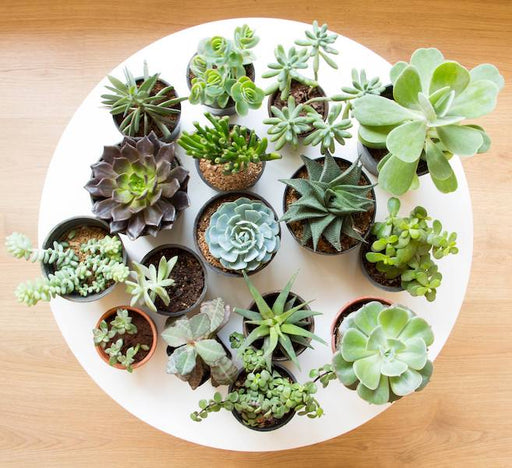
View full detailsMini Succulent Garden Pack Transform your space with our Mini Succulent Garden Pack, featuring a delightful collection of 4 any variety beautiful s...
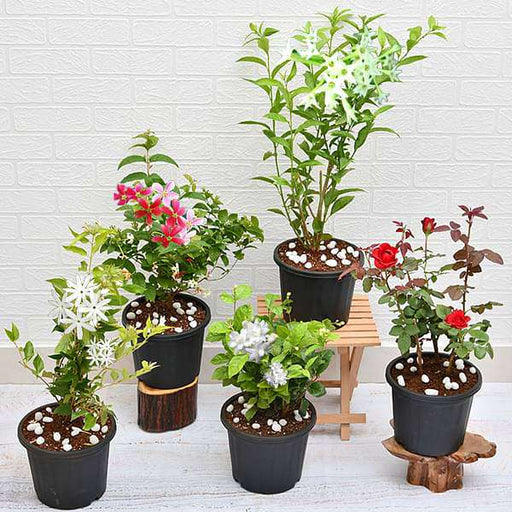
View full details5 Best Fragrant Plants Transform your garden or indoor space into a fragrant paradise with our curated selection of the 5 Best Fragrant Plants. Th...
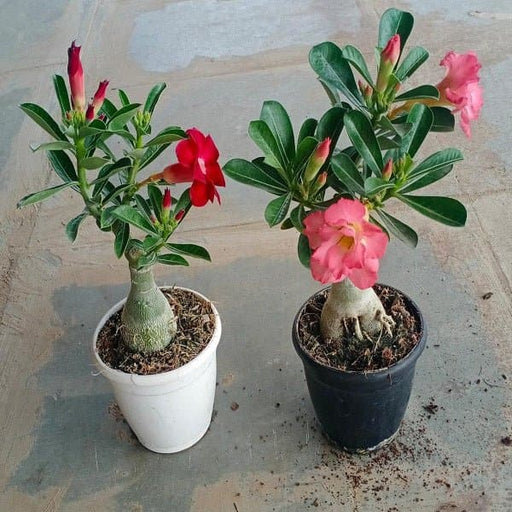
View full detailsSet of 2 Bonsai Looking Grafted Adeniums Transform your indoor or outdoor space with our exquisite Set of 2 Bonsai Looking Grafted Adenium...
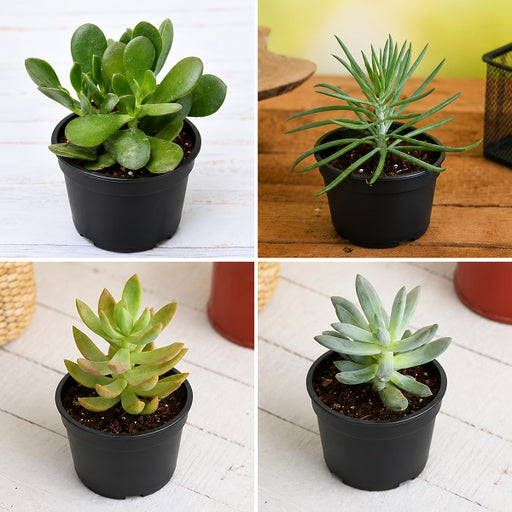
View full detailsTop 4 Die Hard Succulents Pack Note: Plants included in this pack will be delivered in a 3-inch nursery pot (any color). Transform your indoor or ...
View full details5 Best Indoor Plants Pack Transform your living space into a lush oasis with our '5 Best Indoor Plants Pack.' This carefully curated collection fe...
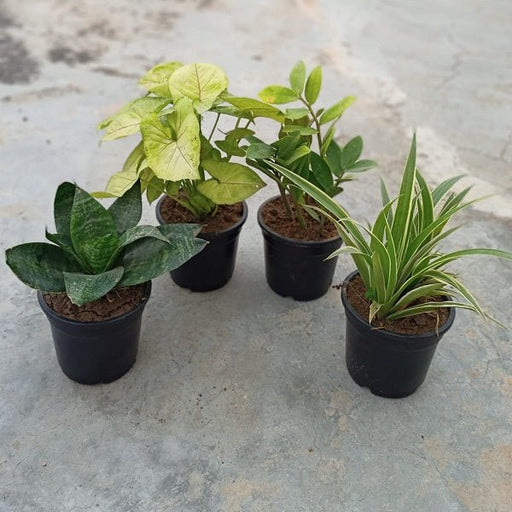
View full detailsSet of 4 Evergreen Air Purifier Plant Pack Transform your indoor space into a lush, green oasis with our Set of 4 Evergreen Air Purifier Pla...
View full detailsTop 5 Pollution Killer Plants Pack Transform your living space into a breath of fresh air with our 'Top 5 Pollution Killer Plants Pack'. This care...
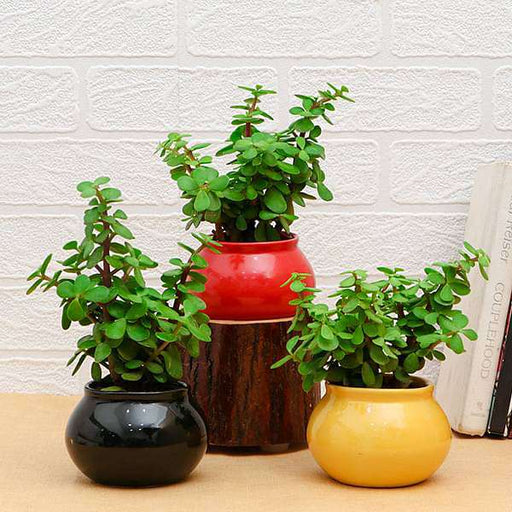
View full detailsPack of 3 Good Luck Jade Plants in Ceramic Pots Bring a touch of nature into your home with our Pack of 3 Good Luck Jade Plants, featuring...
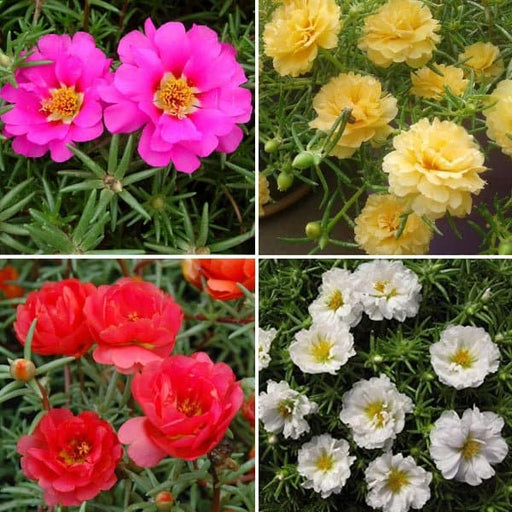
View full detailsPortulaca Garden Pack (4 Plants + 4 Black Pots) Note- You will get any color (Assorted) potted Porulaca plant with this pack. Transform your garde...
View full details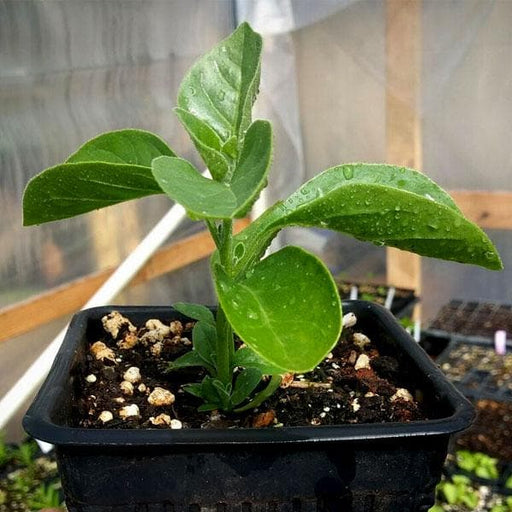





Leave a comment