
Expert Support
Available 24/7 via chat
Available 24/7 via chat
If you're looking for a striking, easy-to-grow vine that delivers peach-orange flowers throughout the year, Allamanda Tiger deserves a place in your Indian garden. Known locally as the golden trumpet or common trumpet vine, this hardy perennial is forgiving enough for beginner gardeners yet rewarding enough to delight experienced horticulturists. Whether you're planning a vertical landscape, screening an unsightly wall, or adding colour to a pergola, Allamanda Tiger thrives in India's warm climate with minimal fuss.
Allamanda Tiger is a warm-climate flowering creeper celebrated for its distinctive peach-orange trumpet-shaped flowers and vigorous growth habit. Unlike many tropical vines, it's remarkably drought tolerant and doesn't demand constant attention—making it ideal for busy gardeners or those new to plant care. The vine grows 4–6 feet tall and spreads about 6 inches wide, making it perfect for training along trellises, fences, or walls. Its most impressive feature is its ability to flower across all four seasons in India, providing consistent colour when many other plants go dormant.
| Care Factor | Details |
|---|---|
| Light | Full sun to partial shade |
| Watering | Medium; water when top soil is dry |
| Soil | Mildly alkaline (pH 7.6–7.8) |
| Temperature | 25–35°C (optimal range for India) |
Allamanda Tiger loves sunlight and performs best with 6–8 hours of direct sun daily. In India's intense summer heat, especially in regions like Delhi, Mumbai, or Bangalore, the plant actually thrives on full sun exposure. However, in very hot zones or during peak summer months (May–June), providing partial afternoon shade can prevent leaf scorch and maintain flower quality. In cooler northern regions during winter, maximum sunlight ensures continuous blooming. The key is balance: more light equals more flowers, but some afternoon dappled shade in extreme heat keeps the plant comfortable and prevents stress-induced leaf drop.
Allamanda Tiger requires medium watering—neither drought-stressed nor waterlogged. During the growing season (spring, summer, and fall), water when the top inch of soil feels dry to the touch. In India's monsoon regions, reduce frequency significantly as rainfall contributes to soil moisture; monitor the soil rather than following a fixed schedule. During winter, when growth slows, water sparingly—once every 7–10 days depending on your location and climate. Overwatering is the most common mistake; it invites root rot and fungal issues. Use well-draining soil and allow excess water to drain freely. If you have hard water common to many Indian regions, let tap water sit overnight before watering, or collect rainwater, as the plant tolerates this better than highly chlorinated water.
This plant prefers mildly alkaline soil with a pH between 7.6 and 7.8—a range naturally suited to many Indian soils. Ensure the soil drains well; add coarse sand or perlite if your garden soil compacts easily. Allamanda Tiger isn't a heavy feeder, but consistent nutrition supports vigorous growth and prolific flowering. During the growing season (spring through early fall), feed with a liquid fertilizer every 2–3 weeks. Switch to once-monthly feeding in winter when the plant's growth naturally slows. A balanced fertilizer or one slightly higher in phosphorus encourages blooming. Avoid over-fertilizing, which produces lush foliage at the expense of flowers. A yearly application of aged compost around the base in spring provides slow-release nutrients and improves soil structure.
Allamanda Tiger thrives in India's warm climate, with an optimal temperature range of 25–35°C. This makes it perfectly suited to most Indian regions year-round. The plant handles humidity well and actually benefits from the moisture during monsoon season—just ensure waterlogging doesn't occur. In very dry climates or during peak summer, occasional misting can keep foliage fresh and dust-free, improving photosynthesis. The vine is surprisingly hardy and continues flowering even during mild winters in southern and coastal India. In rare frost-prone areas (high-altitude regions), provide winter protection or grow in a large container that can be moved indoors during cold snaps.
Allamanda Tiger is easiest to propagate from semi-hardwood cuttings taken in late spring or early summer. Select healthy, pencil-thick stems and cut 6–8 inch sections just below a node. Remove the lower leaves, dip the cutting in rooting hormone (optional but helpful), and insert into a pot filled with moist cocopeat or a mix of sand and peat. Keep the soil consistently moist and place in bright, indirect light for 3–4 weeks until roots develop. Once established, gradually acclimate the young plant to stronger light and transition to normal watering. Air layering is another effective method: wound a section of stem, wrap with moist sphagnum moss and plastic, and once roots form within 4–6 weeks, sever and pot up the new plant. Propagation works best during the warm months, avoiding the cold winter period.
Root Rot: The most frequent issue, caused by overwatering or poor drainage. Let soil dry between waterings and repot into fresh, well-draining soil if detected early.
Mealybugs and Scale Insects: These pests hide on stems and leaf undersides, especially during monsoon. Spray with neem oil or insecticidal soap every 7–10 days until clear. Isolate affected plants to prevent spread.
Leaf Yellowing: Often signals overwatering or nutrient deficiency. Check drainage first; if soil is fine, feed with a balanced liquid fertilizer.
Poor Flowering: Usually due to insufficient light or over-fertilizing (nitrogen excess). Ensure 6+ hours of direct sun and balance your feeding ratio toward phosphorus.
Powdery Mildew: Can occur in humid conditions with poor air circulation. Improve spacing, prune dense growth, and spray with a sulphur-based fungicide if needed.
Ready to grow your own? Shop Allamanda Tiger at Nurserylive →
Allamanda Tiger (Peach Orange) - Plant The Allamanda Tiger, with its stunning peach-orange blooms, is a tropical beauty that adds a vibrant touch ...
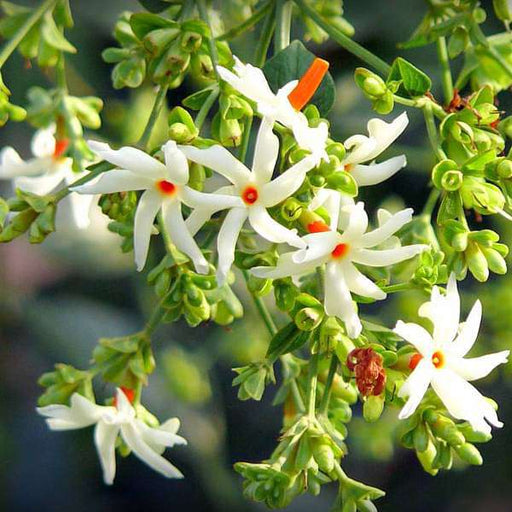
View full detailsCombo Constituents Includes the Parijat Tree (Night-Flowering Jasmine), a culturally significant plant with fragrant flowers. Description The Pari...
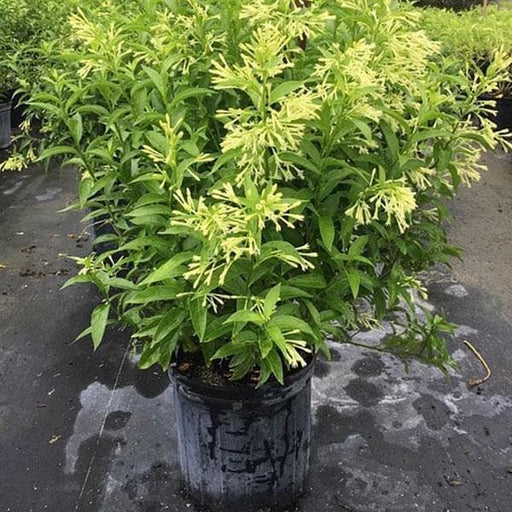
View full detailsDescription Raat Ki Rani (*Cestrum nocturnum*), also known as Night Blooming Jasmine, is a fragrant shrub native to the Caribbean and Central Ameri...
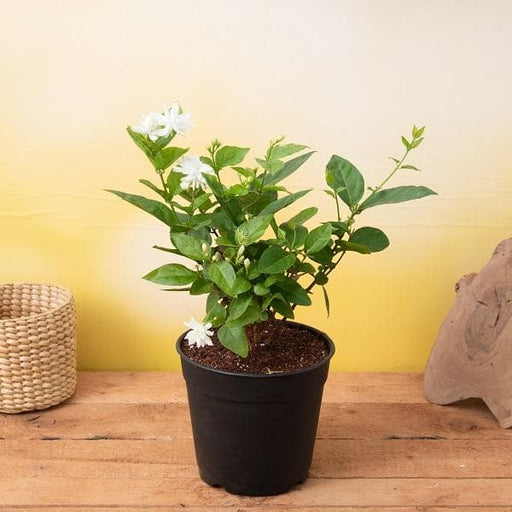
View full detailsJasminum sambac, Mogra, Arabian Jasmine - Plant Jasminum sambac, commonly known as Mogra or Arabian Jasmine, is a fragrant flowering plant...
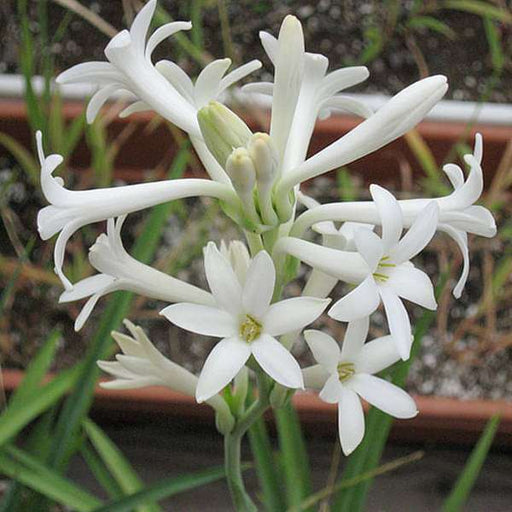
View full detailsRajnigandha, Tuberose - Plant The Rajnigandha, scientifically known as Polianthes tuberosa, is a captivating perennial plant renowned for ...
View full detailsCitronella, Odomas - Plant The Citronella plant, scientifically known as Cymbopogon nardus, is a tropical grass renowned for its aromatic ...
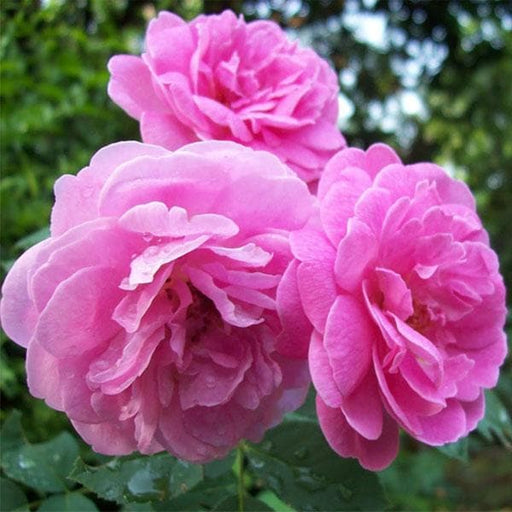
View full detailsDamascus Rose, Scented Rose (Any Color) - Plant The Damascus Rose, also known as Rosa damascena, is a timeless symbol of beauty and romanc...
View full detailsMiniature Rose, Button Rose (Any Color) - Plant The Miniature Rose, also known as the Button Rose, is a charming and compact flowering plant that ...
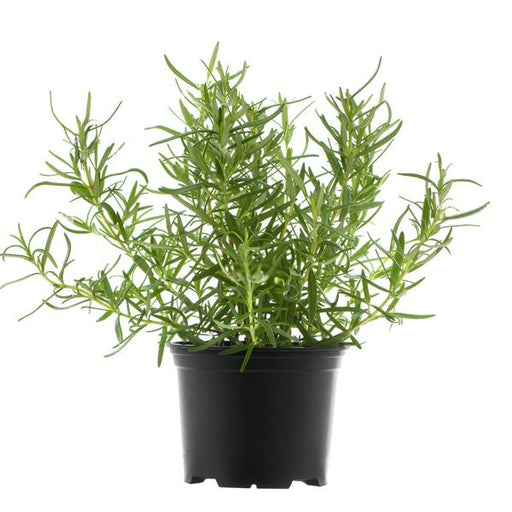
View full detailsRosemary - Plant Rosemary (Rosmarinus officinalis) is a fragrant evergreen herb native to the Mediterranean region. Known for its needle-like leav...
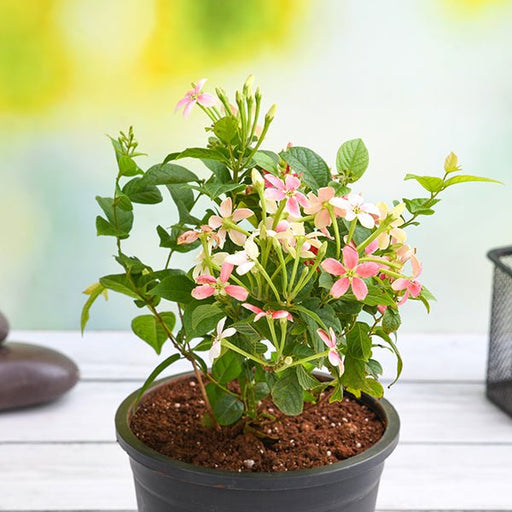
View full detailsMadhumalti Dwarf, Rangoon Creeper - Plant The Madhumalti Dwarf, also known as the Rangoon Creeper (Quisqualis indica), is a stunning perennial vin...
View full detailsBest 6 Plants for Perfect Indoor Garden Transform your living space into a lush oasis with our curated collection of the Best 6 Plants for a...
View full detailsBest 6 Plants for Perfect Indoor Garden Transform your living space into a lush oasis with our curated collection of the Best 6 Plants for a...
View full detailsMini Succulent Garden Pack Transform your space with our Mini Succulent Garden Pack, featuring a delightful collection of 4 any variety beautiful s...
View full details5 Best Fragrant Plants Transform your garden or indoor space into a fragrant paradise with our curated selection of the 5 Best Fragrant Plants. Th...
View full detailsSet of 2 Bonsai Looking Grafted Adeniums Transform your indoor or outdoor space with our exquisite Set of 2 Bonsai Looking Grafted Adenium...
View full detailsTop 4 Die Hard Succulents Pack Note: Plants included in this pack will be delivered in a 3-inch nursery pot (any color). Transform your indoor or ...
View full details5 Best Indoor Plants Pack Transform your living space into a lush oasis with our '5 Best Indoor Plants Pack.' This carefully curated collection fe...
View full detailsSet of 4 Evergreen Air Purifier Plant Pack Transform your indoor space into a lush, green oasis with our Set of 4 Evergreen Air Purifier Pla...
View full detailsTop 5 Pollution Killer Plants Pack Transform your living space into a breath of fresh air with our 'Top 5 Pollution Killer Plants Pack'. This care...
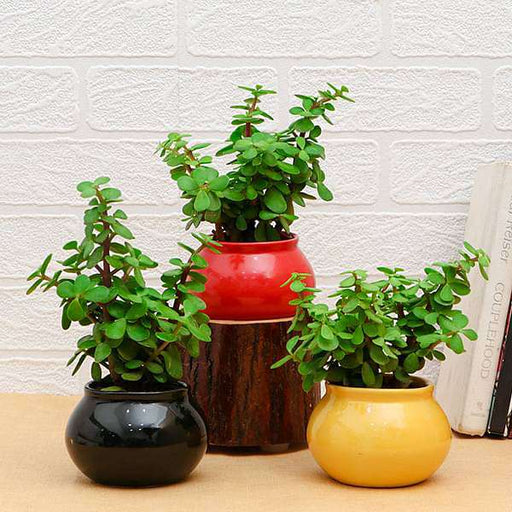
View full detailsPack of 3 Good Luck Jade Plants in Ceramic Pots Bring a touch of nature into your home with our Pack of 3 Good Luck Jade Plants, featuring...
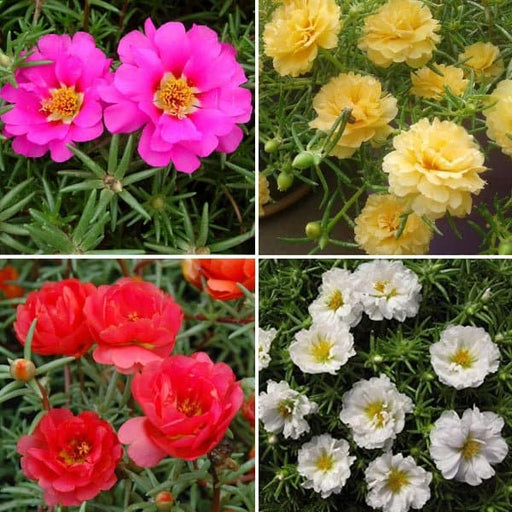
View full detailsPortulaca Garden Pack (4 Plants + 4 Black Pots) Note- You will get any color (Assorted) potted Porulaca plant with this pack. Transform your garde...
View full details












Leave a comment