
Expert Support
Available 24/7 via chat
Available 24/7 via chat
If you're searching for a stunning flowering vine that thrives in India's intense climate and blooms reliably year-round, Allamanda Creeper (Pentalinon luteum), also known as Golden Trumpet Vine, deserves a place on your terrace or garden wall. This vigorous climber rewards you with brilliant yellow flowers throughout spring, summer, fall, and winter—a rarity that makes it invaluable for gardeners seeking continuous color. Best of all, it's drought-resistant, easy to care for, and grows rapidly, making it perfect for both experienced growers and beginners.
Allamanda Creeper is a fast-growing perennial vine that will eventually reach 4 to 6 feet in height, climbing walls, trellises, and pergolas with ease. The specimen you purchase typically arrives at around 19 inches (48 cm) tall with a 4-inch spread, ready to establish roots and begin its vigorous growth. Its waxy, bright yellow trumpet-shaped flowers bloom prolifically across all four seasons in India's warm climate, making it far superior to seasonal bloomers for year-round garden interest. The plant's drought tolerance and resilience to India's hard water and intense sun make it an ideal choice for Indian gardeners working with challenging conditions.
| Requirement | Details |
|---|---|
| Light | Full sun (6+ hours daily) |
| Water | Medium; let soil dry between waterings |
| Soil | pH 7.6–7.8 (mildly alkaline); quality potting mix |
| Temperature | 25–35°C (optimal range for India) |
Allamanda Creeper is a sun worshipper. For maximum flowering and vigorous growth, plant it in full sun—meaning at least 6 hours of direct sunlight daily, ideally 8 hours or more. In India, this is almost always achievable on a south or west-facing terrace, and the intense Indian sun won't scorch its waxy leaves. If placed in partial shade, the plant will grow but flowering will diminish noticeably. For terrace gardeners, positioning your vine on an open-to-sun structure ensures the most spectacular displays.
Allamanda Creeper requires medium watering and is naturally drought-tolerant, a trait that makes it forgiving for busy gardeners or those in water-scarce regions. Water thoroughly when the top 1 to 2 inches of soil feel dry to the touch. In India's hot summers, this might mean watering every 2 to 3 days, while in monsoon season, reduce frequency to avoid waterlogging—the plant's roots dislike standing water. During cooler winter months, water less frequently, allowing the soil to dry out more between waterings. If using municipal water (which is often alkaline and mineral-rich in Indian cities), your plant's mildly alkaline soil preference aligns naturally with the water quality, reducing the need for pH adjustment.
Use any good-quality potting mix as your base—commercial mixes designed for flowering plants work well. The ideal soil pH for Allamanda is 7.6 to 7.8 (mildly alkaline), which is fortunate in India where hard water and naturally alkaline soils are common. This means minimal amendment is needed in most Indian regions; your local potting mix will likely provide the right pH environment without extra work. During the growing season (spring, summer, and fall), feed the plant with a balanced liquid fertilizer every 2 to 3 weeks to fuel prolific flowering. In winter, cut feeding back to once a month, as growth slows. Avoid excessive nitrogen, which promotes leafy growth at the expense of flowers.
Allamanda Creeper thrives in India's warm climate, with an optimal temperature range of 25 to 35°C. This temperature band covers most of India's growing season, making the plant naturally well-suited to Indian conditions. It tolerates heat exceptionally well and actually flowers more prolifically when warm. The plant is sensitive to cold; if temperatures drop below 25°C, growth slows, and frost exposure can damage it. In cooler regions or during winter, provide shelter or move container-grown plants to a protected location. Humidity is generally not a concern; the plant adapts well to both dry and humid conditions, though good air circulation prevents fungal issues during monsoon season.
Allamanda Creeper can be propagated from semi-hardwood cuttings taken during the growing season. Select 4 to 6-inch sections of new growth, remove lower leaves, and dip the cut end in rooting hormone. Plant cuttings in a moist, well-draining seed-raising mix or peat-based substrate and keep in warm, humid conditions (a propagation box or covered plastic bag works). Rooting typically occurs in 3 to 4 weeks. Once roots develop, transplant the young vine into small pots and gradually acclimate to regular conditions before planting in the garden.
Yellow leaves with visible webbing: Spider mites thrive in hot, dry conditions. Spray affected plants with neem oil or insecticidal soap, and increase misting to raise humidity. Leaf drop and pale foliage: Often signals overwatering or poor drainage; allow soil to dry between waterings and ensure pots have drainage holes. Few or no flowers: Insufficient light is the primary cause. Move the plant to a sunnier location. Brown, papery leaf edges: Hard water salts may accumulate in soil; flush pots with distilled or rainwater periodically, or repot with fresh soil.
Ready to grow your own? Shop Allamanda Creeper at Nurserylive →
Allamanda Creeper, Pentalinon luteum (Yellow) - Plant The Allamanda Creeper, scientifically known as Pentalinon luteum, is a stunning trop...
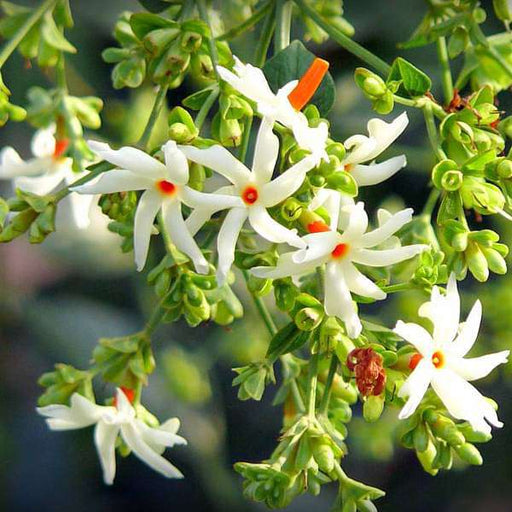
View full detailsCombo Constituents Includes the Parijat Tree (Night-Flowering Jasmine), a culturally significant plant with fragrant flowers. Description The Pari...
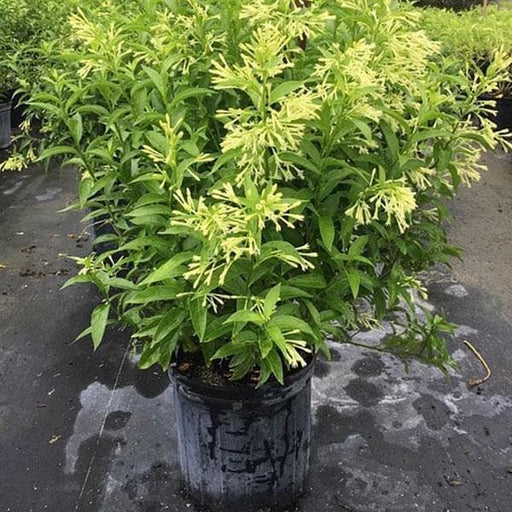
View full detailsDescription Raat Ki Rani (*Cestrum nocturnum*), also known as Night Blooming Jasmine, is a fragrant shrub native to the Caribbean and Central Ameri...
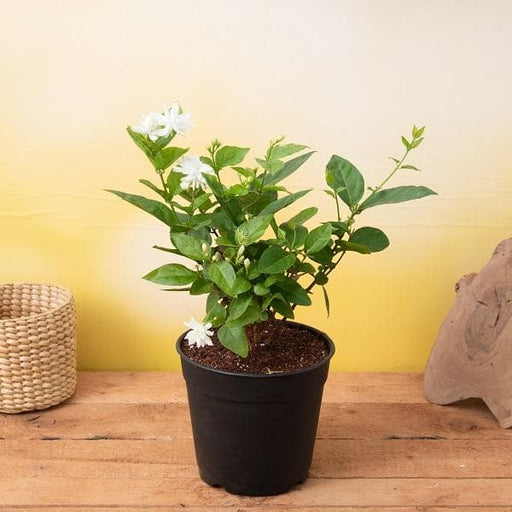
View full detailsJasminum sambac, Mogra, Arabian Jasmine - Plant Jasminum sambac, commonly known as Mogra or Arabian Jasmine, is a fragrant flowering plant...
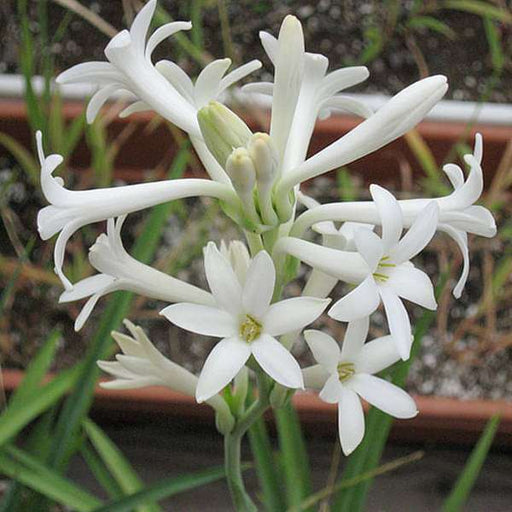
View full detailsRajnigandha, Tuberose - Plant The Rajnigandha, scientifically known as Polianthes tuberosa, is a captivating perennial plant renowned for ...
View full detailsCitronella, Odomas - Plant The Citronella plant, scientifically known as Cymbopogon nardus, is a tropical grass renowned for its aromatic ...
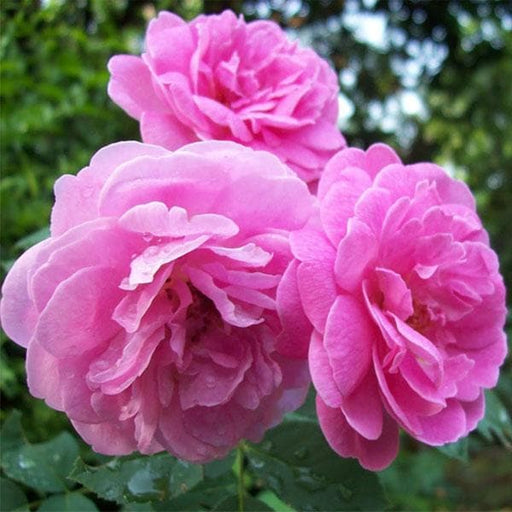
View full detailsDamascus Rose, Scented Rose (Any Color) - Plant The Damascus Rose, also known as Rosa damascena, is a timeless symbol of beauty and romanc...
View full detailsMiniature Rose, Button Rose (Any Color) - Plant The Miniature Rose, also known as the Button Rose, is a charming and compact flowering plant that ...
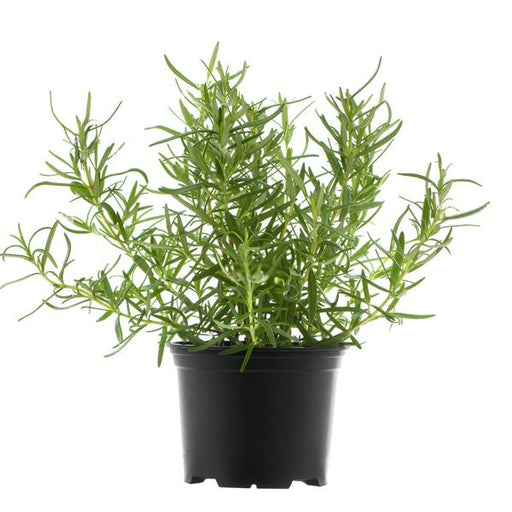
View full detailsRosemary - Plant Rosemary (Rosmarinus officinalis) is a fragrant evergreen herb native to the Mediterranean region. Known for its needle-like leav...
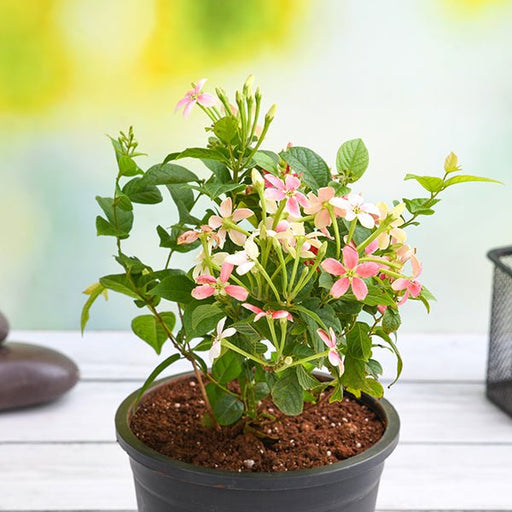
View full detailsMadhumalti Dwarf, Rangoon Creeper - Plant The Madhumalti Dwarf, also known as the Rangoon Creeper (Quisqualis indica), is a stunning perennial vin...
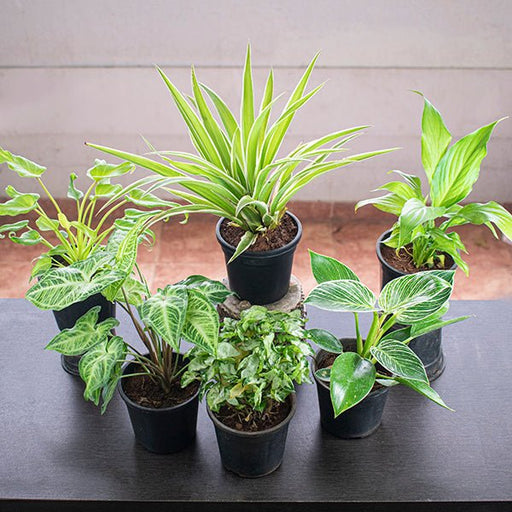
View full detailsBest 6 Plants for Perfect Indoor Garden Transform your living space into a lush oasis with our curated collection of the Best 6 Plants for a...
View full detailsBest 6 Plants for Perfect Indoor Garden Transform your living space into a lush oasis with our curated collection of the Best 6 Plants for a...
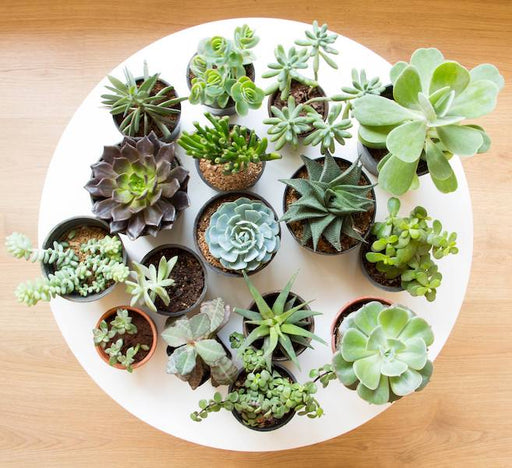
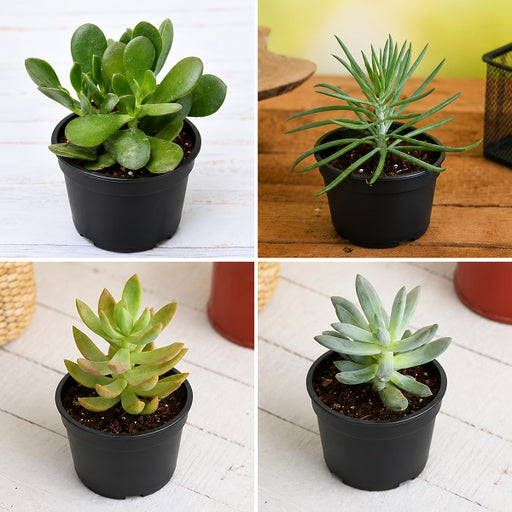
View full detailsMini Succulent Garden Pack Transform your space with our Mini Succulent Garden Pack, featuring a delightful collection of 4 any variety beautiful s...
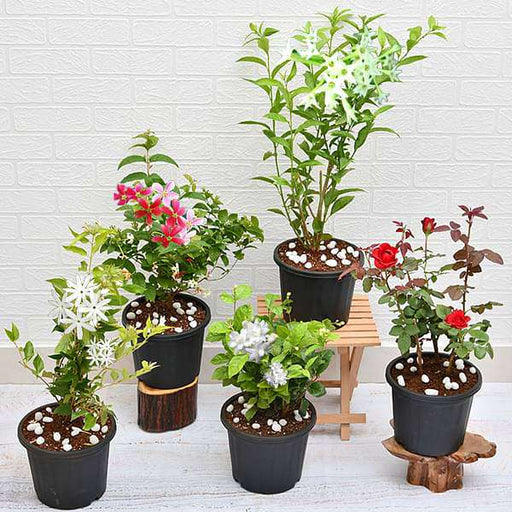
View full details5 Best Fragrant Plants Transform your garden or indoor space into a fragrant paradise with our curated selection of the 5 Best Fragrant Plants. Th...
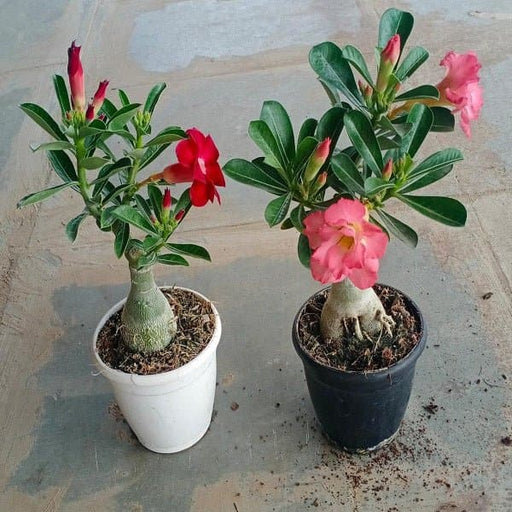
View full detailsSet of 2 Bonsai Looking Grafted Adeniums Transform your indoor or outdoor space with our exquisite Set of 2 Bonsai Looking Grafted Adenium...
View full detailsTop 4 Die Hard Succulents Pack Note: Plants included in this pack will be delivered in a 3-inch nursery pot (any color). Transform your indoor or ...
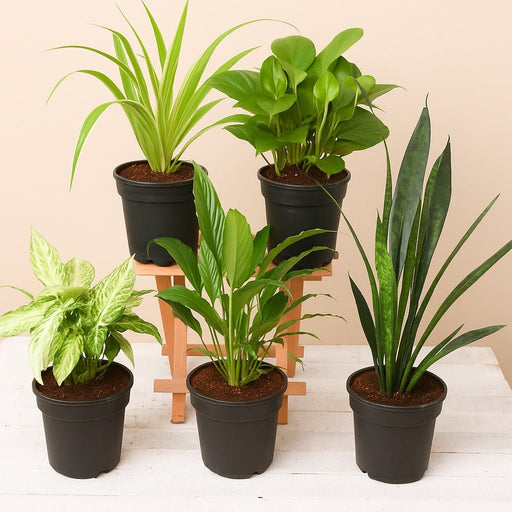
View full details5 Best Indoor Plants Pack Transform your living space into a lush oasis with our '5 Best Indoor Plants Pack.' This carefully curated collection fe...
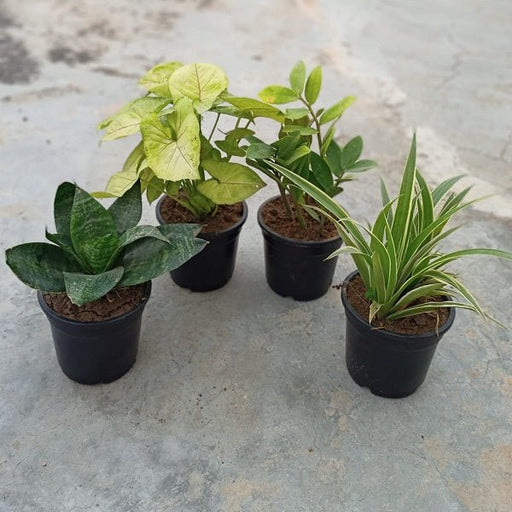
View full detailsSet of 4 Evergreen Air Purifier Plant Pack Transform your indoor space into a lush, green oasis with our Set of 4 Evergreen Air Purifier Pla...
View full detailsTop 5 Pollution Killer Plants Pack Transform your living space into a breath of fresh air with our 'Top 5 Pollution Killer Plants Pack'. This care...
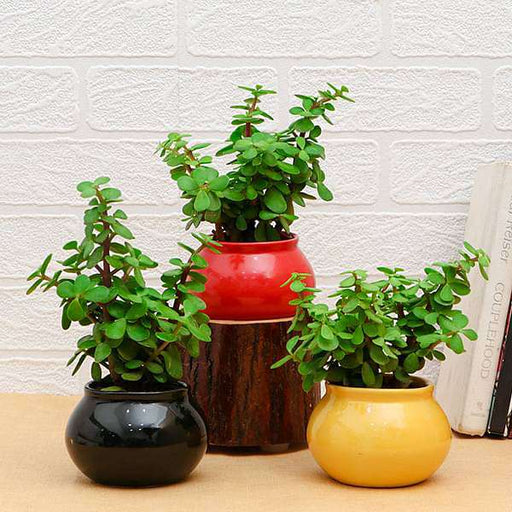
View full detailsPack of 3 Good Luck Jade Plants in Ceramic Pots Bring a touch of nature into your home with our Pack of 3 Good Luck Jade Plants, featuring...
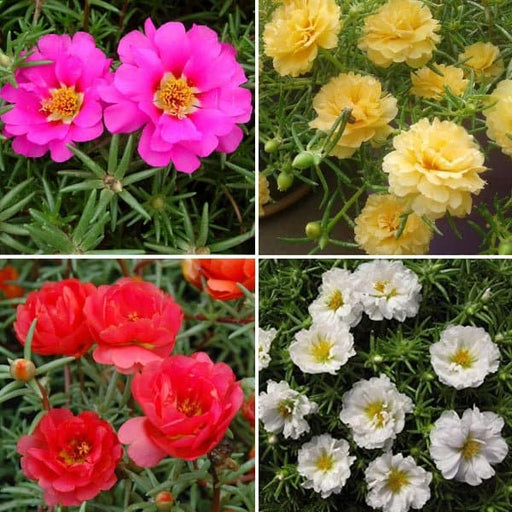
View full detailsPortulaca Garden Pack (4 Plants + 4 Black Pots) Note- You will get any color (Assorted) potted Porulaca plant with this pack. Transform your garde...
View full details






Leave a comment