
Expert Support
Available 24/7 via chat
Available 24/7 via chat
Aglaonema dud anyamanee, commonly known as Aglaonema anyamanee, is a stunning low-light houseplant that deserves a place in every Indian home. With its distinctive pink-tinted foliage and ease of care, this colorful Chinese evergreen variety is perfect for busy gardeners and complete beginners alike. Whether you live in a high-rise apartment with limited natural light or have a cozy balcony garden, this air-purifying plant thrives indoors and requires minimal fussing. In this guide, we'll walk you through everything you need to know to keep your Aglaonema dud anyamanee healthy and beautiful year-round in the Indian climate.
Aglaonema dud anyamanee is a compact ornamental houseplant that belongs to the Araceae family, the same family as the popular Syngonium and Monstera. This variety is prized for its beautiful pink-green foliage, which develops more prominent pink tones in brighter light conditions. Typically, your plant will start at around 12 inches (30 cm) in height and 6 inches (15 cm) in spread, but given proper care, it can reach up to 1.21 meters tall over time, making it a lovely focal point for any room.
This is a slow-growing plant, which means it won't outgrow your space quickly—a quality that makes it ideal for apartments and offices. During the growing season, Aglaonema dud anyamanee produces delicate greenish-white spathes as flowers, though the blooms are seasonal and the real beauty lies in its colorful foliage. Best of all, it's classified as easy to grow, making it perfect for anyone wanting to build their plant parent skills without the stress.
| Care Aspect | Quick Reference |
|---|---|
| Light | Bright, indirect light (no direct sunlight) |
| Water | Medium watering (when top inch of soil is dry) |
| Soil | Well-drained, fertile soil mix |
| Temperature | 16–30°C (optimal for Indian homes) |
Aglaonema dud anyamanee loves bright, indirect light and is one of the most forgiving houseplants when it comes to lower light conditions. This is excellent news for those of us in Indian apartments where direct sunlight exposure is often limited. Place your plant near an east or west-facing window, but ensure it's not in the path of harsh afternoon rays—especially during peak summer months when the sun is intense. If you have a shaded corner or an interior room away from windows, don't worry; this plant will still survive, though growth may be slower and the pink tones in the foliage might be less vibrant. A north-facing window is also suitable, as it provides gentle, consistent light throughout the day.
Pro tip for Indian homes: If your apartment has a bright balcony with direct sunlight, place the pot slightly inside or behind a sheer curtain to diffuse the light. During the harsh summer months (April to June), this protection becomes even more important to prevent leaf scorching.
Water your Aglaonema dud anyamanee moderately—this means watering when the top inch of the soil feels dry to the touch. In the Indian summer (March to September), this might be once or twice weekly depending on heat and humidity. During monsoon, rainfall and high humidity mean your plant needs less water, so allow the soil to dry out slightly more between waterings to prevent root rot, which is a common problem during the monsoon season.
Use room-temperature water and, if possible, let tap water sit for 24 hours before watering, as this helps chlorine evaporate and allows the water to warm up. If your city has very hard water (high mineral content), this brief rest also helps minerals settle slightly. Always empty the saucer underneath the pot after watering—waterlogging is the number one killer of Aglaonema plants. The key is to keep the soil consistently moist but never soggy.
Your Aglaonema dud anyamanee needs well-drained, fertile soil to thrive. Use a high-quality potting mix that combines peat moss or coco peat, perlite or sand for drainage, and some compost or aged manure for fertility. If you prefer to make your own mix, try: 1 part potting soil + 1 part perlite + 1 part aged compost. This ensures water drains quickly while retaining enough moisture for the plant's needs.
Feed your plant with organic fertilizer during the growing season (spring and summer). You can use well-rotted cow manure, neem cake, or a balanced organic liquid fertilizer diluted to half strength. Apply fertilizer once every 3–4 weeks during the growing months. Reduce feeding during monsoon and winter when growth slows significantly. Organic fertilizers are gentler and more suited to long-term plant health than chemical alternatives, plus they improve soil structure over time.
This plant prefers temperatures between 16–30°C, which is perfect for most of India's climate zones. Indian summers can get hotter than 30°C, especially in cities like Delhi, Mumbai, and Bangalore. During these periods, ensure your plant is in a spot with good air circulation and mist the foliage lightly in the morning to cool it down and provide humidity. Aglaonema dud anyamanee appreciates moderate to high humidity, and this is naturally abundant during the Indian monsoon, which your plant will love.
Keep your plant away from air conditioning vents and heaters during winter, as sudden temperature drops and dry air can stress the plant. If you live in a very dry region or have heavy AC use, mist your plant 2–3 times per week or place it on a pebble tray with water to increase humidity around the leaves.
Propagating Aglaonema dud anyamanee is straightforward and rewarding. The easiest method is stem cutting: select a healthy stem with at least 2–3 nodes (the bumpy points where leaves emerge) and cut it just below a node using clean, sharp scissors. You can propagate these cuttings in water or soil.
The best time to propagate is during spring or early summer when the plant is actively growing.
Yellowing Leaves: This usually indicates overwatering or poor drainage. Ensure your pot has drainage holes and reduce watering frequency. Let the soil dry slightly between waterings.
Brown Leaf Tips: Low humidity or underwatering causes this. Mist the foliage regularly, especially during dry months, and water consistently. Hard water minerals can also cause browning, so using filtered or rested water helps.
Pale or Faded Foliage: Your plant isn't getting enough light. Move it closer to a window with bright, indirect light. Pink tones intensify with better light conditions.
Spider Mites and Mealybugs: Indian homes, especially during dry seasons, are prone to these pests. Spray the underside of leaves with water to increase humidity, or use neem oil spray every 2 weeks if infestation occurs.
Ready to grow your own? Shop Aglaonema dud anyamanee at Nurserylive →
Aglaonema dud anyamanee, Aglaonema anyamanee (Green, Pink) - Plant The Aglaonema dud anyamanee, commonly known as the Chinese Evergreen, i...
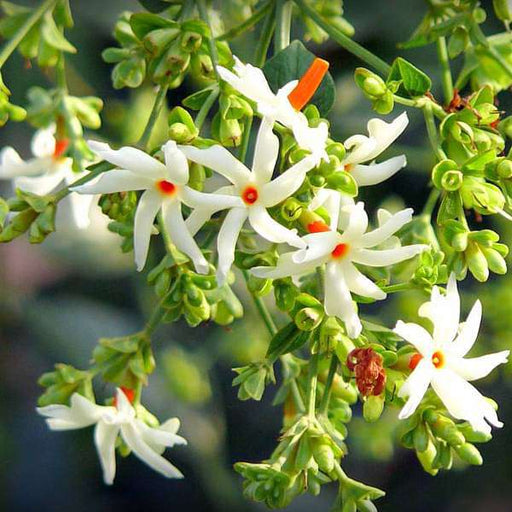
View full detailsCombo Constituents Includes the Parijat Tree (Night-Flowering Jasmine), a culturally significant plant with fragrant flowers. Description The Pari...
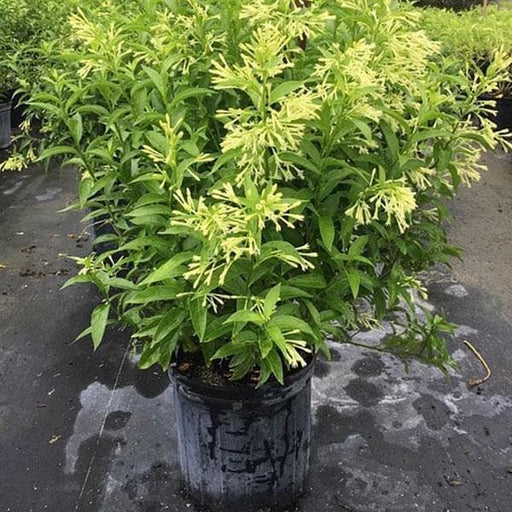
View full detailsDescription Raat Ki Rani (*Cestrum nocturnum*), also known as Night Blooming Jasmine, is a fragrant shrub native to the Caribbean and Central Ameri...
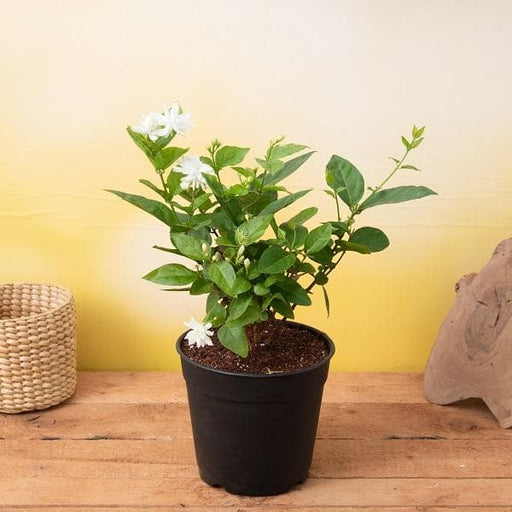
View full detailsJasminum sambac, Mogra, Arabian Jasmine - Plant Jasminum sambac, commonly known as Mogra or Arabian Jasmine, is a fragrant flowering plant...
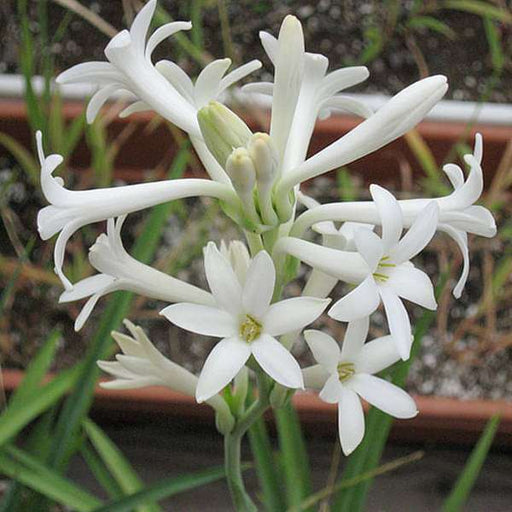
View full detailsRajnigandha, Tuberose - Plant The Rajnigandha, scientifically known as Polianthes tuberosa, is a captivating perennial plant renowned for ...
View full detailsCitronella, Odomas - Plant The Citronella plant, scientifically known as Cymbopogon nardus, is a tropical grass renowned for its aromatic ...
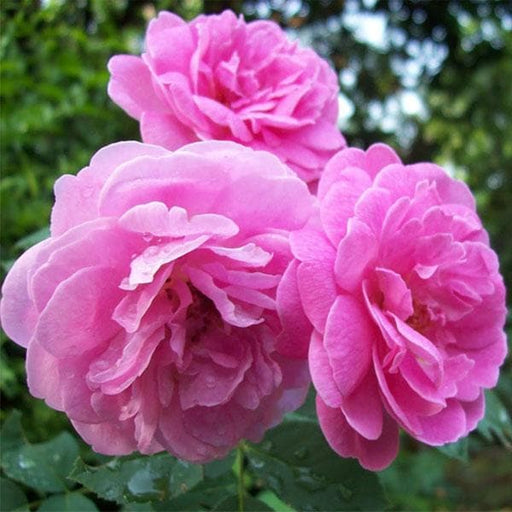
View full detailsDamascus Rose, Scented Rose (Any Color) - Plant The Damascus Rose, also known as Rosa damascena, is a timeless symbol of beauty and romanc...
View full detailsMiniature Rose, Button Rose (Any Color) - Plant The Miniature Rose, also known as the Button Rose, is a charming and compact flowering plant that ...
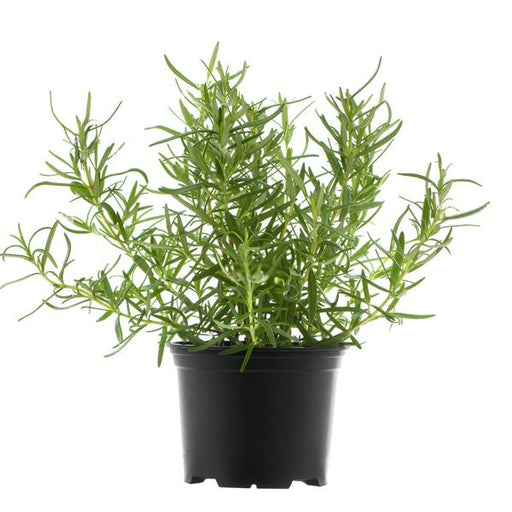
View full detailsRosemary - Plant Rosemary (Rosmarinus officinalis) is a fragrant evergreen herb native to the Mediterranean region. Known for its needle-like leav...
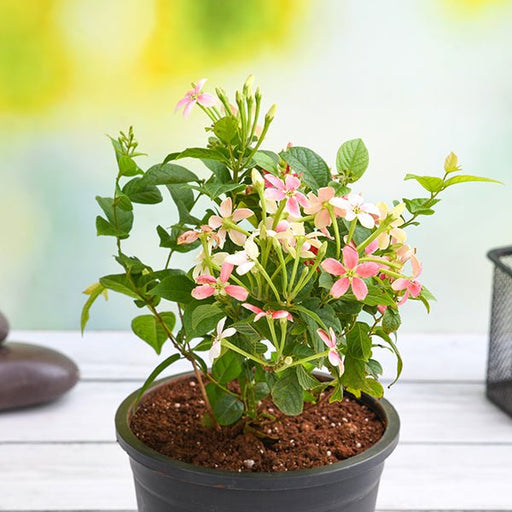
View full detailsMadhumalti Dwarf, Rangoon Creeper - Plant The Madhumalti Dwarf, also known as the Rangoon Creeper (Quisqualis indica), is a stunning perennial vin...
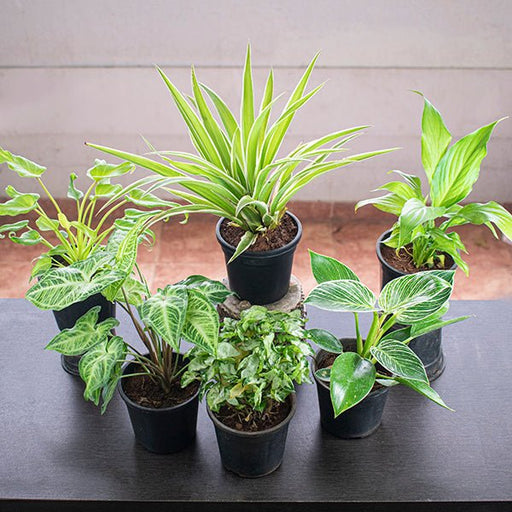
View full detailsBest 6 Plants for Perfect Indoor Garden Transform your living space into a lush oasis with our curated collection of the Best 6 Plants for a...
View full detailsBest 6 Plants for Perfect Indoor Garden Transform your living space into a lush oasis with our curated collection of the Best 6 Plants for a...
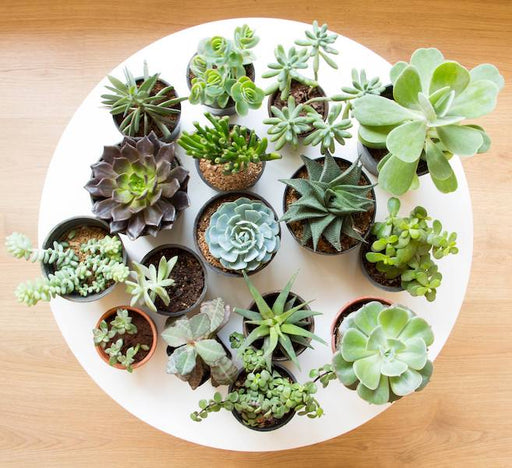
View full detailsMini Succulent Garden Pack Transform your space with our Mini Succulent Garden Pack, featuring a delightful collection of 4 any variety beautiful s...
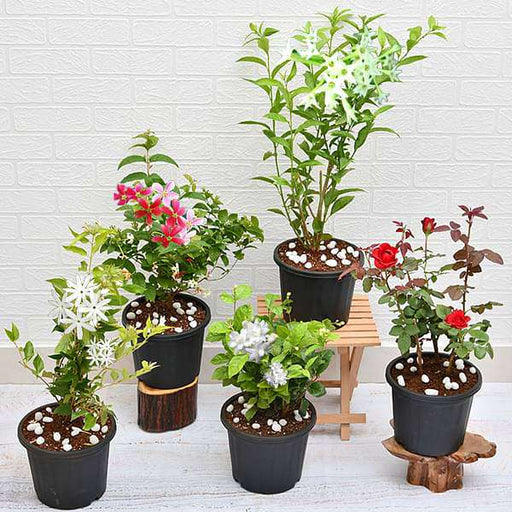
View full details5 Best Fragrant Plants Transform your garden or indoor space into a fragrant paradise with our curated selection of the 5 Best Fragrant Plants. Th...
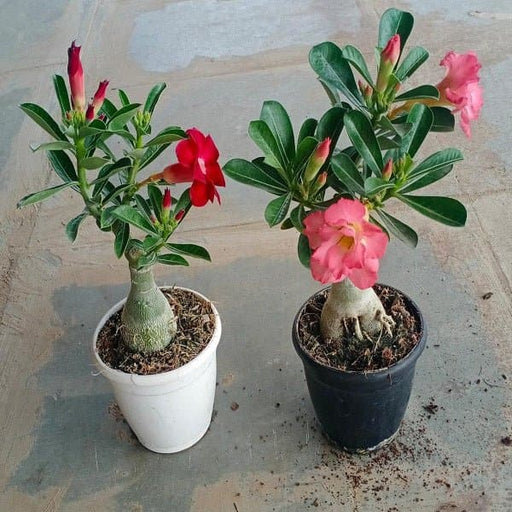
View full detailsSet of 2 Bonsai Looking Grafted Adeniums Transform your indoor or outdoor space with our exquisite Set of 2 Bonsai Looking Grafted Adenium...
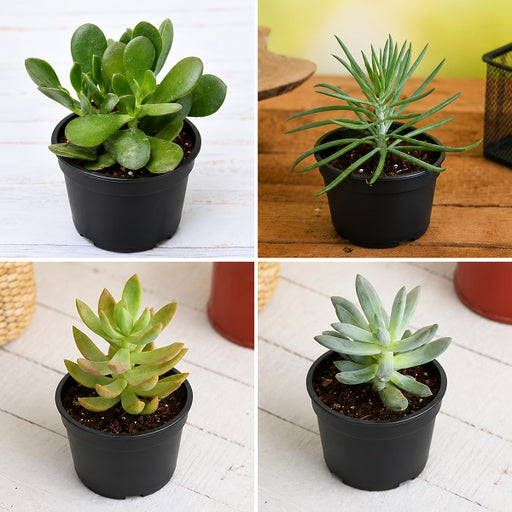
View full detailsTop 4 Die Hard Succulents Pack Note: Plants included in this pack will be delivered in a 3-inch nursery pot (any color). Transform your indoor or ...
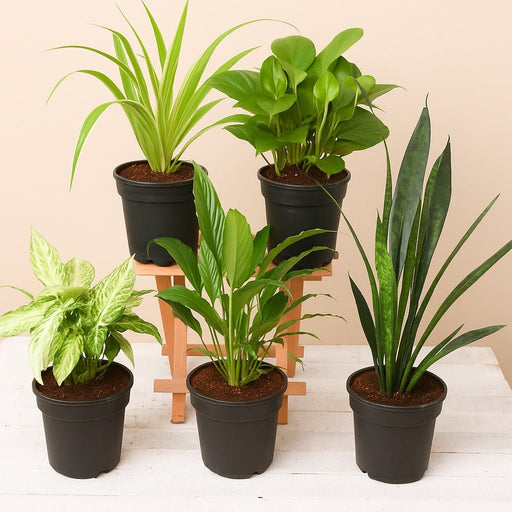
View full details5 Best Indoor Plants Pack Transform your living space into a lush oasis with our '5 Best Indoor Plants Pack.' This carefully curated collection fe...
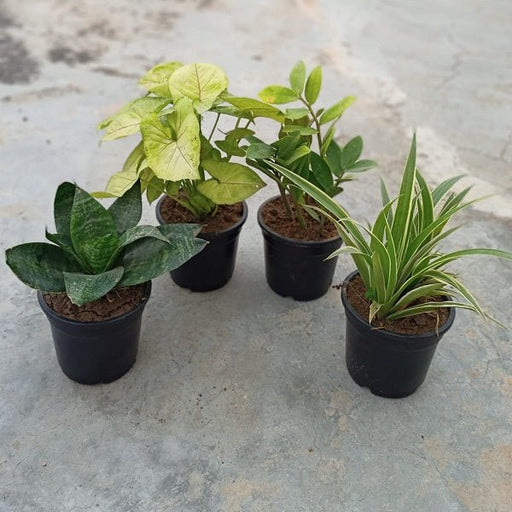
View full detailsSet of 4 Evergreen Air Purifier Plant Pack Transform your indoor space into a lush, green oasis with our Set of 4 Evergreen Air Purifier Pla...
View full detailsTop 5 Pollution Killer Plants Pack Transform your living space into a breath of fresh air with our 'Top 5 Pollution Killer Plants Pack'. This care...
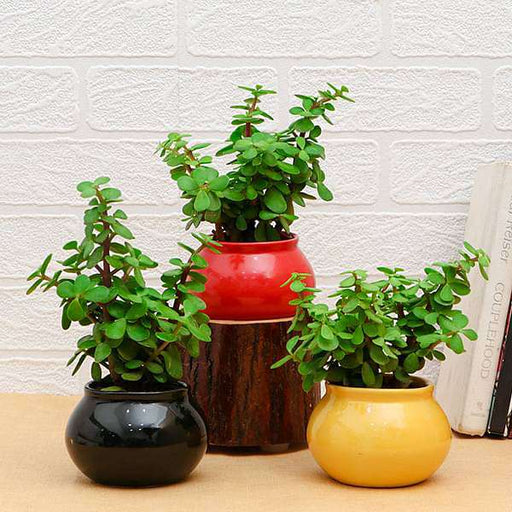
View full detailsPack of 3 Good Luck Jade Plants in Ceramic Pots Bring a touch of nature into your home with our Pack of 3 Good Luck Jade Plants, featuring...
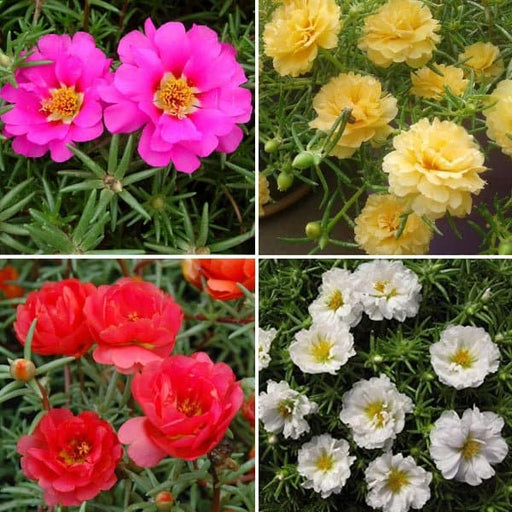
View full detailsPortulaca Garden Pack (4 Plants + 4 Black Pots) Note- You will get any color (Assorted) potted Porulaca plant with this pack. Transform your garde...
View full details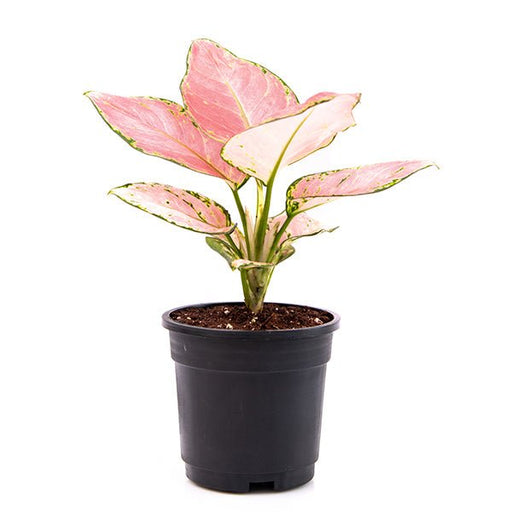





Leave a comment