
Expert Support
Available 24/7 via chat
Available 24/7 via chat
African Marigolds hold a special place in Indian gardens and households. Whether you call them Genda, Zendu, or Zandu, these cheerful annuals are workhorses of the garden—easy to grow, aromatic, and naturally insect-repellent. Their bright blooms in shades of orange, yellow, gold, and maroon flower reliably through spring, summer, and fall, making them perfect for borders, pots, and mass plantings. Best of all, they thrive in India's intense heat and are forgiving of poor soil conditions, making them ideal even for gardeners just starting out.
African Marigolds are hardy annuals known by many regional names across India—Genda, Zendu, Zandu, Banthi Puuvu in South India, Camanti in some regions, Chandu Hoovu in Karnataka, and Ganda elsewhere. Despite the name, these vibrant flowers are perfectly suited to Indian growing conditions and have been beloved in our gardens for generations. A young potted marigold from a nursery typically stands about 12 inches (30 cm) tall with a spread of 6 inches, but given space and warmth, can grow to a substantial 2 to 3 feet in height, creating a stunning display when planted in groups.
What makes African Marigolds especially valuable is their ability to repel common garden pests naturally, reducing your need for chemical sprays. Their pungent aroma keeps many insects at bay while attracting pollinators. Once established, these plants ask very little from you: no fancy fertilizers, no complicated pruning, just sunshine and basic care.
| Aspect | Details |
|---|---|
| Light | At least 6 hours of direct sunlight daily; thrives in full sun |
| Watering | Regular watering for first 10-12 days after transplanting; then drought-tolerant |
| Soil | Well-drained, moderately fertile; grows in almost any soil |
| Temperature | Warm to hot year-round; protect from frost and low temperatures |
African Marigolds are sun-worshippers and need at least 6 hours of direct sunlight every day to flower prolifically. In India's climate, this is rarely a challenge—even during monsoon season, with thoughtful placement, you can find sunny spots. Plant them in the brightest location in your garden or balcony, preferably where they receive unobstructed morning and afternoon sun.
In full sun, marigolds produce dense clusters of blooms. Insufficient light leads to spindly, leggy growth, fewer flowers, and greater susceptibility to fungal issues during the humid monsoon months. If growing in pots, place them where they receive maximum direct sunlight, moving them if necessary during different seasons. Even 5-6 hours of morning sun works well; afternoon shade in extreme peak summer (May-June) can actually help extend flowering.
African Marigolds are moderately water-needy during establishment but become drought-tolerant once rooted. After transplanting young plants into your garden or large pot, water consistently for the first 10 to 12 days to help them settle and develop a strong root system. Water at the soil level, not on the foliage, to prevent fungal problems.
Once established after 2-3 weeks, marigolds tolerate periods of dryness well. During India's hot season, water when the top inch of soil feels dry. During monsoon, reduce frequency significantly—overwatering in humid conditions is the leading cause of root rot and fungal diseases. In winter, water sparingly. A good principle: it is better to underwater than overwater marigolds. They have adapted to thrive in dry conditions.
One of marigolds' greatest strengths is their ability to thrive in poor soil. A common mistake among new gardeners is enriching the soil with compost or fertilizer, thinking it will boost flowers. In fact, excessive fertility causes the opposite: lush green foliage with very few blooms. Marigolds evolved in nutrient-poor conditions and perform best when fertilizer is avoided altogether.
Use a well-drained, moderately fertile soil mix. If your garden soil is heavy clay, mix in sand or perlite to improve drainage. A simple potting mix of soil and coarse sand in equal parts works perfectly. In pots, ensure drainage holes are clear—waterlogging is the main killer. If your area has hard water (common in many Indian cities), this shouldn't affect marigolds significantly, though occasional flushing with soft water can help prevent salt buildup in potted plants over time.
African Marigolds do best in warm to hot weather year-round and are extremely heat-tolerant—often thriving when other flowers wilt. They dislike cold and must be protected from frost and low temperatures. In India's northern plains, where winter temperatures can dip near freezing, grow marigolds as a spring-to-fall crop, planting after the last frost (typically February-March) and removing plants before frost returns (November-December).
High humidity, particularly during the monsoon, increases the risk of powdery mildew and root diseases. Ensure good air circulation by spacing plants adequately (at least 12 inches apart) and deadheading spent flowers regularly. In very humid conditions, water in early morning rather than evening so foliage dries quickly in the sun.
African Marigolds are most easily started from seed, which germinates readily in warm soil. Sow seeds in seed trays or small pots filled with moist seed-raising mix. They typically germinate within 5-10 days in warm conditions (65-75°F, easy in Indian spring). Once seedlings develop 2-3 true leaves, transplant into individual small pots. Harden off seedlings by gradually exposing them to outdoor conditions over 7-10 days before transplanting into the garden.
Seeds can also be sown directly into garden beds, though this is less reliable in monsoon season due to dampness-related fungal issues. Nurseries sell ready-to-plant marigold seedlings, which is convenient for those without seed-starting setup. Saving seeds from your healthiest plants at the end of season gives you free seeds for next year.
Powdery Mildew: Appears as a white coating on leaves, especially in humid conditions or poor air circulation. Prevent by spacing plants well and avoiding overhead watering. If it occurs, remove affected leaves and improve ventilation.
Root Rot: Caused by overwatering or waterlogged soil, particularly during monsoon. Always plant in well-drained soil and water only when soil is dry to the touch. Once root rot sets in, the plant is usually lost, so prevention through proper watering is key.
Yellowing Leaves: Often indicates overwatering or poor drainage. Check soil drainage first; if drainage is fine and you've been overwatering, simply improve watering practices. Yellowing from nutrient deficiency is rare in marigolds.
Few or No Flowers: Caused by too little sunlight or over-fertilizing. Ensure at least 6 hours of direct sun daily and resist the urge to feed these low-demand plants. Pinch back young plants when 4-6 inches tall to encourage bushier, more flower-laden growth.
Ready to grow your own? Shop African Marigold at Nurserylive →
African Marigold (Orange) - Plant The African Marigold (Tagetes erecta), known for its vibrant orange blooms, is a stunning addition to an...
View full detailsCombo Constituents Includes the Parijat Tree (Night-Flowering Jasmine), a culturally significant plant with fragrant flowers. Description The Pari...
View full detailsDescription Raat Ki Rani (*Cestrum nocturnum*), also known as Night Blooming Jasmine, is a fragrant shrub native to the Caribbean and Central Ameri...
View full detailsJasminum sambac, Mogra, Arabian Jasmine - Plant Jasminum sambac, commonly known as Mogra or Arabian Jasmine, is a fragrant flowering plant...
View full detailsRajnigandha, Tuberose - Plant The Rajnigandha, scientifically known as Polianthes tuberosa, is a captivating perennial plant renowned for ...
View full detailsCitronella, Odomas - Plant The Citronella plant, scientifically known as Cymbopogon nardus, is a tropical grass renowned for its aromatic ...
View full detailsDamascus Rose, Scented Rose (Any Color) - Plant The Damascus Rose, also known as Rosa damascena, is a timeless symbol of beauty and romanc...
View full detailsMiniature Rose, Button Rose (Any Color) - Plant The Miniature Rose, also known as the Button Rose, is a charming and compact flowering plant that ...
View full detailsRosemary - Plant Rosemary (Rosmarinus officinalis) is a fragrant evergreen herb native to the Mediterranean region. Known for its needle-like leav...
View full detailsMadhumalti Dwarf, Rangoon Creeper - Plant The Madhumalti Dwarf, also known as the Rangoon Creeper (Quisqualis indica), is a stunning perennial vin...
View full detailsBest 6 Plants for Perfect Indoor Garden Transform your living space into a lush oasis with our curated collection of the Best 6 Plants for a...
View full detailsBest 6 Plants for Perfect Indoor Garden Transform your living space into a lush oasis with our curated collection of the Best 6 Plants for a...
View full detailsMini Succulent Garden Pack Transform your space with our Mini Succulent Garden Pack, featuring a delightful collection of 4 any variety beautiful s...
View full details5 Best Fragrant Plants Transform your garden or indoor space into a fragrant paradise with our curated selection of the 5 Best Fragrant Plants. Th...
View full detailsSet of 2 Bonsai Looking Grafted Adeniums Transform your indoor or outdoor space with our exquisite Set of 2 Bonsai Looking Grafted Adenium...
View full detailsTop 4 Die Hard Succulents Pack Note: Plants included in this pack will be delivered in a 3-inch nursery pot (any color). Transform your indoor or ...
View full details5 Best Indoor Plants Pack Transform your living space into a lush oasis with our '5 Best Indoor Plants Pack.' This carefully curated collection fe...
View full detailsSet of 4 Evergreen Air Purifier Plant Pack Transform your indoor space into a lush, green oasis with our Set of 4 Evergreen Air Purifier Pla...
View full detailsTop 5 Pollution Killer Plants Pack Transform your living space into a breath of fresh air with our 'Top 5 Pollution Killer Plants Pack'. This care...
View full detailsPack of 3 Good Luck Jade Plants in Ceramic Pots Bring a touch of nature into your home with our Pack of 3 Good Luck Jade Plants, featuring...
View full detailsPortulaca Garden Pack (4 Plants + 4 Black Pots) Note- You will get any color (Assorted) potted Porulaca plant with this pack. Transform your garde...
View full details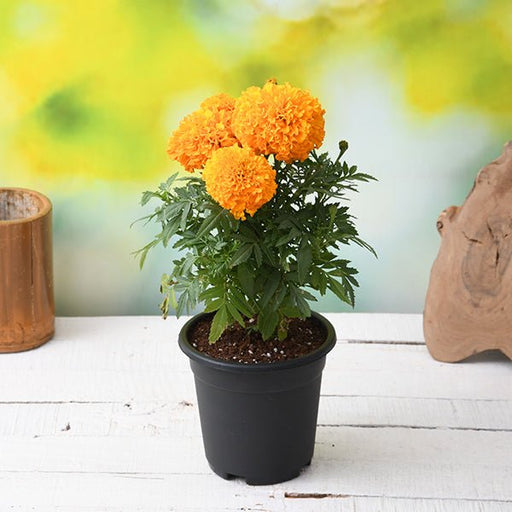























Leave a comment