
Expert Support
Available 24/7 via chat
Available 24/7 via chat
If you're looking for a show-stopping summer bloomer that laughs in the face of India's scorching heat, Adenium—the grafted Desert Rose—is your answer. These exceptional plants produce masses of vibrant flowers and are incredibly easy to grow, making them perfect for terraces and balconies across the country. The grafted varieties offered at Nurserylive are specially cultivated to bloom quickly and reliably, even in their first year. With straightforward care and the right conditions, your Adenium can grow into a stunning specimen reaching 1–3 meters, adorned with flowers in colors ranging from deep red to soft pink and pristine white.
The Adenium, commonly known as Desert Rose, is a succulent shrub native to arid regions of Africa and the Arabian Peninsula. In India, it has become a beloved choice for gardeners seeking a plant that combines dramatic flowers with minimal fussiness. The grafted varieties are superior to seed-grown plants because they mature faster and bloom more reliably from a younger age. These plants naturally enter dormancy during winter, conserving energy before bursting into bloom during the warm summer months. A grafted Adenium with an initial spread of 7 inches can develop into a multi-stemmed plant reaching 1–3 meters in height, depending on care and growing conditions.
| Care Factor | Requirements |
|---|---|
| Light | Natural bright light with 3–6 hours morning sunlight daily |
| Water | 3 cups (~150 ml) when topsoil (3–4 inches) feels dry to touch |
| Soil | Well-drained, fertile soil rich in organic content |
| Temperature | 18–37°C (optimal range for growth and flowering) |
Adeniums are sun worshippers and absolutely thrive in bright, direct light. For best results, place your plant where it receives natural bright light throughout the day, with at least 3–6 hours of morning sunlight. Morning light is particularly important because it's gentle and encourages robust growth without the risk of scorching that intense afternoon heat can sometimes bring. In India's intense summer, this is rarely a problem—the extra light simply accelerates blooming. If your Adenium is on a north-facing balcony or in partial shade, it will still grow but may produce fewer flowers. Terrace placements are ideal, as they receive unobstructed sunlight and benefit from good air circulation. If you notice your plant becoming leggy or producing smaller leaves, it's a sign that light levels need improvement.
Adeniums are remarkably drought-tolerant, and overwatering is the quickest way to damage them. The golden rule is simple: water only when the topsoil—roughly the top 3–4 inches—feels completely dry to the touch. For most Adeniums in India, this means applying about 3 cups of water (approximately 150 ml per watering) at each interval, typically every 5–7 days during the growing season. In the monsoon, reduce watering frequency significantly; the ambient moisture and rainfall naturally hydrate the plant. During winter dormancy (November–February), water only occasionally, perhaps once every 2–3 weeks. Always ensure pots have drainage holes; standing water will quickly cause root rot. If your area has hard water, the salts can accumulate in the soil over time. Occasionally flush the pot with extra water to leach these salts away.
Well-draining soil is non-negotiable for Adeniums. The ideal medium is fertile soil rich in organic content that drains quickly yet retains enough moisture for the plant's shallow roots. A mix of equal parts potting soil, coarse sand, and composted bark or perlite works beautifully. The high drainage content prevents the waterlogging that these succulents despise. During the growing season (April–September), apply organic fertilizer once a month. This steady feeding supports flowering without promoting excess vegetative growth. Use a balanced organic fertilizer or one formulated for flowering plants. Avoid high-nitrogen fertilizers, which encourage leaves at the expense of blooms. Compost or well-rotted manure mixed into the top layer of soil is excellent; it improves soil structure while providing slow-release nutrients.
Adeniums thrive across India's temperature range of 18–37°C. They genuinely love heat and bloom most prolifically during India's hot summer months (April–June). Winter temperatures above 10°C are safe; prolonged exposure to temperatures below 10°C stresses the plant and can trigger dormancy even when you'd prefer active growth. Humidity is generally not a concern for Adeniums—they prefer dry conditions and actually develop stronger growth in lower humidity. In the humid monsoon, ensure excellent air circulation to prevent fungal issues. Avoid placing them in corners or against walls where air is stagnant. If humidity becomes excessive, a small fan nearby helps considerably.
While Adeniums can be grown from seed, the grafted varieties available at Nurserylive are the superior choice for most gardeners because they mature faster and bloom sooner. If you wish to propagate your established plant, stem cuttings work reasonably well. Take 4–6 inch semi-hardwood cuttings from healthy stems, allow them to callus dry for 1–2 days, then place them in sandy, well-draining soil. Keep the soil lightly moist and warm (25–30°C). Rooting typically occurs within 3–4 weeks. However, starting with a grafted specimen from Nurserylive is far simpler and yields blooms much faster than cuttings or seed.
Adeniums are remarkably resilient, but a few issues can arise. Overwatering is the most common culprit, leading to root rot and a wilting, soft plant. If this happens, stop watering immediately, repot into fresh dry soil, and place in bright, warm conditions. Spider mites can infest Adeniums in hot, dry conditions; spray affected plants with a strong spray of water or use a mild organic insecticide. Scale insects and mealybugs occasionally appear; remove them by hand or treat with organic neem oil. Leaf drop during winter is normal as the plant enters dormancy. Yellow leaves in summer often signal overwatering or poor drainage.
Repot your Adenium every 2–3 years in spring, just before active growth resumes. Pruning isn't necessary, but you can shape the plant by removing weak or crossing branches. Adeniums make excellent specimen plants for outdoor collections and often attract admiring attention when in bloom. Their grafted nature means faster maturity and flowers within months, not years. In India's heat, they are virtually maintenance-free once established. Consider placing them near walls or structures that absorb and radiate heat, further encouraging blooming. With its exceptional drought tolerance and stunning summer display, the Adenium truly deserves its reputation as one of India's easiest and most rewarding flowering plants.
Ready to grow your own? Shop Adenium at Nurserylive →
Adenium Plant, Desert Rose (Grafted, Any Color) The Adenium, commonly known as the Desert Rose, is a stunning succulent that captivates wi...
View full detailsCombo Constituents Includes the Parijat Tree (Night-Flowering Jasmine), a culturally significant plant with fragrant flowers. Description The Pari...
View full detailsDescription Raat Ki Rani (*Cestrum nocturnum*), also known as Night Blooming Jasmine, is a fragrant shrub native to the Caribbean and Central Ameri...
View full detailsJasminum sambac, Mogra, Arabian Jasmine - Plant Jasminum sambac, commonly known as Mogra or Arabian Jasmine, is a fragrant flowering plant...
View full detailsRajnigandha, Tuberose - Plant The Rajnigandha, scientifically known as Polianthes tuberosa, is a captivating perennial plant renowned for ...
View full detailsCitronella, Odomas - Plant The Citronella plant, scientifically known as Cymbopogon nardus, is a tropical grass renowned for its aromatic ...
View full detailsDamascus Rose, Scented Rose (Any Color) - Plant The Damascus Rose, also known as Rosa damascena, is a timeless symbol of beauty and romanc...
View full detailsMiniature Rose, Button Rose (Any Color) - Plant The Miniature Rose, also known as the Button Rose, is a charming and compact flowering plant that ...
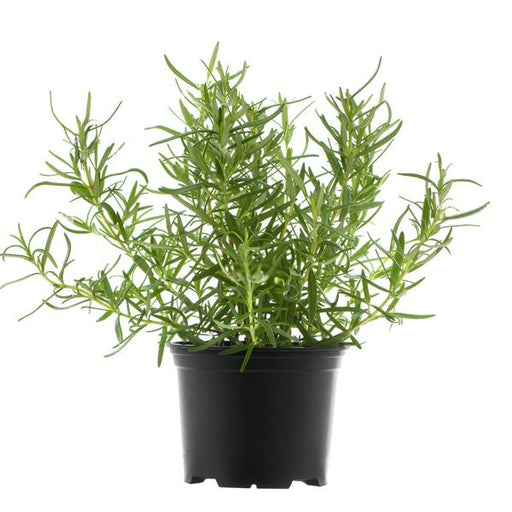
View full detailsRosemary - Plant Rosemary (Rosmarinus officinalis) is a fragrant evergreen herb native to the Mediterranean region. Known for its needle-like leav...
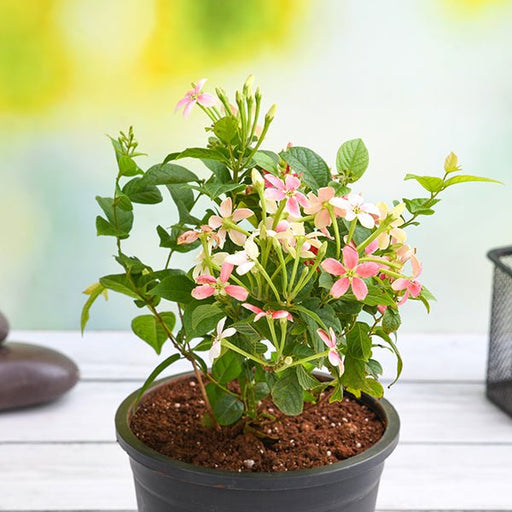
View full detailsMadhumalti Dwarf, Rangoon Creeper - Plant The Madhumalti Dwarf, also known as the Rangoon Creeper (Quisqualis indica), is a stunning perennial vin...
View full detailsBest 6 Plants for Perfect Indoor Garden Transform your living space into a lush oasis with our curated collection of the Best 6 Plants for a...
View full detailsBest 6 Plants for Perfect Indoor Garden Transform your living space into a lush oasis with our curated collection of the Best 6 Plants for a...
View full detailsMini Succulent Garden Pack Transform your space with our Mini Succulent Garden Pack, featuring a delightful collection of 4 any variety beautiful s...
View full details5 Best Fragrant Plants Transform your garden or indoor space into a fragrant paradise with our curated selection of the 5 Best Fragrant Plants. Th...
View full detailsSet of 2 Bonsai Looking Grafted Adeniums Transform your indoor or outdoor space with our exquisite Set of 2 Bonsai Looking Grafted Adenium...
View full detailsTop 4 Die Hard Succulents Pack Note: Plants included in this pack will be delivered in a 3-inch nursery pot (any color). Transform your indoor or ...
View full details5 Best Indoor Plants Pack Transform your living space into a lush oasis with our '5 Best Indoor Plants Pack.' This carefully curated collection fe...
View full detailsSet of 4 Evergreen Air Purifier Plant Pack Transform your indoor space into a lush, green oasis with our Set of 4 Evergreen Air Purifier Pla...
View full detailsTop 5 Pollution Killer Plants Pack Transform your living space into a breath of fresh air with our 'Top 5 Pollution Killer Plants Pack'. This care...
View full detailsPack of 3 Good Luck Jade Plants in Ceramic Pots Bring a touch of nature into your home with our Pack of 3 Good Luck Jade Plants, featuring...
View full detailsPortulaca Garden Pack (4 Plants + 4 Black Pots) Note- You will get any color (Assorted) potted Porulaca plant with this pack. Transform your garde...
View full details




















Leave a comment