
Expert Support
Available 24/7 via chat
Available 24/7 via chat

We’ve all been there—looking at a plant that seems to have given up on life. Don’t worry, though! It's not the end just yet. 🌱 Even the most resilient plants can face a few rough patches, and with some TLC, they can bounce back stronger than ever!
If you’ve stumbled across this post, chances are you have a plant that needs a little help. Let’s take a deep breath, assess the situation, and start the revival process. 🌿
Whether it’s overwatering, underwatering, insufficient sunlight, pests, or nutrient deficiencies, most plant problems can be solved with timely intervention. The key is recognizing the signs early and making small changes to help your plant heal.
In this guide, we'll show you how to identify the issue and offer practical steps to revive your dying plant. From detecting signs of life to fixing common plant mistakes, we’ve got you covered! 🌸
1. Check If Your Plant Is Really Dead
Before you declare your plant deceased, take a closer look. Sometimes, what seems like a lost cause may just need a little more care. Look for signs of life in the roots and stems. Are they still green? Are the leaves flexible and firm? If the plant still has green leaves and flexible stems, there’s hope! 🌿
If the roots are mushy or the stems are brittle, it’s a different story, but don’t give up just yet. Plants can often surprise us, and sometimes all they need is a little patience and the right care to revive them. 🌼
2. Remove Dead Foliage
Once you’ve confirmed that your plant still has some life in it, the next step is to prune away any dead or dying foliage. 🪴 By removing these dead parts, you’re allowing the plant to focus its energy on the healthy parts.
Start by trimming off any dried or damaged leaves, and if the stems are completely dead, trim them back as well. Leave about 5 cm of stem above the soil to encourage new growth. ✂️
3. Check for Overwatering
Overwatering is one of the most common causes of plant stress. 🌧️ If you’ve been overwatering your plant, the leaves might turn yellow or brown, and the roots could start to rot.
To fix this, carefully remove your plant from its pot and check the roots. If the roots are soggy or have a rotten smell, cut off the affected parts. Allow the plant to dry out and repot it with fresh, dry soil. Remember, always make sure your plant’s pot has proper drainage. 🌿
4. Check If Your Plant Is Thirsty
On the flip side, underwatering is just as harmful as overwatering. 🏜️ If your plant looks wilted, and the soil is dry and cracked, it may be thirsty. To revive an underwatered plant, simply water it generously. For severely dry plants, consider soaking the pot in water for a few hours to allow the soil to rehydrate. 🌱
Once hydrated, continue watering regularly to keep the soil moist but not soggy. Make sure the plant is in a well-drained pot to avoid waterlogging. 💧
5. Adjust Light Exposure
Light is a crucial factor in your plant’s health. 🌞 If your plant hasn’t been receiving enough sunlight, its growth may slow down, and the leaves may turn pale or yellow. On the other hand, too much direct sunlight can scorch the leaves. ☀️
Find a spot that provides the right amount of light for your plant’s needs. Some plants thrive in bright, indirect light, while others need full sun. If you’re unsure, research your plant’s light requirements to ensure it gets the proper exposure. 🌿
6. Increase Humidity
Some plants, especially tropical ones, need higher humidity levels to thrive. 🌴 If your plant’s leaves are browning at the edges or wilting, it could be a sign that the air is too dry. Try increasing the humidity by misting your plant, using a humidity tray, or placing it in a more humid location like a bathroom. 🌿
Plants like ferns, orchids, and certain palms are particularly sensitive to low humidity levels. If you’re in a dry climate, it’s important to regularly monitor the humidity and adjust accordingly. 💧
7. Provide Extra Nutrients
A plant that’s lacking nutrients may show signs of weak growth, discolored leaves, or stunted development. 🌱 To restore your plant’s health, feed it with a balanced fertilizer, especially during the growing season (spring and summer).
Organic liquid fertilizers or slow-release pellets can help replenish essential nutrients. 🌿
Make sure to follow the recommended guidelines for your specific plant. Over-fertilizing can be just as harmful as under-fertilizing. 🌸
8. Repotting: The Fresh Start Your Plant Needs
If your plant has outgrown its pot, it might be time for a repotting. 🪴 Roots that are cramped in a small pot may struggle to absorb nutrients and water. Gently remove the plant from its pot and inspect the roots.
If they’re tightly packed or growing in circles, it’s time to move your plant to a larger container. 🏺
Choose a pot that’s 1-2 inches larger in diameter and fill it with fresh, well-draining soil. Repotting can give your plant a new lease on life, providing it with the space and resources it needs to thrive. 🌱
9. Use Filtered Water
Plants can be sensitive to the chemicals in tap water, such as chlorine and fluoride. 💦 If your plant is showing signs of stress, consider using filtered water or even rainwater for a healthier alternative. This can help prevent build-up in the soil and improve the overall health of your plant. 🌧️
10. Keep an Eye on Pests and Diseases
Sometimes, pests and diseases are the culprits behind a plant’s poor health. 🐛 Look for signs of pests, such as discolored leaves, holes in the foliage, or sticky residue.
If you spot bugs, treat your plant with an insecticidal soap or natural pest control methods. For fungal or bacterial infections, use a fungicide or seek expert advice. 🌿
11. Change the Soil
Soil can become compacted or depleted of nutrients over time. 🌱 If your plant is struggling to grow, it may need fresh soil. Gently remove the plant from its pot, discard the old soil, and replace it with a nutrient-rich mix. This will ensure that your plant has the resources it needs to recover. 🏡
When choosing new soil, opt for a mix that suits your plant’s needs. Cactus and succulents need well-draining soil, while tropical plants prefer rich, moisture-retentive soil. 🪴
12. Be Patient and Reassess After a Month
Don’t expect immediate results! 🌸 It can take several weeks for your plant to bounce back after being revived. Be patient and continue to care for it regularly. After about a month, reassess your plant's progress. You may see new growth or a shift in its overall health. 🏡
13. Compost It If All Else Fails
If, after all your efforts, the plant still hasn’t revived, it might be time to let go. 🌿 However, instead of discarding it, consider composting the remains. Composting is a great way to recycle plant matter and create nutrient-rich soil for future gardening projects. 🌍
Remember, plants are resilient, and even if one doesn’t survive, there’s always the opportunity to learn and try again. 🌱 With the right care, your plants can thrive and bring beauty to your home. Don’t be afraid to experiment and discover what works best for each of your green companions! 🌻
Achimenes (Mix Colors) - Bulbs (Set of 10) Discover the enchanting beauty of Achimenes, also known as the "Cupid's Bower," with this vibra...
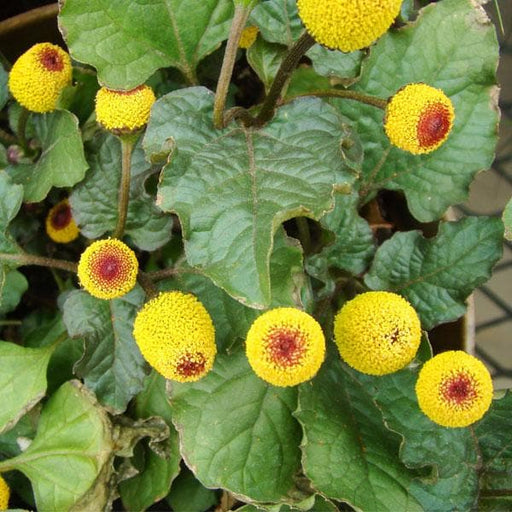
View full detailsAcmella Oleracea - Toothache Plant (Akarkara) Acmella Oleracea, commonly known as the Toothache Plant or Akarkara, is a perennial herb nat...
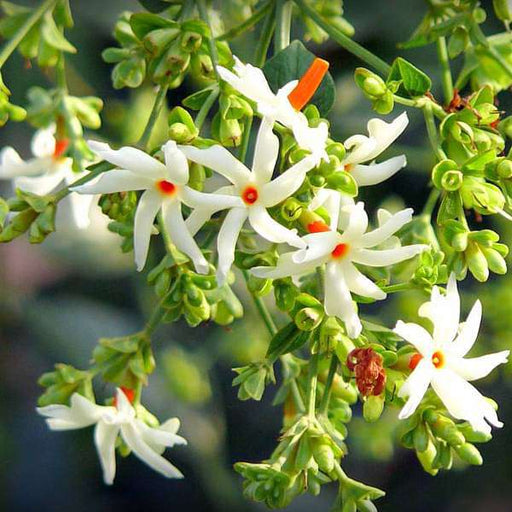
View full detailsCombo Constituents Includes the Parijat Tree (Night-Flowering Jasmine), a culturally significant plant with fragrant flowers. Description The Pari...
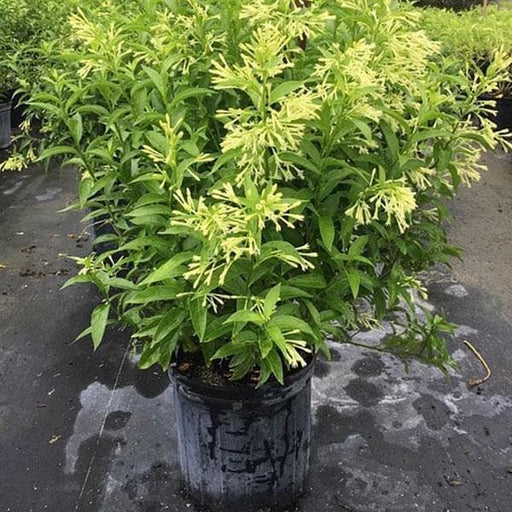
View full detailsDescription Raat Ki Rani (*Cestrum nocturnum*), also known as Night Blooming Jasmine, is a fragrant shrub native to the Caribbean and Central Ameri...
View full detailsJasminum sambac, Mogra, Arabian Jasmine - Plant Jasminum sambac, commonly known as Mogra or Arabian Jasmine, is a fragrant flowering plant...
View full detailsRajnigandha, Tuberose - Plant The Rajnigandha, scientifically known as Polianthes tuberosa, is a captivating perennial plant renowned for ...
View full detailsCitronella, Odomas - Plant The Citronella plant, scientifically known as Cymbopogon nardus, is a tropical grass renowned for its aromatic ...
View full detailsDamascus Rose, Scented Rose (Any Color) - Plant The Damascus Rose, also known as Rosa damascena, is a timeless symbol of beauty and romanc...
View full detailsMiniature Rose, Button Rose (Any Color) - Plant The Miniature Rose, also known as the Button Rose, is a charming and compact flowering plant that ...
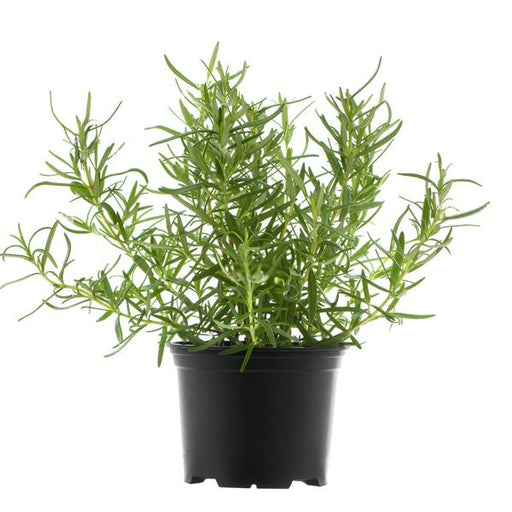
View full detailsRosemary - Plant Rosemary (Rosmarinus officinalis) is a fragrant evergreen herb native to the Mediterranean region. Known for its needle-like leav...
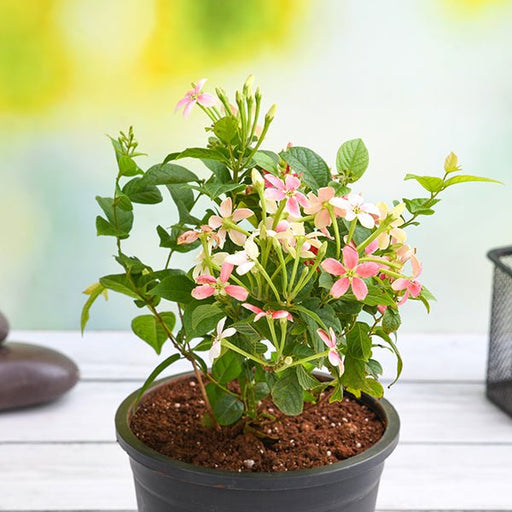
View full detailsMadhumalti Dwarf, Rangoon Creeper - Plant The Madhumalti Dwarf, also known as the Rangoon Creeper (Quisqualis indica), is a stunning perennial vin...
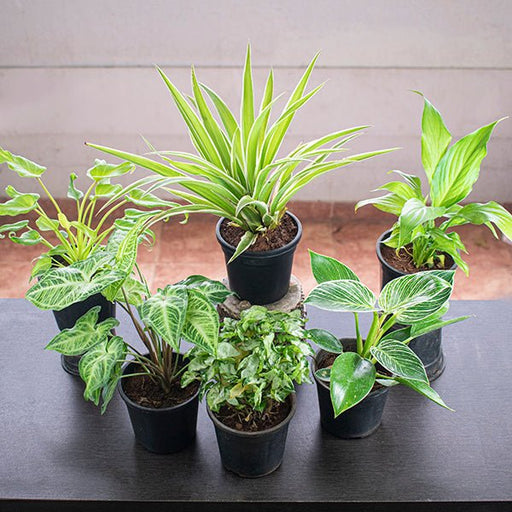
View full detailsBest 6 Plants for Perfect Indoor Garden Transform your living space into a lush oasis with our curated collection of the Best 6 Plants for a...
View full detailsBest 6 Plants for Perfect Indoor Garden Transform your living space into a lush oasis with our curated collection of the Best 6 Plants for a...
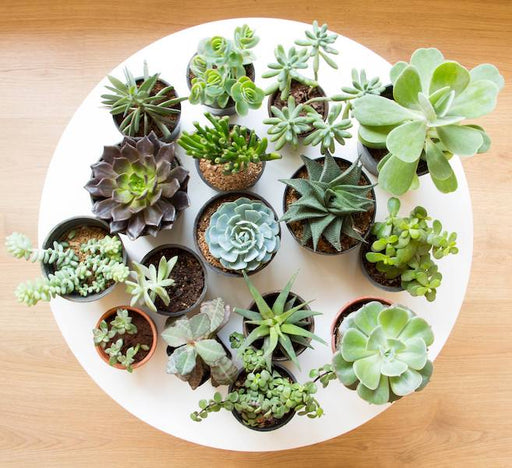
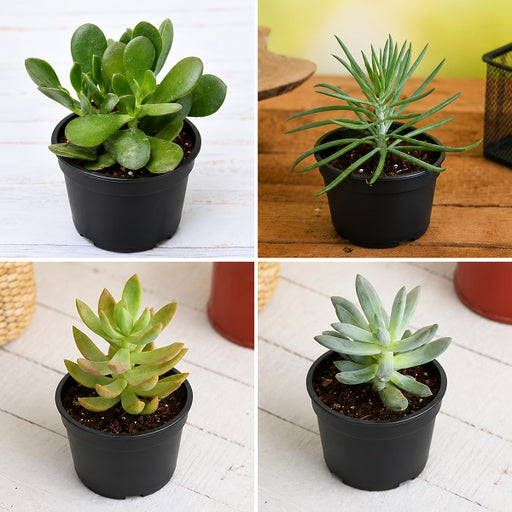
View full detailsMini Succulent Garden Pack Transform your space with our Mini Succulent Garden Pack, featuring a delightful collection of 4 any variety beautiful s...
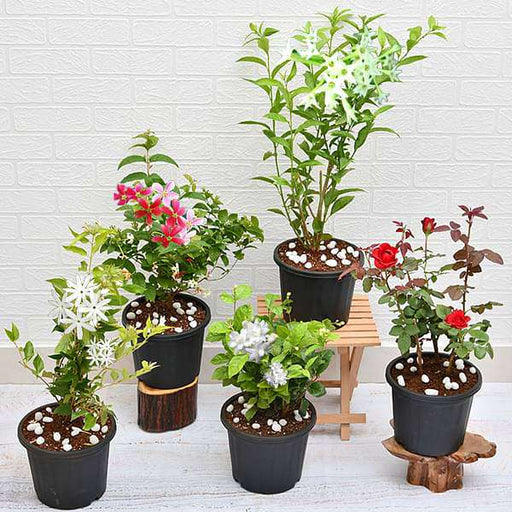
View full details5 Best Fragrant Plants Transform your garden or indoor space into a fragrant paradise with our curated selection of the 5 Best Fragrant Plants. Th...
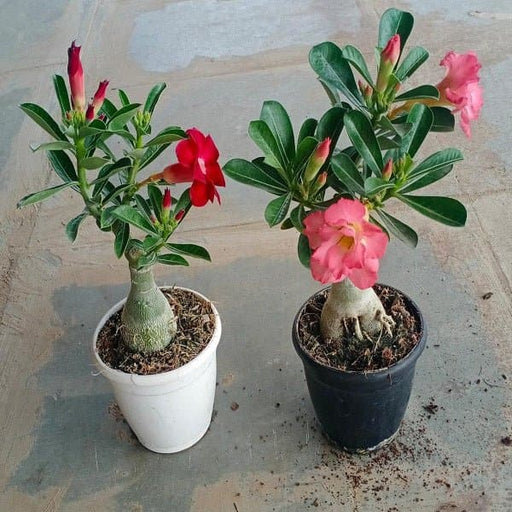
View full detailsSet of 2 Bonsai Looking Grafted Adeniums Transform your indoor or outdoor space with our exquisite Set of 2 Bonsai Looking Grafted Adenium...
View full detailsTop 4 Die Hard Succulents Pack Note: Plants included in this pack will be delivered in a 3-inch nursery pot (any color). Transform your indoor or ...
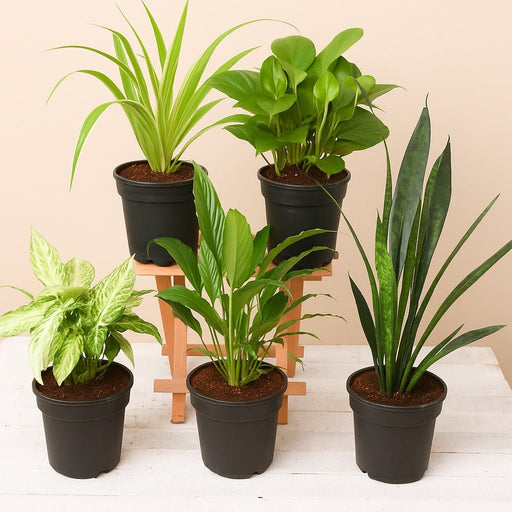
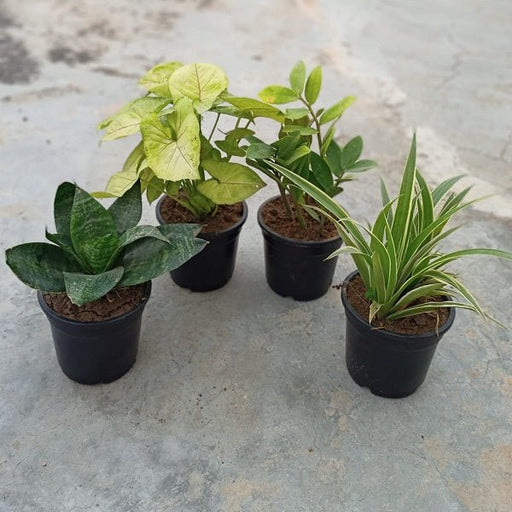
View full details5 Best Indoor Plants Pack Transform your living space into a lush oasis with our '5 Best Indoor Plants Pack.' This carefully curated collection fe...
View full detailsSet of 4 Evergreen Air Purifier Plant Pack Transform your indoor space into a lush, green oasis with our Set of 4 Evergreen Air Purifier Pla...
View full detailsTop 5 Pollution Killer Plants Pack Transform your living space into a breath of fresh air with our 'Top 5 Pollution Killer Plants Pack'. This care...
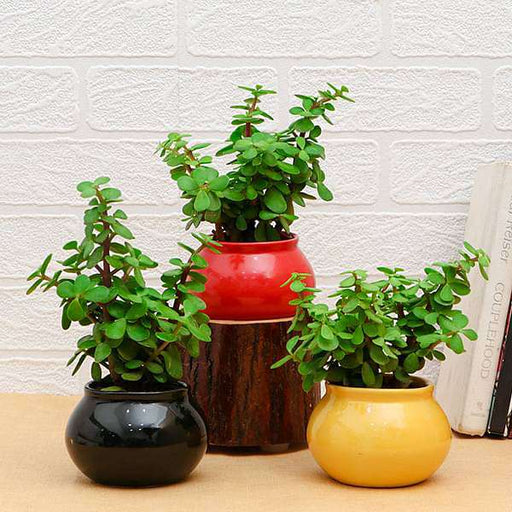
View full detailsPack of 3 Good Luck Jade Plants in Ceramic Pots Bring a touch of nature into your home with our Pack of 3 Good Luck Jade Plants, featuring...
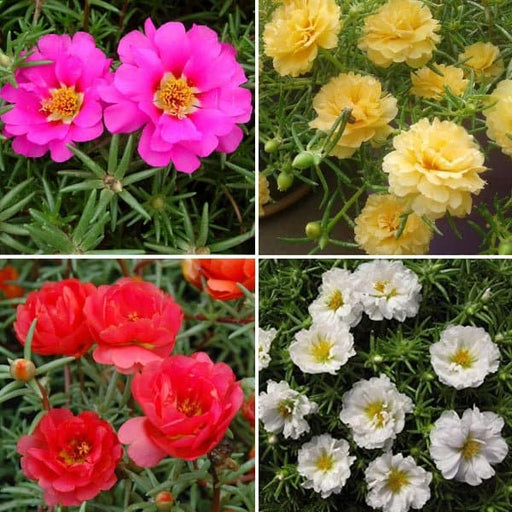
View full detailsPortulaca Garden Pack (4 Plants + 4 Black Pots) Note- You will get any color (Assorted) potted Porulaca plant with this pack. Transform your garde...
View full details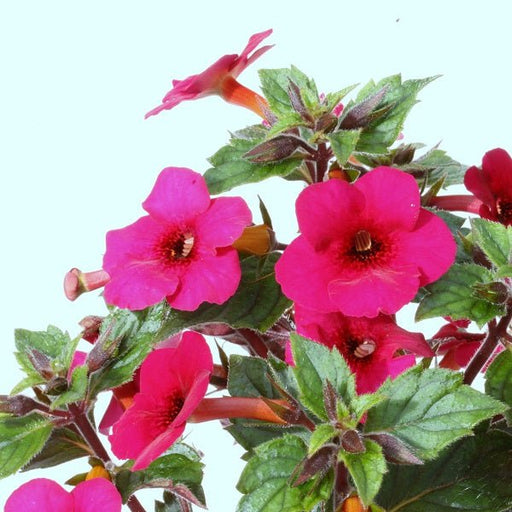






Comments
Leave a comment