Skip to content

Set of 15 Vegetable Seeds to Sow in August, September in South India

Save 58% Save 58%
Original price ₹ 1,185
Current price ₹ 499
₹ 499
Current price ₹ 499

Product includes

SrNoItem NameQty
1Turnip Purple Top - Desi Vegetable Seeds1
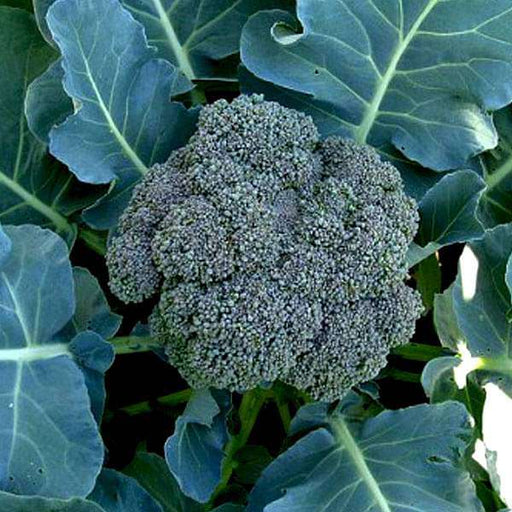
10Broccoli Green Imported - Vegetable Seeds1
11Cabbage Red Imported - Vegetable Seeds1
12Cauliflower F1 Hybrid - Vegetable Seeds1
13Long Melon, Kakri Selection - Vegetable Seeds1
14Radish F1 Long Red - Vegetable Seeds1
15Cucumber F1 Hybrid Sultan - Vegetable Seeds1
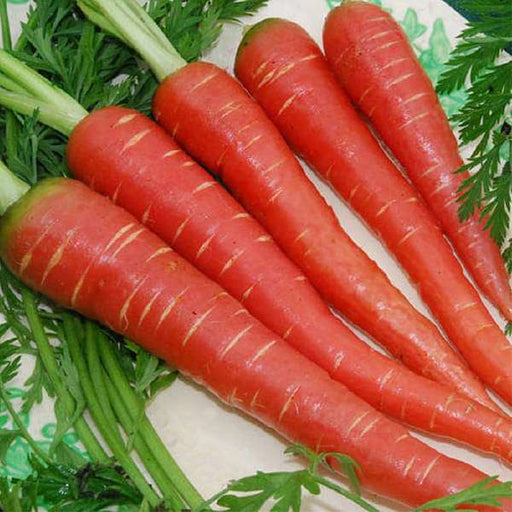
2Carrot Red Long - Desi Vegetable Seeds1
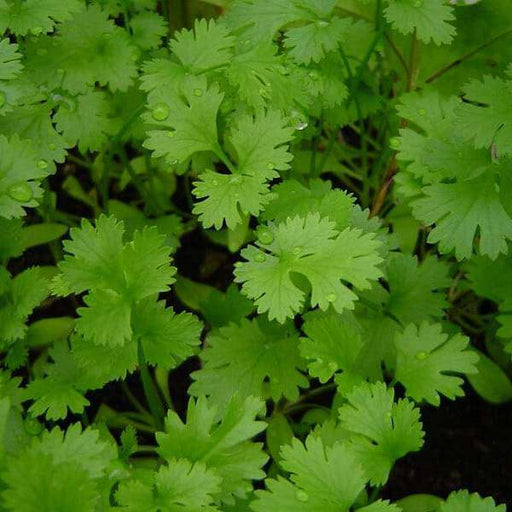
3Coriander Green Aroma - Desi Vegetable Seeds1
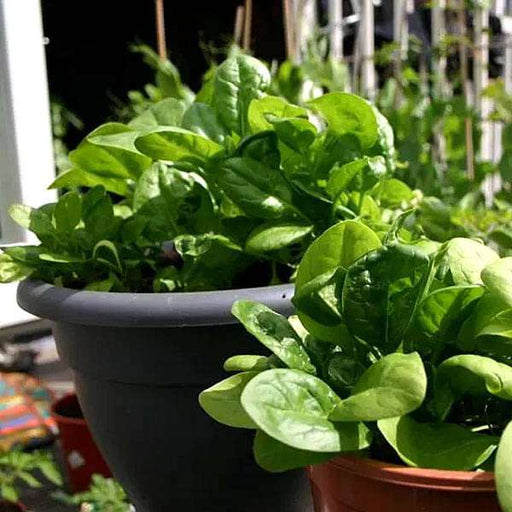
4Spinach All Green - Desi Vegetable Seeds1
5Methi Kasturi - Desi Vegetable Seeds1
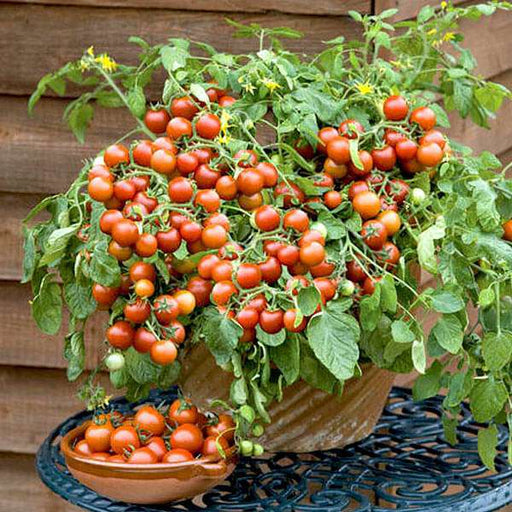
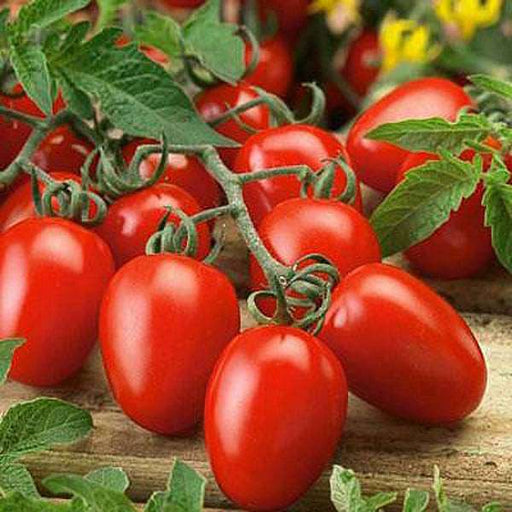
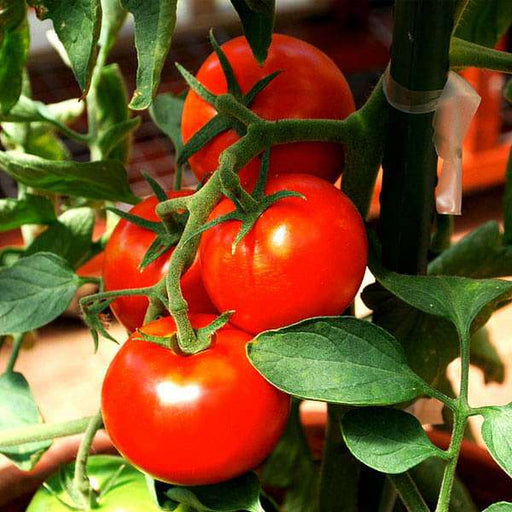
6Tomato Ped - Desi Vegetable Seeds1
7Choulai Red Edible, Amaranthus Red Edible - Desi Vegetable Seeds1
8Methi Shalimar Improved - Organic Microgreen Seeds1
9Lettuce Butter Crunch - Organic Microgreen Seeds1

Set of 15 Vegetable Seeds to Sow in August, September in South India

Unlock the potential of your garden with our exclusive Set of 15 Vegetable Seeds, specially curated for the South Indian climate. Ideal for sowing in August and September, this collection features a diverse range of vegetables, from the vibrant Turnip Purple Top to the nutritious Broccoli Green Imported. Each seed variety is selected for its adaptability and high yield, ensuring a bountiful harvest for your kitchen.

Whether you're a seasoned gardener or a beginner, this set is perfect for cultivating fresh, organic produce right at home. Enjoy the satisfaction of growing your own vegetables while contributing to a sustainable lifestyle.

Growing Instructions

  • Soil: Use well-drained, nutrient-rich soil with a pH of 6.0 to 7.0.
  • Sunlight: Ensure at least 6-8 hours of sunlight daily.
  • Sowing Depth: Follow specific depth instructions for each seed variety.
  • Watering: Keep the soil consistently moist but not waterlogged.

Care Instructions

  • Fertilization: Use organic fertilizers to promote healthy growth.
  • Pest Control: Monitor for pests and use natural remedies when necessary.
  • Weeding: Regularly remove weeds to reduce competition for nutrients.
  • Harvesting: Pick vegetables at their peak ripeness for the best flavor.

Uses

  • Fresh salads and side dishes with lettuce and cucumber.
  • Nutritious soups and stews featuring broccoli and cauliflower.
  • Flavorful curries and stir-fries with spinach and methi.
  • Healthy snacks with radishes and carrots.

Fun Facts

  • Broccoli is a member of the cabbage family and is rich in vitamins C and K.
  • Turnips have been cultivated since ancient times and were a staple food in Europe before the introduction of the potato.
  • Coriander is known for its culinary uses and medicinal properties, including digestive benefits.
  • Spinach is packed with iron and was famously favored by Popeye the Sailor!

Environmental Impact

  • Growing your own vegetables reduces carbon footprint by minimizing transportation emissions.
  • Home gardening promotes biodiversity and supports local ecosystems.
  • Organic gardening practices help maintain soil health and reduce chemical runoff.

Scientific Data

  • Studies show that homegrown vegetables can have up to 50% more nutrients than store-bought varieties.
  • Vegetable gardening can significantly improve mental health and well-being.

Start your gardening journey today with our Set of 15 Vegetable Seeds and enjoy the benefits of fresh, homegrown produce!

Set of 15 Vegetable Seeds

Imagine a treasure chest filled with 15 delightful vegetable seeds, just waiting for you to unleash their potential in your garden. This set is your golden ticket to a bountiful harvest, perfect for those who want to embrace the joys of gardening in South India. Each seed is like a tiny superhero, ready to sprout and save your dinner plate from the mundane.

Sowing Vegetables in August

August is not just a month; it’s a magical time when the monsoon whispers sweet nothings to your garden. Sowing vegetables during this time means you’re riding the wave of nature’s rhythm. The soil is moist, the air is fresh, and your seeds are ready to party.

Sowing Vegetables in September

September is like the encore of the gardening concert. The rains have done their job, and now it’s time to sow those seeds for a late-season harvest. It’s the perfect time to plant your favorites and watch them flourish as the weather cools down.

Best Vegetables for South India

South India is a culinary paradise, and the best vegetables to grow here are like the stars of a blockbuster movie. Think tomatoes, brinjals, and beans that thrive in the warm climate. These veggies are not just tasty; they’re also your ticket to impressing friends and family with home-cooked meals.

Soil Preparation for Vegetables

Before you dive into sowing, let’s talk about soil preparation. Think of it as giving your seeds a five-star hotel experience. Loamy, nutrient-rich soil is the key to happy plants. Mix in some compost, and you’ll have a luxurious bed for your veggies to snuggle into.

Watering Schedule for Vegetables

Watering is like the rhythm of a dance; too much or too little can throw off the groove. A consistent watering schedule ensures your plants stay hydrated without drowning. Remember, your veggies are not fish; they don’t want to swim!

Organic Gardening in South India

Embrace the organic revolution! Growing vegetables organically in South India is like being a superhero for the environment. You’ll not only enjoy fresh produce but also contribute to a healthier planet. Plus, your veggies will taste like they just came from a farmer’s market.

Pest Control for Vegetable Gardens

Pests can be the uninvited guests at your gardening party. But fear not! With a few clever tricks and natural remedies, you can keep these pesky intruders at bay. Think of it as your garden’s security system, ensuring your veggies stay safe and sound.

Harvesting Vegetables

Harvesting is the grand finale of your gardening journey. It’s the moment when all your hard work pays off, and you get to enjoy the fruits (or veggies) of your labor. There’s nothing quite like plucking a ripe tomato and tossing it into your salad.

Seasonal Vegetables in South India

Knowing which vegetables are in season is like having a backstage pass to the freshest produce. Seasonal veggies not only taste better but are also more affordable. Embrace the local bounty and let your taste buds dance with joy!

Gardening Tips for Beginners

If you’re new to gardening, fear not! With a few simple tips, you’ll be on your way to becoming a green-thumbed guru. Start small, be patient, and remember that every expert was once a beginner. Your garden will thank you for it!

Companion Planting for Vegetables

Companion planting is like setting up your veggies on blind dates. Some plants thrive together, while others can’t stand each other. By pairing the right plants, you’ll create a harmonious garden that maximizes growth and minimizes pests.

Trending Collections

Save 40% with Gardening Solutions

You may also need

FAQ

What are the best vegetable seeds to sow in August and September in South India?

In South India, the climate is a gardener's playground! Ideal seeds include brinjal, tomato, okra, and beans. These veggies thrive in the monsoon's embrace, ensuring your garden is a vibrant feast. So grab your trowel and get sowing; your future self will thank you with a bountiful harvest!

How do I prepare my soil for sowing vegetable seeds?

Soil prep is like a spa day for your garden! Start by tilling the soil to aerate it, then mix in compost for nutrients. A sprinkle of organic fertilizer will make your plants feel pampered. Finally, level it out and let the magic of nature do its thing. Happy sowing!

When is the best time to sow these seeds?

Timing is everything, especially in gardening! In South India, August and September are prime time for sowing. The monsoon rains provide the perfect moisture, while the warm soil encourages germination. So, mark your calendar and get ready to unleash your inner green thumb!

How often should I water the seeds after sowing?

Watering is like giving your seeds a refreshing drink! After sowing, keep the soil consistently moist but not soggy. A gentle sprinkle every day or every other day should do the trick. Just remember, too much water can drown your dreams, while too little can leave them parched!

What pests should I watch out for when growing these vegetables?

Ah, the uninvited guests of the garden! Watch out for aphids, caterpillars, and whiteflies—they love crashing your veggie party. Keep an eye out and consider natural pest repellents like neem oil. A little vigilance goes a long way in keeping your garden thriving and pest-free!

Can I grow these vegetables in pots?

Absolutely! Container gardening is like a VIP section for your veggies. Choose pots with good drainage and fill them with nutrient-rich soil. Just ensure they get enough sunlight and water. With a little love, your potted plants will flourish, bringing the garden to your balcony or patio!

What are the benefits of growing my own vegetables?

Growing your own veggies is like having a personal chef! You get fresh, organic produce right at your fingertips, saving money and trips to the store. Plus, it’s a great way to connect with nature and impress your friends with your gardening prowess. Who knew being a plant parent could be so rewarding

How long does it take for these seeds to germinate?

Patience, young grasshopper! Most vegetable seeds take about 7 to 14 days to germinate, depending on the variety and conditions. Keep the soil moist and provide warmth, and soon enough, you'll see those little green sprouts breaking through. It’s like waiting for a surprise party—exciting and worth it!

What nutrients do these vegetables need to grow well?

Veggies are like us—they need a balanced diet! Key nutrients include nitrogen for leafy growth, phosphorus for strong roots, and potassium for overall health. A good organic fertilizer can provide these essentials. Remember, happy plants equal happy gardeners, so feed them well and watch them thrive!

Can I use leftover seeds from last year?

Using leftover seeds is like recycling your garden dreams! Just check their viability by doing a simple germination test. If they sprout, you’re golden! If not, it might be time to invest in fresh seeds. After all, you want your garden to be a success, not a seed graveyard!

What are some common mistakes to avoid when sowing seeds?

Ah, the classic gardening blunders! Avoid overwatering, as it can lead to root rot. Don’t plant too deep; seeds need a little sunlight to sprout. Also, be mindful of spacing—crowded plants can lead to a veggie traffic jam. Learn from these missteps, and your garden will flourish like never before!