What are the best flowering seeds to sow in December and January in North India?
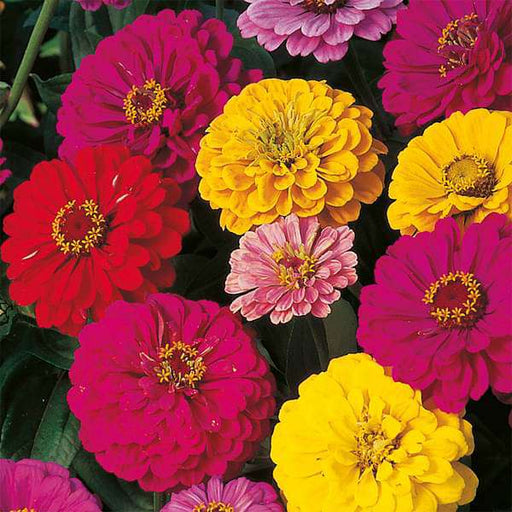
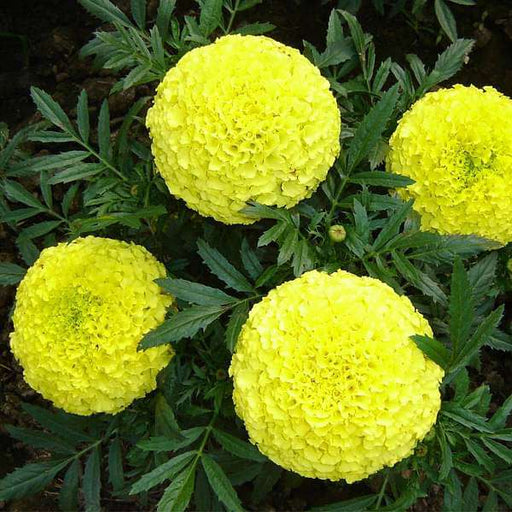
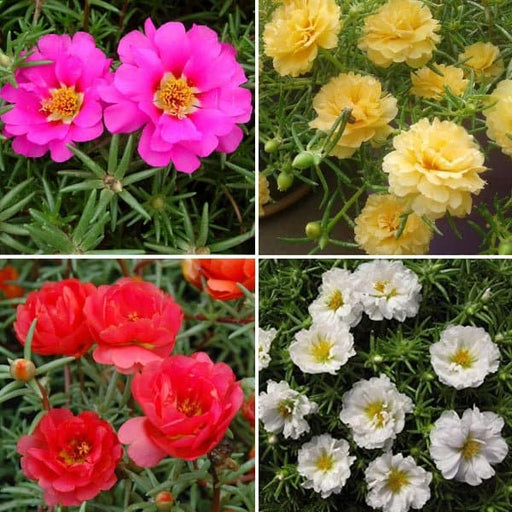
Looking to add some color to your winter garden? Try sowing marigolds, petunias, and snapdragons! These beauties thrive in cooler temperatures and will have your garden blooming like a Bollywood set. Just remember, they love sunlight, so give them a warm hug of sunshine!
How do I prepare my soil for sowing seeds?
Soil prep is like a spa day for your garden! Loosen it up with a fork, mix in some compost for nutrients, and ensure good drainage. Your seeds will thank you for the luxurious environment, and soon enough, you’ll have a flourishing garden that’s the envy of the neighborhood!
When should I water my seeds after sowing?
Watering is an art, not a science! After sowing, give your seeds a gentle drink to settle them in. Then, keep the soil moist but not soggy—think of it as a light misting, not a monsoon! Your seeds will sprout with joy, and you’ll be the proud parent of a blooming garden.
How much sunlight do these seeds need?
Sunlight is the secret ingredient for a thriving garden! Most flowering seeds love at least 6 hours of direct sunlight daily. So, find a sunny spot and let those little green warriors soak up the rays. They’ll reward you with vibrant blooms that’ll make your neighbors green with envy!
Can I use pots for sowing these seeds?
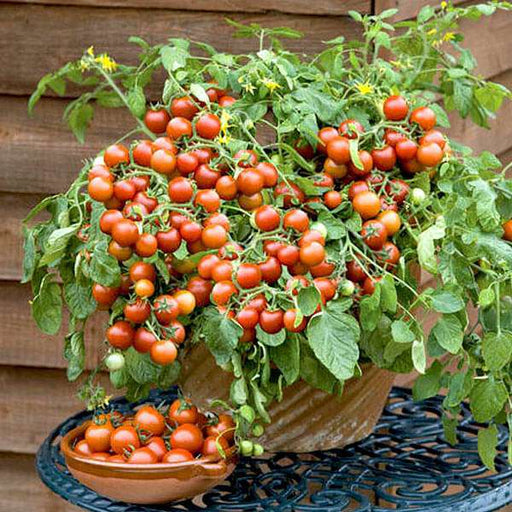
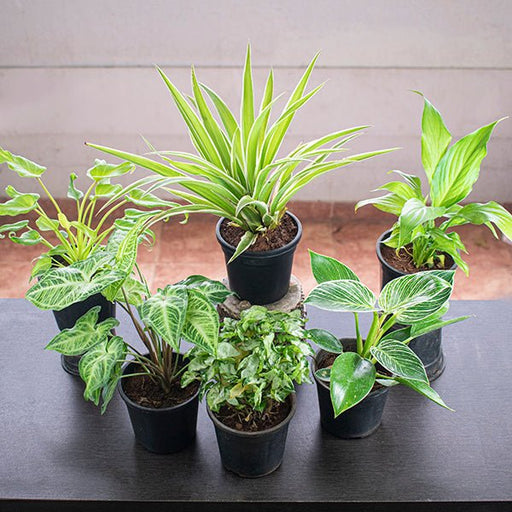
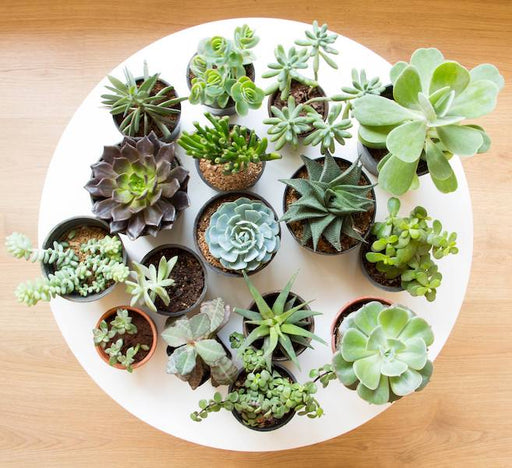
Absolutely! Pots are like cozy apartments for your seeds. Just ensure they have drainage holes to prevent drowning. Choose a potting mix that’s light and fluffy, and your seeds will feel right at home. Plus, you can move them around to catch the best sunlight—talk about a mobile garden!
What temperature is ideal for sowing seeds in winter?
Seeds are like us—they prefer a comfy temperature! Aim for around 15-20°C (59-68°F) for optimal germination. If it gets too chilly, your seeds might just decide to hibernate. So, keep them cozy, and soon enough, they’ll be popping up like popcorn at a movie!
How often should I fertilize my seedlings?
Fertilizing is like giving your seedlings a gourmet meal! Start with a balanced fertilizer every 4-6 weeks after they sprout. Just don’t overdo it—too much can be like a sugar rush for kids! A little love goes a long way in helping them grow strong and vibrant.
What pests should I watch out for?
Pests are the uninvited guests at your garden party! Keep an eye out for aphids, caterpillars, and snails. A little neem oil or insecticidal soap can send them packing. Remember, a healthy garden is a happy garden, so keep those pests at bay and let the blooms shine!
Can I save seeds from my flowering plants for next year?
Absolutely! Saving seeds is like keeping a family heirloom. Once your flowers have dried, collect the seeds and store them in a cool, dry place. Just make sure they’re from healthy plants—no drama queens allowed! Next year, you’ll have a whole new batch of blooms to enjoy!
How long does it take for seeds to germinate?
Patience is a gardener’s virtue! Most flowering seeds take about 7-14 days to germinate, but some may take longer. It’s like waiting for a good movie to start—exciting but requires a bit of patience. Keep the faith, and soon you’ll see those little green shoots breaking through!
What should I do if my seeds don’t sprout?
If your seeds are playing hard to get, don’t panic! Check the soil moisture, temperature, and sunlight. Sometimes they just need a little extra TLC. If all else fails, consider re-sowing with fresh seeds. Remember, gardening is a journey, not a race—enjoy the process!