Skip to content

Rajnigandha, Tuberose - Bulbs (set of 10)

Original price ₹ 159 - Original price ₹ 159
Original price ₹ 159
₹ 159
₹ 159 - ₹ 159
Current price ₹ 159

(MRP Inclusive of all taxes)

Availability:
In stock

Why it’s special?

  • Set of 10 bulbs
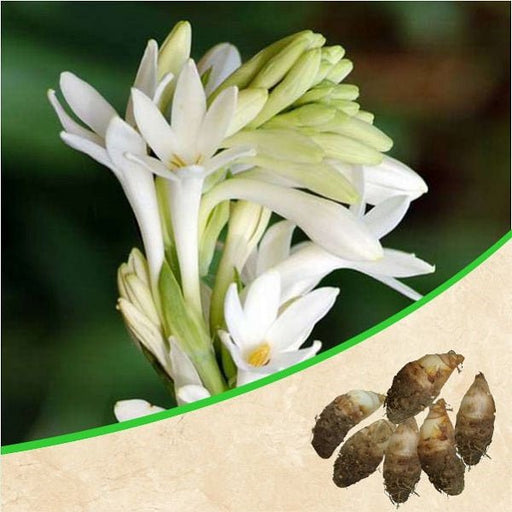
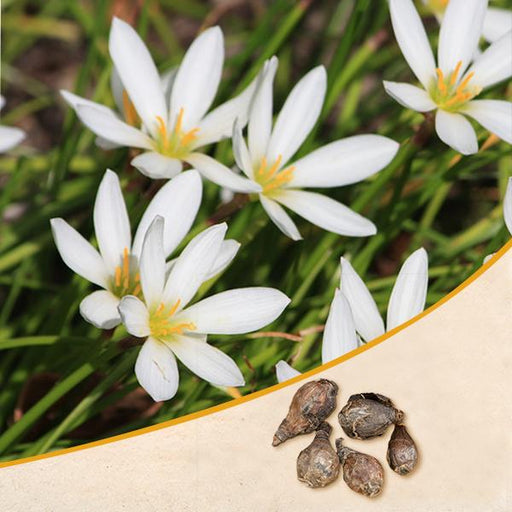
  • White fragrant flowers
  • Rainy season blooming
  • Landscape bulk planting

Shipping : ₹79 for the entire order

Country of origin: India

Frequently bought together

Total for 0 selected

Rajnigandha, Tuberose - Bulbs (Set of 10)

Experience the enchanting fragrance of Rajnigandha, also known as Tuberose, with this set of 10 premium bulbs. Renowned for their stunning white flowers and intoxicating scent, these bulbs are perfect for adding a touch of elegance to your garden or home. Tuberose blooms are not only visually appealing but also attract pollinators, making them a wonderful addition to any eco-friendly garden.

What makes Rajnigandha special is its rich cultural significance in various traditions, particularly in India, where it symbolizes love and purity. The flowers are often used in religious ceremonies and garlands, enhancing their importance in cultural practices. With a blooming season that lasts from late summer to fall, these bulbs provide a long-lasting display of beauty and fragrance.

Special features of Rajnigandha include their ability to thrive in various soil types and their resilience to drought once established. These bulbs are not only easy to grow but also produce clusters of waxy, fragrant flowers that can reach up to 2 feet in height, making them a stunning focal point in any garden.

Growing Instructions:

  • Plant bulbs in well-drained soil, 4-6 inches deep.
  • Choose a sunny location with at least 6 hours of sunlight daily.
  • Space bulbs 6-12 inches apart for optimal growth.
  • Water thoroughly after planting and keep the soil moist but not soggy.

Care Instructions:

  • Fertilize with a balanced fertilizer every 4-6 weeks during the growing season.
  • Remove spent flowers to encourage new blooms.
  • In colder climates, lift bulbs after the first frost and store in a cool, dry place.
  • Monitor for pests and diseases, treating as necessary.

Uses:

  • Ideal for garden beds, borders, and containers.
  • Perfect for creating fragrant bouquets and floral arrangements.
  • Used in traditional ceremonies and as offerings in religious practices.
  • Essential oil extracted from flowers is used in perfumes and aromatherapy.

Fun Facts:

  • Tuberose is scientifically known as *Polianthes tuberosa* and belongs to the Agavaceae family.
  • In ancient times, Tuberose was considered a symbol of danger and was often associated with love and seduction.
  • The flowers bloom at night, releasing their sweet fragrance, which attracts nocturnal pollinators.
  • Rajnigandha is often used in Indian weddings, symbolizing purity and devotion.

Environmental Impact:

By planting Rajnigandha, you contribute to biodiversity and support local ecosystems. These flowers attract beneficial insects, including bees and butterflies, promoting pollination and enhancing the health of your garden.

Trending Collections

Rajnigandha Bulbs

These little green wonders are not just bulbs; they are the VIPs of your garden. With their enchanting fragrance, they’ll have your neighbors wondering if you’ve hired a perfumer. Plant them, and watch as they transform your outdoor space into a fragrant paradise.

Tuberose Care Tips

Think of tuberose care as a spa day for your plants. They love well-drained soil and a sunny spot, so give them the royal treatment. Water them just enough to keep them happy, and they’ll reward you with blooms that smell like a dream.

Fragrant Garden Ideas

Want to create a garden that’s the talk of the town? Incorporate Rajnigandha! Pair them with other fragrant flowers, and you’ll have a sensory experience that’ll make even the bees jealous.

Flowering Season

Tuberoses are the life of the party, blooming in summer and fall. They’ll strut their stuff when the weather warms up, filling your garden with their intoxicating scent.

Planting Tuberose Bulbs

Planting these bulbs is like setting the stage for a floral performance. Dig a hole, place the bulb, and cover it up. It’s that easy! Just remember to give them some space to shine.

Rajnigandha in Ayurveda

Did you know Rajnigandha isn’t just a pretty face? In Ayurveda, it’s celebrated for its calming properties. So, while you’re enjoying their beauty, you’re also indulging in a little wellness.

Tuberose for Weddings

If you want to add a touch of elegance to your wedding, look no further than tuberose. Their stunning blooms and heavenly scent will have guests swooning and asking for your florist’s number.

Rajnigandha vs. Other Flowers

Why settle for ordinary when you can have extraordinary? Rajnigandha outshines many flowers with its unique fragrance and striking appearance. It’s like the celebrity of the flower world.

Tuberose in Perfumes

Tuberose is the secret ingredient in many luxurious perfumes. When you plant these bulbs, you’re not just growing flowers; you’re cultivating a scent that could rival high-end fragrances.

Rajnigandha for Home Decor

Bring the outdoors in! Cut a few Rajnigandha stems and arrange them in a vase. They’ll elevate your home decor and make your living space smell like a five-star hotel.

Tuberose Bulbs for Beginners

New to gardening? Tuberose bulbs are your best friends. They’re low-maintenance and forgiving, making them perfect for those who might not have a green thumb yet.

Rajnigandha in Culture

In many cultures, Rajnigandha symbolizes love and purity. By planting these bulbs, you’re not just beautifying your garden; you’re also embracing a rich cultural heritage.

Save 40% with Gardening Solutions

You may also need

View All

Plant care & growing guide

These fragrant white tuberose bulbs grow to 2-3 feet and bloom in summer and autumn, perfect for bulk landscape planting. Easy to grow in full sun to partial sun locations.

Light
Plant in full sun to partial sun. Tuberoses prefer sunny spots for best blooming but tolerate afternoon shade in extremely hot regions.
Water
Water moderately throughout the growing season. During India's rainy season, ensure soil doesn't become waterlogged and monitor drainage carefully.
Soil & Feeding
Plant bulbs in well-drained loam soil to prevent rot. Apply organic fertilizer as growth begins and during flowering for robust blooms.
Temperature & Humidity
Flourish in temperatures between 21-30°C, ideal for most of India's warmer zones. Handle monsoon moisture well when drainage is adequate.
Common Problems
Proper drainage is essential in monsoon conditions to prevent bulb rot. Crowding bulbs too closely reduces air circulation.
Pro Tips
Plant bulbs from the set together in clusters for dramatic landscaping effect. Time planting to take advantage of rainy season blooming for maximum flowering.

Frequently asked questions

What is Rajnigandha, Tuberose - Bulbs (set of 10)?
Rajnigandha, or Tuberose, is the floral superstar of your garden! This set of 10 bulbs promises to transform your space into a fragrant paradise. With their stunning white blooms and intoxicating scent, they’ll have your neighbors green with envy and your garden buzzing with compliments.
How do I plant Rajnigandha bulbs?
Planting Rajnigandha bulbs is as easy as pie! Choose a sunny spot, dig a hole about 4 inches deep, and place the bulb with the pointed end up. Cover it with soil, water it gently, and voilà! You’re on your way to becoming the proud parent of beautiful blooms.
When is the best time to plant Tuberose bulbs?
Timing is everything! Plant your Tuberose bulbs in spring after the last frost, when the soil is warm and ready to party. This way, your bulbs will have the best chance to sprout and show off their stunning flowers all summer long. Get ready for a floral fiesta!
How often should I water Rajnigandha bulbs?
Watering is like a first date—don’t overdo it! Keep the soil moist but not soggy. A good rule of thumb is to water once a week, or more often if the weather is particularly hot. Your bulbs will thank you with a dazzling display of blooms!
Do Tuberose bulbs need sunlight?
Absolutely! Tuberose bulbs are sun worshippers. They thrive in full sunlight, so find a bright spot in your garden where they can soak up those rays. Just like us, they need their daily dose of sunshine to grow strong and produce those heavenly flowers.
How long does it take for Rajnigandha bulbs to bloom?
Patience is a virtue! After planting, expect your Tuberose bulbs to bloom in about 90 to 120 days. It’s like waiting for a fine wine to age—worth every moment! Soon, you’ll be rewarded with gorgeous flowers that will make your garden the talk of the town.
Can I grow Tuberose in pots?
Absolutely! Tuberose bulbs are versatile and love to strut their stuff in pots. Just ensure your container has good drainage and enough space for the bulbs to spread their roots. With a little love and care, you’ll have a portable garden of fragrant beauty!
What soil is best for Rajnigandha bulbs?
Rajnigandha bulbs prefer well-draining soil that’s rich in organic matter. Think of it as their five-star hotel! A mix of loamy soil with compost will keep them happy and thriving. Avoid heavy clay soils that can drown their dreams of blooming glory.
Are Tuberose bulbs perennial?
Yes, indeed! Tuberose bulbs are perennial, meaning they’ll return year after year, like that friend who never leaves the party. With proper care, they’ll keep blooming and filling your garden with their delightful fragrance, making them a fantastic investment for any garden enthusiast.
How do I care for Rajnigandha after blooming?
After the blooms fade, it’s time for a little TLC! Cut back the flower stalks but leave the foliage intact. Continue watering until the leaves yellow, then let the bulbs rest. Store them in a cool, dry place until it’s time to plant again. Easy peasy!
Can I use Tuberose in floral arrangements?
Absolutely! Tuberose is the diva of floral arrangements, adding elegance and a heavenly scent. Their long stems and beautiful blooms make them perfect for bouquets, centerpieces, or any occasion that calls for a touch of floral magic. Get ready to impress your guests!
Are Rajnigandha bulbs deer-resistant?
Yes, Tuberose bulbs are not on the deer’s menu! These fragrant beauties are often left alone by our four-legged friends, making them a great choice for gardens in deer-prone areas. Plant with confidence, and let your garden flourish without the worry of nibbling visitors!
Fully-Grown Plants

Nursery-mature, not 4-inch saplings

Next-Day Delivery

At your door tomorrow — not a 4–7 day wait

Nursery-Fresh

Ready to flourish, no growing-in

Lowest Prices

Straight from local growers