Skip to content

Plants for Butterflies and Birds

Result: 146 products. Plants for Butterflies and Birds Welcome to our enchanting collection of 'Plants for Butterflies and Birds', where nature's beauty meets ecological responsi . . read more ›
Original price ₹ 279 - Original price ₹ 279
Original price ₹ 279
₹ 279
₹ 279 - ₹ 279
Current price ₹ 279

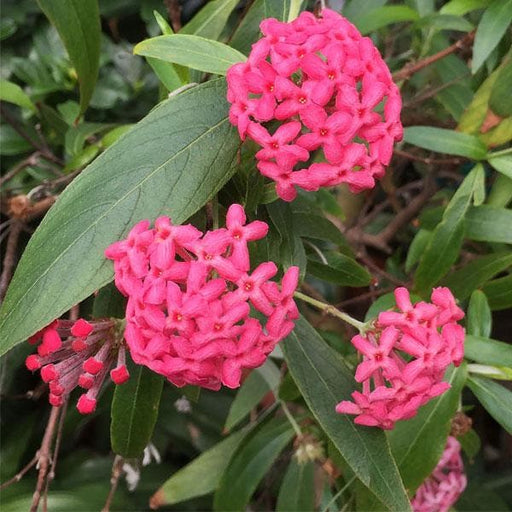
Rondeletia Leucophylla, Panama Rose - Plant

Rondeletia Leucophylla - Panama Rose Plant The Rondeletia Leucophylla, commonly known as the Panama Rose, is a stunning tropical shrub nat...

View full details
Original price ₹ 279 - Original price ₹ 279
Original price ₹ 279
₹ 279
₹ 279 - ₹ 279
Current price ₹ 279
Sold out
Original price ₹ 279 - Original price ₹ 279
Original price ₹ 279
₹ 279
₹ 279 - ₹ 279
Current price ₹ 279

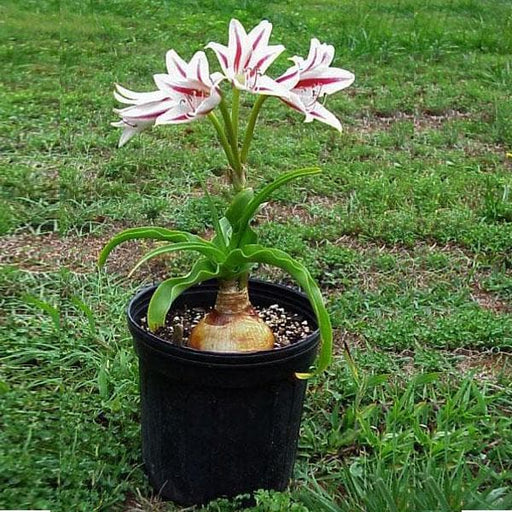
Crinum, Milk and Wine Lily - Plant

Crinum, Milk and Wine Lily - Plant The Crinum, commonly known as the Milk and Wine Lily, is a stunning perennial plant that boasts large, ...

View full details
Original price ₹ 279 - Original price ₹ 279
Original price ₹ 279
₹ 279
₹ 279 - ₹ 279
Current price ₹ 279
Sold out

Plants for Butterflies and Birds

Welcome to our enchanting collection of 'Plants for Butterflies and Birds', where nature's beauty meets ecological responsibility. These carefully selected plants not only enhance your garden's aesthetic appeal but also create a vibrant habitat for butterflies and birds. By incorporating these species into your landscape, you can contribute to the preservation of local wildlife and promote biodiversity in your area.

What makes this collection special is its ability to attract and sustain various pollinators and avian species. Each plant is chosen for its unique ability to provide food, shelter, and breeding grounds for butterflies and birds. From nectar-rich flowers to berry-producing shrubs, these plants will transform your garden into a lively sanctuary, buzzing with activity and color.

Growing and caring for these plants is simple and rewarding. With the right conditions, you can enjoy a flourishing garden that supports local ecosystems. Whether you're a seasoned gardener or a beginner, our collection offers a variety of options that cater to different skill levels and garden styles.

Growing Instructions

  • Choose a sunny location with well-drained soil.
  • Plant in spring or fall for optimal growth.
  • Space plants according to their mature size to ensure proper air circulation.

Care Instructions

  • Water regularly, especially during dry spells.
  • Apply organic mulch to retain moisture and suppress weeds.
  • Fertilize with a balanced organic fertilizer in early spring.

Uses

  • Enhance biodiversity in your garden.
  • Provide food sources for butterflies and birds.
  • Create a beautiful, colorful landscape.

Fun Facts

  • Butterflies are attracted to bright colors and sweet scents.
  • Many birds rely on native plants for nesting materials.
  • Some plants can support multiple species of butterflies and birds.

Scientifically, many of the plants in this collection are native species, which play a crucial role in maintaining local ecosystems. Native plants are adapted to the local climate and soil conditions, making them more resilient and less resource-intensive than non-native varieties. By planting these species, you are not only supporting wildlife but also reducing the need for chemical fertilizers and pesticides, which can harm the environment.

Historically, many cultures have recognized the importance of plants for wildlife. Indigenous peoples often cultivated native plants to attract pollinators and birds, understanding their role in food production and ecosystem health. Today, as urbanization continues to threaten natural habitats, creating wildlife-friendly gardens has become essential for conservation efforts and environmental sustainability.

In terms of environmental impact, planting for butterflies and birds helps combat habitat loss and supports pollinator populations that are vital for food production. By choosing plants that attract these species, you contribute to a healthier ecosystem, promote biodiversity, and help mitigate the effects of climate change. Join us in making a positive impact on the environment with our 'Plants for Butterflies and Birds' collection!

Trending Collections

Butterfly attracting plants

Butterflies are attracted to colorful flowers with nectar-rich centers, such as Lantana, Verbena, and Zinnia. By planting these butterfly-friendly flowers, you can help sustain the local butterfly population and create a beautiful garden in the process.

Bird-friendly plants

Birds are attracted to plants with berries, fruits, and seeds. Some of the bird-friendly plants include Sunflower, Coneflower, and Black-eyed Susan. By planting these plants, you can attract a variety of birds to your garden and create a beautiful natural habitat.

Plants that attract hummingbirds

Hummingbirds are attracted to bright red, orange, and pink flowers with nectar-rich centers, such as Fuchsia, Bee balm, and Salvia. By planting these hummingbird-friendly plants, you can create a beautiful garden and attract these tiny birds.

Plants that attract songbirds

Songbirds are attracted to plants with berries, fruits, and seeds, such as Holly, Viburnum, and Elderberry. By planting these songbird-friendly plants, you can create a beautiful natural habitat and attract a variety of birds to your garden.

Pollinator-friendly plants

Pollinators, such as bees, butterflies, and hummingbirds, are attracted to plants with brightly colored flowers with nectar-rich centers, such as Milkweed, Coneflower, and Goldenrod. By planting these pollinator-friendly plants, you can help sustain the local pollinator population and create a beautiful garden.

Plants that attract finches

Finches are attracted to plants with small seeds, such as Thistle, Sunflower, and Coneflower. By planting these finch-friendly plants, you can attract these colorful birds to your garden and create a beautiful natural habitat.

Plants that attract bees

Bees are attracted to plants with brightly colored flowers with nectar-rich centers, such as Lavender, Sage, and Rosemary. By planting these bee-friendly plants, you can help sustain the local bee population and create a beautiful garden in the process.

Plants that attract Monarch butterflies

Monarch butterflies are attracted to Milkweed, which is the only plant that their larvae can feed on. By planting Milkweed, you can help sustain the local Monarch butterfly population and create a beautiful garden in the process.

Plants that attract Swallowtail butterflies

Swallowtail butterflies are attracted to plants with brightly colored flowers with nectar-rich centers, such as Butterfly bush, Coneflower, and Black-eyed Susan. By planting these Swallowtail butterfly-friendly plants, you can create a beautiful garden and attract these colorful butterflies.

Plants that attract Orioles

Orioles are attracted to plants with small, sweet fruits, such as Mulberry, Serviceberry, and Raspberry. By planting these Oriole-friendly plants, you can attract these beautiful birds to your garden and create a beautiful natural habitat.

Plants that attract woodpeckers

Woodpeckers are attracted to plants with berries and insects, such as Dogwood, Serviceberry, and Oak trees. By planting these woodpecker-friendly plants, you can attract these unique birds to your garden and create a beautiful natural habitat.

Plants that attract cardinals

Cardinals are attracted to plants with berries and seeds, such as Holly, Viburnum, and Sunflower. By planting these cardinal-friendly plants, you can attract these beautiful birds to your garden and create a beautiful natural habitat.

Plants that attract Goldfinches

Goldfinches are attracted to plants with small seeds, such as Thistle, Sunflower, and Coneflower. By planting these Goldfinch-friendly plants, you can attract these beautiful birds to your garden and create a beautiful natural habitat.

Attracting birds to your garden

Learn how to create a bird-friendly garden and which plants are perfect for attracting birds.

Plants for hummingbirds

Hummingbirds are beautiful and fascinating creatures, and there are certain plants that can attract them to your garden.

Butterfly garden plants

Create a beautiful butterfly garden with these plants that are perfect for attracting these delicate creatures.

Plants for bee gardens

Bees are essential to our ecosystem, and creating a bee garden is a great way to help support them. Learn which plants to choose for your bee garden.

Native plants for wildlife

Planting native species in your garden is not only beneficial for the environment, but it can also attract a variety of wildlife, including birds and butterflies.

Creating a wildlife habitat garden

Turn your garden into a sanctuary for wildlife with these tips on creating a habitat garden.

Plants for songbirds

Songbirds are a delight to watch and listen to, and there are certain plants that can attract them to your garden.

Save 40% with Gardening Solutions

Growing & care guide

These plants attract butterflies and birds year-round, thriving with minimal chemical input in Indian gardens. They typically need full sun, well-drained soil, and little maintenance once established.

Light
Most nectar-rich and seed-bearing plants thrive in 5-8 hours of direct sun. Some shade-tolerant species (like Justicia) perform well in dappled afternoon shade in very hot regions, but full sun generally maximizes flowering and seed production.
Water
Water regularly for the first 2-3 months to establish deep roots. Once mature, most butterfly and bird plants are drought-tolerant and need water only during prolonged dry spells or summer peaks. Reduce watering significantly in monsoon.
Soil & Feeding
These plants thrive in ordinary garden soil enriched with compost at planting. Avoid heavy fertilizing—excess nitrogen delays flowering and seed set. Light mulch helps retain moisture in summer while reducing fungal issues.
Temperature & Humidity
Indian native and naturalized varieties handle local climate extremes well. Humidity during monsoon can increase fungal risk; ensure adequate spacing and air circulation. Most are hardy across tropical, subtropical, and warm temperate zones.
Common Problems
These plants are naturally pest-resistant when healthy. Avoid all pesticides and chemical fertilizers, as they harm beneficial insects. Overwatering causes root rot; if plants yellow, check drainage and reduce watering frequency.
Pro Tips
Plant in clusters of 3-5 for visual impact and to support larger pollinator populations. Leave seedpods and fallen leaves to provide food and shelter. Choose varieties with staggered bloom seasons to provide nectar year-round.

Frequently asked questions

Can plants in pots attract birds and butterflies?
Yes, plants in pots can attract birds and butterflies just like plants grown in the ground. You can choose plants that are attractive to these creatures and plant them in containers.
What are some plants that attract butterflies?
Some plants that attract butterflies include milkweed, butterfly bush, zinnias, coneflowers, and asters.
What are some plants that attract birds?
Some plants that attract birds include sunflowers, elderberries, serviceberries, purple coneflowers, and black-eyed Susans.
Can I plant a butterfly garden in a pot?
Yes, you can create a butterfly garden in a pot. Choose plants that are attractive to butterflies and arrange them in a pot with good drainage.
What kind of soil should I use for plants in pots?
Use a well-draining potting mix for plants in pots. This will allow the roots to breathe and prevent water from accumulating in the pot.
How often should I water plants in pots?
The frequency of watering plants in pots depends on the type of plant, size of the pot, and environmental conditions. As a general rule, water when the top inch of soil is dry to the touch.
Can I use fertilizer on plants in pots?
Yes, you can use fertilizer on plants in pots. Choose a fertilizer that is appropriate for the type of plant and follow the instructions for application.
Can I attract birds and butterflies with bird feeders and butterfly feeders?
Yes, bird feeders and butterfly feeders can attract these creatures to your garden. However, it's important to also provide plants that serve as a natural food source.
What are some plants that serve as both food and shelter for birds and butterflies?
Some plants that serve as both food and shelter for birds and butterflies include coneflowers, sunflowers, milkweed, and butterfly bush.
How can I create a bird-friendly garden in a small space?
Even if you have a small space, you can still create a bird-friendly garden by choosing plants that are attractive to birds and creating a welcoming habitat with bird feeders, birdhouses, and a water source.
What are some plants that attract hummingbirds?
Some plants that attract hummingbirds include bee balm, cardinal flower, columbine, and salvia.
Can I plant a bird and butterfly garden in the shade?
Yes, there are some plants that attract birds and butterflies that can be grown in the shade, such as hostas, astilbe, and ferns.
How can I prevent pests from damaging my plants in pots?
To prevent pests from damaging your plants in pots, use a pest control spray or natural remedies like neem oil or insecticidal soap. You can also use companion planting to repel pests.
What are some plants that attract bees?
Some plants that attract bees include lavender, borage, marigolds, and catmint.
Can I use compost in my pots?
Yes, you can use compost in your pots. It's a great way to add nutrients to the soil and improve soil structure.
What kind of pots should I use for plants?
Choose pots that are appropriate for the size of the plant and provide good drainage. Materials like terracotta, ceramic, and plastic are all suitable options.
How can I attract birds and butterflies to my garden?
To attract birds and butterflies to your garden, you need to plant a variety of plants that provide food, water, and shelter. Choose nectar-rich flowers like zinnias, marigolds, and lantanas that provide nectar to butterflies. For birds, choose plants that bear fruits, berries, and seeds. You can also add a bird bath or a shallow bowl of water to provide a source of water for them.
Can I grow plants for butterflies and birds indoors?
Yes, you can grow plants for butterflies and birds indoors. Choose plants that can thrive in indoor conditions and provide the necessary food and shelter. Examples of indoor plants that attract butterflies include ferns, ivies, and herbs like parsley and dill. For birds, consider growing plants like succulents, spider plants, and peace lilies.
Can I grow plants for butterflies and birds in small spaces?
Yes, and patios. You can use vertical gardening techniques and planters to maximize space. Choose plants that don't take up much space but still provide food and shelter to birds and butterflies. Examples of small space-friendly plants include herbs like basil and mint, succulents, and small flowering plants like petunias and impatiens.
Do I need to use pesticides on my plants for butterflies and birds?
It's best to avoid using pesticides on plants for butterflies and birds. Pesticides can harm these beneficial insects and birds, and even kill them. Instead, use natural pest control methods like neem oil, insecticidal soap, and companion planting to keep pests at bay.
Fully-Grown Plants

Nursery-mature, not 4-inch saplings

Next-Day Delivery

At your door tomorrow — not a 4–7 day wait

Nursery-Fresh

Ready to flourish, no growing-in

Lowest Prices

Straight from local growers