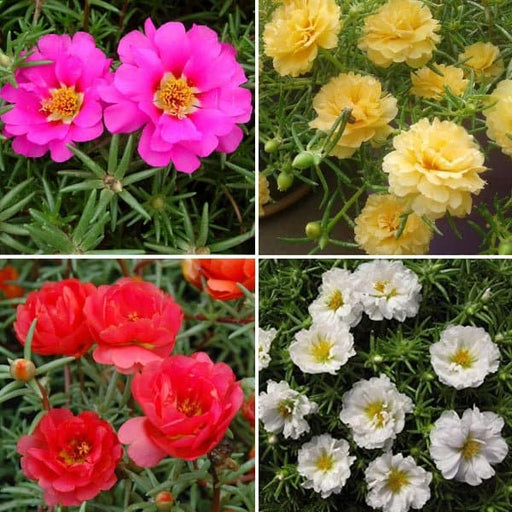
What is Rajnigandha, Tuberose - Plant?
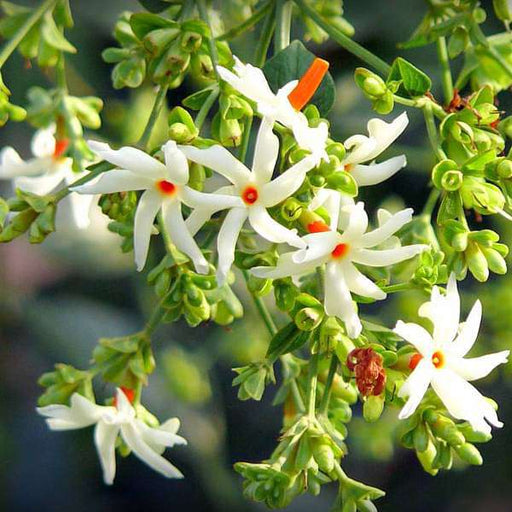
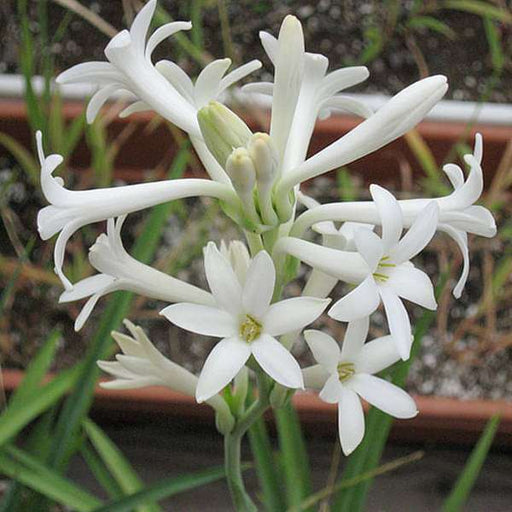
Rajnigandha, or Tuberose, is the diva of the floral world, flaunting its stunning white blooms and intoxicating fragrance. This perennial plant is a must-have for any garden, adding a touch of elegance and a scent that could make even the grumpiest neighbor smile. Who wouldn’t want a little floral drama in their life?
How do I care for Rajnigandha, Tuberose - Plant?
Caring for Rajnigandha is like nurturing a diva—she needs well-drained soil, plenty of sunlight, and a sprinkle of love. Water her regularly but avoid soggy feet; she prefers to keep it classy. Fertilize during the growing season, and watch her bloom like she’s walking the red carpet of your garden!
When does Rajnigandha, Tuberose - Plant bloom?
Rajnigandha blooms in late summer to early fall, putting on a show that rivals any Hollywood premiere. With its waxy white flowers opening at night, it’s like the plant version of a midnight movie star. Just be patient; good things come to those who wait, especially when it comes to floral beauty!
Can I grow Rajnigandha, Tuberose - Plant indoors?
Absolutely! Rajnigandha can be a fabulous indoor companion, as long as you provide her with bright, indirect light and a cozy spot. Just remember, she loves to stretch her roots, so choose a pot that gives her room to grow. Indoor gardening has never smelled so good!
Is Rajnigandha, Tuberose - Plant toxic to pets?
Fear not, pet parents! Rajnigandha is non-toxic to cats and dogs, making it a safe choice for your furry friends. However, while they can sniff and admire, it’s best to keep them from munching on the leaves. After all, we wouldn’t want them to steal the spotlight from our floral star!
How often should I water Rajnigandha, Tuberose - Plant?
Watering Rajnigandha is like a fine dance—too much and she’ll drown, too little and she’ll wilt. Aim for a balance: keep the soil moist but not soggy. During the growing season, a weekly splash should do the trick. Just remember, she’s a diva, not a desert plant!
What soil is best for Rajnigandha, Tuberose - Plant?
Rajnigandha thrives in well-draining soil that’s rich in organic matter. Think of it as her luxurious spa treatment! A mix of potting soil, sand, and compost will keep her happy and healthy. The right soil is like a good foundation for a mansion—essential for a stunning floral abode!
Can I propagate Rajnigandha, Tuberose - Plant?
Yes, you can! Propagating Rajnigandha is like creating your own floral fan club. You can do it through offsets or bulbs. Just dig them up, replant them in well-draining soil, and give them some TLC. Soon, you’ll have a whole entourage of Tuberose plants to admire!
What pests should I watch for on Rajnigandha, Tuberose - Plant?
Keep an eye out for pesky pests like aphids and spider mites, who think they can crash the floral party. Regularly inspect your plant and use insecticidal soap or neem oil if they show up uninvited. A little vigilance goes a long way in keeping your Tuberose looking fabulous!
How long does Rajnigandha, Tuberose - Plant last?
With proper care, Rajnigandha can grace your garden for several years, blooming like a true star. Once established, she’ll return each season, bringing her fragrant charm back to your life. Think of her as the reliable friend who always shows up for the good times!
Can Rajnigandha, Tuberose - Plant survive winter?
Rajnigandha is a bit of a diva when it comes to winter. In colder climates, she prefers to hibernate, so dig up the bulbs and store them in a cool, dry place. In warmer zones, she might just brave the winter, but a little protection never hurts. Keep her cozy!
What are the uses of Rajnigandha, Tuberose - Plant?
Rajnigandha isn’t just a pretty face; she’s a multi-talented star! Used in perfumes, traditional medicine, and even as a decorative flower in weddings, her fragrance is legendary. Plus, she’s a natural air freshener, making your home smell like a floral paradise. Who knew a plant could be so versatile?


 White Marble Pebbles (1 kg)
₹199
White Marble Pebbles (1 kg)
₹199 Plant O Boost — Growth Booster
₹239
Plant O Boost — Growth Booster
₹239 Garden Essential Plant Care Kit
₹599
Garden Essential Plant Care Kit
₹599