Skip to content

Tragia plukenetii

Sold out
Original price ₹ 249
₹ 249
₹ 249
Current price ₹ 249

Product includes

SrNoItem Name
1Tragia plukenetii

Tragia plukenetii - The Unique Tropical Wonder

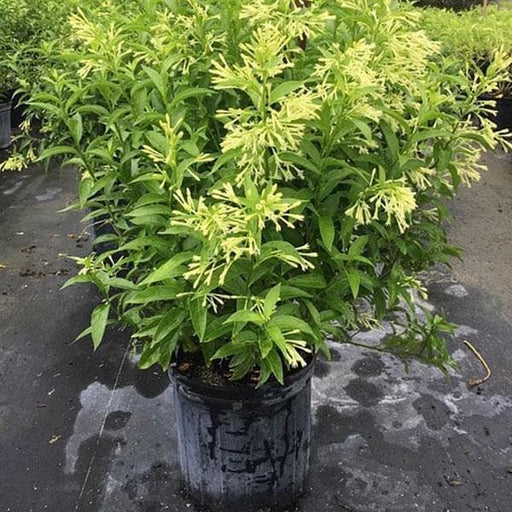
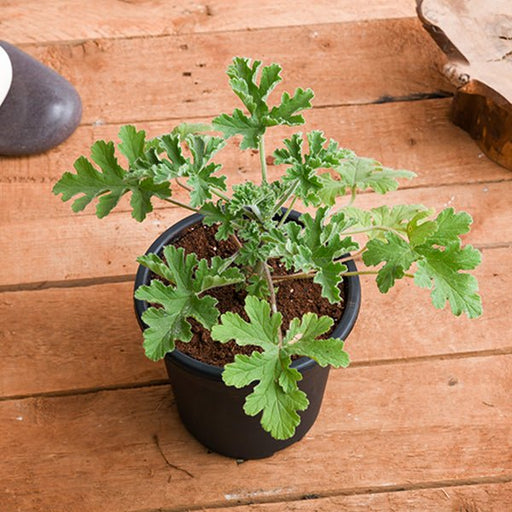
Tragia plukenetii, commonly known as the "Stinging Bush," is a fascinating perennial shrub native to tropical regions. This plant is renowned for its unique stinging hairs that can cause a mild irritation upon contact, making it a curious specimen for botany enthusiasts. With its lush green foliage and small, inconspicuous flowers, Tragia plukenetii thrives in well-drained soils and can adapt to various environmental conditions.

What makes Tragia plukenetii special is its ecological role in its native habitat. It serves as a food source for various insects and birds, contributing to the biodiversity of its ecosystem. Additionally, its ability to thrive in poor soils makes it an excellent candidate for soil stabilization and erosion control.

One of the standout features of Tragia plukenetii is its resilience. This plant can withstand drought conditions and is known for its rapid growth, making it a valuable addition to gardens and landscapes in tropical and subtropical regions.

Growing Instructions

  • Plant in well-drained soil with a pH of 6.0 to 7.5.
  • Choose a location that receives full sun to partial shade.
  • Water regularly, allowing the soil to dry out between waterings.
  • Fertilize with a balanced fertilizer during the growing season.

Care Instructions

  • Prune regularly to maintain shape and encourage bushier growth.
  • Monitor for pests and diseases; treat with organic pesticides if necessary.
  • Mulch around the base to retain moisture and suppress weeds.

Uses

  • Utilized in traditional medicine for its anti-inflammatory properties.
  • Can be used as a natural barrier due to its stinging hairs.
  • Ideal for wildlife gardens, attracting various pollinators.

Fun Facts

  • Tragia plukenetii is part of the Euphorbiaceae family, which includes many economically important plants.
  • Historically, indigenous peoples have used the plant for its medicinal properties.
  • This plant plays a crucial role in its ecosystem, supporting various forms of wildlife.

Environmental Impact

Tragia plukenetii contributes positively to its environment by preventing soil erosion and providing habitat for wildlife. Its ability to thrive in less-than-ideal soil conditions makes it a sustainable choice for landscaping in tropical areas.

Tragia plukenetii Habitat

This tree thrives in tropical and subtropical regions, often found in sandy soils and coastal areas. Think of it as the beach bum of the plant world, soaking up the sun and enjoying the salty breeze. It’s like the tree that decided to take a permanent vacation, making it a perfect addition to any tropical garden.

Tragia plukenetii Uses

Beyond its aesthetic appeal, this tree has practical uses. Its leaves can be used for traditional medicine, making it the go-to herbalist in the plant kingdom. Who knew that a tree could moonlight as a pharmacist?

Tragia plukenetii Growth Rate

Fast-growing and eager to reach for the sky, this tree is like that overachieving friend who just can’t sit still. In the right conditions, it can shoot up several feet in a single year, making it a great choice for those who want instant greenery.

Tragia plukenetii Leaves

The leaves of Tragia plukenetii are glossy and vibrant, resembling nature’s very own green confetti. They’re not just pretty; they also provide excellent shade, making them the perfect spot for a lazy afternoon nap.

Tragia plukenetii Flowers

When it comes to flowers, Tragia plukenetii doesn’t hold back. Its blooms are like nature’s fireworks, adding splashes of color to the landscape. They attract pollinators, making this tree the social butterfly of the botanical world.

Tragia plukenetii Fruit

The fruit of this tree is small and unassuming, but don’t let its size fool you. It’s like the quiet kid in class who surprises everyone with their hidden talents. Birds love them, making it a popular hangout spot for feathered friends.

Tragia plukenetii Propagation

Propagating this tree is as easy as pie. Just take a cutting, stick it in the soil, and voilà! You’ve got yourself a new tree. It’s the plant equivalent of cloning, minus the sci-fi drama.

Tragia plukenetii Pests

Like any good drama, Tragia plukenetii has its share of pests. But fear not! With a little vigilance and some natural remedies, you can keep these pesky intruders at bay. It’s a battle of wits, and this tree is ready for the challenge.

Tragia plukenetii Soil Requirements

This tree is not picky about its soil, making it the easygoing friend everyone loves. Whether it’s sandy, loamy, or even a bit rocky, Tragia plukenetii will adapt and thrive, proving that it’s all about attitude.

Tragia plukenetii Climate

If you’re looking for a tree that loves warm weather, look no further. Tragia plukenetii is a sun worshipper, preferring tropical climates where it can bask in the heat. It’s like the ultimate summer lover, always ready for a sunny day.

Tragia plukenetii Landscaping

This tree is a landscaping superstar, perfect for adding height and texture to your garden. It’s like the tall, handsome friend who makes everyone else look good. With its striking presence, it can transform any outdoor space into a tropical paradise.

Tragia plukenetii Conservation

While this tree is resilient, it’s essential to keep an eye on its conservation status. Protecting its natural habitat ensures that future generations can enjoy its beauty. After all, we wouldn’t want to lose our favorite tropical tree to the sands of time!

Trending Collections

Save 40% with Gardening Solutions

You may also need

FAQ

What is Tragia plukenetii?

Tragia plukenetii, also known as the "stinging bush," is a tropical plant that packs a punch—literally! Found in various regions, it’s notorious for its irritating sap that can leave you itching for days. But don’t let that scare you; it’s also a fascinating specimen for botanists and nature lovers alike.

Where can I find Tragia plukenetii?

If you’re on a quest for Tragia plukenetii, head to tropical and subtropical regions, particularly in Central and South America. This plant loves to hang out in disturbed areas, so keep your eyes peeled in the wild. Just remember, it’s not a friendly plant, so approach with caution!

Is Tragia plukenetii edible?

While some plants are a feast for the senses, Tragia plukenetii is not one of them! Its sap can cause skin irritation, making it a no-go for culinary adventures. So, unless you’re looking to spice up your life with a rash, it’s best to admire this plant from a safe distance.

What are the medicinal uses of Tragia plukenetii?

Tragia plukenetii has been used in traditional medicine, but don’t expect a miracle cure! Some cultures utilize its properties for treating ailments, but scientific backing is limited. Always consult a healthcare professional before trying any home remedies—your skin will thank you!

How does Tragia plukenetii reproduce?

Tragia plukenetii is a master of reproduction, using both seeds and vegetative means. It’s like the plant version of a multitasker! The seeds can be dispersed by wind or animals, ensuring this feisty plant continues to thrive in its tropical domain. Talk about resilience!

What are the environmental benefits of Tragia plukenetii?

Despite its stingy reputation, Tragia plukenetii plays a role in its ecosystem. It provides habitat and food for various insects and animals. Plus, it contributes to soil health, making it a valuable player in the biodiversity game. Who knew a prickly plant could be so helpful

Can Tragia plukenetii be grown at home?

Proceed with caution! This plant thrives in tropical climates and can be a bit of a diva. If you’re up for the challenge and have the right conditions, just remember to keep your distance—itchy encounters are not fun!

What pests affect Tragia plukenetii?

Tragia plukenetii may be tough, but it’s not invincible! Common pests include aphids and caterpillars, which can munch on its leaves. Regular monitoring and natural pest control methods can help keep these critters at bay. After all, even the toughest plants deserve a little TLC!

Is Tragia plukenetii used in landscaping?

While Tragia plukenetii isn’t the go-to choice for landscaping, it can add a unique touch to wild gardens. Just be prepared for its prickly nature! If you’re looking for a conversation starter, this plant will definitely get people talking—just not too close!

What are the characteristics of Tragia plukenetii?

Tragia plukenetii boasts glossy green leaves and a bushy appearance, but don’t let its looks fool you! Its sap can cause skin irritation, making it a plant to admire from afar. It’s like the beauty with a hidden sting—definitely not for the faint of heart!

How does Tragia plukenetii adapt to its environment?

Tragia plukenetii is a survival expert, adapting to various soil types and conditions. Its ability to thrive in disturbed areas showcases its resilience. This plant knows how to make the best of a bad situation, proving that even the prickliest can flourish in tough environments!

What is the conservation status of Tragia plukenetii?

Currently, Tragia plukenetii isn’t listed as endangered, but habitat loss poses a threat. Conservation efforts are essential to ensure this unique plant continues to thrive. So, while you’re dodging its sting, remember to support initiatives that protect its natural habitat—every little bit helps!