Skip to content

Tabebuia avellanedae, Pink Trumpet - Plant

Sold out
Original price ₹ 244
₹ 244
₹ 244
Current price ₹ 244

Product includes

SrNoItem Name
1Tabebuia avellanedae, Pink Trumpet - Plant

Tabebuia avellanedae - Pink Trumpet Plant

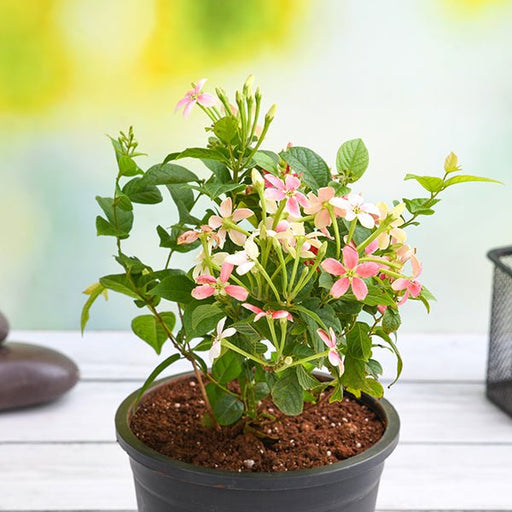
The Tabebuia avellanedae, commonly known as the Pink Trumpet Tree, is a stunning deciduous tree native to South America, particularly Brazil and Argentina. Renowned for its breathtaking display of vibrant pink flowers, this tree blooms in late winter to early spring, creating a spectacular sight that attracts pollinators and enhances any landscape. With its smooth, gray bark and lush green foliage, the Pink Trumpet Tree is not only visually appealing but also a vital part of its ecosystem.

What makes the Pink Trumpet Tree special is its ability to thrive in various soil types and its resilience to drought conditions. This tree is a symbol of beauty and strength, often associated with renewal and hope in many cultures. Its striking blossoms are not just a feast for the eyes; they also play a crucial role in supporting local wildlife, making it an essential addition to any garden or park.

One of the standout features of the Tabebuia avellanedae is its rapid growth rate, reaching heights of up to 30 feet. Its large, trumpet-shaped flowers can measure up to 3 inches across, creating a stunning canopy of color. Additionally, the tree's wood is highly valued for its durability and resistance to decay, making it a sustainable choice for various applications.

Growing Instructions:

  • Plant in well-drained soil with full sun exposure.
  • Space trees at least 20 feet apart to allow for growth.
  • Water regularly during the first year to establish roots.
  • Fertilize with a balanced fertilizer in early spring.

Care Instructions:

  • Prune dead or damaged branches annually to promote healthy growth.
  • Monitor for pests and diseases; treat as necessary.
  • Mulch around the base to retain moisture and suppress weeds.
  • Reduce watering during the dormant season.

Uses:

  • Ideal for landscaping and urban environments.
  • Provides shade and beauty in parks and gardens.
  • Attracts pollinators like bees and butterflies.
  • Wood can be used for furniture and construction.

Fun Facts:

  • The Pink Trumpet Tree is often celebrated in festivals for its stunning blooms.
  • In some cultures, the tree symbolizes love and friendship.
  • It is known for its ability to improve air quality by absorbing pollutants.
  • The tree's flowers are edible and can be used in salads and teas.

Tabebuia avellanedae Care

If you think caring for a plant is as easy as watering your houseplant, think again! Tabebuia avellanedae, or the Pink Trumpet Tree, requires a bit more finesse. This diva of the plant world loves well-drained soil and plenty of sunshine. It’s like the sunbather of trees, soaking up rays and showing off its stunning pink blooms. Just remember, too much water is a no-no; it’s not a fan of soggy feet. So, give it a little love, and it’ll reward you with a floral display that’ll make your neighbors green with envy.

Tabebuia avellanedae Growth Rate

If you’re looking for a tree that grows faster than your favorite Netflix series, the Pink Trumpet Tree is your go-to! This beauty can reach heights of up to 30 feet in just a few years, making it the overachiever of the tree world. With its rapid growth, you’ll have a stunning focal point in your garden before you can say “photosynthesis.” Just make sure to give it enough space to spread its branches and show off its vibrant blooms. It’s like the tree equivalent of a high-speed train—fast, fabulous, and hard to miss!

Tabebuia avellanedae Flowering Season

a cascade of pink flowers that look like they’ve been plucked straight from a fairy tale. These blossoms are not just pretty faces; they attract pollinators like bees and butterflies, turning your garden into a buzzing hotspot. So, if you want to be the talk of the town, plant a Tabebuia avellanedae and let the floral festivities begin!

Tabebuia avellanedae Soil Requirements

If you think all soil is created equal, think again! The Pink Trumpet Tree is a bit of a soil snob. It prefers well-drained, sandy or loamy soil that allows its roots to breathe. Heavy clay? No thanks! This tree is all about that drainage life. So, if you want to keep your Tabebuia happy, make sure it’s planted in a soil that’s as fabulous as it is. After all, a happy tree equals a happy gardener!

Tabebuia avellanedae Pruning Tips

Pruning a Tabebuia avellanedae is like giving it a stylish haircut—necessary for its health and aesthetics! The best time to wield those shears is right after flowering. This way, you can shape the tree and encourage new growth without sacrificing its stunning blooms. Just remember, don’t go overboard; you want to enhance its natural beauty, not turn it into a topiary disaster. A little snip here and there will keep your Pink Trumpet Tree looking chic and fabulous!

Tabebuia avellanedae Pest Control

Every tree has its enemies, and the Pink Trumpet Tree is no exception. But fear not! With a little vigilance and some eco-friendly pest control methods, you can keep those pesky critters at bay. Look out for aphids and scale insects, but don’t panic; a simple spray of neem oil can work wonders. Think of it as a spa day for your tree, ridding it of unwanted guests while keeping it healthy and happy. After all, a pest-free Tabebuia is a thriving Tabebuia!

Tabebuia avellanedae Landscape Design

If you’re looking to elevate your landscape game, the Pink Trumpet Tree is your secret weapon. With its stunning pink blooms and impressive height, it serves as a magnificent focal point in any garden. Pair it with low-growing shrubs or colorful perennials for a show-stopping display. It’s like the cherry on top of your garden sundae! Just make sure to give it enough room to shine, and watch as it transforms your outdoor space into a botanical masterpiece.

Tabebuia avellanedae Hardiness Zones

The Pink Trumpet Tree is not just a pretty face; it’s also tough as nails! Thriving in USDA hardiness zones 9 to 11, this tree can handle a bit of heat and humidity. It’s like the cool kid at school who can take on any challenge. So, if you live in a warmer climate, you’re in luck! Just plant it in a sunny spot, and let it strut its stuff. It’s the perfect addition to your tropical paradise!

Tabebuia avellanedae Uses

The Pink Trumpet Tree isn’t just a pretty bloom; it’s a multi-talented superstar! Beyond its ornamental beauty, it’s often used for shade in parks and gardens, providing a cool retreat on hot summer days. Its wood is also prized for its durability, making it a favorite among craftsmen. So, whether you’re looking to beautify your landscape or need some quality timber, the Tabebuia avellanedae has got you covered. Talk about a tree that does it all!

Tabebuia avellanedae Propagation

Want to spread the love? Propagating the Pink Trumpet Tree is easier than you might think! You can start with seeds or cuttings, and before you know it, you’ll have a mini forest of these beauties. Just remember to give them the right conditions—plenty of sunlight and well-drained soil. It’s like starting a tree family, and who wouldn’t want that? With a little patience and care, you’ll be the proud parent of multiple Tabebuia avellanedae trees!

Tabebuia avellanedae Environmental Benefits

The Pink Trumpet Tree is not just a pretty face; it’s also an environmental hero! By planting this tree, you’re contributing to cleaner air and providing habitat for local wildlife. Its vibrant blooms attract pollinators, while its shade offers a cool refuge for birds and other critters. So, when you plant a Tabebuia avellanedae, you’re not just beautifying your space; you’re also doing your part for Mother Earth. It’s a win-win situation!

Trending Collections

Save 40% with Gardening Solutions

You may also need

FAQ

What is Tabebuia avellanedae, Pink Trumpet - Plant?

Tabebuia avellanedae, commonly known as the Pink Trumpet Tree, is a stunning tropical beauty that flaunts vibrant pink flowers. This deciduous tree can reach impressive heights and is a favorite for landscaping. Its blooms are like nature's confetti, making any garden feel like a celebration!

How do I care for my Tabebuia avellanedae?

Caring for your Pink Trumpet Tree is a breeze! It loves full sun and well-drained soil. Water it regularly, especially during dry spells, but don’t drown it—this diva prefers a little space. Prune it to maintain shape and watch it bloom like it’s auditioning for a floral fashion show!

When does Tabebuia avellanedae bloom?

Get ready for a floral fiesta! The Pink Trumpet Tree typically blooms in late winter to early spring. Its stunning pink flowers burst forth, creating a breathtaking spectacle. Just imagine a tree dressed in pink, ready to steal the show—nature’s very own fashionista!

Where can I plant Tabebuia avellanedae?

Plant your Pink Trumpet Tree in a sunny spot with plenty of room to grow. It loves well-drained soil and can thrive in various climates. Just avoid shady corners—this tree is a sun worshipper! Think of it as the life of the garden party, always seeking the spotlight!

Is Tabebuia avellanedae suitable for small gardens?

While the Pink Trumpet Tree is a showstopper, it can grow quite large, reaching up to 50 feet! If you have a small garden, consider a dwarf variety or plant it where it has room to spread its wings. After all, even the biggest stars need space to shine!

How fast does Tabebuia avellanedae grow?

The Pink Trumpet Tree is a speedy grower, often reaching maturity in just a few years. With the right conditions, it can grow up to 2-3 feet annually. It’s like the overachiever of the plant world—always striving for the top and blooming with confidence!

Can Tabebuia avellanedae tolerate drought?

Yes, the Pink Trumpet Tree is quite drought-tolerant once established. However, it prefers a good drink during dry spells to keep those blooms coming. Think of it as a plant that enjoys a spa day—occasional pampering goes a long way in keeping it happy and blooming!

Is Tabebuia avellanedae invasive?

Fear not! Tabebuia avellanedae is not considered invasive in most regions. It’s more of a well-mannered guest at the garden party, charming everyone without taking over. Just keep an eye on it, as it can spread if conditions are just right—like any good party crasher!

What pests affect Tabebuia avellanedae?

The Pink Trumpet Tree is generally pest-resistant, but watch out for aphids and scale insects. They can be pesky party guests, but a good spray of insecticidal soap or neem oil can send them packing. Keep your tree healthy, and it’ll keep the pests at bay!

Can I propagate Tabebuia avellanedae?

Absolutely! Propagating the Pink Trumpet Tree is like sharing the love. You can do it through seeds or cuttings. Just ensure you have the right conditions—warmth, moisture, and a little patience. Soon, you’ll have more of these beauties to spread joy in your garden!

Is Tabebuia avellanedae safe for pets?

Good news for pet parents! Tabebuia avellanedae is non-toxic to dogs and cats. So, let your furry friends frolic around this stunning tree without worry. Just keep an eye on them—after all, they might be more interested in the flowers than you are!