Skip to content

Rosa centifolia

Sold out
Original price ₹ 249
₹ 249
₹ 249
Current price ₹ 249

Product includes

SrNoItem Name
1Rosa centifolia

Rosa Centifolia: The Cabbage Rose

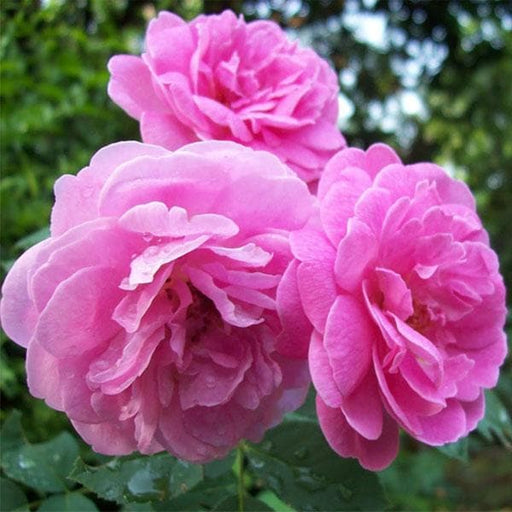
Rosa centifolia, commonly known as the Cabbage Rose, is a stunning perennial shrub renowned for its lush, full blooms and delightful fragrance. Native to the Mediterranean region, this rose variety has been cultivated for centuries, celebrated for its beauty and aromatic properties. With its dense, rounded flower heads, Rosa centifolia adds a touch of elegance to any garden, making it a favorite among gardeners and floral enthusiasts alike.

What makes Rosa centifolia truly special is its historical significance and versatility. Used in perfumery and traditional medicine, this rose has been cherished since ancient times. Its captivating scent is a key ingredient in high-quality rose oils, making it a staple in the fragrance industry. Additionally, its rich cultural heritage is reflected in art and literature, symbolizing love and beauty across various civilizations.

One of the standout features of Rosa centifolia is its ability to thrive in diverse environments while providing ecological benefits. This hardy plant attracts pollinators such as bees and butterflies, contributing to biodiversity. Its lush foliage also helps improve air quality, making it an excellent choice for eco-conscious gardeners.

Growing Instructions

  • Plant in well-drained soil with a pH of 6.0 to 6.8.
  • Choose a location that receives full sun (at least 6 hours of sunlight daily).
  • Space plants 2 to 3 feet apart to allow for air circulation.
  • Water regularly, especially during dry spells, but avoid waterlogging.

Care Instructions

  • Prune in early spring to remove dead or diseased wood and encourage new growth.
  • Fertilize with a balanced rose fertilizer every 4-6 weeks during the growing season.
  • Monitor for pests like aphids and spider mites; treat with organic insecticides if necessary.
  • Mulch around the base to retain moisture and suppress weeds.

Uses

  • Extracted for essential oils used in perfumes and cosmetics.
  • Used in herbal remedies for its anti-inflammatory properties.
  • Edible petals can be used in salads, desserts, and teas.
  • Ideal for creating fragrant bouquets and arrangements.

Fun Facts

  • Rosa centifolia is often referred to as the "Hundred Petal Rose" due to its numerous petals.
  • This rose variety has been cultivated since the 16th century and is a key ingredient in the famous Turkish delight.
  • In ancient times, Rosa centifolia was used in rituals and celebrations, symbolizing love and beauty.
  • Its essential oil is one of the most expensive in the world, requiring thousands of petals to produce just a small amount.

Rosa centifolia Care

If you think caring for a Rosa centifolia is like nurturing a diva, you’re not far off! This flower demands attention, but in return, it rewards you with stunning blooms and a fragrance that could make even the grumpiest neighbor smile. Water it just right, give it some sunlight, and don’t forget to whisper sweet nothings to it. Pruning? Oh, it loves a good haircut! Just remember, a little snip here and there can lead to a floral explosion that’ll have your garden looking like a scene from a romantic movie.

Rosa centifolia Uses

The uses of Rosa centifolia are as diverse as a buffet at a wedding! From potpourri to perfumes, this flower is the life of the party. Want to impress your friends? Whip up some rosewater for your culinary masterpieces or add it to your skincare routine for that dewy glow. It’s like having a multi-talented friend who can cook, sing, and do your taxes—except it’s a flower, and it smells way better!

Rosa centifolia Varieties

When it comes to varieties of Rosa centifolia, think of it as a family reunion where everyone shows up in their Sunday best. You’ve got the classic ‘Cabbage Rose’ flaunting its ruffled petals, while ‘Pompon’ is the cute cousin that’s just a bit rounder. Each variety has its own personality, and they all bring something unique to the table. So, whether you’re looking for a showstopper or a subtle beauty, there’s a Rosa centifolia for every garden party!

Rosa centifolia History

The history of Rosa centifolia is like a romantic novel filled with intrigue and passion. Originating from the Middle East, this flower has traveled through time, charming poets and perfumers alike. It’s been a symbol of love, beauty, and even rebellion! Imagine it gracing the gardens of royalty while secretly plotting to take over the world—one bouquet at a time. This flower has seen it all, and its legacy continues to bloom in gardens around the globe.

Rosa centifolia Fragrance

Ah, the fragrance of Rosa centifolia! It’s like a love letter to your senses, wrapping you in a warm embrace of floral bliss. This scent is not just any ordinary aroma; it’s the kind that makes you want to twirl in a field of flowers while wearing a flowing dress. Whether you’re using it in perfumes or simply enjoying it in your garden, the fragrance is a reminder that life is too short not to stop and smell the roses—literally!

Rosa centifolia in Perfumes

If you’ve ever wondered why your favorite perfume smells so divine, chances are Rosa centifolia is the secret ingredient! This flower is the superstar of the fragrance world, adding a touch of elegance and romance to any scent. It’s like the cherry on top of a sundae—absolutely essential! So, next time you spritz on that floral fragrance, remember you’re wearing a piece of history, beauty, and a whole lot of charm.

Rosa centifolia Tea

Sip, sip, hooray! Rosa centifolia tea is the delightful brew that makes your afternoon feel like a fancy tea party. With its delicate flavor and aromatic notes, this tea is not just a drink; it’s an experience. Imagine lounging in your garden, sipping on this floral elixir, and feeling like royalty. Plus, it’s packed with antioxidants, so you can feel good about indulging in this floral delight. Cheers to that!

Rosa centifolia Cultivation

Cultivating Rosa centifolia is like hosting a garden gala where you’re the star! It requires a bit of finesse, but once you get the hang of it, you’ll be the talk of the town. Choose the right soil, give it plenty of sunlight, and watch as it transforms into a stunning spectacle. Just remember, patience is key—good things come to those who wait, and in this case, it’s a garden full of gorgeous blooms!

Rosa centifolia Symbolism

The symbolism of Rosa centifolia is as rich as its petals are soft. Often associated with love and beauty, this flower has been a muse for artists and poets for centuries. It’s the perfect gift for that special someone or a lovely way to express your feelings without uttering a word. So, whether you’re sending a bouquet or planting one in your garden, you’re not just growing a flower; you’re cultivating a message of love!

Rosa centifolia Pests

Ah, the pests of Rosa centifolia—those little garden gremlins that think they can crash the party! From aphids to spider mites, these uninvited guests can wreak havoc on your beloved blooms. But fear not! With a little vigilance and some organic pest control, you can send them packing. Think of it as a game of whack-a-mole, where you’re the hero defending your floral fortress. Keep your garden safe, and let the roses reign supreme!

Rosa centifolia in Art

Rosa centifolia has been a muse for artists throughout history, inspiring masterpieces that capture its beauty in every brushstroke. From classic paintings to modern photography, this flower has graced canvases and galleries alike. It’s like the supermodel of the floral world, always ready for its close-up! So, whether you’re an artist or an admirer, remember that every petal tells a story, and Rosa centifolia is the star of the show!

Trending Collections

Save 40% with Gardening Solutions

You may also need

FAQ

What is Rosa centifolia?

Rosa centifolia, also known as the cabbage rose, is a fragrant beauty that blooms in a delightful array of pinks. This perennial favorite is adored for its lush petals and intoxicating scent, making it a staple in gardens and perfumeries alike. Who wouldn’t want a rose that smells as good as it looks

Where does Rosa centifolia grow?

Rosa centifolia thrives in temperate climates, often found in gardens across Europe and North America. It loves well-drained soil and plenty of sunshine, so plant it where it can soak up those rays. Just think of it as a sunbather with a flair for the dramatic—always ready to show off its stunning blooms!

What are the uses of Rosa centifolia?

Rosa centifolia is not just a pretty face; it’s a multitasker! This rose is used in perfumes, cosmetics, and even culinary delights. Its petals can be steeped for tea or turned into rose water. Talk about versatility! It’s like the Swiss Army knife of the floral world—always ready for action!

Is Rosa centifolia easy to grow?

Growing Rosa centifolia can be a walk in the park, provided you give it the right conditions. It enjoys well-drained soil and regular watering, but don’t drown it! With a little TLC, you’ll have a blooming beauty that’ll make your neighbors green with envy. Just remember, every diva needs her space!

What is the ideal climate for Rosa centifolia?

Rosa centifolia prefers a temperate climate, where it can bask in the sun without breaking a sweat. It thrives in USDA zones 4 to 9, so if you live in these areas, you’re in luck! Just keep it away from extreme temperatures, and it’ll reward you with a fragrant floral show.

How often should I water Rosa centifolia?

Water Rosa centifolia regularly, but let it dry out between sips. Aim for about an inch of water per week, adjusting for rainfall. Think of it as a delicate diva—too much water, and it’ll sulk; too little, and it’ll wilt. Find that sweet spot, and you’ll have a happy, blooming rose!

What pests affect Rosa centifolia?

Rosa centifolia can attract a few uninvited guests, like aphids and spider mites. But fear not! A gentle spray of insecticidal soap or neem oil can send them packing. Just remember, every rose has its thorns, and a little pest control goes a long way in keeping your floral friend happy!

Can Rosa centifolia be grown in pots?

Absolutely! Rosa centifolia can thrive in pots, making it perfect for patios or balconies. Just ensure the pot has drainage holes and use quality potting soil. It’s like giving your rose a cozy apartment—just the right amount of space to flourish and show off those stunning blooms!

What is the best time to prune Rosa centifolia?

Prune Rosa centifolia in late winter or early spring, just before new growth begins. This helps shape the plant and encourages more blooms. Think of it as a makeover session—snip, snip, hooray! Your rose will thank you with a fabulous display of flowers that’ll make heads turn.

How long do Rosa centifolia blooms last?

Rosa centifolia blooms typically last about 4 to 6 weeks, depending on the weather. They’re like the life of the party—here for a good time, not a long time! But don’t worry; with proper care, you can enjoy multiple flushes of blooms throughout the growing season. Keep the party going!

Is Rosa centifolia fragrant?

Oh, you bet it is! Rosa centifolia is renowned for its intoxicating fragrance, often described as sweet and floral. It’s the kind of scent that makes you want to stop and smell the roses—literally! Perfect for perfumes and potpourri, this rose knows how to leave a lasting impression. Who could resist that charm