Skip to content

Rhus glabra - Plant

Sold out
Original price ₹ 249
₹ 249
₹ 249
Current price ₹ 249

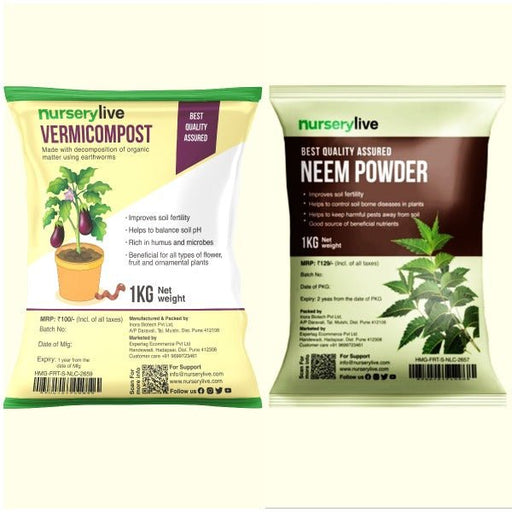
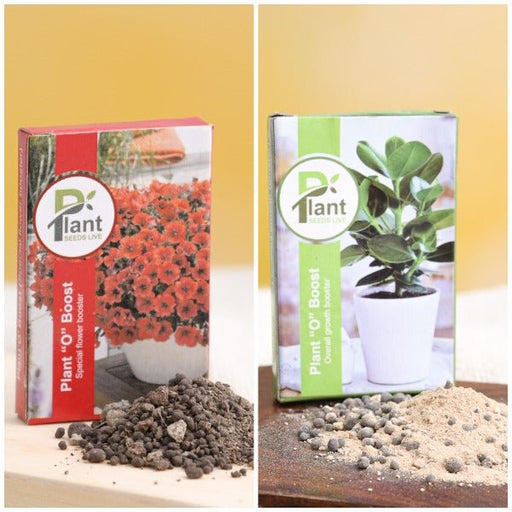
Product includes

SrNoItem Name
1Rhus glabra - Plant

Rhus glabra - Smooth Sumac Plant

Rhus glabra, commonly known as Smooth Sumac, is a deciduous shrub native to North America. This hardy plant can grow up to 10 feet tall and is characterized by its vibrant red berries and striking fall foliage. Smooth Sumac thrives in a variety of soil types and is often found in open fields, along roadsides, and in disturbed areas, making it a resilient addition to any garden.

What makes Rhus glabra special is its ability to adapt to various environmental conditions while providing essential habitat for wildlife. The plant's berries are a vital food source for birds and other animals, while its dense foliage offers shelter. Additionally, Smooth Sumac is known for its medicinal properties, historically used by Indigenous peoples for its astringent and anti-inflammatory effects.

One of the standout features of Rhus glabra is its stunning autumn display. The leaves turn brilliant shades of red and orange, creating a breathtaking visual impact in any landscape. Furthermore, the plant is drought-tolerant and requires minimal maintenance, making it an excellent choice for eco-friendly gardening.

Growing Instructions:

  • Plant in well-drained soil with full sun to partial shade.
  • Space plants 3-10 feet apart to allow for growth.
  • Water regularly during the first growing season to establish roots.

Care Instructions:

  • Prune in late winter to maintain shape and remove dead wood.
  • Monitor for pests; use organic insecticides if necessary.
  • Mulch around the base to retain moisture and suppress weeds.

Uses:

  • Edible berries can be used to make beverages, jams, and marinades.
  • Leaves and bark have been used in traditional medicine.
  • Ideal for erosion control and as a natural privacy screen.

Fun Facts:

  • Rhus glabra is often mistaken for poison sumac, but it is non-toxic.
  • The plant's berries are rich in vitamin C and have antioxidant properties.
  • Indigenous peoples used Smooth Sumac for dyeing and crafting tools.

Environmental Impact:

Rhus glabra plays a crucial role in supporting local ecosystems. Its deep root system helps prevent soil erosion, while its berries provide nourishment for various bird species. By incorporating Smooth Sumac into your landscape, you contribute to biodiversity and promote a healthier environment.

Rhus glabra benefits

If you’re looking for a plant that’s as versatile as a Swiss Army knife, look no further than Rhus glabra, also known as smooth sumac. This little green powerhouse offers a plethora of benefits, from its stunning fall foliage to its ability to attract wildlife. Not only does it provide a feast for birds and butterflies, but its leaves can also be brewed into a tangy tea. Who knew a tree could be so multi-talented?

Rhus glabra care

Caring for Rhus glabra is like having a pet rock—low maintenance and surprisingly rewarding. This hardy tree thrives in various soil types and loves a good sunbath. Just plant it, water it occasionally, and watch it grow like it’s on a mission. No need for fancy fertilizers or constant pruning; this tree is all about that laid-back lifestyle.

Rhus glabra uses

The uses of Rhus glabra are as diverse as a buffet table at a family reunion. From landscaping to herbal remedies, this tree has got you covered. Its berries can be used to make a zesty drink, while its leaves can be utilized in traditional medicine. Plus, it’s a fantastic choice for erosion control. Talk about a tree that does it all!

Rhus glabra habitat

Rhus glabra is the ultimate homebody, preferring to settle in sunny, well-drained areas. You’ll find it thriving in open fields, along roadsides, and in disturbed sites. It’s like the tree equivalent of a free spirit, adapting to various environments while still looking fabulous. Just give it some space, and it’ll reward you with its vibrant presence.

Rhus glabra propagation

Propagating Rhus glabra is easier than pie—just take some cuttings or collect those delightful seeds. With a little patience and a sprinkle of luck, you’ll have new trees sprouting up like they’re auditioning for a role in a nature documentary. It’s a fun project that can turn your backyard into a mini Rhus glabra forest.

Rhus glabra growth rate

If you’re impatient for instant gratification, Rhus glabra is your tree. With a growth rate that can reach up to 2 feet per year, it’s like watching a time-lapse video of nature. Before you know it, you’ll have a lush, green tree that’s the envy of the neighborhood. Just sit back, relax, and let it do its thing.

Rhus glabra soil requirements

Rhus glabra is not picky about its living conditions; it’s the tree equivalent of a laid-back roommate. It thrives in a variety of soil types, from sandy to clay, as long as it’s well-drained. So, whether you have a garden fit for royalty or a patch of dirt that’s seen better days, this tree will make itself at home.

Rhus glabra wildlife attraction

If you want to throw a party for local wildlife, plant a Rhus glabra. This tree is like a five-star restaurant for birds, butterflies, and other critters. Its berries are a tasty treat, while its dense foliage provides shelter. You’ll have a front-row seat to nature’s greatest show, complete with chirps, flutters, and the occasional squirrel drama.

Rhus glabra medicinal properties

Rhus glabra isn’t just a pretty face; it comes with a side of medicinal benefits. Traditionally, its leaves and berries have been used to treat various ailments, from digestive issues to skin irritations. Just remember, while it’s great for home remedies, consult a professional before turning your garden into a pharmacy.

Rhus glabra landscaping

Looking to spice up your landscape? Rhus glabra is the perfect addition to your garden party. With its stunning fall colors and unique growth habit, it’s a showstopper that can serve as a focal point or a natural privacy screen. Plus, it’s a low-maintenance option that will have your neighbors asking for your gardening secrets.

Rhus glabra drought tolerance

If you live in a dry area and need a tree that can handle the heat, Rhus glabra is your go-to. This drought-tolerant wonder can survive with minimal water, making it the perfect companion for those hot summer days. It’s like the friend who always shows up with snacks, even when you’re running low on supplies.

Rhus glabra fall color

When autumn rolls around, Rhus glabra puts on a show that would make even the most seasoned performer jealous. Its leaves transform into a vibrant palette of reds, oranges, and yellows, creating a stunning display that lights up the landscape. It’s nature’s way of reminding us that change can be beautiful, and who doesn’t love a good fall fashion statement?

Trending Collections

Save 40% with Gardening Solutions

You may also need

FAQ

What is Rhus glabra?

Rhus glabra, also known as smooth sumac, is a deciduous shrub or small tree native to North America. With its vibrant red berries and stunning fall foliage, it’s like nature’s confetti! Perfect for wildlife, it attracts birds and butterflies, making your garden a party zone. Who wouldn’t want that

Where does Rhus glabra grow?

Rhus glabra thrives in a variety of habitats, from sunny fields to rocky hillsides. It’s like the overachiever of the plant world, adapting to poor soils and drought conditions. Just give it some sunshine and watch it strut its stuff, proving that even plants can be divas!

How tall does Rhus glabra get?

This plant can reach heights of 10 to 15 feet, making it a modest giant in the shrub world. It’s not trying to steal the spotlight, but it certainly knows how to stand tall and proud. Perfect for creating a natural privacy screen or just showing off!

Is Rhus glabra invasive?

Fear not! Rhus glabra is not considered invasive in most areas. It’s more of a well-mannered guest at the garden party, spreading through suckers but not taking over the whole place. Just keep an eye on it, and it’ll play nice with your other plants.

What are the uses of Rhus glabra?

Beyond its beauty, Rhus glabra has culinary and medicinal uses. The berries can be made into a tangy drink, while the leaves have been used in traditional medicine. It’s like a multi-talented friend who can whip up a cocktail and offer sage advice all in one go!

Is Rhus glabra toxic?

Good news! Rhus glabra is not toxic to humans or pets. Unlike its cousin, poison sumac, this plant is more of a friendly neighbor. Just avoid the urge to snack on the berries raw, as they can be a bit tart. Think of it as nature’s sour candy!

How do you propagate Rhus glabra?

Propagating Rhus glabra is as easy as pie! You can do it through seeds or cuttings. Just plant the seeds in well-draining soil or take cuttings in spring, and watch your garden grow. It’s like starting a family tree, but with less drama and more greenery!

What soil does Rhus glabra prefer?

Rhus glabra is not picky about soil; it thrives in sandy, loamy, or even rocky soils. It’s the plant equivalent of a laid-back friend who’s happy anywhere. Just ensure good drainage, and it’ll be as happy as a clam in a sunny spot!

When does Rhus glabra bloom?

Rhus glabra typically blooms in late spring to early summer, showcasing clusters of tiny greenish-yellow flowers. It’s like a floral fireworks show, attracting pollinators and adding a splash of color to your garden. Just sit back and enjoy the buzz of nature’s party!

Can Rhus glabra handle drought?

Absolutely! Rhus glabra is drought-tolerant once established, making it the ultimate low-maintenance plant. It’s like that friend who can go without food for a day and still be cheerful. Just give it a little water during its early days, and it’ll thrive on neglect!

What wildlife does Rhus glabra attract?

Rhus glabra is a wildlife magnet! Its berries are a feast for birds, while its flowers lure in bees and butterflies. It’s like a five-star restaurant for critters, ensuring your garden is always buzzing with life. Who knew being a plant could be so social