What light does the Aglaonema Siam Aurora need to keep its lipstick-red colour vivid?
This lipstick variety keeps its brightest pink-red edges in bright indirect light near a window with a sheer curtain. Too little light makes the red fade toward plain green, while harsh direct sun can scorch the leaves, so a well-lit but shaded spot is ideal.
How often should I water my Aglaonema Siam Aurora in its 4 inch pot?
Let the top inch or two of soil dry out between waterings, which in a small 4 inch pot usually means watering roughly once or twice a week depending on your indoor conditions. Aglaonema dislikes soggy roots, so err on the drier side, especially in cooler weather.
Is the Aglaonema Siam Aurora really low maintenance for beginners?
Yes, it is one of the more forgiving houseplants and tolerates missed waterings and average indoor light well. Just avoid overwatering and cold drafts, and it will reward even a first-time plant owner with steady, colourful growth.
Does the Aglaonema lipstick plant actually purify indoor air?
Aglaonema is widely recognised as a natural air-purifying foliage plant that helps freshen indoor spaces. While a single small plant won't transform a whole room, grouping a few makes a pleasant, greener living environment.
Where should I place my Aglaonema Siam Aurora at home?
It suits living rooms, bedrooms, study desks and office corners that receive bright but indirect light. Being compact in its 4 inch pot, it works beautifully as a tabletop or shelf accent where its red-flushed foliage stands out.
Is the Aglaonema Siam Aurora safe around pets and children?
Aglaonema is toxic if chewed, as the sap can irritate the mouth and stomach of pets and children. Keep it on a shelf or spot out of reach, and wash your hands after handling cut stems.
How do I repot the Aglaonema once it outgrows the 4 inch pot?
When roots start circling or poking out of the drainage holes, move it up to a pot one size larger with fresh, well-draining potting mix. Aglaonema actually likes being a little snug, so avoid jumping into a very large pot as excess soil stays wet and risks rot.
Why are the leaves on my Aglaonema Siam Aurora turning yellow?
Yellowing leaves most often signal overwatering or poor drainage, though cold exposure can also cause it. Check that the soil isn't staying soggy, ensure the pot drains freely, and keep the plant away from AC drafts.
How can I propagate my Aglaonema Siam Aurora?
It is most reliably propagated by dividing a mature clump at repotting time, separating rooted offshoots into their own pots. Stem cuttings can also be rooted in water or moist soil, though division gives you established plants faster.
What kind of soil is best for the Aglaonema lipstick plant?
Use a light, well-draining potting mix, ideally garden soil blended with cocopeat and compost plus a little sand or perlite for aeration. The goal is a mix that holds some moisture but never stays waterlogged.
How do I care for my Aglaonema Siam Aurora during Indian summers?
In hot summers the small pot dries faster, so check moisture more often and water when the top layer dries, while keeping the plant out of scorching afternoon sun. Occasional misting or wiping the leaves helps counter the dry heat and keeps foliage looking fresh.
Should I fertilise my Aglaonema Siam Aurora, and how often?
Feed lightly during the warmer growing months with a balanced liquid houseplant fertiliser diluted to half strength, roughly once a month. Skip feeding in winter when growth naturally slows, as excess fertiliser can burn the roots.
Why are the red edges on my Aglaonema fading?
Fading colour almost always means the plant isn't getting enough light, causing the pink-red pigment to give way to green. Move it to a brighter indirect spot and the new leaves should emerge with stronger lipstick tones.
What does the Aglaonema Siam Aurora look like when it arrives?
It arrives as a nursery-grown, established plant in a 4 inch pot, ready to display straight away rather than as a bare sapling. Leaf count and exact colouration vary a little between plants since each is individually grown.
How do I deal with brown, crispy leaf tips on my Aglaonema?
Crispy brown tips usually come from dry air, inconsistent watering, or a buildup of salts from tap water or fertiliser. Water more evenly, raise humidity by misting or grouping plants, and occasionally flush the pot with plain water to leach out salts.


 White Marble Pebbles (1 kg)
₹199
White Marble Pebbles (1 kg)
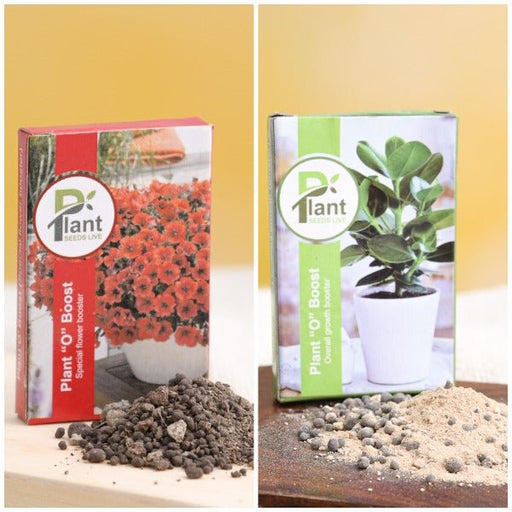
₹199 Plant O Boost — Growth Booster
₹239
Plant O Boost — Growth Booster
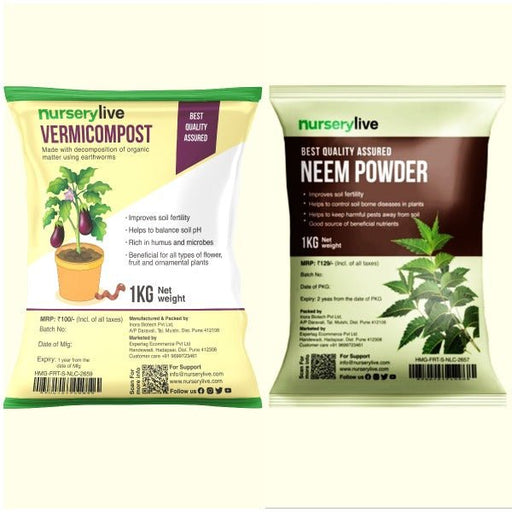
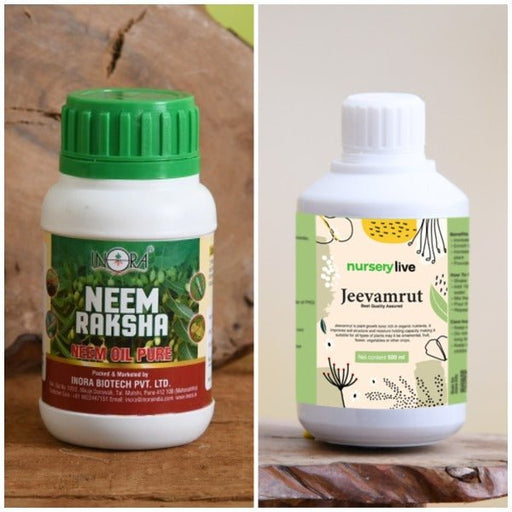
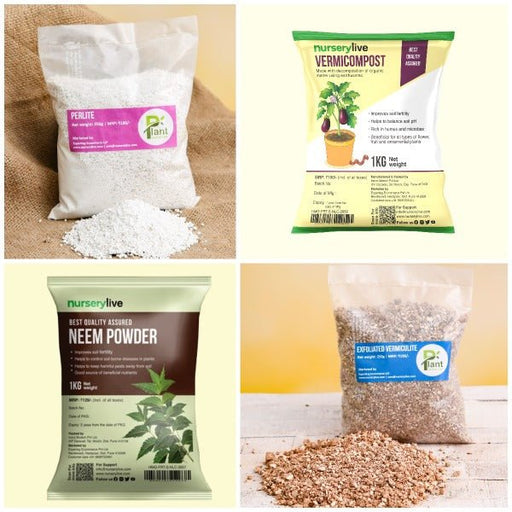
₹239 Garden Essential Plant Care Kit
₹599
Garden Essential Plant Care Kit
₹599