Skip to content

Lepianthes umbellata

Sold out
Original price ₹ 249
₹ 249
₹ 249
Current price ₹ 249

Product includes

SrNoItem Name
1Lepianthes umbellata

Lepianthes umbellata

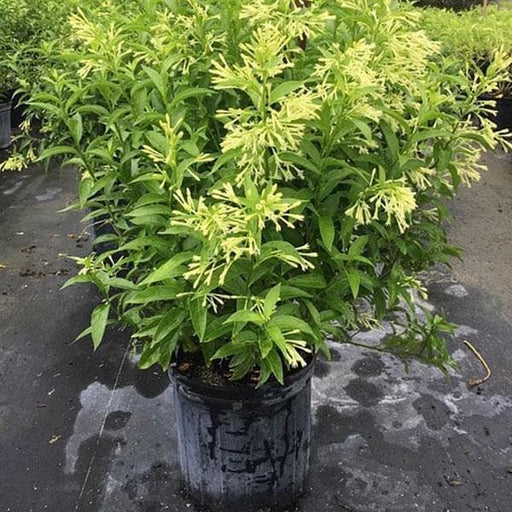
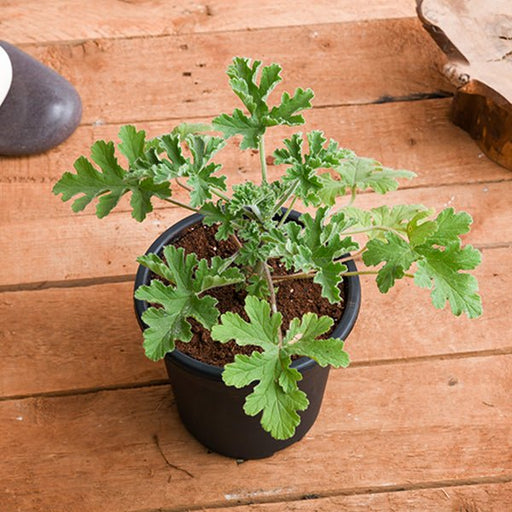
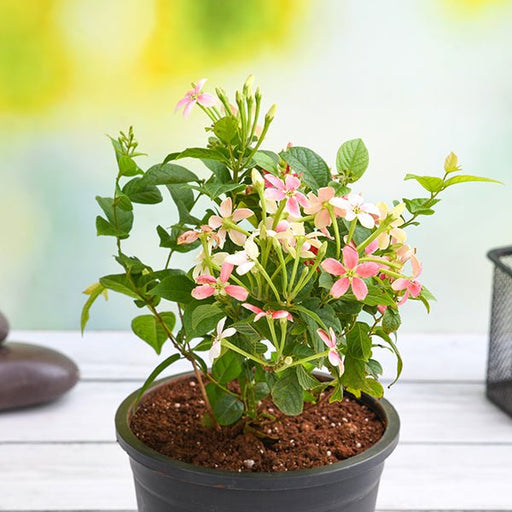
Lepianthes umbellata, commonly known as the Umbrella Plant, is a striking perennial native to tropical regions. This unique plant features lush, glossy leaves that radiate from a central point, resembling an umbrella. Its vibrant green foliage not only adds aesthetic appeal to any garden or indoor space but also contributes to air purification, making it a popular choice among plant enthusiasts.

What sets Lepianthes umbellata apart is its ability to thrive in low-light conditions, making it an ideal houseplant for those with limited sunlight. Additionally, its resilience to varying humidity levels allows it to adapt to different environments, from humid bathrooms to drier living rooms.

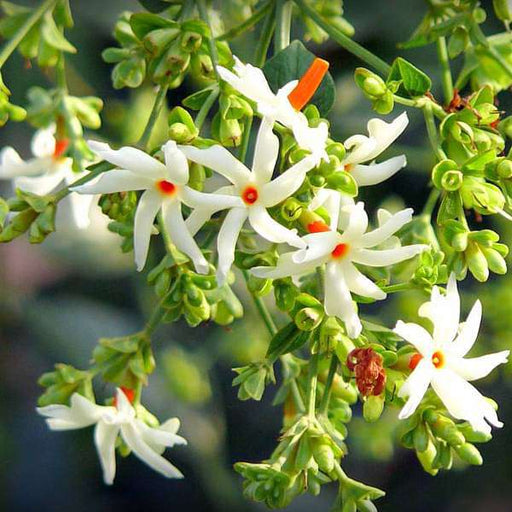
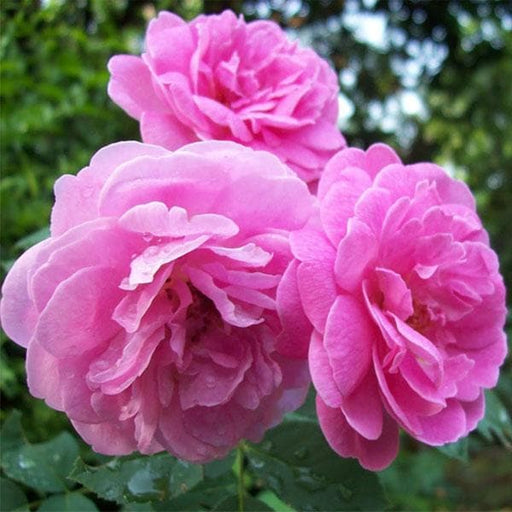
One of the special features of this plant is its unique flowering pattern. When in bloom, Lepianthes umbellata produces clusters of small, white flowers that attract pollinators, enhancing biodiversity in your garden. This plant not only beautifies your space but also supports local ecosystems.

Growing Instructions

  • Plant in well-draining soil with a pH of 6.0 to 7.0.
  • Place in indirect sunlight; avoid direct sun exposure.
  • Maintain a temperature range of 65°F to 75°F (18°C to 24°C).
  • Water when the top inch of soil feels dry; do not overwater.

Care Instructions

  • Fertilize every 4-6 weeks during the growing season with a balanced fertilizer.
  • Dust leaves regularly to enhance photosynthesis.
  • Prune dead or yellowing leaves to promote healthy growth.
  • Monitor for pests like spider mites and aphids; treat promptly.

Uses

  • Ideal for indoor decoration and enhancing air quality.
  • Can be used in terrariums or as part of a tropical garden.
  • Serves as a natural humidifier, beneficial for dry environments.

Fun Facts

  • Lepianthes umbellata is known for its ability to filter indoor air pollutants.
  • This plant has been used in traditional medicine for its soothing properties.
  • Historically, it has been associated with good luck and prosperity in various cultures.

Environmental Impact

Lepianthes umbellata plays a vital role in promoting biodiversity. By attracting pollinators, it supports local ecosystems and contributes to the health of the environment. Its ability to thrive in various conditions makes it a sustainable choice for gardeners looking to enhance their green spaces.

Lepianthes umbellata Care

If you think caring for a Lepianthes umbellata is like raising a pet rock, think again! This tree requires a bit of TLC, including well-drained soil and a sunny spot to strut its stuff. Water it just enough to keep it happy, but don’t drown it—this isn’t a swimming pool party! Regular pruning will keep it looking sharp and prevent it from turning into a wild jungle. So, roll up your sleeves and get ready to be the proud parent of this botanical beauty!

Lepianthes umbellata Benefits

Who knew that a tree could be a multitasking marvel? The Lepianthes umbellata isn’t just a pretty face; it offers shade, beauty, and even a habitat for local wildlife. Its lush foliage can cool down your backyard, making it the perfect spot for summer barbecues. Plus, it’s a natural air purifier, so you can breathe easy while you sip your lemonade. Talk about a tree that gives back!

Lepianthes umbellata Growth Rate

If you’re looking for a tree that’s in it for the long haul, the Lepianthes umbellata is your go-to. This slow-growing beauty takes its time to reach maturity, which means you won’t have to worry about it outgrowing your yard overnight. Patience is a virtue, and with this tree, you’ll be rewarded with a stunning specimen that’s worth the wait. Just think of it as the tortoise in the race of life!

Lepianthes umbellata Propagation

Ready to play plant parent? Propagating Lepianthes umbellata is like baking a cake—follow the recipe, and you’ll have a delightful result! You can take cuttings or seeds, but make sure to give them the right conditions to thrive. It’s a bit of a science experiment, but with a sprinkle of love and a dash of patience, you’ll have new trees sprouting up in no time. Just don’t forget to name them!

Lepianthes umbellata Pests

Every tree has its foes, and the Lepianthes umbellata is no exception. While it’s generally resilient, it can attract some pesky pests that think it’s a buffet. Aphids and scale insects might try to crash the party, but with a little vigilance and some organic pest control, you can keep your tree safe and sound. Think of yourself as the bouncer at the hottest club in town—no unwanted guests allowed!

Lepianthes umbellata Soil Requirements

The secret to a happy Lepianthes umbellata lies in its soil. This tree prefers well-draining, loamy soil that’s rich in organic matter. It’s like giving your tree a five-star hotel experience! Avoid heavy clay or overly sandy soils, as they can lead to unhappy roots. So, roll up your sleeves and mix in some compost to create the perfect home for your leafy friend. Your tree will thank you with vibrant growth!

Lepianthes umbellata Sunlight Needs

Sunlight is the lifeblood of the Lepianthes umbellata, and it’s not shy about asking for it! This tree thrives in full sun, soaking up those rays like a beachgoer on a sunny day. If you want it to flourish, make sure it gets at least six hours of direct sunlight daily. Just remember, too much shade is like a bad hair day for this tree—it won’t look its best!

Lepianthes umbellata Pruning

Pruning your Lepianthes umbellata is like giving it a stylish haircut—just the right snip can make all the difference! Regular pruning helps maintain its shape and encourages healthy growth. Aim for late winter or early spring to give it a fresh start for the growing season. Just be careful not to go overboard; you want it to look fabulous, not like it just lost a battle with hedge clippers!

Lepianthes umbellata Uses

The Lepianthes umbellata isn’t just a pretty face; it’s a versatile tree that can be used in various landscaping projects. Whether you want to create a stunning focal point in your garden or provide shade for your patio, this tree has got you covered. Its lush foliage and unique structure make it a favorite among landscape designers. So, get creative and let this tree be the star of your outdoor space!

Lepianthes umbellata Hardiness Zone

If you’re wondering whether the Lepianthes umbellata can handle your climate, check its hardiness zone! This tree is a bit picky about where it sets down roots, preferring warmer climates. It thrives in USDA zones 9 to 11, so if you live in a cooler area, you might want to consider a cozy indoor spot for it. After all, nobody likes to be left out in the cold!

Lepianthes umbellata Companion Plants

Pairing your Lepianthes umbellata with the right companions can create a harmonious garden symphony. Think of it as matchmaking for plants! Consider adding colorful flowering shrubs or ground covers that complement its lush foliage. Not only will they enhance each other’s beauty, but they’ll also create a thriving ecosystem. So, grab your gardening gloves and start playing plant matchmaker!

Lepianthes umbellata Landscape Design

When it comes to landscape design, the Lepianthes umbellata is like the cherry on top of your garden sundae. Its unique shape and vibrant leaves can elevate any outdoor space. Use it as a focal point, or plant it in clusters for a dramatic effect. Whether you’re going for a tropical paradise or a serene retreat, this tree can adapt to your vision. So, unleash your inner landscape artist and let this tree shine!

Trending Collections

Save 40% with Gardening Solutions

You may also need

FAQ

What is Lepianthes umbellata?

Lepianthes umbellata is a charming little plant, often mistaken for a shy wallflower at a botanical party. This perennial herb, native to tropical regions, boasts delightful umbellate flowers that can make any garden feel like a tropical paradise. It’s like the plant equivalent of a refreshing cocktail on a hot day!

Where can I find Lepianthes umbellata?

Look no further than tropical rainforests or botanical gardens that specialize in exotic flora. It’s like a treasure hunt, but instead of gold, you’ll find this botanical gem. Just remember, it thrives in warm, humid environments, so pack your sunscreen and a sense of adventure!

How do I care for Lepianthes umbellata?

Caring for Lepianthes umbellata is like nurturing a diva; it craves warmth, humidity, and well-draining soil. Keep it in bright, indirect light and water it regularly, but don’t drown it! Think of it as a delicate dance—too much or too little can lead to a dramatic exit from your garden.

Is Lepianthes umbellata easy to grow?

If you’re a plant parent with a bit of patience, Lepianthes umbellata can be your new best friend. It’s not the easiest plant to grow, but with the right conditions—warmth, humidity, and love—it’ll reward you with stunning blooms. Just remember, every diva has her quirks!

What are the benefits of Lepianthes umbellata?

Lepianthes umbellata isn’t just a pretty face; it’s also a great conversation starter! This plant can enhance your garden’s biodiversity and attract pollinators. Plus, its unique appearance can elevate your plant game, making you the envy of your gardening friends. Who knew beauty could come with such perks

Can Lepianthes umbellata be grown indoors?

Absolutely! Lepianthes umbellata can be a fabulous indoor companion, provided you give it the right conditions. Place it near a bright window, keep the humidity high, and watch it thrive. Just be prepared for it to steal the spotlight in your living room—this plant knows how to make an entrance!

What pests affect Lepianthes umbellata?

Like any diva, Lepianthes umbellata can attract unwanted attention from pests like aphids and spider mites. Keep an eye out for these little party crashers and act quickly! A gentle spray of insecticidal soap or neem oil can send them packing, ensuring your plant remains the belle of the botanical ball.

How often should I water Lepianthes umbellata?

Watering Lepianthes umbellata is a balancing act; it loves moisture but hates soggy feet. Aim to keep the soil consistently moist, watering when the top inch feels dry. Think of it as giving your plant a refreshing drink—just don’t overdo it, or it might throw a tantrum!

What soil is best for Lepianthes umbellata?

Lepianthes umbellata prefers a well-draining potting mix that retains some moisture. A blend of peat, perlite, and orchid bark can create the perfect environment for this tropical beauty. It’s like giving your plant a luxurious spa treatment—just the right mix to keep it happy and thriving!

Can Lepianthes umbellata bloom all year?

While Lepianthes umbellata loves to show off its blooms, it typically flowers during specific seasons, depending on its environment. With the right care, you might enjoy a longer blooming period, but don’t expect it to be a year-round showstopper. Think of it as a seasonal performer, dazzling when the time is right!

Is Lepianthes umbellata toxic to pets?

Good news for pet lovers! Lepianthes umbellata is generally considered non-toxic to cats and dogs. However, it’s always wise to keep an eye on your furry friends, as they might find the leaves tempting. After all, curiosity killed the cat, but it won’t harm your plant!