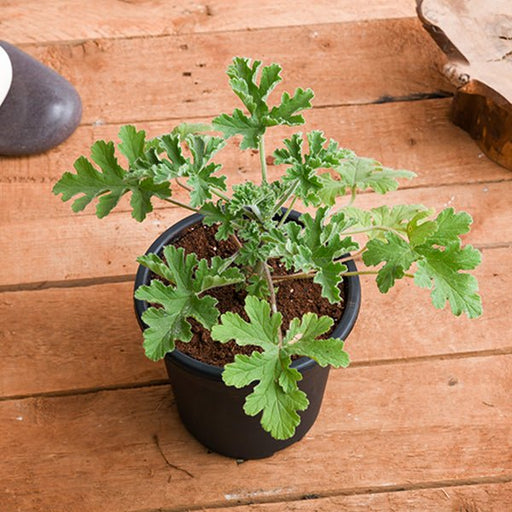
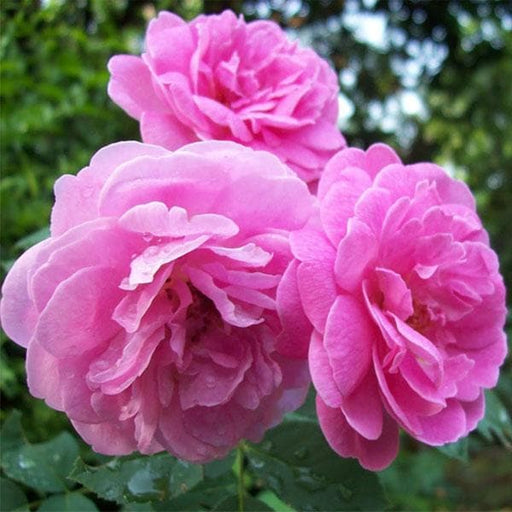
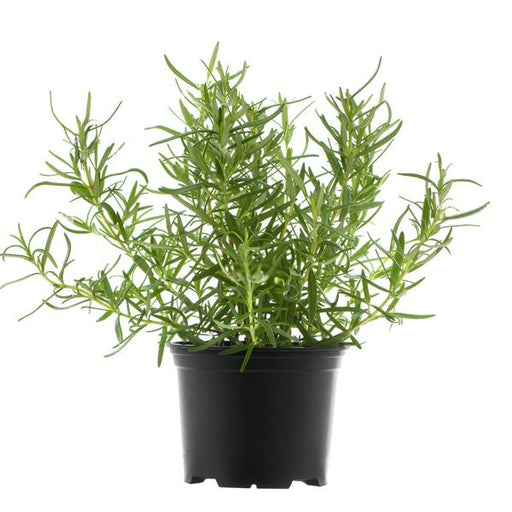
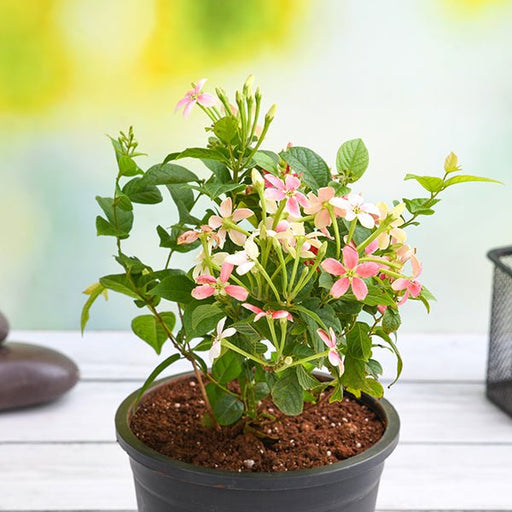
Holorheena antidysentrica Benefits
This tree is like the superhero of the plant world, swooping in to save the day with its medicinal properties. Known for its ability to combat dysentery, it’s the go-to remedy for those unfortunate enough to experience gastrointestinal distress. With its leaves and bark packed with bioactive compounds, it’s nature’s way of saying, “I’ve got your back!” So, if you’re feeling a bit under the weather, this tree might just be your new best friend.
Holorheena antidysentrica Uses
Think of this tree as the Swiss Army knife of the forest. From traditional medicine to modern herbal remedies, its versatility is unmatched. Whether you’re brewing a tea to soothe your stomach or crafting a poultice for skin ailments, Holorheena antidysentrica is ready to lend a leafy hand. It’s like having a personal pharmacist that grows right in your backyard—just don’t forget to water it!
Holorheena antidysentrica Habitat
This tree thrives in tropical climates, making it the ultimate sunbather of the botanical world. Found in the lush landscapes of India and Southeast Asia, it loves to soak up the rays while providing shade for weary travelers. Its preference for well-drained soil means it’s not a fan of soggy feet—so keep those roots dry and happy!
Holorheena antidysentrica Cultivation
Growing this tree is like hosting a party for nature. It loves a warm climate and plenty of sunlight, so make sure to roll out the red carpet for its roots. With a little TLC, you’ll have a thriving Holorheena antidysentrica in no time. Just remember, it’s not a fan of frost, so keep it cozy during those chilly nights!
Holorheena antidysentrica Traditional Medicine
In the world of traditional medicine, this tree is a rock star. Used for centuries in Ayurvedic practices, it’s revered for its ability to treat a variety of ailments. From digestive issues to skin problems, it’s like the wise old sage of the forest, offering remedies that have stood the test of time. Who needs a pharmacy when you have nature’s own medicine cabinet?
Holorheena antidysentrica Chemical Composition
The secret sauce of Holorheena antidysentrica lies in its chemical composition. Packed with alkaloids, flavonoids, and tannins, it’s a cocktail of goodness that packs a punch against ailments. These compounds work together like a well-rehearsed band, harmonizing to provide health benefits that are music to your body’s ears.
Holorheena antidysentrica Side Effects
While this tree is a champion in the herbal world, it’s not without its quirks. Some folks might experience mild side effects, like an upset stomach or allergic reactions. It’s always wise to consult with a healthcare professional before diving headfirst into the world of herbal remedies. After all, even the best superheroes have their kryptonite!
Holorheena antidysentrica Research
The scientific community is buzzing about Holorheena antidysentrica, and for good reason! Researchers are diving into its potential health benefits, exploring everything from its antimicrobial properties to its role in modern medicine. It’s like the tree is getting its moment in the spotlight, and who wouldn’t want to be the star of the show?
Holorheena antidysentrica in Ayurveda
In the realm of Ayurveda, Holorheena antidysentrica is a revered player. Known as “Dysentery Tree,” it’s celebrated for its ability to balance the doshas and promote overall wellness. Ayurvedic practitioners have long harnessed its power, making it a staple in herbal formulations. It’s like the wise guru of the plant kingdom, guiding us toward better health.
Holorheena antidysentrica and Dysentery
If dysentery were a villain, Holorheena antidysentrica would be its arch-nemesis. This tree has been used for generations to combat the nasty effects of this gastrointestinal foe. With its potent properties, it’s like a knight in shining armor, ready to rescue you from the clutches of digestive despair.
Holorheena antidysentrica Conservation
As we embrace the wonders of Holorheena antidysentrica, it’s crucial to think about conservation. This tree, like many others, faces threats from deforestation and habitat loss. By promoting sustainable practices and protecting its natural habitat, we can ensure that future generations will also benefit from this remarkable tree. Let’s be the guardians of our green friends!


 White Marble Pebbles (1 kg)
₹199
White Marble Pebbles (1 kg)
₹199 Plant O Boost — Growth Booster
₹239
Plant O Boost — Growth Booster
₹239 Garden Essential Plant Care Kit
₹599
Garden Essential Plant Care Kit
₹599