Skip to content

Figwort - Plant

Sold out
Original price ₹ 249
₹ 249
₹ 249
Current price ₹ 249

Product includes

SrNoItem Name
1Figwort - Plant

Figwort - Plant

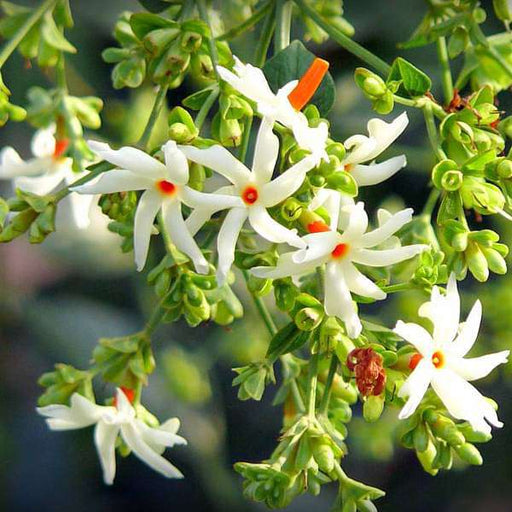
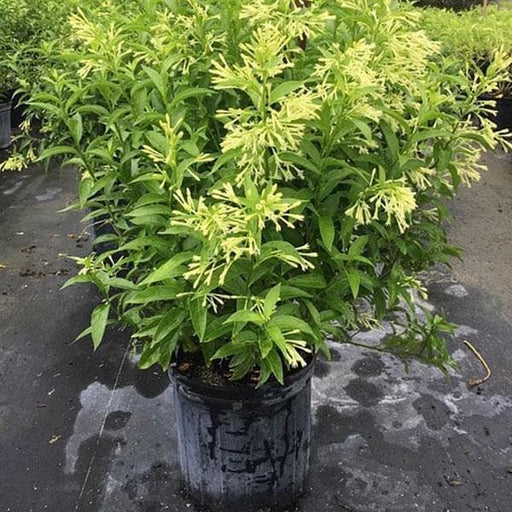
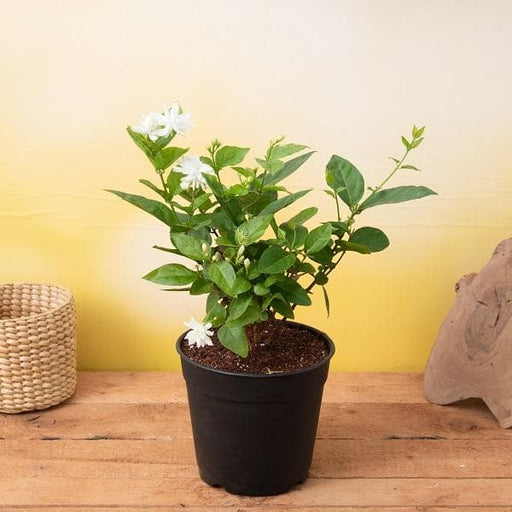
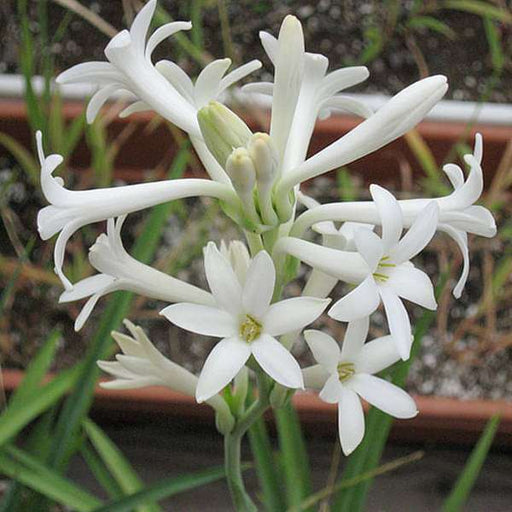
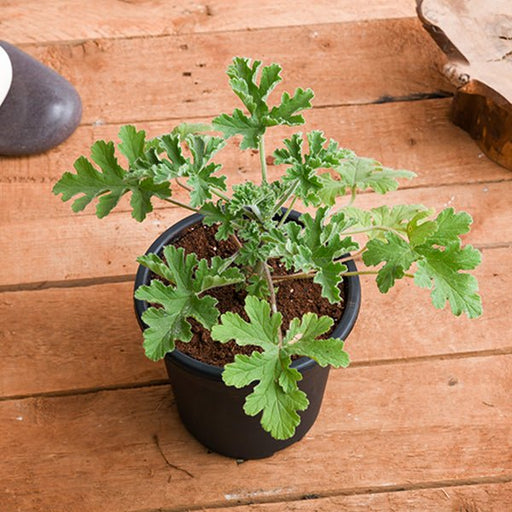
Figwort, scientifically known as Scrophularia, is a perennial herbaceous plant that thrives in moist, shaded environments. With its tall, upright stems and clusters of tubular flowers, Figwort not only adds beauty to your garden but also serves as a vital habitat for pollinators. Traditionally used in herbal medicine, Figwort is renowned for its anti-inflammatory and detoxifying properties, making it a valuable addition to any herbalist's collection.

What makes Figwort special is its rich history in traditional medicine, where it has been utilized for centuries to treat various ailments, including skin conditions and respiratory issues. Its unique ability to thrive in less-than-ideal soil conditions makes it an excellent choice for gardeners looking to enhance biodiversity in their landscapes.

One of Figwort's standout features is its adaptability; it can flourish in both full shade and partial sunlight, making it a versatile choice for diverse garden settings. Additionally, its flowers attract a variety of beneficial insects, contributing to a healthier ecosystem.

Growing Instructions

  • Plant in well-drained soil with a pH of 6.0 to 7.0.
  • Choose a location with partial to full shade.
  • Space plants 12-18 inches apart to allow for growth.
  • Water regularly, especially during dry spells, to maintain soil moisture.

Care Instructions

  • Mulch around the base to retain moisture and suppress weeds.
  • Prune dead or damaged stems in early spring to encourage new growth.
  • Fertilize with a balanced organic fertilizer once in early spring.
  • Monitor for pests and diseases; treat with organic solutions as needed.

Uses

  • Utilized in herbal remedies for its anti-inflammatory properties.
  • Can be used in poultices for skin irritations and wounds.
  • Attracts beneficial insects, enhancing garden biodiversity.
  • Ideal for shaded garden areas, providing vibrant blooms.

Fun Facts

  • Figwort is named for its historical use in treating fig tree diseases.
  • It has been used in traditional medicine by various cultures, including Native American tribes.
  • Figwort is a host plant for several butterfly species, supporting local wildlife.
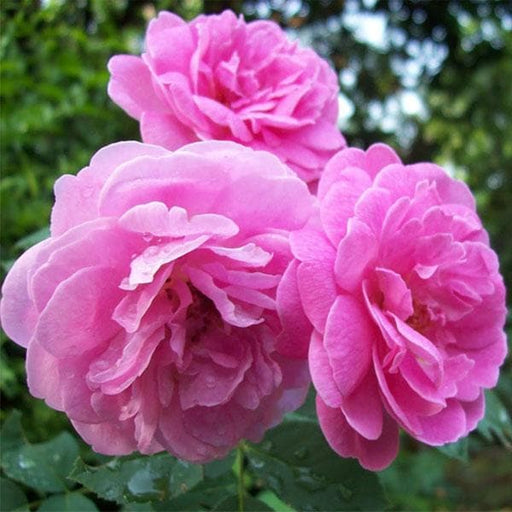
  • Its flowers can vary in color from greenish-yellow to deep purple, adding visual interest to gardens.

Environmental Impact

Figwort plays a crucial role in supporting local ecosystems by providing nectar for pollinators and serving as a habitat for various insects. Its ability to thrive in less-than-ideal conditions makes it an excellent choice for sustainable gardening practices, promoting biodiversity and soil health.

Figwort Benefits

Figwort, the unsung hero of the plant world, is not just a pretty face. This botanical wonder boasts a plethora of benefits, from soothing skin irritations to acting as a natural diuretic. Imagine a plant that can help you detox while also making your garden look fabulous! With its rich history in herbal medicine, figwort has been the go-to remedy for ailments ranging from coughs to wounds. So, if you’re looking to impress your friends with your knowledge of herbal remedies, just drop a casual “Did you know figwort can help with that?” at your next dinner party.

Figwort Varieties

Figwort isn’t a one-size-fits-all kind of plant. With a delightful array of varieties, each figwort type brings its own unique flair to the garden. From the classic Scrophularia nodosa to the more exotic Scrophularia marilandica, these plants are like the Kardashians of the botanical world—each with its own personality and charm. Whether you’re after a tall, stately figure or a more compact companion, there’s a figwort variety that’s just waiting to steal the show in your garden.

Growing Figwort

Growing figwort is like hosting a party where everyone is invited, and they all bring their own snacks! This hardy plant thrives in various conditions, making it a gardener’s best friend. Whether you have a sunny spot or a shady nook, figwort is adaptable and ready to grow. Just plant it, water it, and watch it flourish like it’s on a botanical vacation. Plus, it’s low-maintenance, so you can spend more time sipping lemonade and less time worrying about your plants.

Figwort Uses

Figwort is the Swiss Army knife of the plant kingdom, with uses that range from medicinal to ornamental. Need a natural remedy for a pesky cough? Figwort’s got your back. Want to add a splash of green to your garden? Figwort can do that too! It’s like having a multi-talented friend who can cook, sing, and fix your Wi-Fi all at once. With its versatility, figwort is a must-have for anyone looking to spice up their herbal repertoire or garden aesthetic.

Figwort in Herbal Medicine

If you think figwort is just a pretty plant, think again! This botanical superstar has been a staple in herbal medicine for centuries. Traditionally used to treat everything from respiratory issues to skin ailments, figwort is like the wise old sage of the plant world. It’s packed with compounds that can help heal and soothe, making it a favorite among herbalists. So, if you’re feeling under the weather, consider giving figwort a try—it might just be the herbal hug you need.

Figwort and Pollinators

Figwort is not just a feast for the eyes; it’s also a buffet for pollinators! Bees, butterflies, and other friendly critters flock to figwort like it’s the hottest club in town. With its vibrant flowers and sweet nectar, figwort plays a crucial role in supporting local ecosystems. By planting figwort, you’re not just beautifying your garden; you’re also throwing a party for pollinators. So, if you want to be the ultimate eco-warrior, plant some figwort and watch the buzz unfold!

Figwort and Soil

Figwort is like that friend who can thrive in any environment—whether it’s sandy, clayey, or somewhere in between. This plant is not picky about soil types, making it a fantastic choice for those with less-than-perfect garden conditions. It’s a soil superhero, improving soil health and structure while looking fabulous. So, if your garden has seen better days, consider adding figwort to the mix. It’ll not only beautify your space but also give your soil the TLC it desperately needs.

Figwort and Wildlife

Figwort is the ultimate wildlife-friendly plant, attracting a variety of critters to your garden. From birds to beneficial insects, figwort creates a thriving habitat for all sorts of wildlife. It’s like a five-star resort for nature’s guests, providing food and shelter in one delightful package. By planting figwort, you’re not just enhancing your garden’s beauty; you’re also playing a vital role in supporting biodiversity. So, roll out the welcome mat for your furry and feathered friends with a generous helping of figwort!

Figwort and Companion Planting

Figwort is the perfect companion plant, always ready to lend a helping hand (or leaf). It pairs beautifully with other plants, enhancing their growth and health while looking fabulous in the process. Think of figwort as the ultimate wingman in your garden, boosting the performance of its plant pals. Whether you’re growing vegetables or flowers, figwort can help create a harmonious ecosystem that benefits everyone involved. So, if you want to cultivate a thriving garden, consider inviting figwort to the party!

Figwort and Traditional Uses

Figwort has a rich history steeped in traditional uses that date back centuries. Used by herbalists and healers, this plant has been a go-to remedy for various ailments, from skin issues to respiratory problems. It’s like the wise old grandparent of the plant world, full of stories and remedies passed down through generations. By incorporating figwort into your herbal practices, you’re not just using a plant; you’re connecting with a long-standing tradition of natural healing. So, channel your inner herbalist and give figwort a try!

Figwort and Aesthetics

Let’s face it—figwort is not just a functional plant; it’s a showstopper! With its unique flowers and lush foliage, figwort adds a touch of elegance to any garden. It’s like the fashionista of the plant world, always dressed to impress. Whether you’re looking to create a wildflower garden or a structured landscape, figwort can fit right in, bringing beauty and charm wherever it goes. So, if you want to elevate your garden’s aesthetic, don’t overlook this botanical beauty!

Trending Collections

Save 40% with Gardening Solutions

You may also need

FAQ

What is Figwort - Plant?

Figwort, or Scrophularia, is a charming herbaceous perennial that loves to hang out in shady spots. With its tall spikes of tubular flowers, it’s like the introverted cousin of the garden, quietly adding beauty without demanding the spotlight. Perfect for attracting pollinators, it’s the wallflower that everyone secretly admires.

Where does Figwort - Plant grow?

Figwort thrives in moist, well-drained soil and prefers partial to full shade. Think of it as the plant equivalent of a cozy coffee shop—perfect for those who enjoy a little dim lighting and a relaxed atmosphere. It’s often found in woodlands and along stream banks, living its best life in nature’s chill zones.

How do I care for Figwort - Plant?

Caring for Figwort is as easy as pie—if pie were a low-maintenance plant! Just ensure it has enough moisture and a bit of shade. Prune it back after flowering to keep it tidy, and watch it flourish like a well-fed house cat. No green thumb required, just a sprinkle of love!

Is Figwort - Plant medicinal?

Absolutely! Figwort has a history of medicinal use, often touted for its anti-inflammatory and skin-soothing properties. It’s like the herbal superhero of the plant world, ready to save the day with its natural remedies. However, consult a professional before using it—no one wants a sidekick that doesn’t know its limits!

Can Figwort - Plant attract pollinators?

Yes, indeed! Figwort is a magnet for bees, butterflies, and other pollinators, making it the social butterfly of the plant kingdom. Its tubular flowers are like a sweet invitation to the buzzing crowd, ensuring your garden is always buzzing with life. Plant it and watch the party unfold!

Is Figwort - Plant invasive?

Fear not! Figwort is generally not considered invasive. It knows how to keep its cool and play nice with other plants. While it can spread a bit, it won’t take over your garden like an overzealous party guest. Just give it some space, and it’ll be a well-mannered addition to your landscape.

When does Figwort - Plant bloom?

Figwort typically blooms from late spring to early summer, showcasing its lovely flowers just in time for garden parties. It’s like the friend who always shows up fashionably late but still manages to steal the show. Enjoy the floral display while it lasts, as it’s a fleeting beauty!

Can Figwort - Plant be grown in containers?

Yes, Figwort can be grown in containers, but it prefers a bit of room to stretch its legs. Choose a pot that allows for good drainage and fill it with rich, moist soil. It’s like giving your plant a cozy apartment—just make sure it gets enough shade and water to thrive!

What are the common pests of Figwort - Plant?

Figwort is generally pest-resistant, but watch out for aphids and slugs—they can be the uninvited guests at your plant’s party. If they show up, a gentle spray of water or some natural pest control can send them packing. Keep your Figwort happy and pest-free, and it’ll reward you with beauty!

How tall does Figwort - Plant grow?

Figwort can reach heights of 2 to 4 feet, making it a lovely statement piece in your garden. It’s like the tall friend who always stands out in a crowd, adding vertical interest to your landscape. Just give it some space to stretch, and it’ll be the star of the show!

Is Figwort - Plant deer resistant?

Yes, Figwort is often considered deer resistant, as these critters tend to prefer tastier options. It’s like the plant version of a bland diet—deer will likely pass it by for something more delectable. So, plant it with confidence, knowing it’s less likely to become a deer’s midnight snack!

How do I propagate Figwort - Plant?

Propagating Figwort is as easy as pie—just take cuttings or divide established plants in spring or fall. It’s like sharing your favorite dessert with friends; just make sure they have enough space to grow! With a little patience and care, you’ll have more Figwort to enjoy in no time.