What is Echeveria runyonii?
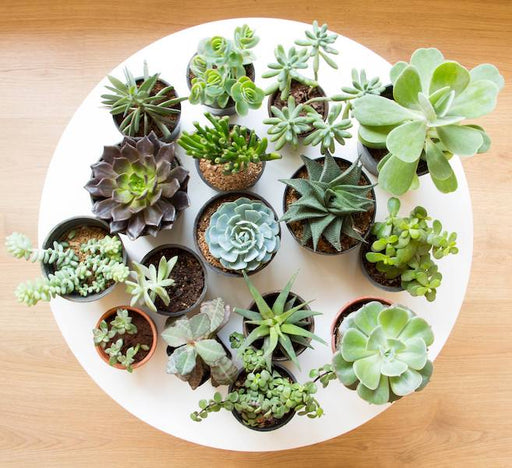
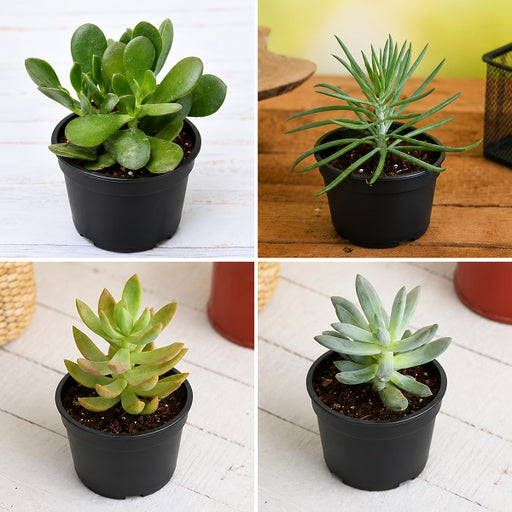
Echeveria runyonii, also known as the 'Panda Plant,' is a charming succulent native to Mexico. With its rosette shape and plump leaves, it’s like nature’s version of a cute, chubby panda. Perfect for those who want a low-maintenance plant that adds a touch of whimsy to any space!
How do I care for Echeveria runyonii?
Caring for Echeveria runyonii is as easy as pie! Place it in bright, indirect sunlight, water it sparingly (let it dry out between drinks), and watch it thrive. Just remember, overwatering is its kryptonite—so keep that watering can at bay, and your succulent will be as happy as a clam!
What type of soil is best for Echeveria runyonii?
Echeveria runyonii loves a well-draining soil mix, like a diva who only wears designer. A cactus or succulent mix works wonders, or you can create your own by mixing potting soil with sand or perlite. This ensures your plant’s roots don’t drown in soggy soil—nobody likes soggy!
How often should I water Echeveria runyonii?
Watering Echeveria runyonii is a delicate dance. In the growing season (spring and summer), give it a drink every 1-2 weeks, but let the soil dry out completely first. In winter, cut back to once a month. Remember, it’s a succulent, not a water-loving fish!
Can Echeveria runyonii survive indoors?
Absolutely! Echeveria runyonii is the ultimate indoor plant party guest. It thrives in bright, indirect light, making it perfect for windowsills or desks. Just ensure it gets enough light and avoid overwatering, and it’ll be the life of your indoor garden!
What pests should I watch for with Echeveria runyonii?
Echeveria runyonii is generally pest-resistant, but watch out for mealybugs and aphids—those little party crashers! If you spot them, a gentle wipe with a cotton swab dipped in alcohol will send them packing. Keep your plant pest-free, and it’ll keep looking fabulous!
Is Echeveria runyonii toxic to pets?
Good news for pet parents! Echeveria runyonii is non-toxic to cats and dogs, so you can relax while your furry friends explore. However, it’s always wise to discourage nibbling, as too much of a good thing can upset their tummies. Better safe than sorry!
How do I propagate Echeveria runyonii?
Propagating Echeveria runyonii is like playing plant matchmaker! Simply take a leaf cutting, let it callous over for a day, then place it on well-draining soil. Water sparingly until roots form, and voilà—you’ve got a new succulent buddy to share the love with!
What is the ideal temperature for Echeveria runyonii?
Echeveria runyonii prefers a cozy climate, thriving in temperatures between 65°F and 80°F (18°C to 27°C). It’s not a fan of frost, so keep it indoors during chilly months. Treat it like royalty, and it’ll reward you with stunning rosettes and vibrant colors!
How can I tell if my Echeveria runyonii is healthy?
A healthy Echeveria runyonii flaunts plump, vibrant leaves and a lovely rosette shape. If it starts looking droopy or discolored, it might be time for a check-up. Keep an eye out for pests and ensure it’s getting the right light and water—happy plant, happy life!
When does Echeveria runyonii bloom?
Echeveria runyonii usually blooms in late spring to early summer, showcasing stunning, tubular flowers on tall stalks. It’s like a plant version of a Broadway debut! While the blooms are beautiful, the plant’s charm lies in its rosettes, so don’t fret if it skips a season.
Can I grow Echeveria runyonii outdoors?
Yes, you can! Echeveria runyonii loves basking in the sun outdoors, but make sure it’s in a well-draining spot. It thrives in warm climates, so if you live in a cooler area, bring it inside during winter. Your succulent will thank you with its gorgeous foliage!


 White Marble Pebbles (1 kg)
₹199
White Marble Pebbles (1 kg)
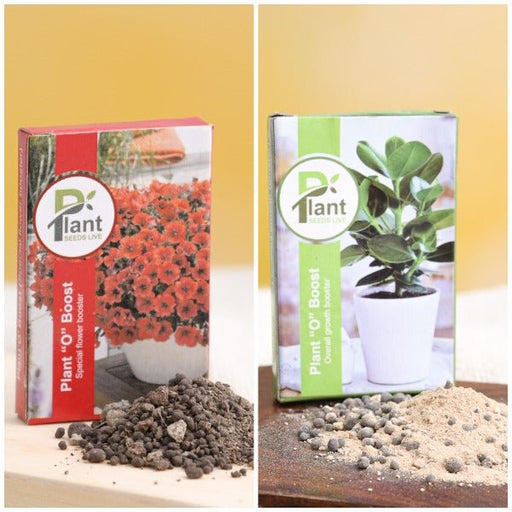
₹199 Plant O Boost — Growth Booster
₹239
Plant O Boost — Growth Booster
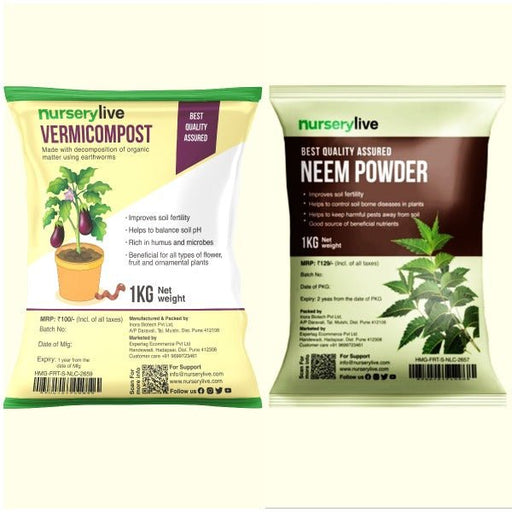
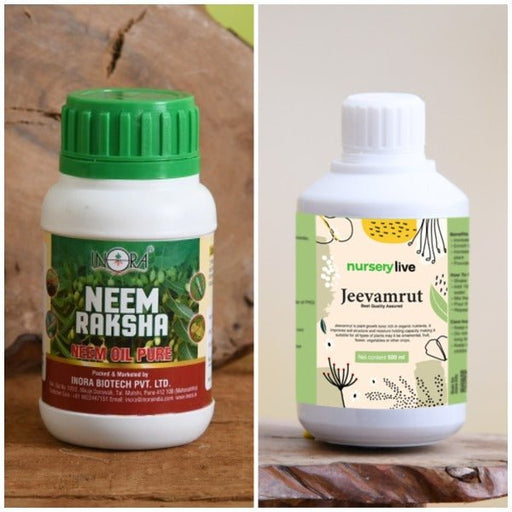
₹239 Garden Essential Plant Care Kit
₹599
Garden Essential Plant Care Kit
₹599