Skip to content

Rhapis humilis - Plant

Sold out
Original price ₹ 249
₹ 249
₹ 249
Current price ₹ 249

Product includes

SrNoItem Name
1Rhapis humilis - Plant

Rhapis humilis - The Elegant Lady Palm

Rhapis humilis, commonly known as the Lady Palm, is a stunning tropical plant native to Southeast Asia. With its lush, fan-shaped leaves and slender stems, this plant adds a touch of elegance to any indoor or outdoor space. Known for its air-purifying qualities, Rhapis humilis is not only visually appealing but also beneficial for your health, making it a popular choice among plant enthusiasts.

What sets Rhapis humilis apart is its remarkable adaptability to various light conditions, thriving in both low and bright indirect light. This resilience makes it an ideal choice for homes and offices alike. Additionally, its slow growth rate means it requires less frequent repotting, making it a low-maintenance option for busy individuals.

One of the special features of Rhapis humilis is its ability to tolerate a range of humidity levels, making it suitable for different environments. Its lush foliage can grow up to 6 feet tall, creating a striking focal point in any room. Furthermore, this plant is known for its longevity, often living for decades with proper care.

Growing Instructions:

  • Light: Prefers bright, indirect sunlight but can tolerate low light.
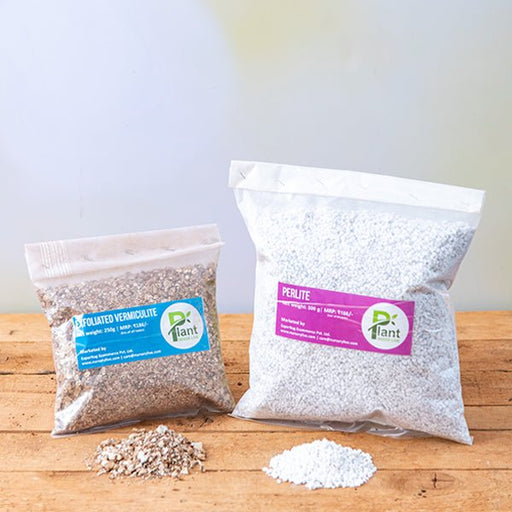
  • Soil: Use well-draining potting mix; a mix of peat, pine bark, and perlite works well.
  • Temperature: Thrives in temperatures between 65°F to 85°F (18°C to 29°C).
  • Humidity: Enjoys higher humidity levels; mist regularly or use a humidifier.

Care Instructions:

  • Watering: Keep the soil slightly moist; allow the top inch to dry out between waterings.
  • Fertilizing: Feed with a balanced liquid fertilizer every 4-6 weeks during the growing season.
  • Pruning: Remove any yellow or brown leaves to promote healthy growth.
  • Repotting: Repot every 2-3 years or when the plant outgrows its container.

Uses:

  • Indoor decoration: Perfect for homes, offices, and commercial spaces.
  • Air purification: Known to filter indoor air pollutants, improving air quality.
  • Landscaping: Can be used in outdoor gardens in suitable climates.

Fun Facts:

  • Rhapis humilis is often referred to as the "Lady Palm" due to its graceful appearance.
  • This plant has been used in traditional medicine in some cultures for its purported health benefits.
  • It is a popular choice for Feng Shui practitioners, believed to bring positive energy into spaces.

Environmental Impact:

Rhapis humilis plays a significant role in improving indoor air quality by absorbing toxins and releasing oxygen. Its ability to thrive in various conditions makes it a sustainable choice for indoor gardening, contributing positively to the environment.

Rhapis humilis Care

If you think caring for a plant is as easy as watering a cactus, think again! Rhapis humilis, also known as the lady palm, requires a bit of finesse. This diva of the plant world loves indirect sunlight and a well-draining potting mix. Overwatering? That’s a big no-no! Treat her right, and she’ll reward you with lush green fronds that scream, “Look at me!”

Rhapis humilis Benefits

Who knew that a plant could be your new best friend? Rhapis humilis not only beautifies your space but also purifies the air. It’s like having a tiny, green air filter that doesn’t require a subscription. Plus, it’s pet-friendly, so your furry companions can frolic around without a care in the world.

Rhapis humilis Growth Rate

Patience is a virtue, especially when it comes to Rhapis humilis. This slow-growing beauty takes its sweet time to reach its full height, which can be anywhere from 3 to 6 feet. So, if you’re looking for instant gratification, you might want to consider a plastic plant instead.

Rhapis humilis Propagation

Want to expand your plant family? Propagating Rhapis humilis is like trying to bake a soufflé—tricky but oh-so-rewarding! You can do it through division, but make sure you have a sharp knife and a steady hand. Just remember, every new plant is a new opportunity for a plant-parenting adventure.

Rhapis humilis Light Requirements

Rhapis humilis is a bit of a light snob. It prefers bright, indirect light but can tolerate low light like a champ. Just don’t throw it in a dark corner and expect it to thrive. It’s not a vampire; it’s a plant!

Rhapis humilis Soil Type

The right soil is like a cozy bed for your Rhapis humilis. A well-draining potting mix is essential, as this plant hates soggy feet. Think of it as a spa day for your roots—no one likes to be waterlogged!

Rhapis humilis Temperature

This plant is a tropical diva that enjoys warm temperatures between 65°F and 85°F. If your home feels like a sauna, Rhapis humilis will be in plant heaven. Just don’t let it experience the chills; it’s not a fan of cold drafts!

Rhapis humilis Pests

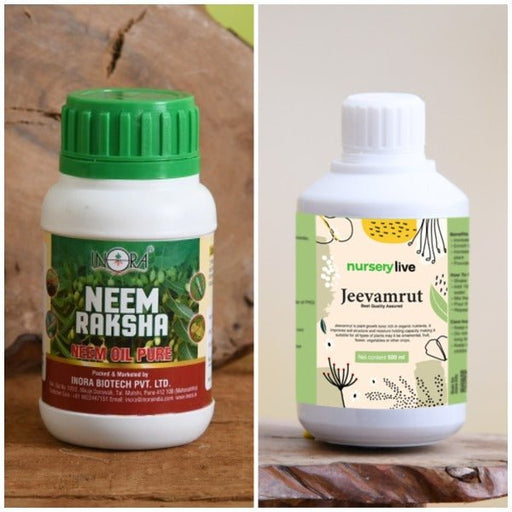
Beware of the pesky intruders! Aphids and spider mites might think they can crash the Rhapis humilis party, but with a little vigilance and neem oil, you can send them packing. Your plant deserves a pest-free life, after all!

Rhapis humilis Fertilization

Feeding your Rhapis humilis is like treating it to a gourmet meal. Use a balanced liquid fertilizer during the growing season, and watch it flourish. Just don’t overdo it; too much fertilizer can lead to a plant that’s more “overindulged” than “well-fed.”

Rhapis humilis Indoor vs. Outdoor

The great debate—should you keep your Rhapis humilis indoors or outdoors? While it can thrive in both settings, it’s often the star of the indoor show. Just make sure it’s not exposed to harsh winds or extreme temperatures.

Rhapis humilis Toxicity

Good news for pet parents! Rhapis humilis is non-toxic to cats and dogs, making it a safe choice for your home. You can finally relax knowing that your furry friends won’t be nibbling on your beloved plant.

Rhapis humilis Aesthetic Appeal

Let’s face it, Rhapis humilis is the prom queen of the plant world. With its elegant fronds and lush appearance, it adds a touch of sophistication to any space. Whether you place it in your living room or office, it’s bound to turn heads and spark conversations.

Trending Collections

Save 40% with Gardening Solutions

You may also need

FAQ

What is Rhapis humilis?

Rhapis humilis, also known as the lady palm, is a charming little plant that brings a touch of tropical elegance to your home. With its fan-shaped leaves and bushy appearance, it’s like the diva of the plant world, demanding attention while being low-maintenance. Perfect for those who want to impress without the fuss!

How do I care for Rhapis humilis?

Caring for Rhapis humilis is like nurturing a diva—give it bright, indirect light, keep the soil slightly moist, and avoid drafts. It thrives in humidity, so misting it occasionally is like giving it a spa day. Just remember, overwatering is a no-no; it prefers to sip rather than guzzle!

What are the ideal growing conditions for Rhapis humilis?

Rhapis humilis loves a cozy spot with bright, indirect light and temperatures between 65°F to 85°F. It’s not a fan of extreme conditions, so keep it away from chilly drafts and scorching sun. Think of it as a plant that enjoys a comfortable climate—like a vacation in the tropics!

Can Rhapis humilis tolerate low light?

Yes, Rhapis humilis is the ultimate low-light champion! It can survive in dim corners, making it perfect for those shadowy spots in your home. However, it won’t thrive like a superstar; it prefers a bit of light to really show off its stunning foliage. Think of it as a plant that enjoys a little spotlight!

How often should I water Rhapis humilis?

Watering Rhapis humilis is like a dance—keep it graceful! Allow the top inch of soil to dry out before giving it a drink. In the growing season, this diva likes a bit more moisture, but in winter, it prefers to take it easy. Just don’t drown it; it’s not a fan of soggy shoes!

Is Rhapis humilis pet-friendly?

Absolutely! Rhapis humilis is a pet-friendly plant, making it a great choice for homes with furry companions. It won’t cause any harm if your curious cat decides to take a nibble. Just remember, while it’s safe, it’s not a substitute for their regular meals—no plant-based diets for your pets!

How fast does Rhapis humilis grow?

Rhapis humilis is not in a hurry; it grows at a leisurely pace of about 6 to 12 inches per year. Think of it as the tortoise in the plant race—slow and steady wins the beauty contest! With patience, you’ll have a lush, bushy plant that’s worth the wait. Good things come to those who wait!

Can I propagate Rhapis humilis?

Yes, you can propagate Rhapis humilis, but it’s a bit of a challenge. The best method is division—carefully separate the clumps during repotting. It’s like splitting up a band; you need to do it right for everyone to thrive. Just remember, patience is key; new growth takes time, but it’s worth the effort!

What pests affect Rhapis humilis?

Rhapis humilis can attract a few pesky visitors like spider mites and mealybugs. Think of them as uninvited guests at a party. Keep an eye out and treat them with insecticidal soap or neem oil. A little preventive care goes a long way in keeping your plant’s social circle exclusive!

How do I fertilize Rhapis humilis?

Fertilizing Rhapis humilis is like giving it a gourmet meal—do it right, and it’ll thrive! Use a balanced liquid fertilizer every month during the growing season. Just remember, moderation is key; too much food can lead to a plant with a bit too much attitude. A well-fed plant is a happy plant!

What are the benefits of Rhapis humilis?

Rhapis humilis isn’t just a pretty face; it’s a natural air purifier! This plant helps filter out toxins, making your home a healthier place. Plus, its lush foliage adds a touch of tropical flair, turning your space into a mini paradise. Who knew a plant could be both a beauty and a health guru

Is Rhapis humilis suitable for indoor spaces?

Absolutely! Rhapis humilis is the ultimate indoor companion, thriving in various lighting conditions and adding a splash of greenery to your home. Its compact size makes it perfect for apartments or cozy corners. It’s like having a little piece of the tropics right in your living room—without the humidity!