Skip to content

Dizygotheca kerchoveana - Plant

Sold out
Original price ₹ 249
₹ 249
₹ 249
Current price ₹ 249

Product includes

SrNoItem Name
1Dizygotheca kerchoveana - Plant

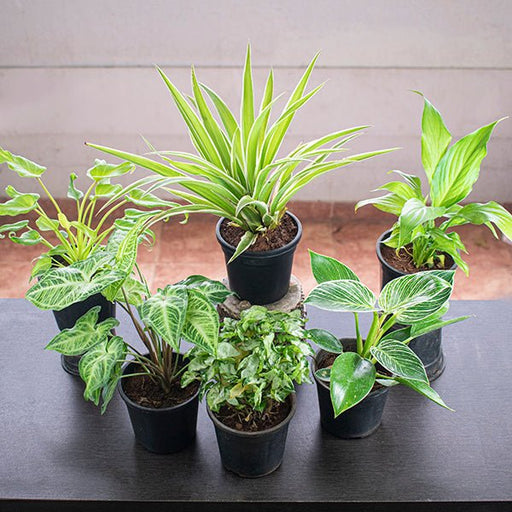
Dizygotheca kerchoveana - The False Aralia Plant

Dizygotheca kerchoveana, commonly known as the False Aralia, is a stunning tropical plant native to the islands of New Caledonia. With its striking, finely dissected leaves and elegant growth habit, this plant adds a touch of exotic beauty to any indoor or outdoor space. Its lush foliage can grow up to 12 inches long, making it a popular choice for both home decor and landscaping.

What makes the False Aralia special is its unique leaf structure, which resembles that of the more well-known Aralia species but is distinct in its own right. This plant not only enhances aesthetic appeal but also contributes to improved air quality, making it a beneficial addition to your living environment.

One of the standout features of Dizygotheca kerchoveana is its adaptability. It thrives in various light conditions, from bright indirect light to partial shade, making it suitable for different indoor settings. Its resilience and low maintenance requirements make it an ideal choice for both novice and experienced plant enthusiasts.

Growing Instructions:

  • Soil: Use well-draining potting mix enriched with organic matter.
  • Light: Prefers bright, indirect sunlight; can tolerate partial shade.
  • Temperature: Thrives in temperatures between 65°F to 80°F (18°C to 27°C).
  • Humidity: Enjoys higher humidity levels; consider misting or using a humidifier.

Care Instructions:

  • Watering: Keep the soil consistently moist but not soggy; allow the top inch to dry out between waterings.
  • Fertilizing: Feed with a balanced liquid fertilizer every 4-6 weeks during the growing season.
  • Pruning: Trim any dead or yellowing leaves to encourage new growth.
  • Pest Control: Regularly check for pests like spider mites and aphids; treat with insecticidal soap if necessary.

Uses:

  • Indoor decoration: Perfect for living rooms, offices, and lobbies.
  • Landscaping: Can be used in tropical gardens or as a focal point in outdoor spaces.
  • Air purification: Helps improve indoor air quality by filtering toxins.

Fun Facts:

  • Dizygotheca kerchoveana is often mistaken for a member of the Aralia family due to its similar leaf shape.
  • This plant can grow up to 6 feet tall in optimal conditions, making it a striking statement piece.
  • In its native habitat, it plays a role in the ecosystem by providing shelter and food for various wildlife.

Dizygotheca kerchoveana Care

If you think caring for a plant is as easy as watering it and hoping for the best, think again! The Dizygotheca kerchoveana, also known as the false aralia, requires a bit more finesse. This tropical beauty thrives in bright, indirect light and loves humidity like a diva loves a spa day. Keep the soil moist but not soggy, and watch out for pesky pests that might want to crash the party. With a little TLC, your plant will reward you with stunning, feathery leaves that will make your friends green with envy.

Dizygotheca kerchoveana Propagation

Ready to expand your plant family? Propagating the Dizygotheca kerchoveana is like playing plant matchmaker. You can take stem cuttings and root them in water or soil, but remember, patience is key! It’s not a race; it’s a slow dance. Ensure the cuttings have a few leaves and keep them warm and humid. Before you know it, you’ll have a mini jungle of these gorgeous plants, and you can start your own plant club—just don’t forget to charge membership fees!

Dizygotheca kerchoveana Light Requirements

If you thought your ex was high maintenance, wait until you meet the light requirements of the Dizygotheca kerchoveana. This plant prefers bright, indirect light, which means it’s not a fan of harsh, direct sun. Think of it as a plant that enjoys a good sunbath but hates sunburn. Place it near a window with filtered light, and it will reward you with lush, vibrant foliage. Too little light, and it might sulk; too much, and it could throw a tantrum.

Dizygotheca kerchoveana Soil Type

The Dizygotheca kerchoveana is a bit of a soil snob. It prefers a well-draining potting mix that’s rich in organic matter. Think of it as a plant that enjoys a luxurious spa treatment rather than a cheap motel. A mix of peat, perlite, and pine bark will do the trick. This combination allows for proper drainage while keeping the roots happy and hydrated. Remember, soggy roots are a big no-no; they’ll have your plant calling for a lifeguard!

Dizygotheca kerchoveana Watering

Watering the Dizygotheca kerchoveana is like finding the perfect balance in a relationship. Too much water, and you’ll drown it in sorrow; too little, and it’ll feel neglected. Aim to keep the soil consistently moist but not waterlogged. A good rule of thumb is to water when the top inch of soil feels dry. Your plant will thank you with vibrant leaves and a happy dance—well, if plants could dance, that is!

Dizygotheca kerchoveana Fertilizer

When it comes to feeding your Dizygotheca kerchoveana, think of it as a gourmet meal rather than fast food. Use a balanced liquid fertilizer every four to six weeks during the growing season. This plant loves a good nutrient boost, but don’t overdo it; too much fertilizer can lead to a case of the “burnt leaf blues.” A little goes a long way, and your plant will flourish like it just won the botanical lottery.

Dizygotheca kerchoveana Pests

Ah, pests—the uninvited guests at your plant party. The Dizygotheca kerchoveana can attract a few unwanted critters like spider mites and mealybugs. Keep an eye out for these little party crashers, and if they show up, don’t panic! A gentle wipe with a damp cloth or a spray of insecticidal soap will send them packing. Remember, a clean plant is a happy plant, and you’ll keep the drama to a minimum.

Dizygotheca kerchoveana Temperature

The Dizygotheca kerchoveana is a tropical plant that enjoys warm weather, much like a beach-loving sunbather. It thrives in temperatures between 65°F and 80°F, so keep it away from chilly drafts and sudden temperature drops. If your home feels like a winter wonderland, your plant will not be amused. Keep it cozy, and it will reward you with stunning foliage that makes you feel like you’re living in a rainforest.

Dizygotheca kerchoveana Toxicity

Good news for pet lovers! The Dizygotheca kerchoveana is considered non-toxic to cats and dogs. So, if your furry friend decides to take a nibble, you won’t have to worry about a botanical emergency. However, it’s always best to discourage any munching habits—after all, we don’t want them thinking your plant is a salad bar. Keep your plant high and mighty on a shelf, and let it be the star of the show!

Dizygotheca kerchoveana Indoor vs. Outdoor

The Dizygotheca kerchoveana can be a bit of a diva when it comes to its living arrangements. While it can thrive indoors, it also enjoys a good outdoor vacation during the warmer months. Just make sure to provide some shade if it’s outside; too much sun can lead to crispy leaves. Whether it’s inside or outside, this plant will always be the belle of the ball, bringing a touch of tropical elegance to any space.

Dizygotheca kerchoveana Common Issues

Every plant has its quirks, and the Dizygotheca kerchoveana is no exception. Common issues include yellowing leaves, which can signal overwatering or insufficient light. If you notice your plant looking a bit under the weather, don’t fret! A little adjustment in care can work wonders. Keep an eye on humidity levels and ensure it’s not sitting in soggy soil. With a bit of attention, your plant will bounce back and continue to impress!

Trending Collections

Save 40% with Gardening Solutions

You may also need

FAQ

What is Dizygotheca kerchoveana?

This plant, also known as the False Aralia, is a tropical beauty with striking, glossy leaves that resemble a fancy feather duster. Native to the South Pacific, it’s perfect for adding a touch of exotic flair to your indoor jungle. Just don’t expect it to do the dusting for you!

How do I care for Dizygotheca kerchoveana?

Treat this diva like royalty! It loves bright, indirect light and a warm, humid environment. Water it when the top inch of soil feels dry, but don’t drown it—this isn’t a swimming competition! Regular misting will keep its leaves happy and shiny, just like a good hair day.

Is Dizygotheca kerchoveana pet-friendly?

Good news for pet parents! Dizygotheca kerchoveana is non-toxic to cats and dogs. So, you can let your furry friends roam around without worrying about them turning into plant-eating monsters. Just keep an eye on them; they might still be tempted to use it as a new scratching post!

What type of soil is best for Dizygotheca kerchoveana?

This plant prefers a well-draining potting mix that retains some moisture but doesn’t turn into a swamp. A blend of peat, perlite, and orchid bark will do the trick. Think of it as the Goldilocks principle: not too wet, not too dry, but just right for your leafy friend!

How often should I fertilize Dizygotheca kerchoveana?

Feed this beauty every 4-6 weeks during the growing season with a balanced liquid fertilizer. It’s like giving it a gourmet meal! In winter, cut back on the feeding, as it prefers to hibernate. Remember, too much fertilizer can lead to a plant with more drama than a soap opera!

Can Dizygotheca kerchoveana grow outdoors?

If you live in a warm, tropical climate, feel free to let this plant bask in the sun! Just make sure it’s in a shaded spot to avoid sunburn. For those in cooler regions, keep it indoors where it can thrive without shivering. It’s a plant, not a polar bear!

What are the common pests for Dizygotheca kerchoveana?

Watch out for spider mites and mealybugs—they love to crash the party! Regularly inspect your plant and wipe its leaves to keep pests at bay. If they do show up, a gentle spray of insecticidal soap will send them packing. No uninvited guests allowed!

How do I propagate Dizygotheca kerchoveana?

Propagation is as easy as pie! Take a stem cutting with a few leaves and place it in water or moist soil. In a few weeks, you’ll have a new plant to show off. Just remember, patience is key—good things come to those who wait, even in the plant world!

What is the ideal temperature for Dizygotheca kerchoveana?

This tropical gem thrives in temperatures between 65°F and 80°F. It’s not a fan of cold drafts or sudden temperature changes, so keep it cozy. Think of it as your high-maintenance friend who prefers the perfect climate for their comfort—no chilly surprises allowed!

How do I prune Dizygotheca kerchoveana?

Pruning is like giving your plant a stylish haircut! Trim off any yellowing or damaged leaves to encourage new growth. Use clean, sharp scissors to avoid any plant drama. Just remember, less is more—don’t go overboard, or you might end up with a very confused-looking plant!

Why are the leaves of my Dizygotheca kerchoveana turning yellow?

Yellowing leaves can signal a few issues: overwatering, underwatering, or too much direct sunlight. It’s like your plant’s way of saying, “Help me!” Check its watering schedule and light conditions. With a little TLC, you’ll have those leaves back to their vibrant selves in no time!