


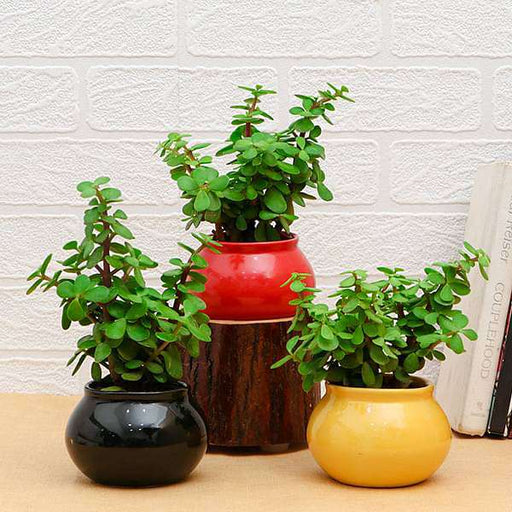
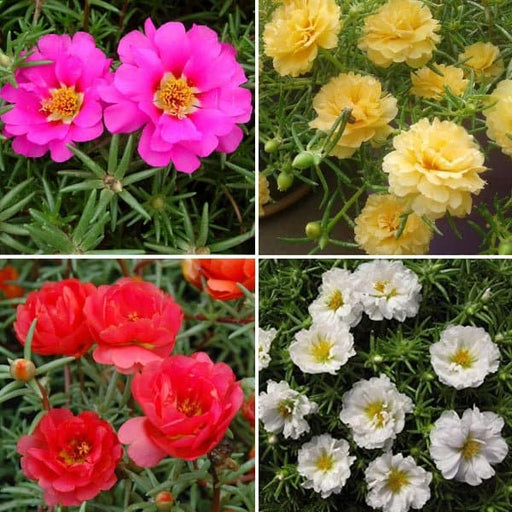


This plant died in first week itself despite of giving water and fertilizer
The Plant was not in a good condition.
Plant is not delivered and when complained after a point started avoiding calls and mails.
i received good quality, thriving plants and seems they are happy in the new home. thanks a lot
A plant nursery is an ideal place for anyone who wants to start gardening or add more greenery to their home. From flowering plants and indoor varieties to fruit trees, herbs, and ornamental shrubs, nurseries offer plenty of options for different spaces and gardening needs.
One of the biggest advantages of visiting a nursery is being able to check the health of plants before choosing them. Healthy leaves, strong stems, and well-developed roots are good signs to look for. Many nurseries also provide pots, potting soil, compost, and useful advice on plant care.
For beginners, starting with low-maintenance plants can make gardening easier and more enjoyable. It's important to select plants according to the available sunlight, local climate, and space. Regular watering, suitable soil, and proper drainage also help plants grow well.
Whether you're planning a balcony garden, a small kitchen garden, or a green outdoor space, a nursery can help you find suitable plants and gardening essentials. Overall, plant nurseries encourage people to develop a gardening habit and bring more nature into everyday life.
A plant nursery is a great place for anyone who loves gardening and wants to bring more greenery into their home or surroundings. Nurseries offer a wide variety of plants, including flowering plants, indoor plants, fruit trees, ornamental shrubs, and medicinal plants. They also provide essential gardening supplies such as pots, soil, compost, and fertilizers.
One of the best things about visiting a nursery is getting the opportunity to choose healthy plants and learn about their care requirements. Beginners can find easy-to-maintain plants, while experienced gardeners can explore different varieties to enhance their gardens. Many nurseries also offer useful advice on watering, sunlight, repotting, and pest management.
Choosing a good nursery involves checking plant health, soil quality, and the availability of suitable plants for your local climate. Whether you want to decorate a balcony, create a home garden, or grow vegetables, a nursery can help you get started.
Overall, plant nurseries play an important role in promoting gardening, improving green spaces, and encouraging people to connect with nature.
They took my money and plants never came
Beautiful lush growth and bright leaves right out of the delivery box.
Good plants Air Purifier Money Plant with pot
# Lantana Camara Plant Review
Lantana camara is a flowering shrub known for its colourful clusters of small flowers, which can appear in shades of pink, yellow, orange, red, and purple. It is hardy, grows well in sunny locations, and can tolerate dry conditions once established. Its bright flowers attract butterflies and other pollinators, making it visually appealing in gardens.
However, **Lantana camara is an invasive species in many parts of India**. It can spread aggressively, compete with native plants, and disturb local ecosystems. It may also be toxic if ingested by livestock or other animals. Before planting it, consider native flowering alternatives that provide colour and support local biodiversity without the same ecological risks.
**Money Plant Review**
The money plant is a popular indoor plant known for its attractive green leaves, climbing growth, and easy-care nature. It is a great choice for homes, offices, balconies, and small spaces because it can grow in both soil and water with proper care. The plant thrives in bright, indirect sunlight and requires watering when the soil begins to dry. Its trailing vines look beautiful in hanging baskets and decorative pots. Money plants are especially suitable for beginners because they are relatively low-maintenance and adapt well to indoor conditions. Nurseryilive is worth exploring for money plants and other indoor gardening options. Overall, the money plant is an excellent choice for adding natural greenery to everyday spaces.
**Nursery Review**
A plant nursery is an ideal destination for anyone who enjoys gardening and wants to bring more greenery into their home or outdoor space. From flowering plants and indoor varieties to fruit trees, succulents, and ornamental shrubs, nurseries offer options for different gardening needs. Beginners can choose low-maintenance plants and learn about proper watering, sunlight, and soil requirements. Checking plant health and selecting varieties suited to the local climate can make gardening more successful. Nurseryilive is another option worth exploring for a variety of plants, pots, and gardening essentials online. Overall, a good nursery helps gardening enthusiasts find suitable plants and create beautiful, refreshing green spaces.
**Plant Nursery Review**
A plant nursery is a great place to find a variety of plants for home gardens, balconies, offices, and outdoor spaces. Nurseries typically offer flowering plants, indoor plants, fruit trees, ornamental shrubs, and gardening essentials such as pots, soil, and fertilizers. Choosing healthy plants with strong roots and fresh leaves can help ensure better growth after planting. Beginners can also seek advice on watering, sunlight, soil selection, and plant maintenance. For those who prefer shopping online, Nurseryilive offers a range of plants and gardening products to explore. Overall, a good plant nursery makes gardening more accessible and helps people create beautiful, greener surroundings.
Low maintenance perennial choice
Beautiful summer season blooms
Ornamental Orange Fruit (Green Leaves) are decorative plants and online website more information at Nurserylive
A wonderful place to find plants for adding more greenery to your home.
Really impressed with the collection of indoor and outdoor plants.