Which pots are best for water retention?
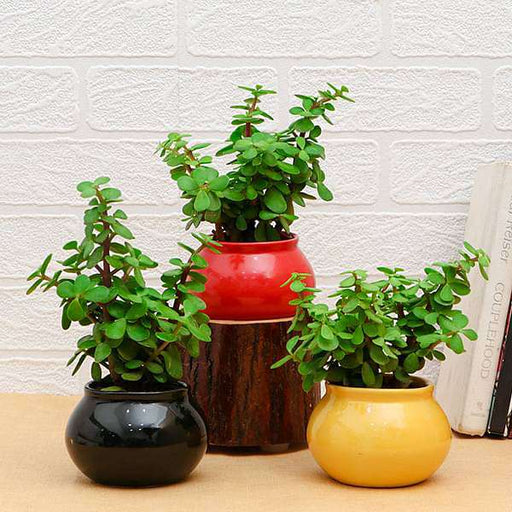
The best pots for water retention are those made from materials like ceramic or plastic with good drainage holes. They hold moisture well while preventing root rot. Choose pots with a saucer to catch excess water, ensuring your plants stay hydrated without drowning.
Do self-watering pots really work?
Absolutely! Self-watering pots are like the hydration stations of the plant world. They have a reservoir that allows plants to sip water as needed, keeping them happy and healthy. Just remember to check the water level occasionally; even the best hydration stations need a refill now and then!
What size pot is best for water retention?
Size matters! A larger pot generally retains more water, giving your plants a cozy, moist environment. However, don’t go overboard; too big can lead to soggy roots. Aim for a pot that’s just right—think Goldilocks, not a swimming pool!
How often should I water my plants in pots?
Watering frequency depends on the plant and pot type. Generally, check the top inch of soil; if it’s dry, it’s time for a drink. In hot weather, you might need to water daily, while in cooler months, every few days should suffice.
Can I use terracotta pots for water retention?
Terracotta pots are like the sponges of the pot world—they absorb moisture! While they provide excellent drainage, they can dry out quickly. If you love terracotta, consider lining the inside with a plastic liner to help retain moisture while still enjoying that rustic charm.
What plants thrive in water-retentive pots?
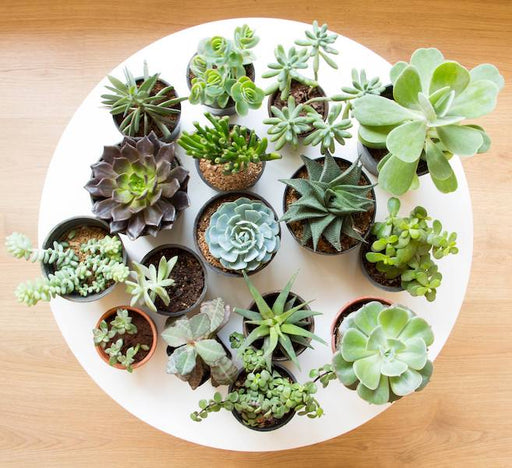
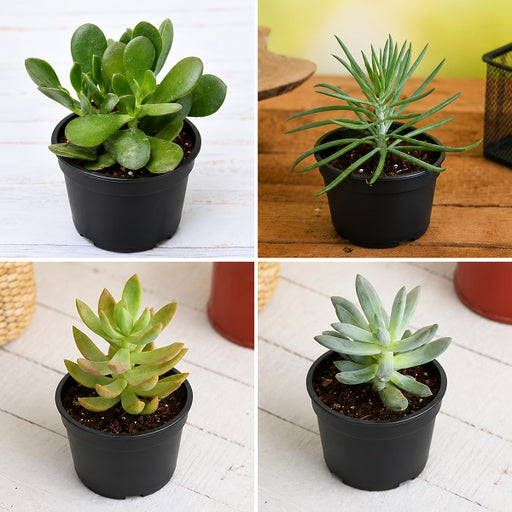
Many plants love a good soak! Consider succulents, ferns, and peace lilies. They appreciate the moisture without drowning. Just ensure your pot has proper drainage; even the most water-loving plants don’t want to swim!
Are there special potting mixes for water retention?
Yes, indeed! Look for potting mixes that include ingredients like coconut coir or peat moss, which help retain moisture. These mixes are like a cozy blanket for your plants, keeping them snug and hydrated while allowing for proper drainage.
How do I prevent overwatering in water-retentive pots?
Overwatering is the nemesis of plant parents! To prevent it, ensure your pot has drainage holes and use a moisture meter. Water only when the top inch of soil is dry. Remember, it’s better to underwater than to create a swamp!
Can I add mulch to my potted plants for better water retention?
Absolutely! Mulch is like a protective hat for your plants, keeping moisture in and weeds out. A layer of organic mulch on top of the soil can significantly reduce evaporation, ensuring your plants stay hydrated and happy.
What are the benefits of using water-retentive pots?
Water-retentive pots are like a spa day for your plants! They help maintain consistent moisture levels, reduce the frequency of watering, and promote healthier root systems. Plus, they give you more time to enjoy your plants rather than constantly fussing over them.
How do I know if my pot is retaining enough water?
Keep an eye on your plants! If they start drooping or the soil feels dry, it’s time to check the water situation. You can also use a moisture meter for a more scientific approach. Remember, happy plants are the best indicators!