Which pots are best for long term plant health?
The best pots for long-term plant health are those made from breathable materials like terracotta or fabric. They allow for proper drainage and aeration, preventing root rot. Plus, they add a touch of rustic charm to your plant collection. Who knew pots could be so stylish?
Are plastic pots bad for plants?
Not necessarily! Plastic pots can be great for short-term growth, but they often lack drainage and airflow. If you want your plants to thrive long-term, consider upgrading to a breathable option. Think of it as giving your plants a spa day instead of a plastic prison!
What size pot is ideal for long-term growth?
The ideal pot size depends on your plant's growth habits. Generally, a pot that’s 2-4 inches larger in diameter than the current one is perfect. It’s like giving your plant a cozy new apartment without overwhelming it with too much space. Just the right amount of room to stretch!
How often should I repot my plants?
Repotting every 1-2 years is a good rule of thumb. Plants can outgrow their pots faster than you can say “root bound.” Keep an eye on those roots; if they’re peeking out, it’s time for a new home. Think of it as a plant’s version of moving to a bigger house!
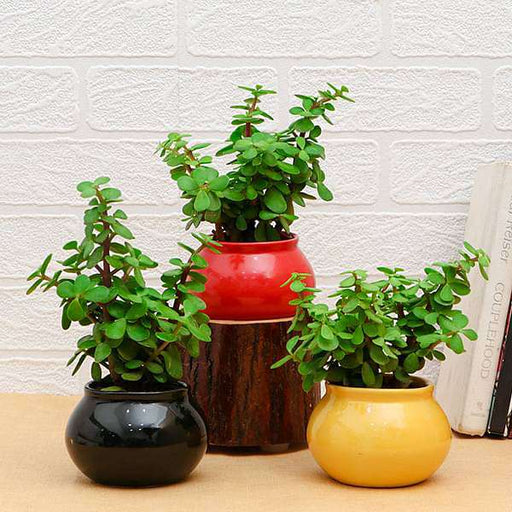
Do ceramic pots help with plant health?
Absolutely! Ceramic pots are not just pretty faces; they provide excellent insulation and moisture retention. They keep your plant cozy in winter and cool in summer. Just make sure they have drainage holes, or your plant might end up swimming instead of thriving!
What are the benefits of using fabric pots?
Fabric pots are like breathable workout gear for your plants. They promote air pruning of roots, preventing them from circling and becoming root-bound. Plus, they’re lightweight and easy to move around. Your plants will feel fresh and fabulous in their fabric homes!
Can I use recycled containers for planting?
Sure, as long as they’re clean and have drainage holes! Recycled containers can be a fun way to express your creativity. Just remember, not all materials are plant-friendly. Avoid anything that might leach harmful chemicals. Your plants deserve the best, even if they’re in a repurposed coffee can!
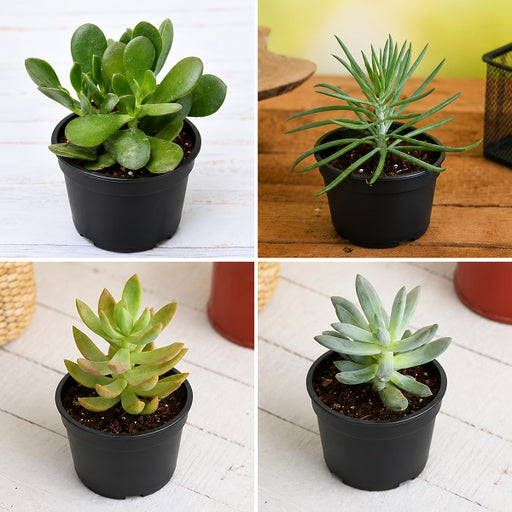
What type of pot is best for succulents?
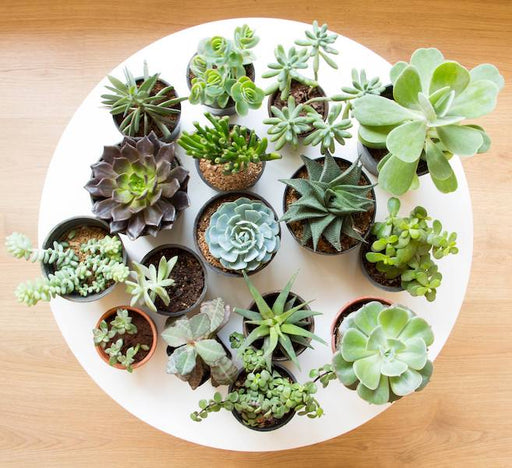
Succulents thrive in pots that provide excellent drainage, like terracotta or ceramic. These materials help wick away excess moisture, keeping those thirsty plants happy. Plus, they look great on your windowsill, adding a touch of desert chic to your home decor!
Should I use saucers under my pots?
Yes, saucers are a great idea! They catch excess water and prevent messes, keeping your plant’s living space tidy. Just remember to empty them regularly to avoid creating a mosquito breeding ground. Your plants will thank you for the clean environment!
How do I know when to upgrade my pot?
If you see roots growing out of the drainage holes or your plant seems stunted, it’s time for an upgrade. Think of it as your plant signaling, “Help! I need more space!” Don’t ignore those root signals; they’re just trying to thrive!
Are self-watering pots worth it?
Absolutely! Self-watering pots are like having a personal assistant for your plants. They provide consistent moisture, reducing the risk of over or under-watering. Just make sure to check the water level regularly. Your plants will appreciate the extra care, and you’ll enjoy a little less stress!