Which pots are best for heat resistant plants?
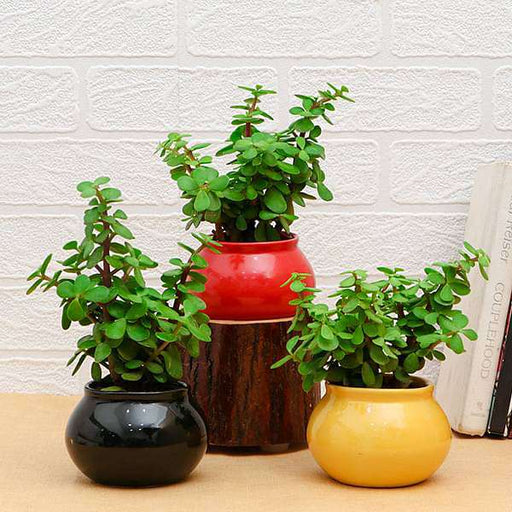
The best pots for heat-resistant plants are made from materials like terracotta, ceramic, or heat-resistant plastic. These materials help regulate temperature and prevent overheating. Plus, they add a touch of style to your garden, making your plants feel like the VIPs they truly are.
Do heat resistant pots really make a difference?
Absolutely! Heat-resistant pots act like a cozy blanket for your plants, keeping their roots cool and happy. They help prevent soil from drying out too quickly, ensuring your green friends stay hydrated and thriving, even in the blazing sun. Who knew pots could be such great guardians?
Can I use regular pots for heat resistant plants?
While regular pots might work, they’re like wearing flip-flops in a snowstorm—just not ideal! Regular pots can heat up quickly, stressing your plants. Opt for heat-resistant options to keep your leafy pals cool and collected, ensuring they flourish in the heat without breaking a sweat.
What size pot is best for heat resistant plants?
Size matters! A pot that’s too small can lead to root crowding, while one that’s too large may retain too much moisture. Aim for a pot that’s about 2-4 inches larger than the plant’s root ball. This way, your plants can stretch their roots without feeling cramped or drowning.
How often should I water plants in heat resistant pots?
Watering frequency depends on the plant and weather, but generally, check the soil moisture every few days. Heat-resistant pots help retain moisture, so you might find you don’t need to water as often. Just remember, your plants don’t want to swim; they prefer a nice drink!
Are there specific plants that thrive in heat resistant pots?
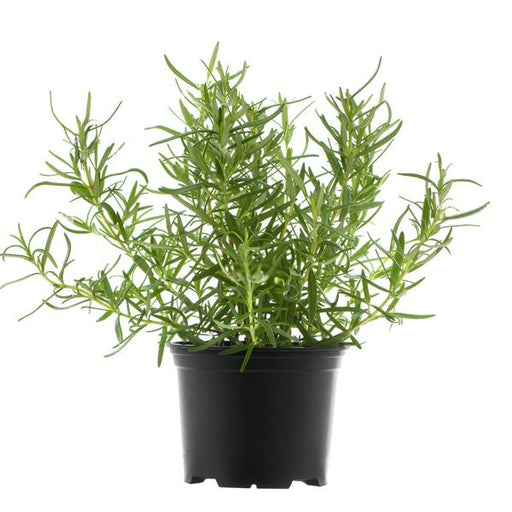
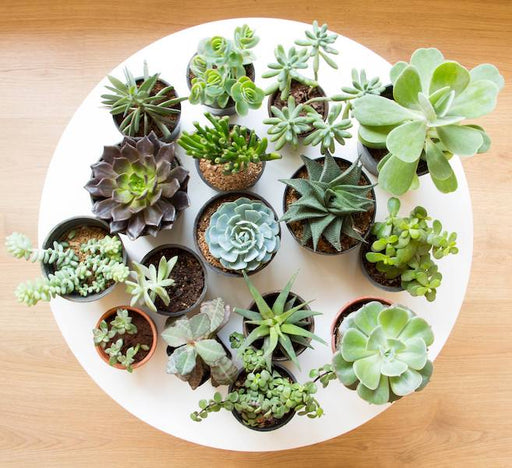
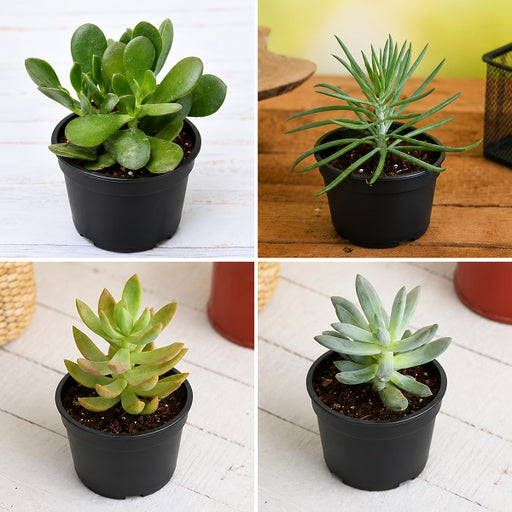
Yes, indeed! Succulents, cacti, and Mediterranean herbs like rosemary and thyme love heat-resistant pots. These plants are like sunbathers, soaking up the rays while staying cool in their stylish containers. Choose wisely, and your garden will be the envy of the neighborhood!
Can I use self-watering pots for heat resistant plants?
Absolutely! Self-watering pots are like having a personal butler for your plants. They provide consistent moisture, which is perfect for heat-resistant plants that need a little extra TLC. Just make sure the pot is also heat-resistant, and you’ll have a happy, hydrated garden!
What’s the best drainage for heat resistant pots?
Good drainage is crucial! Look for pots with drainage holes to prevent waterlogging. You can also add a layer of gravel or stones at the bottom for extra drainage. Think of it as giving your plants a spa day—nobody likes soggy roots!
Do I need to fertilize plants in heat resistant pots?
Yes, but with a twist! Heat-resistant pots can retain nutrients better, so you might not need to fertilize as often. Use a balanced fertilizer during the growing season, but always check your plant’s needs. After all, even plants appreciate a well-timed treat!
Can I paint my heat resistant pots?
Sure, but choose wisely! Use heat-resistant paint to avoid melting your pots into abstract art. A splash of color can brighten your garden, but remember, the primary goal is to keep your plants cool. So, paint with caution and let your creativity bloom!
How do I clean heat resistant pots?
Cleaning is a breeze! Use warm, soapy water and a soft brush to scrub away dirt and algae. Rinse thoroughly and let them dry in the sun. Just like your plants, your pots deserve a little pampering to keep them looking fabulous and functioning well!