Which pots are best for drainage?
The best pots for drainage are those with holes at the bottom, like terracotta or ceramic. They allow excess water to escape, preventing root rot. Remember, a happy plant is a well-drained plant!
Do plastic pots drain well?
Plastic pots can drain well if they have drainage holes. However, they tend to retain moisture longer than terracotta. So, if you’re a forgetful waterer, plastic might be your best friend, but don’t blame us if your plant starts to feel like it’s swimming!
Are self-watering pots good for drainage?
Self-watering pots are a mixed bag. They have a reservoir that keeps soil moist, but if overfilled, they can lead to soggy roots. Think of them as a double-edged sword—great for busy folks, but your plant might just prefer a good old-fashioned soak!
What materials are best for drainage?
Terracotta, ceramic, and metal are top contenders for drainage. They allow air circulation and moisture control. Just remember, while metal pots look snazzy, they can heat up quickly in the sun, turning your plant into a hot mess!
How often should I water plants in pots?
Watering frequency depends on the plant and pot type. Generally, check the top inch of soil; if it’s dry, it’s time to water. But don’t drown your green buddies! They prefer a sip over a swim—think of it as a refreshing drink, not a pool party!
Can I use rocks for drainage?
Using rocks at the bottom of pots is a classic move, but it’s not always effective. They can create a false sense of security. Instead, focus on pots with proper drainage holes. Your plants will thank you for not turning their home into a rock garden!
What size pot is best for drainage?
The best pot size for drainage is one that matches your plant’s root system. A pot too small can suffocate roots, while one too large can hold excess water. Aim for a snug fit—like a cozy sweater, but for your plant!
Do drainage trays help?
Drainage trays can be a lifesaver! They catch excess water, preventing messes and keeping your plant’s feet dry. Just remember to empty them regularly; otherwise, you might create a mini swamp that even the hardiest plant would avoid!
Can I use a pot without drainage holes?
Using a pot without drainage holes is like going for a swim in a suit—uncomfortable! While you can, it’s risky. Consider adding a layer of rocks or using a smaller pot inside a larger one to help with drainage. Your plant will appreciate the effort!
What plants thrive in well-drained pots?
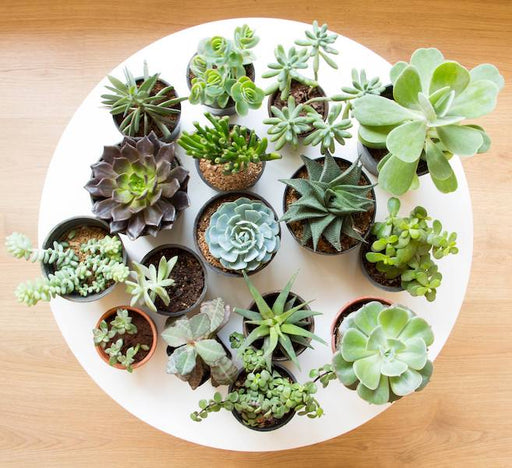
Most plants love well-drained pots! Succulents, cacti, and herbs are particularly fond of them. They prefer their roots to breathe and avoid soggy situations. So, if you want happy plants, give them the drainage they crave!
How do I improve drainage in pots?
To improve drainage, use a well-draining potting mix and ensure your pot has holes. You can also add perlite or sand to the mix for extra aeration. Think of it as giving your plants a spa day—everyone loves a little pampering!