Which pot material is best for indoor plants?
The best pot material for indoor plants is terracotta. It’s breathable, allowing roots to thrive while adding a rustic charm to your decor. Plus, it’s like a spa day for your plants, keeping them cool and happy. Just remember, they can be thirsty little pots, so keep an eye on watering!
Are plastic pots good for indoor plants?
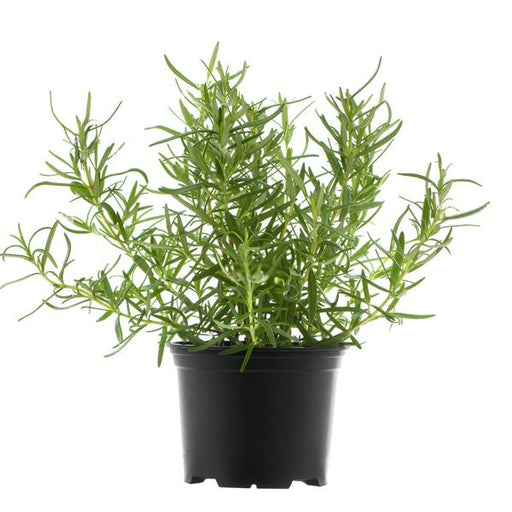
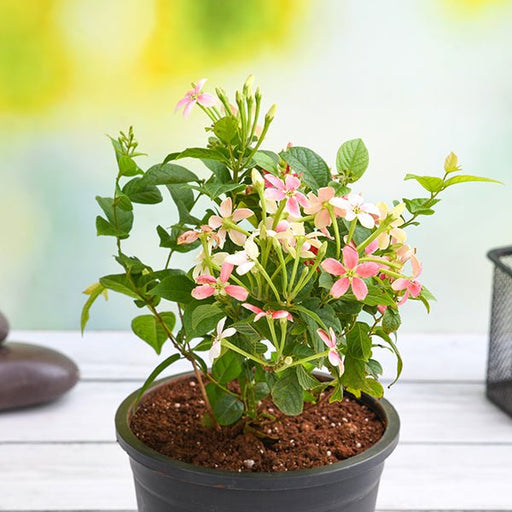
Absolutely! Plastic pots are lightweight and come in a rainbow of colors. They retain moisture well, making them perfect for those who forget to water. Just be cautious of drainage; no one likes a soggy bottom! With a little creativity, you can make them look fabulous too.
What about ceramic pots?
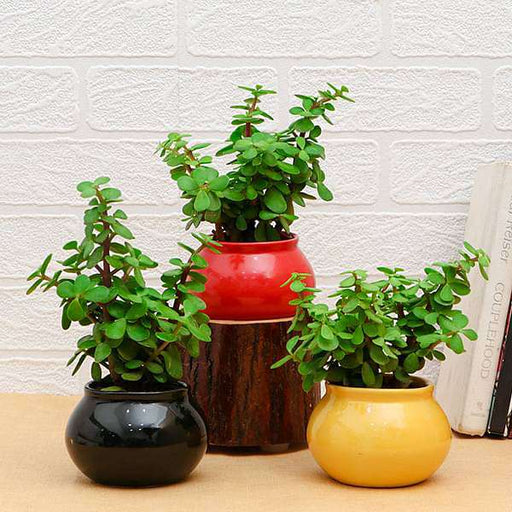
Ceramic pots are the divas of the plant world. They’re stylish, heavy, and often come with stunning glazes. They retain moisture and provide excellent insulation for roots. Just be careful with drainage holes; nobody wants a plant swimming in its own pot. They’re perfect for those who want to impress their guests!
Are metal pots suitable for indoor plants?
Metal pots can be a stylish choice, but they can heat up faster than a summer day. If you choose metal, ensure it has proper drainage and consider lining it with a protective layer. They can add a modern touch to your plant collection, but don’t forget to keep an eye on temperature!
What’s the best pot material for succulents?
For succulents, terracotta is the superstar! Its porous nature allows for excellent drainage, preventing those pesky root rot issues. Plus, it keeps the soil dry between waterings, which is exactly what your succulent craves. Just remember, they’re not fans of sitting in water, so let them breathe!
Can I use glass pots for indoor plants?
Glass pots are like the clear choice for showcasing your plant babies. They’re chic and allow you to admire the roots as they grow. However, they can trap heat and moisture, so be cautious. Ensure proper drainage and consider using them for plants that prefer drier conditions.
What about biodegradable pots?
Biodegradable pots are the eco-warriors of the plant world! Made from materials like coconut coir or recycled paper, they’re great for the environment. They break down over time, allowing roots to grow freely. Just keep in mind they may not last as long as traditional pots, but they’re perfect for the green-hearted gardener!
Are self-watering pots worth it?
Self-watering pots are like having a personal assistant for your plants! They provide a steady supply of moisture, making them perfect for busy plant parents. Just fill the reservoir, and let the pot do the work. They’re a great way to prevent over or under-watering, ensuring your plants stay happy and hydrated!
What size pot is best for indoor plants?
The best pot size depends on your plant’s size and growth stage. A pot too small can stunt growth, while one too large can lead to overwatering. Aim for a pot that’s 1-2 inches larger than the current one. It’s like finding the perfect pair of shoes for your plant!
How often should I repot my indoor plants?
Repotting frequency depends on the plant type and growth rate. Generally, every 1-2 years is a good rule of thumb. If you notice roots poking out or water pooling on top, it’s time for a new home. Think of it as a plant upgrade, giving them more room to stretch and thrive!
Can I use old pots for new plants?
Absolutely! Just give those old pots a good clean and check for drainage holes. They’ve got stories to tell and can be perfect for new plant adventures. Just ensure they’re free from pests or diseases. It’s like recycling for your plants, giving them a fresh start in a familiar space!