Which plants reduce indoor pollution?
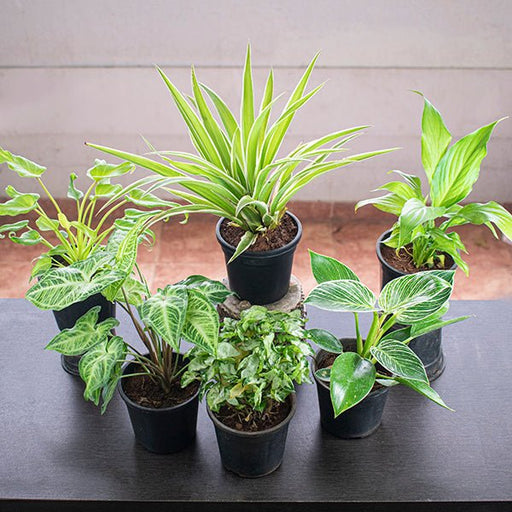
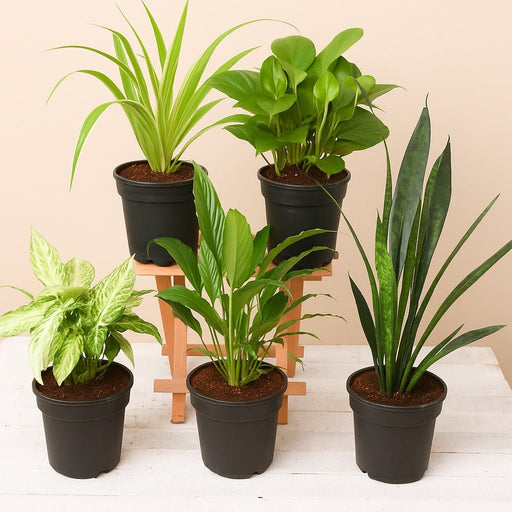
The best indoor air purifiers are plants like the snake plant, peace lily, and spider plant. They’re like nature’s little superheroes, battling toxins while you binge-watch your favorite series.
How do plants purify air?
Plants absorb carbon dioxide and release oxygen, making them the ultimate multitaskers. They also filter out harmful pollutants, turning your home into a fresh oasis.
What are the best indoor plants for air quality?
Look no further than the pothos, rubber plant, and bamboo palm. These green companions not only beautify your space but also work tirelessly to keep the air clean and fresh.
Can I keep these plants in low light?
Absolutely! Many air-purifying plants thrive in low light, like the ZZ plant and snake plant. They’re perfect for those of us who might forget to turn on the lights.
How many plants do I need for good air quality?
A good rule of thumb is one plant per 100 square feet. So, if you want to breathe easy, don’t be shy—go green and fill your space with leafy friends!
Do these plants require special care?
Not at all! Most air-purifying plants are low-maintenance. Just give them a little water and indirect sunlight, and they’ll reward you with cleaner air and a touch of nature.
Are there any plants that are toxic to pets?
Yes, some popular plants like peace lilies and pothos can be toxic to pets. Always check before you bring a new green friend home, unless you want to play vet.
How long does it take for plants to purify air?
While plants start working their magic immediately, it can take a few hours to notice a difference. Patience is key—just like waiting for your favorite show to drop a new season!
Can I use artificial plants for air purification?
Sorry, but artificial plants are just pretty impostors. They don’t purify air, so stick with the real deal if you want to breathe easy and feel good.
What’s the best way to care for air-purifying plants?
Keep them in well-draining soil, water them when the top inch is dry, and give them some indirect sunlight. Treat them like royalty, and they’ll reward you with cleaner air!
Do air-purifying plants help with allergies?
Yes, they can help reduce allergens by filtering out dust and other particles. So, if you’re tired of sneezing, it’s time to invite some green buddies into your home!
Where can I buy air-purifying plants?
You can find them at local nurseries, garden centers, or even online. Just make sure to choose healthy plants that are ready to tackle indoor pollution like champions!