Which plants improve indoor air quality the most?
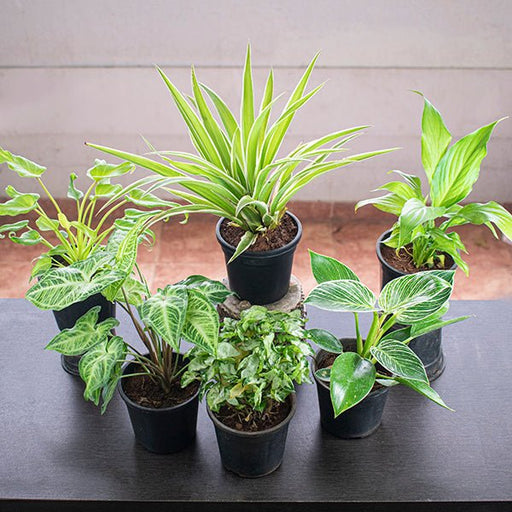
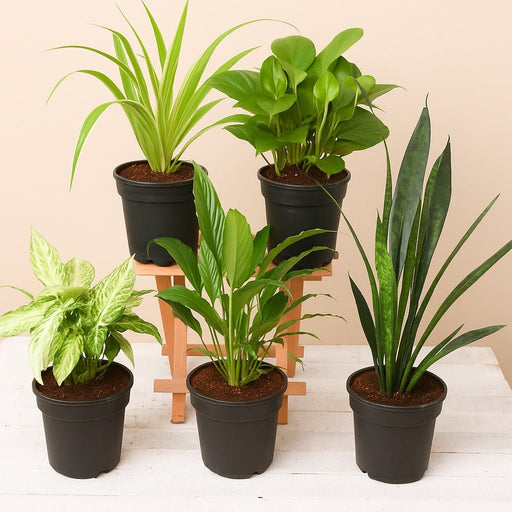
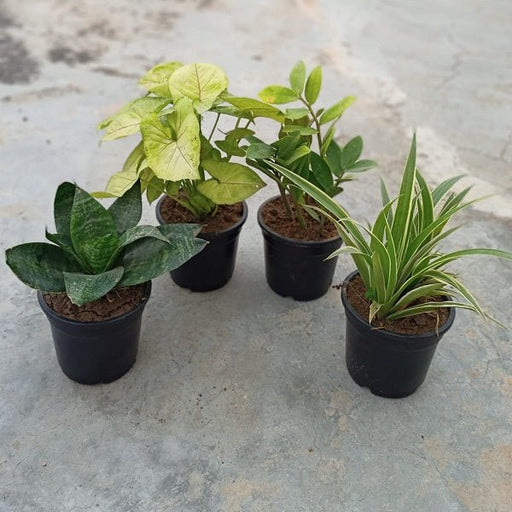
The top contenders include the snake plant, peace lily, and spider plant. These green superheroes absorb toxins and release oxygen, making your home feel like a fresh forest. Who knew that a little greenery could turn your living room into a breath of fresh air?
How do plants purify air?
Plants purify air through a process called photosynthesis, where they absorb carbon dioxide and release oxygen. They also take in harmful pollutants through their leaves and roots, breaking them down into harmless substances. So, while you binge-watch your favorite series, your plants are busy cleaning the air. Talk about multitasking!
Are snake plants really effective?
Absolutely! Snake plants are like the ninjas of air purification. They thrive on neglect, require minimal light, and are known to filter out formaldehyde and benzene. Plus, they release oxygen at night, making them the perfect bedroom buddy. Who wouldn’t want a low-maintenance plant that works overtime?
What about peace lilies?
Peace lilies are not just pretty faces; they’re air-purifying powerhouses! They can remove toxins like ammonia and xylene while adding a touch of elegance to your space. Just keep them away from pets, as they can be toxic if ingested. A beautiful plant with a side of caution—what’s not to love?
Can spider plants improve air quality?
You bet! Spider plants are like the overachievers of the plant world. They can remove pollutants like formaldehyde and carbon monoxide while producing adorable baby spiders. They’re easy to care for and thrive in various conditions, making them perfect for both novice and seasoned plant parents.
How many plants do I need for good air quality?
The magic number is around two plants per 100 square feet. So, if you have a cozy 200-square-foot room, aim for four plants. This way, you’ll create a mini jungle that not only looks good but also keeps the air fresh. Who knew math could be so green?
Do indoor plants really help with allergies?
Yes, they can! Indoor plants can help reduce allergens by trapping dust and releasing moisture into the air. This creates a more humid environment, which can alleviate dry skin and respiratory issues. So, while you’re sneezing less, your plants are having a party. It’s a win-win!
What’s the best light for indoor plants?
Most air-purifying plants prefer bright, indirect light. Think of it as their version of a spa day—plenty of light without the harsh rays. However, some plants, like snake plants, can thrive in low light. So, whether your home is sun-drenched or dim, there’s a plant for you!
How often should I water my air-purifying plants?
The golden rule is to water when the top inch of soil feels dry. Overwatering is the enemy! Each plant has its own thirst level, so get to know your leafy friends. A little love and attention will keep them thriving and your air fresh. Cheers to happy plants!
Can I use air-purifying plants in my office?
Absolutely! Air-purifying plants are perfect for offices, where stale air and stress can reign supreme. They not only improve air quality but also boost mood and productivity. So, bring in those green buddies and watch your workspace transform into a refreshing oasis. Work just got a whole lot greener!
Are there any plants I should avoid?
Yes, some plants can be toxic to pets or humans. For instance, philodendrons and pothos are beautiful but can cause stomach issues if ingested. Always do your research before bringing a new plant home. Better safe than sorry—your furry friends will thank you for it!