Skip to content

Which plants grow well in semi arid regions of India?

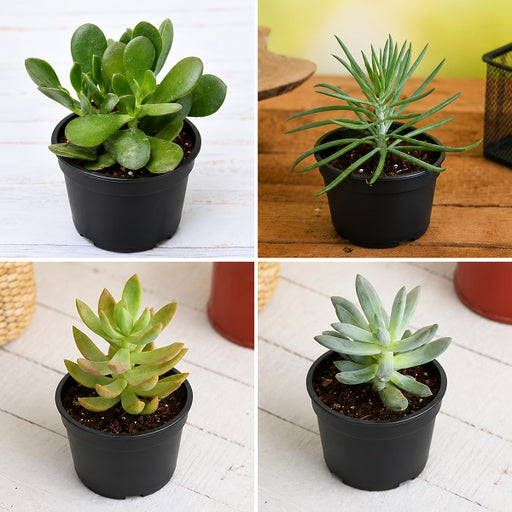
Plants that thrive in semi-arid regions of India are built to handle heat, dry air, and limited watering. Succulents and drought-resistant varieties store water efficiently and stay healthy even in high temperatures. These plants are perfect for homes in Rajasthan, parts of Gujarat, Maharashtra, and other dry regions.

☀️ Why these recommendations work in Indian homes

  • Low water requirements make them ideal for dry and semi-arid climates 
  • Highly resilient plants that tolerate heat and temperature fluctuations
  • Easy to care for, making them perfect for beginners and busy households 
  • Add greenery and style without demanding daily attention 
  • Grow well in pots, balconies, terraces, and windowsills 
  • Recover quickly even if watering is occasionally missed 

Related collection

🌵 Recommended options for semi-arid regions

  • aloe-vera – medicinal plant that thrives in dry conditions 
  • snake-plant-sansevieria – extremely drought-tolerant and hardy 
  • zhuzhu-plant – low-maintenance plant for warm climates 
  • cactus – classic desert plant with minimal water needs 
  • echeveria – attractive rosette-shaped succulent 
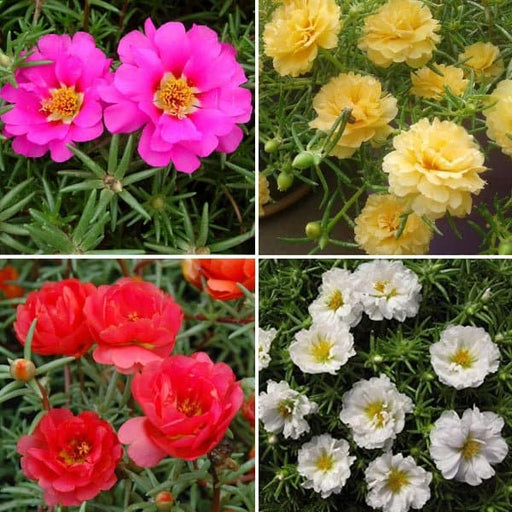
  • portulaca – flowering succulent perfect for sunny spots 
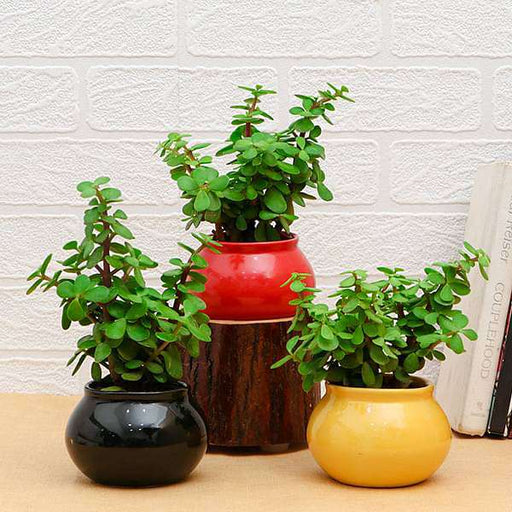
  • jade-plant – symbol of luck and easy-care greenery 
  • air-plant – needs no soil and very little water 
  • stonecrop – tough groundcover-style succulent 
  • hen-and-chicks – hardy succulent that multiplies easily 

💧🌤️ Quick care tips

  • Light: Bright, indirect sunlight promotes healthy growth 
  • Water: Water sparingly and only after soil dries completely 
  • Soil: Use fast-draining soil to prevent root rot 
  • Placement: Ideal for windowsills, balconies, and sunny corners 
  • Rotation: Rotate pots occasionally for even growth 

🚫 Common mistakes to avoid

  • Overwatering, which is the most common cause of plant death 
  • Using heavy soil that holds excess moisture 
  • Placing plants under harsh midday sunlight for long hours 
  • Ignoring drainage holes in pots 
  • Neglecting regular pest checks 

Explore more options in our collection to create a beautiful, low-maintenance green space suited for semi-arid regions
Trending Collections

Save 40% with Gardening Solutions

FAQ

Which plants grow well in semi arid regions of India?

Well, think of drought-resistant champions like cactus, acacia, and neem. These green warriors thrive on minimal water and still manage to look fabulous. They’re like the supermodels of the plant world, strutting their stuff in the sun while conserving moisture like pros.

What are the benefits of planting drought-resistant plants?

Drought-resistant plants are like the superheroes of your garden. They save water, require less maintenance, and attract beneficial wildlife. Plus, they add a unique charm to your landscape, making it look like a desert oasis. Who knew saving the planet could be so stylish

How do I choose the right plants for my semi-arid garden?

Choosing the right plants is like picking the perfect outfit. Look for native species that are adapted to your local climate. Check their water needs, growth habits, and sunlight requirements. Remember, a little research goes a long way in creating a garden that’s both beautiful and resilient.

Can I grow vegetables in semi-arid regions?

Absolutely! Vegetables like okra, eggplant, and certain varieties of beans are like the cool kids in the semi-arid garden. They thrive with minimal water and can handle the heat. Just remember to give them a little love and care, and they’ll reward you with a bountiful harvest.

What is the best time to plant in semi-arid regions?

Timing is everything, darling! The best time to plant is during the pre-monsoon season, when the soil is warm and moisture levels are rising. This gives your plants a fighting chance to establish roots before the scorching summer sun comes knocking.

How often should I water my semi-arid garden?

Watering is an art, not a science! In semi-arid regions, deep watering once a week is usually sufficient. This encourages roots to grow deep, seeking moisture like a treasure hunt. Just remember, overwatering is like giving your plants a spa day they didn’t ask for!

What soil type is best for semi-arid plants?

Well-drained sandy or loamy soil is the VIP section for semi-arid plants. It allows excess water to escape while retaining just enough moisture for your green friends. Think of it as the perfect balance between a cozy bed and a breathable hammock.

How can I improve soil moisture retention?

Mulching is your best friend! A layer of organic mulch acts like a cozy blanket for the soil, reducing evaporation and keeping roots cool. It’s like giving your plants a refreshing drink without the guilt of overindulgence. Plus, it adds nutrients as it breaks down. Win-win!

Are there any ornamental plants for semi-arid regions?

Absolutely! Ornamental plants like bougainvillea, desert rose, and lantana are the fashionistas of the plant world. They add color and flair to your garden while being tough enough to handle the heat. Who says you can’t have beauty and resilience in one package

How do I protect my plants from extreme heat?

Think of shade as your plants’ best friend! Use shade cloths or plant taller species nearby to provide some relief from the blazing sun. It’s like giving your plants a stylish sunhat while they sip on water. They’ll thank you with vibrant growth!

Can I use fertilizers in semi-arid regions?

Yes, but with caution! Use slow-release, organic fertilizers to give your plants a gentle boost without overwhelming them. Think of it as a little pick-me-up rather than a full-course meal. Your plants will appreciate the thoughtful approach, and you’ll avoid the dreaded fertilizer burn.

What are some common pests in semi-arid regions?

Pests like aphids and spider mites can be the uninvited guests at your garden party. Keep an eye out for them and use natural remedies like neem oil or insecticidal soap. It’s like sending them packing with a polite “not today, pests!”