Skip to content

Which plants are best for schools?

Some of the best plants for schools include low-maintenance options like Snake Plant, Pothos, and Peace Lily 🌿. These plants are resilient, visually calming, and thrive well in classrooms, libraries, corridors, and staff rooms. They help create a healthier and more positive learning environment for students and teachers alike.

Why these plant recommendations work well in Indian schools 🇮🇳🏫

  • Low maintenance and easy to care for, even during holidays and vacations.
  • Air-purifying properties help improve indoor air quality in classrooms.
  • Safe, non-thorny plants suitable for spaces with children.
  • Adaptable to different light conditions, including tube lights and windows.
  • Help reduce stress and improve focus among students 🌱🧠.
  • Encourage environmental awareness and responsibility in young minds.
  • Resilient to heat and humidity common in many Indian regions.

Explore suitable indoor plants for schools 🌿

Recommended plant options for schools 🌱✨

Quick care tips for school plants 🪴

  • Light: Bright or medium indirect light works best.
  • Water: Water only when the top inch of soil feels dry.
  • Soil: Use a well-draining indoor potting mix.
  • Placement: Keep plants in ventilated areas away from heavy movement.
  • Cleaning: Wipe leaves occasionally to remove dust.
  • Routine: Assign simple plant-care duties to students as an activity 🌱👧👦.

Common mistakes to avoid 🚫

  • Overwatering, which can damage roots.
  • Keeping plants in harsh direct sunlight.
  • Using low-quality or compact soil.
  • Ignoring early signs of pests or yellowing leaves.
  • Placing plants where they may be frequently knocked over.

Green classrooms inspire better learning 🌿✨ Explore more child-friendly options in our indoor plants collection.
Trending Collections

Save 40% with Gardening Solutions

FAQ

Which plants are best for schools?

The best plants for schools are low-maintenance, resilient, and safe for kids. Think snake plants, pothos, and peace lilies. They purify the air and can survive the occasional neglect. Plus, they make classrooms feel like a mini jungle, which is way cooler than plain walls!

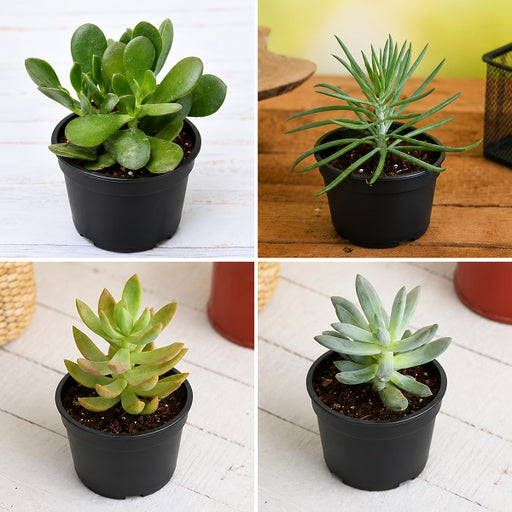
Are succulents good for classrooms?

Absolutely! Succulents are like the cool kids of the plant world. They require minimal watering and thrive on neglect, making them perfect for busy classrooms. Plus, their quirky shapes and colors can spark students' creativity. Just don’t let them get too attached; they’re not the best at sharing!

What about indoor trees for schools?

Indoor trees like fiddle leaf figs or rubber plants can add a touch of nature to any classroom. They’re like the gentle giants of the plant kingdom, providing shade and a calming atmosphere. Just ensure they have enough space to grow and don’t mind the occasional student hug!

Can plants improve student concentration?

Yes, indeed! Plants are like nature’s little concentration boosters. Studies show that greenery can enhance focus and reduce stress. So, adding a few leafy friends to the classroom can help students stay sharp and engaged. Who knew that a little chlorophyll could work wonders on those math problems

Are there any non-toxic plants for schools?

Definitely! Non-toxic plants like spider plants and Boston ferns are perfect for schools. They’re safe for curious hands and mouths, making them ideal for classrooms filled with little explorers. Plus, they’re great at cleaning the air, so you can breathe easy while learning!

How do I care for classroom plants?

Caring for classroom plants is easier than passing a pop quiz! Just ensure they get enough light, water them when the soil feels dry, and occasionally wipe their leaves to keep them dust-free. With a little love and attention, your plants will thrive and become the star students of the room!

What are the benefits of having plants in schools?

Plants in schools are like little green superheroes! They improve air quality, boost mood, and enhance creativity. Plus, they teach students about responsibility and the environment. So, having plants around is not just about aesthetics; it’s about nurturing young minds and hearts!

Can I use plants for educational purposes?

Absolutely! Plants can be fantastic teaching tools. They can help students learn about biology, ecology, and even art. You can incorporate them into science projects or use them to inspire creative writing. Plus, they provide a hands-on experience that textbooks just can’t compete with!

What are the best outdoor plants for school gardens?

For school gardens, consider hardy perennials like lavender, marigolds, and sunflowers. They’re colorful, attract pollinators, and can withstand the occasional roughhousing. Plus, they provide a great opportunity for students to learn about gardening and the importance of biodiversity. Who knew dirt could be so educational

How can plants help with classroom behavior?

Plants can work wonders for classroom behavior! Their calming presence can reduce anxiety and create a more peaceful environment. Plus, caring for plants can instill a sense of responsibility in students. So, when the classroom gets a bit rowdy, just point to the plants and remind everyone to channel their inner zen!

Are there any plants that require little light?

Yes, indeed! If your classroom lacks natural light, consider low-light champions like ZZ plants or snake plants. They thrive in dim conditions and are practically begging for a spot in your classroom. With these green buddies, you can have a thriving plant life without needing a sunroom!

How do I choose the right plants for my school?

Choosing the right plants for your school is like picking the perfect study buddy! Consider factors like light availability, maintenance level, and safety. Opt for plants that are resilient and can handle a bit of rough treatment. With the right choices, your school can become a vibrant green haven!