Skip to content

Which plants are best for hospitals?

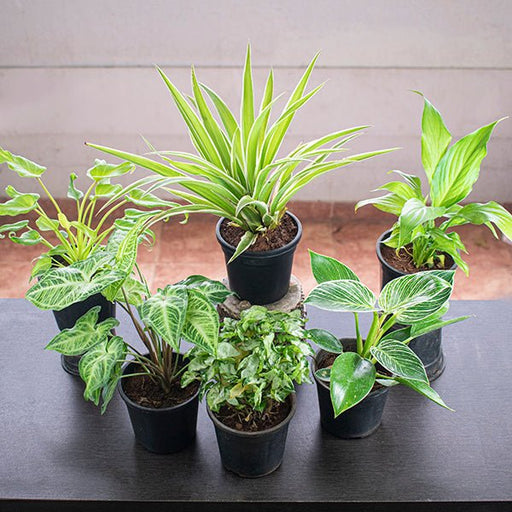
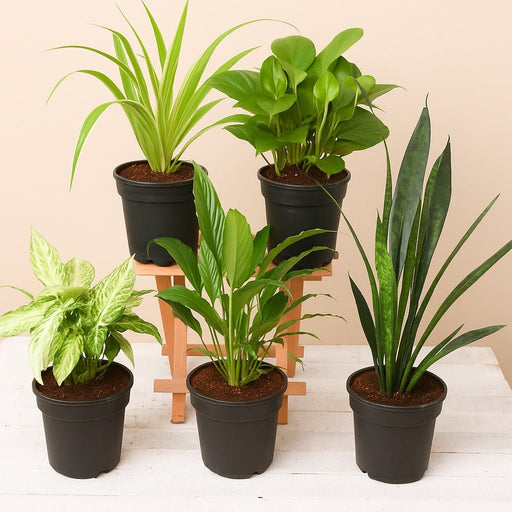
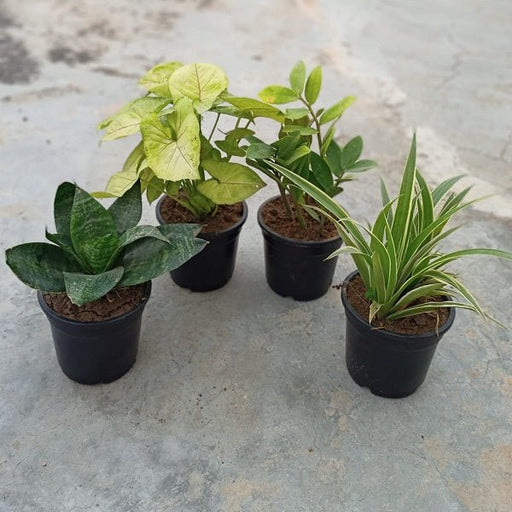
Creating a calm and healing atmosphere in hospitals is essential. Plants like Peace Lily, Snake Plant, Pothos, and Spider Plant are among the best choices for healthcare environments.

They are valued for their air-purifying qualities, stress-reducing presence, and low maintenance needs making them suitable for patient areas, waiting rooms, and staff zones.

Why these plant recommendations work well in Indian hospitals 🌱

  • They help improve indoor air quality, which is especially important in enclosed hospital spaces.
  • Low maintenance requirements suit busy hospital staff and facility teams.
  • They adapt well to air-conditioned environments common in Indian hospitals.
  • They grow well in varied lighting conditions, from low-light corridors to brighter waiting areas.
  • Selected plants are generally safe and non-toxic for patients, visitors, and staff.
  • Green plants help reduce stress, anxiety, and mental fatigue for patients and caregivers.
  • They add warmth and visual comfort to otherwise sterile interiors.

Explore our indoor plants collection

Recommended plants for hospitals & healthcare spaces 🌿

  • Peace Lily – Elegant, calming, and known for air-purifying benefits.
  • Snake Plant – Extremely hardy and releases oxygen even at night.
  • Pothos (Money Plant) – Easy to maintain and ideal for shelves or hanging planters.
  • Spider Plant – Compact, fast-growing, and great for desks and counters.
  • Areca Palm – Helps maintain indoor humidity and adds a fresh look.
  • Philodendron – Lush foliage with minimal light and care needs.
  • ZZ Plant – Ideal for low-light areas and irregular watering schedules.
  • Gerbera Daisy – Bright flowers that uplift mood in reception and waiting areas.

Quick care tips for hospital plants 🪴

  • Light: Bright, indirect sunlight works best; low light is also acceptable.
  • Water: Water only when the top 1–2 inches of soil feel dry.
  • Soil: Use a well-draining indoor potting mix to avoid waterlogging.
  • Placement: Ideal for waiting rooms, corridors, nurse stations, and entrances.
  • Cleaning: Wipe leaves regularly to remove dust and improve air purification.
  • Ventilation: Avoid placing plants directly under AC vents.

Common mistakes to avoid in hospitals 🚫

  • Overwatering, which can quickly cause root rot.
  • Placing plants in harsh direct sunlight near windows.
  • Using heavy garden soil instead of a light potting mix.
  • Neglecting leaf cleaning, reducing air-purifying effectiveness.
  • Overcrowding plants, which limits airflow.
  • Ignoring early pest signs that can spread indoors.


Trending Collections

Save 40% with Gardening Solutions

FAQ

Which plants are best for hospitals?

Hospitals thrive on greenery. Consider peace lilies for their air-purifying prowess, snake plants for their low maintenance, and pothos for their trailing charm. These plants not only beautify but also boost patient morale. Who knew a little foliage could be a healing touch

Are snake plants really low maintenance?

Absolutely! Snake plants are the introverts of the plant world. They thrive on neglect, requiring minimal watering and light. Perfect for busy hospital staff who might forget to water them. Just place them in a corner, and they’ll silently do their job, cleaning the air and looking fabulous.

What are the air-purifying benefits of plants?

Plants are nature’s air fresheners! They absorb toxins, release oxygen, and create a fresher environment. In hospitals, this means healthier air for patients and staff alike. So, while you’re healing, let those leafy friends work their magic, no plug-ins required.

Can plants improve patient mood?

You bet! Studies show that greenery can lift spirits and reduce stress. A splash of green in a sterile hospital room can make a world of difference. So, let’s turn those frowns upside down with some cheerful plants—because who doesn’t feel better with a little nature around

Which plants are safe for hospitals?

Safety first! Opt for non-toxic plants like spider plants, peace lilies, and rubber plants. These green companions won’t cause any harm, even if someone decides to give them a curious nibble. It’s all about keeping the healing environment safe and sound—no plant drama allowed!

How do I care for hospital plants?

Caring for hospital plants is as easy as pie! Just ensure they get the right amount of light, water them when the soil feels dry, and occasionally wipe their leaves to keep them dust-free. With a little love, they’ll thrive and contribute to a healing atmosphere.

Are there any flowering plants suitable for hospitals?

Yes, indeed! Consider orchids for their elegance and air-purifying qualities. They add a pop of color and cheer without overwhelming the senses. Just remember, they might require a bit more TLC, but the beauty they bring is worth the effort!

What’s the best placement for plants in hospitals?

Placement is key! Position plants in waiting areas, patient rooms, and hallways to maximize their benefits. Just avoid high-traffic zones where they might get knocked over. Think of them as the quiet observers of healing—always there, but never in the way!

Can plants help with noise reduction?

Absolutely! Plants can act as natural sound barriers. Their leaves absorb sound, creating a more peaceful environment. In bustling hospitals, a little greenery can help muffle the chaos, making it a more serene space for patients and staff alike. Who knew plants could be such good listeners

How often should I water hospital plants?

Watering frequency depends on the plant, but a general rule is to check the soil. If it’s dry an inch down, it’s time for a drink! Overwatering is a common mistake, so channel your inner Goldilocks—just right is the goal for happy, healthy plants.

What are the best indoor plants for hospitals?

Indoor champions include peace lilies, snake plants, and ZZ plants. They’re resilient, air-purifying, and add a touch of nature to sterile environments. These plants are like the all-stars of the hospital world—always ready to perform and brighten up the place!