What size pot should I use for indoor plants?
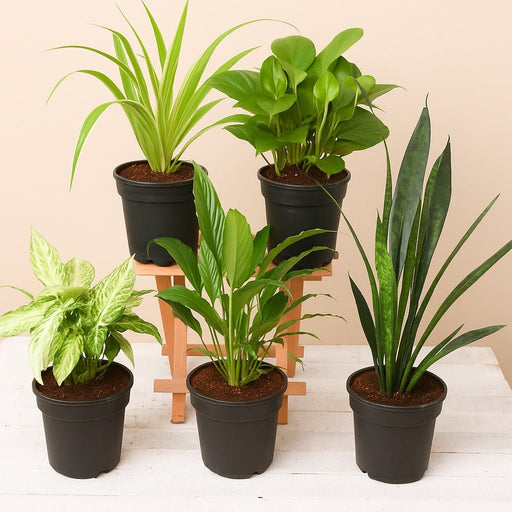
The pot size is like Goldilocks—too small and your plant feels cramped, too big and it drowns in soil. Aim for a pot that’s 1-2 inches larger in diameter than your plant’s root ball. This way, your leafy friend can stretch its roots without feeling like it’s lost in a desert.
How do I know if my pot is too small?
If your plant starts looking like it’s auditioning for a horror movie—roots coming out of the drainage holes or the soil dries out faster than you can say “thirsty”—it’s time to upsize. A pot that’s too small is like a bad haircut; it just doesn’t work!
What happens if I use a pot that’s too big?
Using a pot that’s too big is like giving a toddler a giant ice cream cone—messy and overwhelming! Your plant may suffer from overwatering, as the excess soil retains too much moisture. It’s a recipe for root rot, and nobody wants that drama in their indoor jungle.
Should I choose a pot with drainage holes?
Absolutely! Drainage holes are your plant’s best friend, allowing excess water to escape and preventing soggy roots. Think of it as a spa day for your plant—no one likes to sit in a puddle. If your pot lacks holes, consider drilling some or using it as a decorative outer pot.
What material should my pot be?
The material matters! Terracotta is breathable and great for moisture-loving plants, while plastic pots are lightweight and retain moisture longer. Ceramic pots are stylish but can be heavy. Choose based on your plant’s needs and your aesthetic—because who says plants can’t have style?
How often should I repot my indoor plants?
Repotting is like a seasonal wardrobe change for your plants. Generally, every 1-2 years is ideal, or when you see roots peeking out. If your plant looks like it’s outgrown its home, it’s time for a new pot. Just don’t forget to give it a little pep talk!
Can I use a pot without a saucer?
Sure, but it’s like going to a picnic without a blanket—messy! A saucer catches excess water, preventing your plant from sitting in a puddle. If you’re feeling rebellious, just keep an eye on your watering habits. But really, why risk it? Saucer up for happy plants!
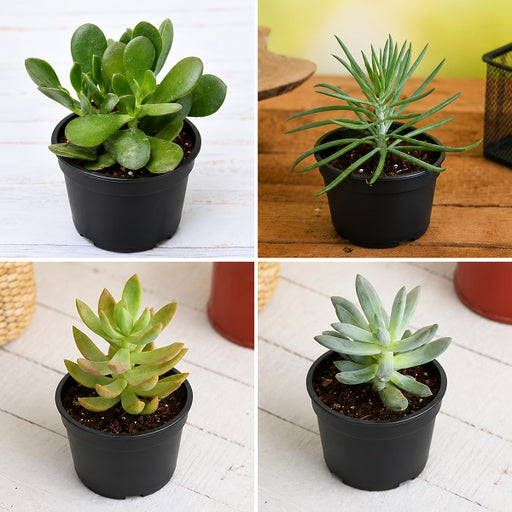
What size pot is best for succulents?
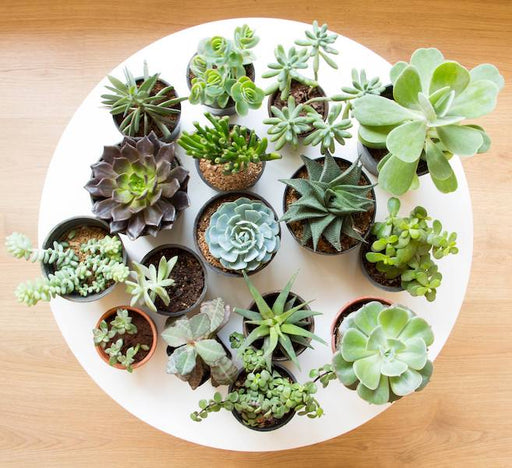
Succulents prefer snug homes, so a pot that’s 1-2 inches larger than their root ball is perfect. They thrive in well-draining soil, so choose a pot with drainage holes. Remember, these little guys don’t want to swim; they just want to bask in the sun and look fabulous!
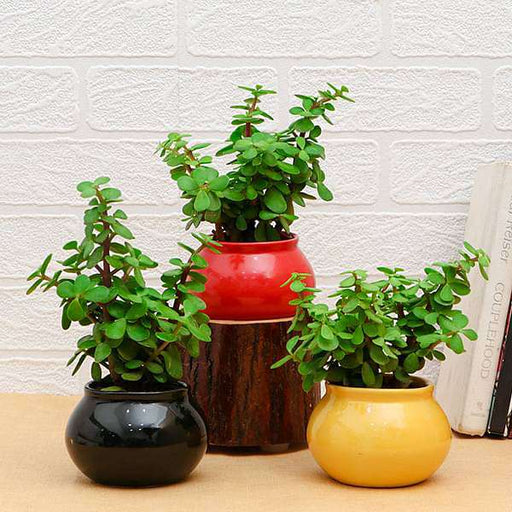
Can I use a decorative pot for my indoor plants?
Absolutely! Just make sure it has drainage or use it as a cachepot. Your plant can live in style while you keep the practical pot hidden. It’s like wearing a fancy outfit over comfy pajamas—who says you can’t have the best of both worlds?
What size pot is ideal for herbs?
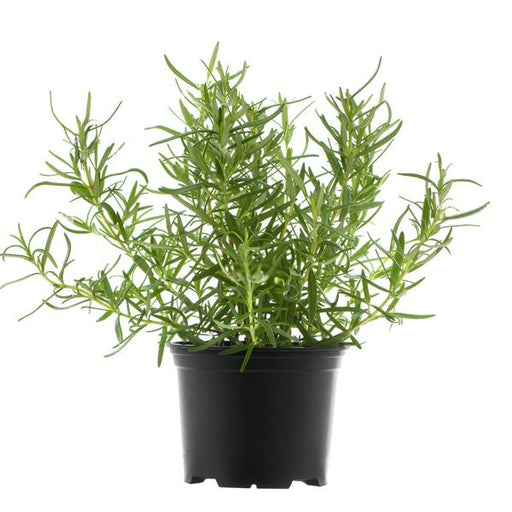
Herbs love a cozy space, so a pot that’s 6-8 inches in diameter is usually perfect. They don’t need a mansion; just enough room to spread their roots and soak up the sun. Plus, you’ll have fresh herbs at your fingertips—talk about a win-win!
How do I choose the right pot for a flowering plant?
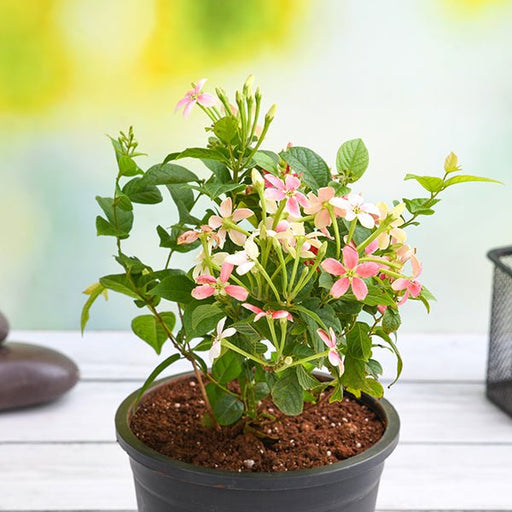
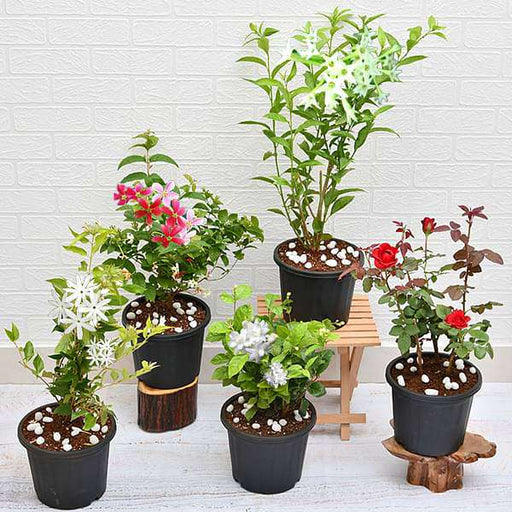
For flowering plants, choose a pot that’s 1-2 inches larger than the root ball. This gives them room to grow and bloom beautifully. Just remember, a pot that’s too big can lead to soggy soil, and we don’t want your flowers wilting before their time!
What’s the best way to measure pot size?
Grab a tape measure and channel your inner plant stylist! Measure the diameter of the root ball and add 1-2 inches for the perfect fit. If you’re feeling adventurous, you can also eyeball it, but let’s be honest—precision is key when it comes to happy plants!