Skip to content

What are the best air purifying plants for home in India?

Air purifying plants help filter indoor pollutants like formaldehyde, benzene, and other volatile organic compounds naturally, making your home’s air fresher and healthier. Many popular indoor varieties also thrive in typical Indian light and care conditions.

🪴 Adding the right air purifying plants can improve indoor air quality while enhancing your décor and well-being.

🌱 Top air purifying plants for Indian homes

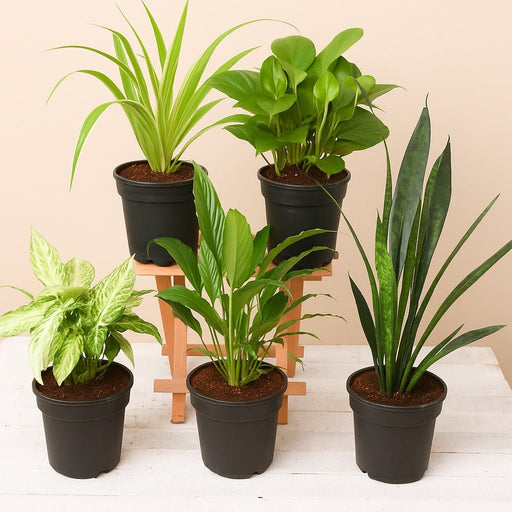
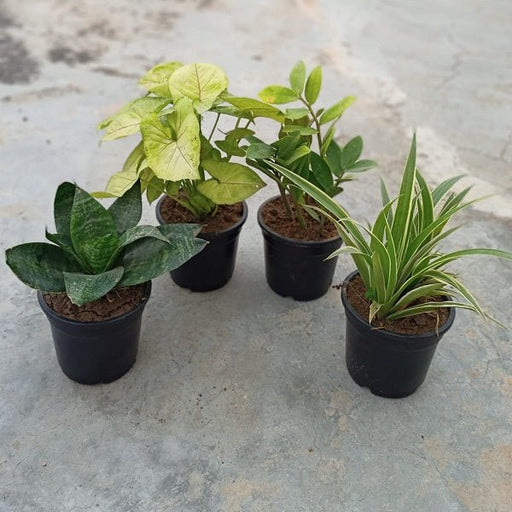
  • Snake Plant (Sansevieria): Excellent at filtering formaldehyde and xylene with minimal care.
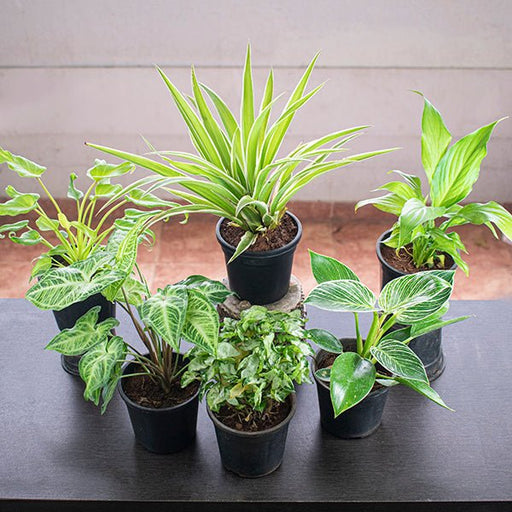
  • Spider Plant (Chlorophytum): Effective purifier that tolerates varied light and is easy to keep.
  • Peace Lily (Spathiphyllum): Known to absorb ammonia and benzene; also blooms indoors.
  • Money Plant (Pothos): A hardy plant that removes toxins like formaldehyde and benzene.
  • Areca Palm: Filters out xylene and toluene; also adds humidity.
  • Rubber Plant (Ficus elastica): Broad leaves help absorb VOCs and clean indoor air.
  • Aglaonema (Chinese Evergreen): Handles low to moderate light and purifies air.
  • Boston Fern: Helps remove formaldehyde and adds humidity, ideal in bright shade.
  • Syngonium (Arrowhead Plant): Compact purifier that works well in indoor corners.
  • Dracaena: Effective against common indoor pollutants; great for living rooms.

🌏 Why these plants work well in Indian homes

  • They can filter typical indoor pollutants like formaldehyde, benzene, and xylene from paints, furniture, and cleaners.
  • Most tolerate low to medium light, which suits many Indian rooms with indirect sunlight.
  • They are easy to maintain and don’t require complex care routines.
  • Many also improve humidity and oxygen levels, positively affecting indoor comfort.

🛒 Related collection

Browse a curated set of air purifying plants here:

Air Purifying Plants collection

🪴 Recommended options

💡 Quick care tips for air purifying plants

  • Light: Most prefer bright, indirect sunlight but adapt to low light rooms.
  • Water: Water only when the top 1–2 inches of soil are dry.
  • Soil: Use well-draining potting mix to prevent root rot.
  • Placement: Avoid direct harsh afternoon sun; place near filtered light or windows.

⚠ Common mistakes to avoid

  • Overwatering, which causes root rot in air purifying plants.
  • Placing plants in dark, unlit rooms with no access to indirect light.
  • Using heavy garden soil that retains too much moisture.
  • Ignoring pot drainage holes, leading to waterlogging.
Trending Collections

Save 40% with Gardening Solutions

FAQ

What are the best air purifying plants for home in India?

At Nurserylive, we recommend Snake Plant, Peace Lily, Spider Plant, Money Plant, Areca Palm, Rubber Plant, Aloe Vera, and Aglaonema. These plants are known to reduce common indoor pollutants while growing comfortably in Indian homes with indirect light and simple care, making clean air feel effortless.

Which air purifying plant is easiest to maintain at home?

The Snake Plant easily wins this round. Nurserylive loves it because it survives low light, missed watering, and busy schedules while quietly improving indoor air quality. It’s the plant equivalent of “low effort, high reward” for Indian households.

Do air purifying plants really work indoors?

Yes, air purifying plants do help improve indoor air quality when used consistently. At Nurserylive, we’ve seen plants like Spider Plant, Peace Lily, and Money Plant absorb indoor pollutants and contribute to a fresher environment, especially when combined with good ventilation.

Which air purifying plants are best for bedrooms?

Nurserylive suggests Snake Plant, Peace Lily, and Spider Plant for bedrooms. These plants stay neat, tolerate low light, and don’t have overpowering fragrances, making them suitable companions for calm, restful sleeping spaces in Indian homes.

Can air purifying plants grow well in low light conditions?

Absolutely. Many air purifying plants such as Snake Plant, ZZ Plant, Aglaonema, and Money Plant thrive in low or indirect light. Nurserylive recommends these for homes with shaded rooms or limited sunlight without compromising plant health.

How many air purifying plants should I keep at home?

While one plant won’t turn your home into a forest, Nurserylive recommends spreading a few air purifying plants across rooms. Even 2–3 plants per space can make a noticeable difference while keeping maintenance manageable.

Which air purifying plants are good for beginners?

For beginners, Nurserylive suggests Money Plant, Snake Plant, Spider Plant, and Aloe Vera. These plants forgive common mistakes, grow steadily, and make new plant parents feel successful rather than stressed.

Do air purifying plants need frequent watering?

No, most air purifying plants prefer slightly dry soil between watering. Nurserylive advises checking the soil before watering, as overwatering causes more damage than underwatering, especially in indoor conditions.

Are air purifying plants safe for apartments and small homes?

Yes, air purifying plants are ideal for apartments. Nurserylive often recommends compact plants like Snake Plant, Spider Plant, and Peace Lily because they fit well in small spaces while improving indoor air quality.

Which air purifying plant is best for living rooms?

Areca Palm and Rubber Plant are excellent living room choices. According to Nurserylive, they handle bright indoor light well, grow gracefully in larger spaces, and help improve air quality while enhancing décor.

Do air purifying plants help with humidity indoors?

Some air purifying plants like Areca Palm and Peace Lily help maintain indoor humidity. Nurserylive notes these plants are especially helpful in dry indoor environments, making the air feel more comfortable.

Where can I buy air purifying plants in India?

You can find a wide range of air purifying plants at Nurserylive. We offer healthy plants, beginner-friendly options, and expert guidance so Indian homes can enjoy cleaner air without complicated plant care routines.