Are indoor plants harmful for asthma patients?
Not necessarily! While some plants can trigger allergies, many indoor plants actually improve air quality. So, if you choose wisely, your leafy friends can be more of a breath of fresh air than a wheeze-inducing menace.
What types of indoor plants should asthma patients avoid?
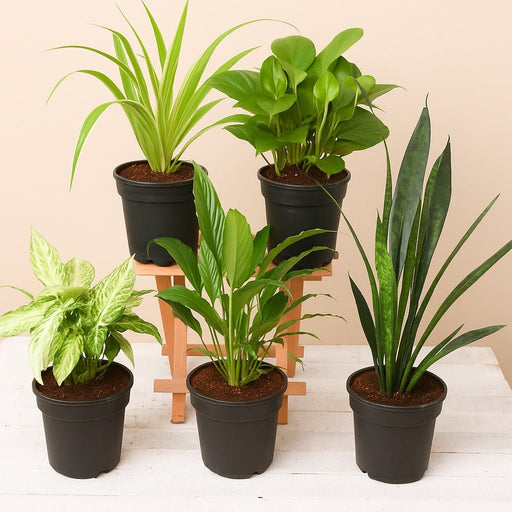
Steer clear of plants like the peace lily and spider plant, which can release mold spores. Instead, opt for low-maintenance buddies like snake plants or peace lilies that are less likely to cause a sneeze attack.
Can indoor plants improve air quality for asthma patients?
Absolutely! Many indoor plants, like the spider plant and bamboo palm, are natural air purifiers. They absorb toxins and release oxygen, making your home a healthier haven for your lungs. Just remember to dust them off occasionally; they love a good spa day!
Do indoor plants produce allergens?
Some do, but not all! Pollen-producing plants can be a no-go for asthma sufferers. However, many indoor plants are low in allergens and can coexist peacefully with your respiratory system. Just keep an eye out for any sneezes!
How can I choose asthma-friendly indoor plants?
Look for plants known for their air-purifying qualities and low allergenic potential. Snake plants, rubber plants, and pothos are great choices. Just remember, the greener the thumb, the happier the lungs!
Should I keep indoor plants in my bedroom if I have asthma?
Yes, but with caution! Choose plants that are known to improve air quality, like lavender or aloe vera. Just make sure they’re not too dusty or moldy, or you might end up with a midnight wheeze instead of sweet dreams.
Can indoor plants help with asthma symptoms?
They can! By improving air quality and increasing humidity, certain plants can help alleviate asthma symptoms. Just be sure to pick the right ones, or you might find yourself in a botanical battle instead of a peaceful plant paradise.
How often should I water indoor plants if I have asthma?
Watering frequency depends on the plant, but overwatering can lead to mold growth, which is a no-no for asthma patients. Keep a close eye on your plants and let the soil dry out between waterings to keep the air fresh and clear.
Are there any indoor plants that are completely safe for asthma patients?
While no plant is 100% safe, some are better than others. Consider options like the rubber plant or the spider plant, which are known for their air-purifying abilities and low allergenic potential. Just keep them clean and happy!
Can indoor plants cause respiratory issues?
Some can, especially if they’re dusty or moldy. Regular maintenance is key! Dust off leaves and avoid overwatering to keep your indoor jungle healthy and your lungs happy. A little TLC goes a long way in preventing respiratory rumbles.
What should I do if I experience asthma symptoms around indoor plants?
If you start wheezing or sneezing, it might be time to reassess your plant choices. Consider relocating them or swapping them out for more asthma-friendly options. Your lungs will thank you for the fresh air!
Is it worth having indoor plants if I have asthma?
Definitely! With the right selection, indoor plants can enhance your living space and improve air quality. Just remember to choose wisely and keep them clean. Your home can be a green oasis without compromising your breathing!