Not recd as per Picture on Website
Available 24/7
Available 24/7
Save up to 15%
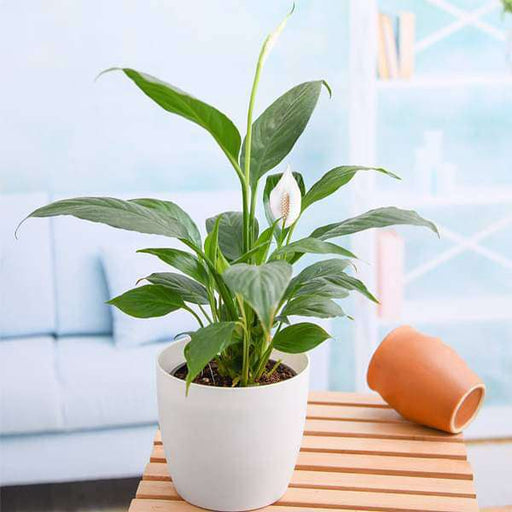
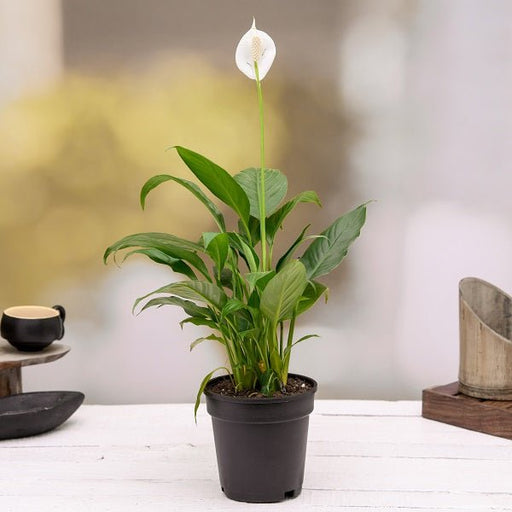
Peace Lily, Spathiphyllum - Plant The Peace Lily, scientifically known as Spathiphyllum, is a stunning houseplant celebrated for its elegant white...
View full details
Save 18%
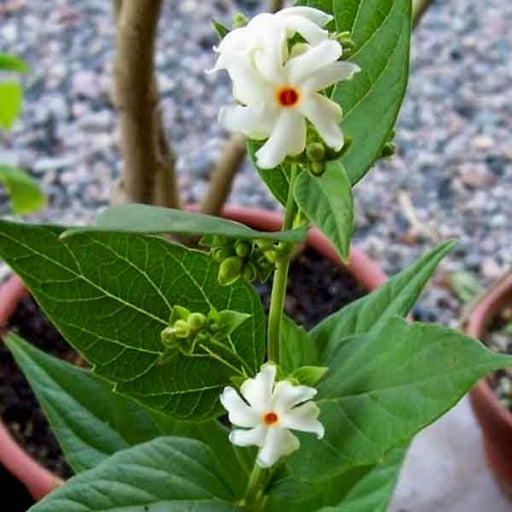
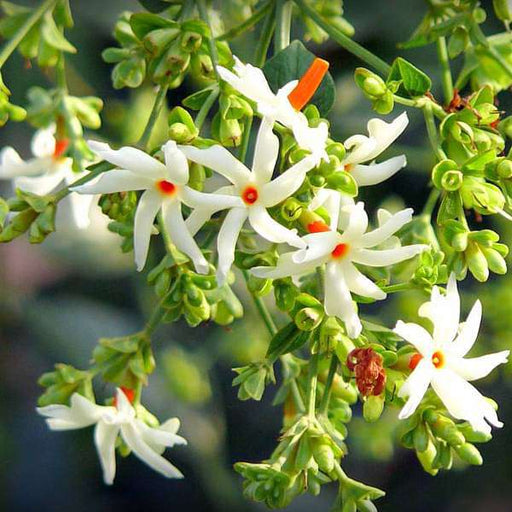
Combo Constituents Includes the Parijat Tree (Night-Flowering Jasmine), a culturally significant plant with fragrant flowers. Description The Pari...
View full details
Save 25%
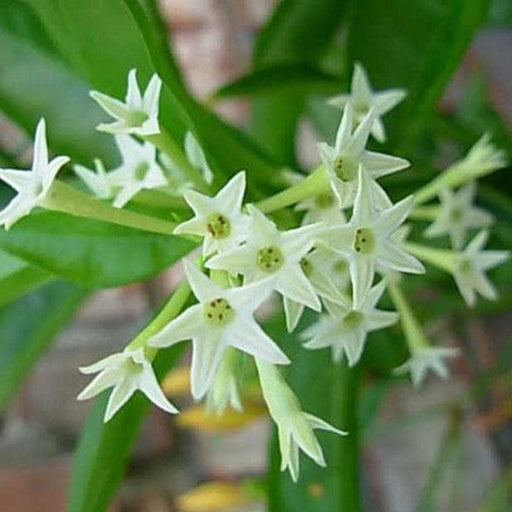
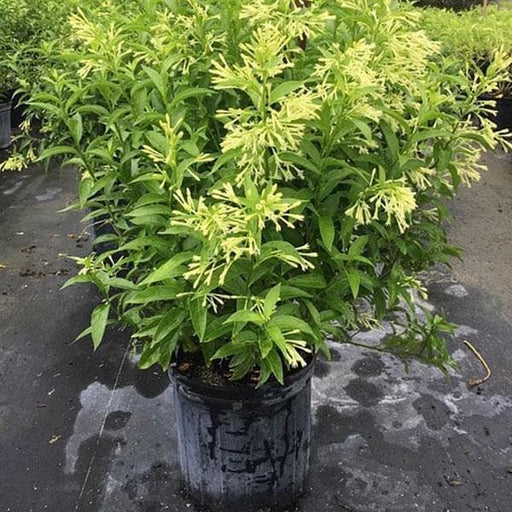
Description Raat Ki Rani (*Cestrum nocturnum*), also known as Night Blooming Jasmine, is a fragrant shrub native to the Caribbean and Central Ameri...
View full details
Save 25%
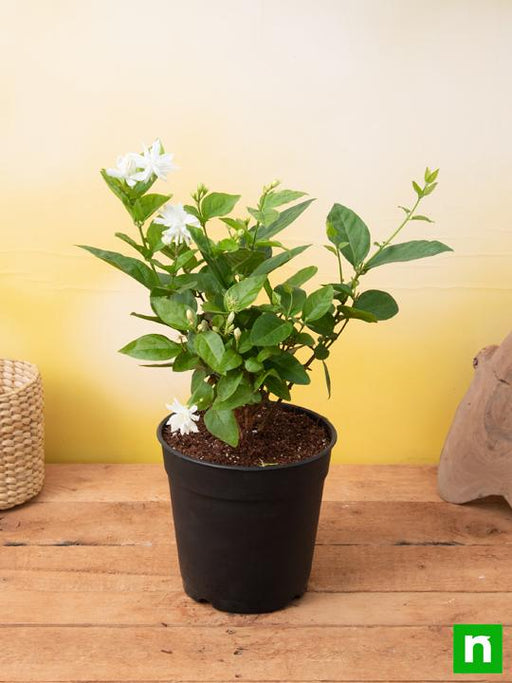
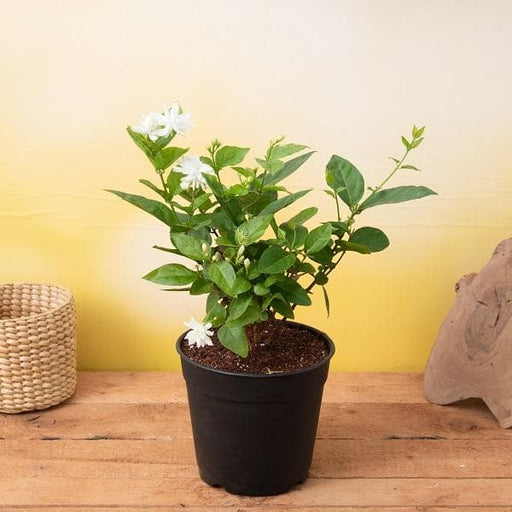
Jasminum sambac, Mogra, Arabian Jasmine - Plant Jasminum sambac, commonly known as Mogra or Arabian Jasmine, is a fragrant flowering plant...
View full details
Save 17%
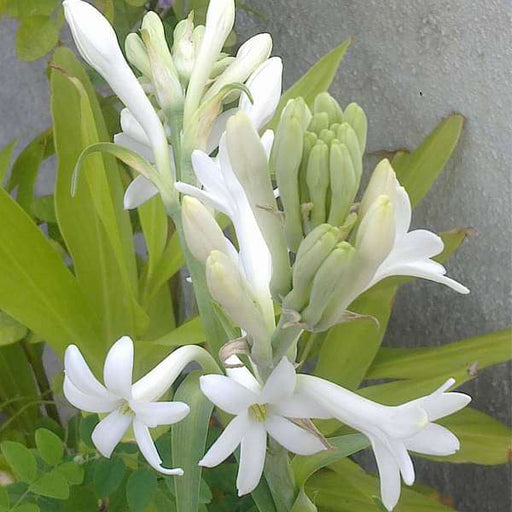
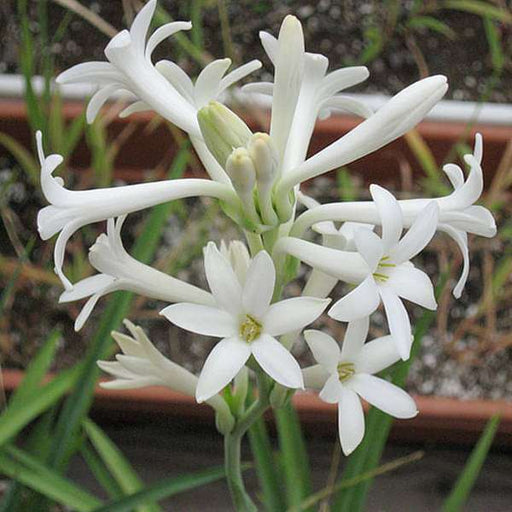
Rajnigandha, Tuberose - Plant The Rajnigandha, scientifically known as Polianthes tuberosa, is a captivating perennial plant renowned for ...
View full details
Sold out
Citronella, Odomas - Plant The Citronella plant, scientifically known as Cymbopogon nardus, is a tropical grass renowned for its aromatic ...
View full details
Save 25%
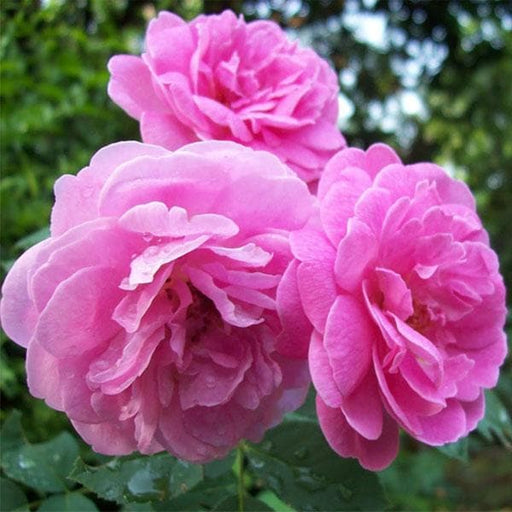
Damascus Rose, Scented Rose (Any Color) - Plant The Damascus Rose, also known as Rosa damascena, is a timeless symbol of beauty and romanc...
View full details
Save 35%
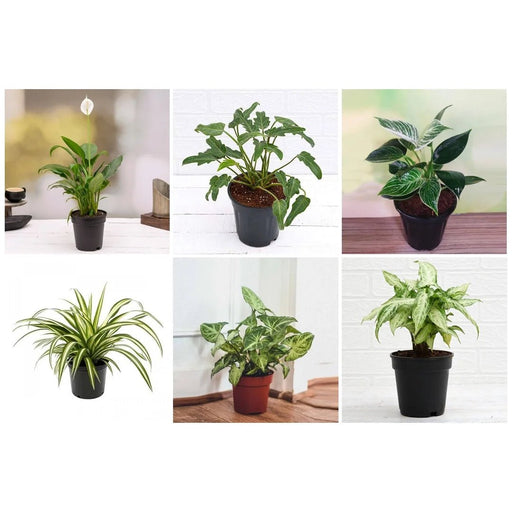
Best 6 Plants for Perfect Indoor Garden Transform your living space into a lush oasis with our curated collection of the Best 6 Plants for a...
View full details
Save up to 50%
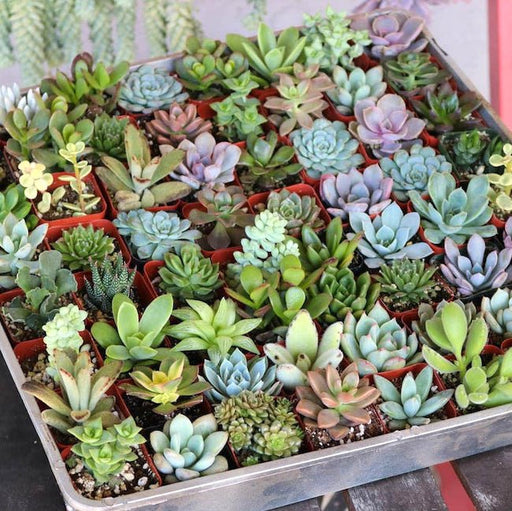
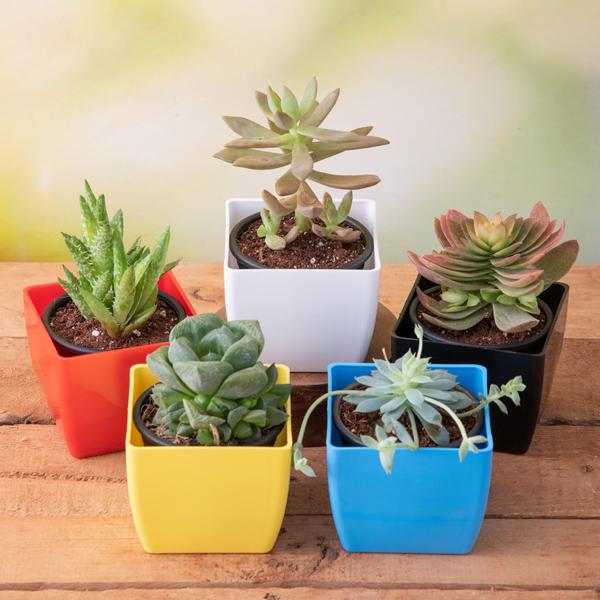
Mini Succulent Garden Pack Transform your space with our Mini Succulent Garden Pack, featuring a delightful collection of 4 any variety beautiful s...
View full details
Save 30%
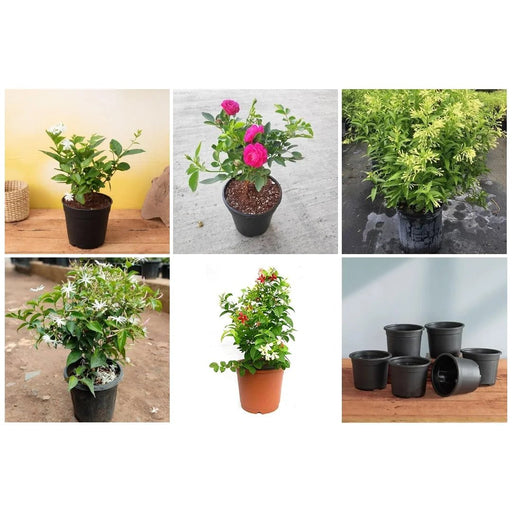
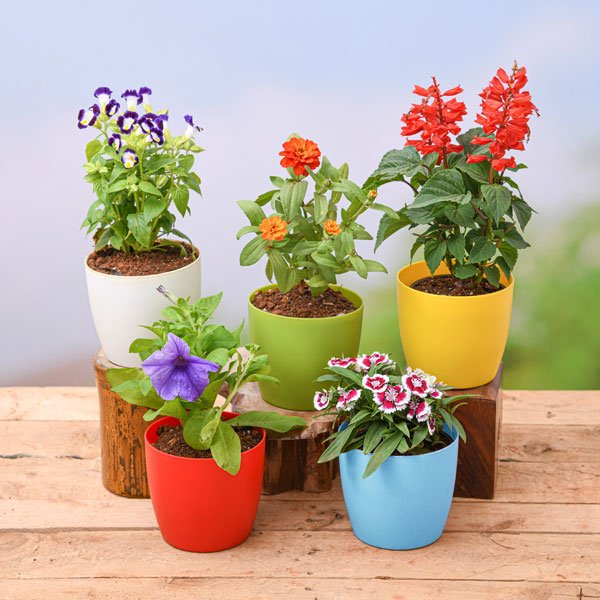
5 Best Fragrant Plants Transform your garden or indoor space into a fragrant paradise with our curated selection of the 5 Best Fragrant Plants. Th...
View full details
Save 24%
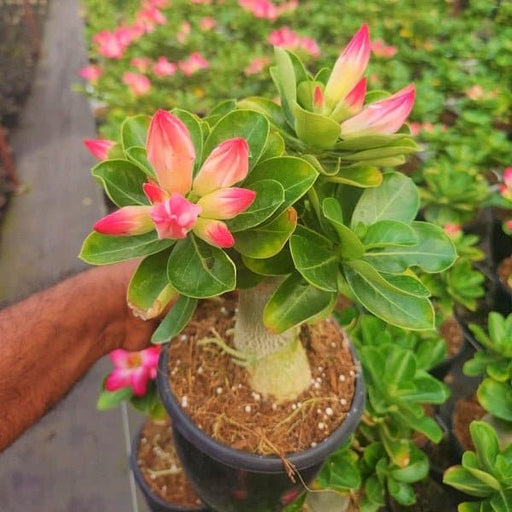
Set of 2 Bonsai Looking Grafted Adeniums Transform your indoor or outdoor space with our exquisite Set of 2 Bonsai Looking Grafted Adenium...
View full details
Save 45%
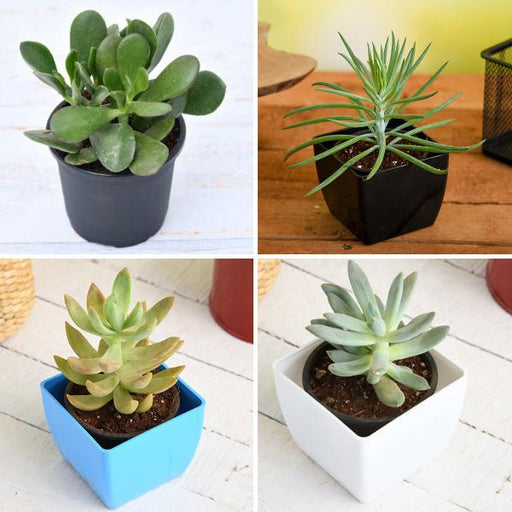
Top 4 Die Hard Succulents Pack Transform your indoor or outdoor space with our Top 4 Die Hard Succulents Pack, featuring a curated selecti...
View full details
Save 30%
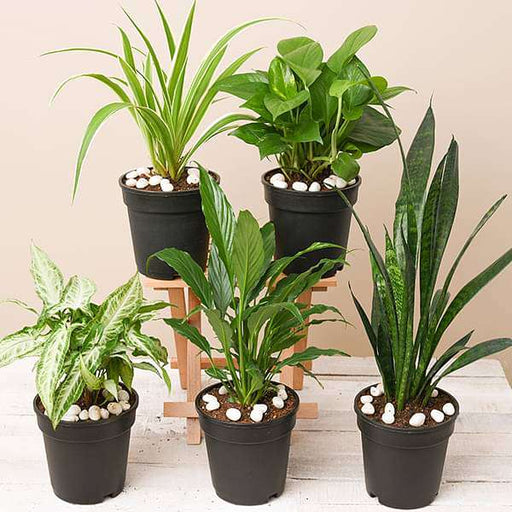
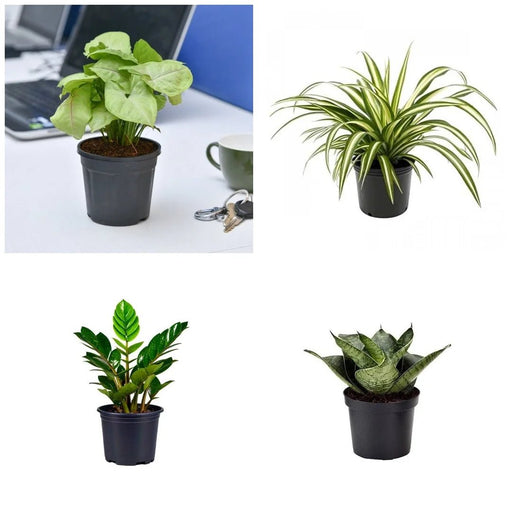
5 Best Indoor Plants Pack Transform your living space into a lush oasis with our '5 Best Indoor Plants Pack.' This carefully curated collection fe...
View full details
Save 25%
Set of 4 Evergreen Air Purifier Plant Pack Transform your indoor space into a lush, green oasis with our Set of 4 Evergreen Air Purifier Pla...
View full detailsWelcome to our exquisite collection of water plants, where nature's beauty meets aquatic serenity. These plants not only enhance the aesthetic appeal of your ponds and water gardens but also contribute to a balanced ecosystem. From vibrant lilies to lush reeds, our selection is perfect for both novice and experienced gardeners looking to create a tranquil aquatic environment.
What makes our water plants special is their ability to thrive in wet conditions while providing essential benefits to aquatic life. They help oxygenate the water, reduce algae growth, and offer shelter for fish and other wildlife. Each plant in our collection is carefully chosen for its unique characteristics and adaptability, ensuring that you can find the perfect fit for your water feature.
Growing and caring for water plants is a rewarding experience. With the right conditions, these plants can flourish and transform your outdoor space. Whether you’re looking to create a peaceful retreat or a vibrant ecosystem, our water plants will help you achieve your vision while supporting local biodiversity.
Water plants play a crucial role in aquatic ecosystems, providing oxygen and habitat for various species. Many of these plants, such as the common cattail (Typha latifolia), have been used in traditional medicine for centuries. Their ability to filter water and stabilize shorelines makes them invaluable in combating erosion and maintaining water quality.
Historically, water plants have been integral to human culture, from the use of lotus flowers in ancient Egyptian art to the cultivation of rice in flooded fields. Their environmental impact is profound, as they help mitigate climate change by sequestering carbon and supporting biodiversity. By incorporating water plants into your landscape, you contribute to a healthier planet.
These are plants that live in water, or in soil that is permanently saturated with water. They provide important habitat for fish and other aquatic animals, as well as help to filter and clean the water. Aquatic plants come in a variety of shapes and sizes, and can be used to create beautiful water gardens and aquatic landscapes.
Floating plants are a type of aquatic plant that simply float on the surface of the water. They do not root into the soil or substrate, but instead absorb nutrients directly from the water. Floating plants are important for providing shade and shelter for fish, and can help to reduce algae growth by blocking sunlight.
Bog plants are a type of aquatic plant that grow in wet, boggy areas. They are adapted to living in soil that is low in oxygen and high in organic matter, and can be used to create beautiful wetland gardens. Bog plants come in a variety of shapes and sizes, and can be used to provide color and interest in the garden.
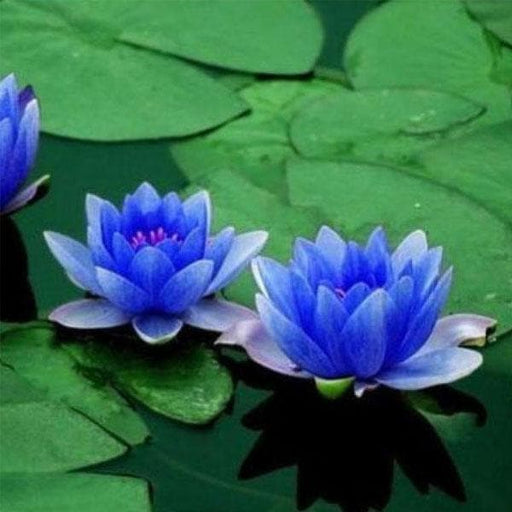
Water lilies are a type of aquatic plant that are known for their large, showy flowers. They grow in shallow water, and their leaves and flowers float on the surface. Water lilies come in a variety of colors, including white, yellow, pink, and red.
Water hyacinth is a type of floating aquatic plant that is known for its beautiful lavender-blue flowers. It is often used in water gardens and aquatic landscapes, and can help to reduce algae growth by absorbing excess nutrients from the water.
Reed plants are a type of aquatic plant that grow in shallow water or wetlands. They are known for their tall, slender stalks and feathery foliage. Reed plants can be used to provide vertical interest and texture in the garden, and can also be used to create natural barriers and screens.
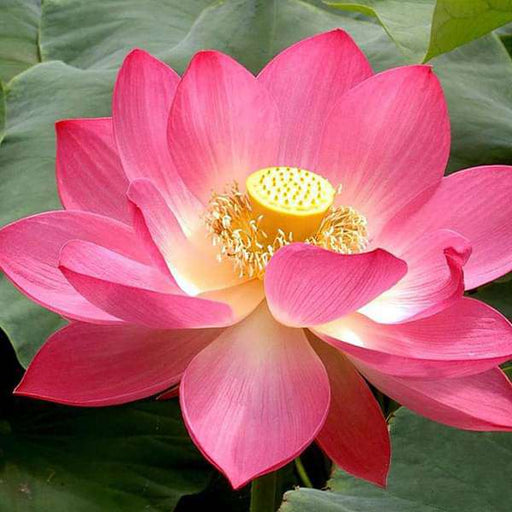
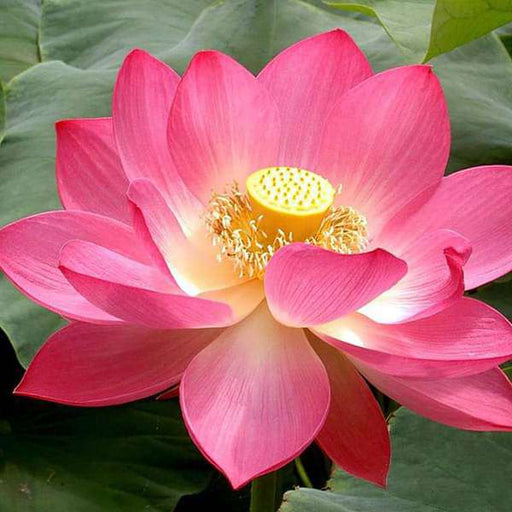
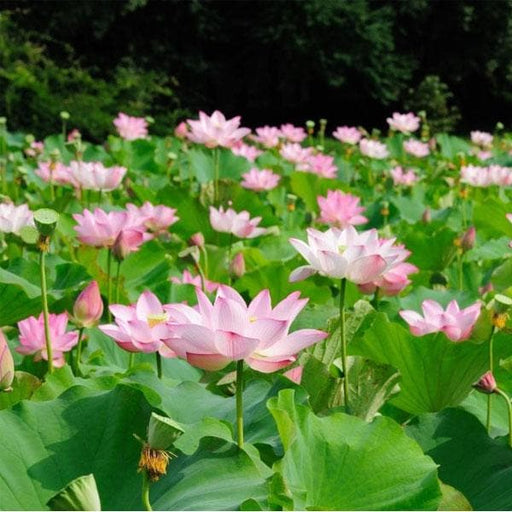
Lotus plants are a type of aquatic plant that are known for their large, showy flowers and distinctive seed pods. They grow in shallow water, and their leaves and flowers float on the surface. Lotus plants come in a variety of colors, including white, pink, and yellow.
Marginal plants are a type of aquatic plant that grow along the edges of ponds, lakes, and other bodies of water. They are adapted to living in soil that is wet, but not submerged, and can be used to provide color and interest in the garden.
Oxygenating plants are a type of aquatic plant that are important for maintaining the health of the water. They release oxygen into the water during photosynthesis, which is essential for fish and other aquatic animals. Oxygenating plants can be submerged or floating, and come in a variety of shapes and sizes.
Water ferns are a type of aquatic plant that are known for their delicate, lacy foliage. They can be used to provide texture and interest in the garden, and are often used in water gardens and aquatic landscapes. Water ferns come in a variety of shapes and sizes, and can be grown in both shallow and deep water.
Water plants, also known as aquatic plants, are plants that grow in water or aquatic environments. They have adapted to live in water and can be found in a variety of freshwater and marine habitats.
Yes, many water plants are suitable for aquariums and can help to maintain the water quality and oxygen levels in the tank. Some popular water plants for aquariums include Java moss, Anubias, and Amazon sword.
The care requirements for water plants will depend on the specific species. However, in general, they need adequate light, water temperature, and nutrients. It's important to also maintain good water quality by monitoring the pH level and performing regular water changes.
Planting water plants will depend on the specific species and the type of aquatic environment they require. Some water plants can be planted in soil at the bottom of a pond or aquarium, while others may need to be attached to rocks or driftwood.
Water plants offer a range of benefits, including improving water quality by removing excess nutrients and pollutants, providing shelter and food for aquatic life, and helping to control algae growth.
Yes, water plants can be grown in ponds and are often used for decorative purposes. Some popular pond plants include water lilies, cattails, and lotus.
Some water plants are edible and can be used for cooking or as a food source. Examples include water chestnuts, lotus roots, and watercress.
Yes, some water plants have the ability to remove pollutants from water through a process called phytoremediation. They can be used to clean up contaminated water in both natural and artificial environments.
Water plants can be propagated through division, where the plant is separated into smaller sections and replanted, or through cuttings, where a stem or leaf is removed and grown into a new plant.
Yes, some water plants can be used for natural pest control in aquatic environments. For example, the mosquito fern produces a substance that can kill mosquito larvae, while the water hyacinth can help to control snail populations.
Water gardens can be created in small containers or larger ponds, and there are a variety of water plants suitable for this environment. Some popular options include water lilies, lotus, and water irises.
In colder climates, water plants may need to be prepared for winter to ensure their survival. This can include moving them to a deeper part of the pond or aquarium, adding a de-icer to prevent the surface from freezing, and removing dead plant material to prevent decay.