Not recd as per Picture on Website
Available 24/7
Available 24/7
Save up to 15%
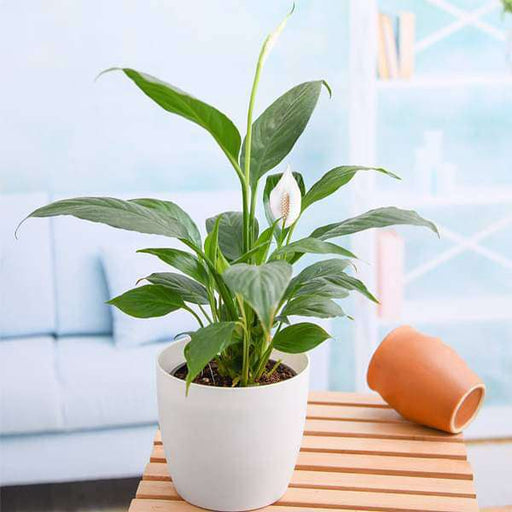
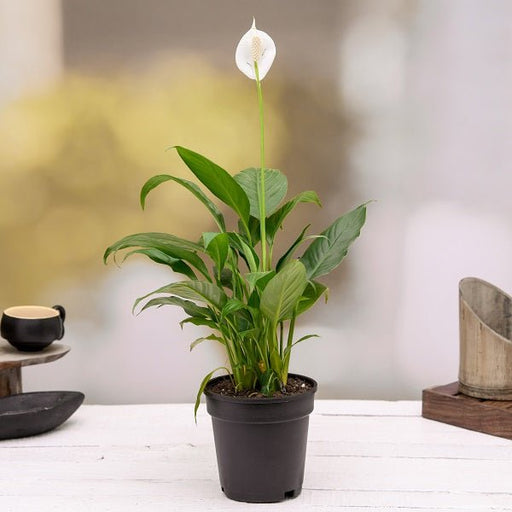
Peace Lily, Spathiphyllum - Plant The Peace Lily, scientifically known as Spathiphyllum, is a stunning houseplant celebrated for its elegant white...
View full details
Save 18%
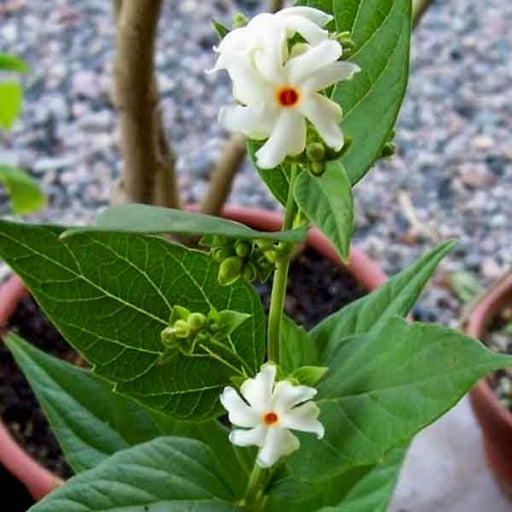
Combo Constituents Includes the Parijat Tree (Night-Flowering Jasmine), a culturally significant plant with fragrant flowers. Description The Pari...
View full details
Save 25%
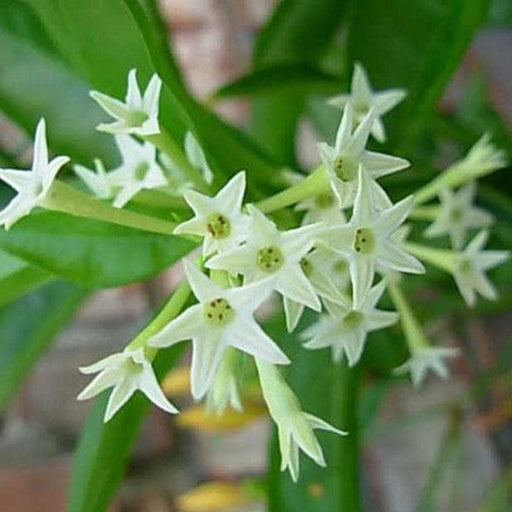
Description Raat Ki Rani (*Cestrum nocturnum*), also known as Night Blooming Jasmine, is a fragrant shrub native to the Caribbean and Central Ameri...
View full details
Save 25%
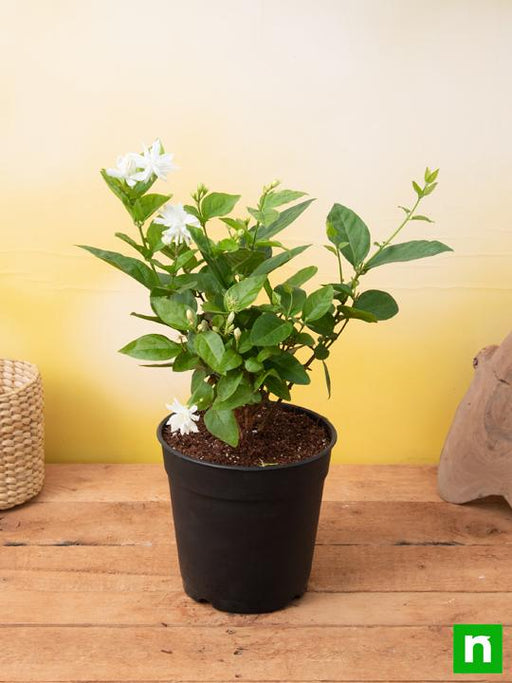
Jasminum sambac, Mogra, Arabian Jasmine - Plant Jasminum sambac, commonly known as Mogra or Arabian Jasmine, is a fragrant flowering plant...
View full details
Save 17%
Rajnigandha, Tuberose - Plant The Rajnigandha, scientifically known as Polianthes tuberosa, is a captivating perennial plant renowned for ...
View full details
Sold out
Citronella, Odomas - Plant The Citronella plant, scientifically known as Cymbopogon nardus, is a tropical grass renowned for its aromatic ...
View full details
Save 25%
Damascus Rose, Scented Rose (Any Color) - Plant The Damascus Rose, also known as Rosa damascena, is a timeless symbol of beauty and romanc...
View full details
Save 35%
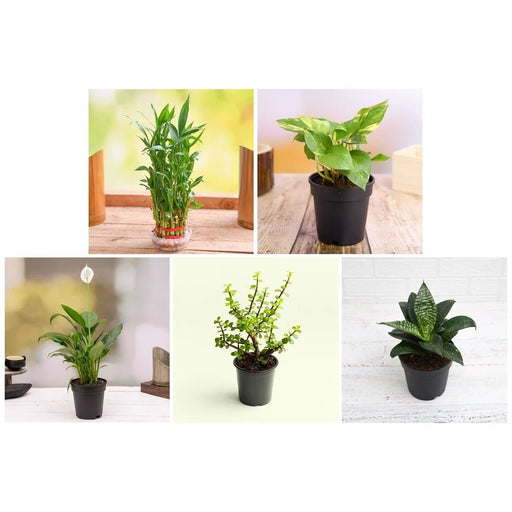
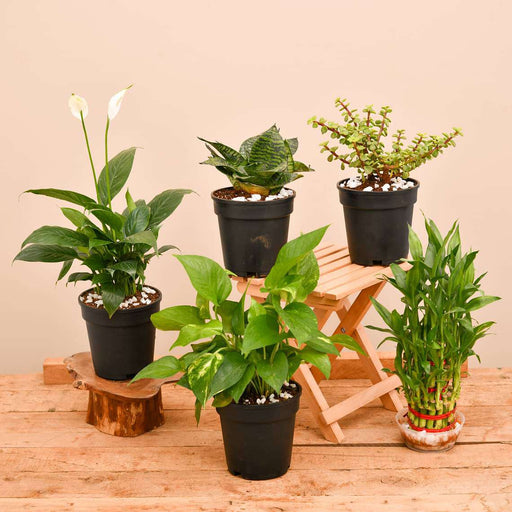
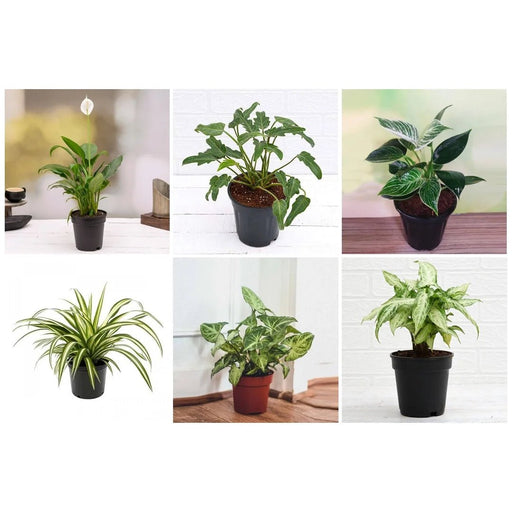
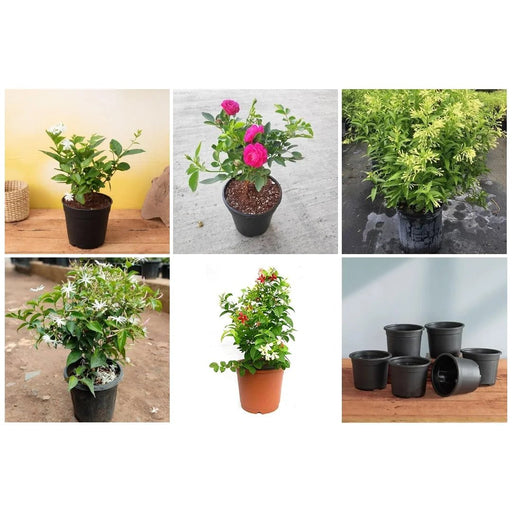
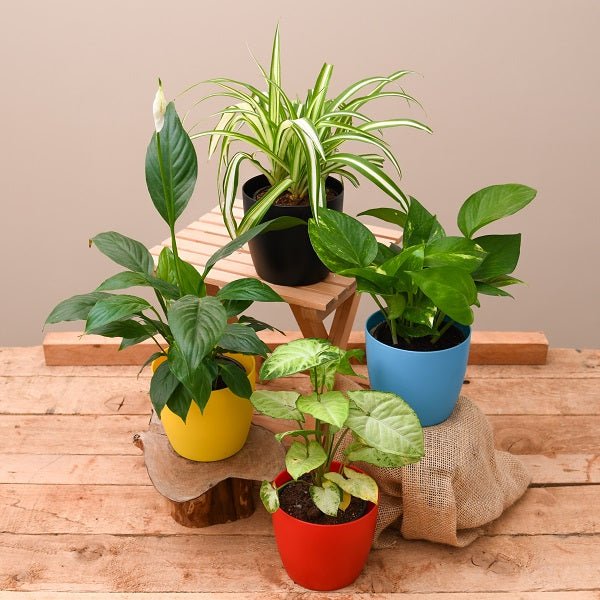
Best 6 Plants for Perfect Indoor Garden Transform your living space into a lush oasis with our curated collection of the Best 6 Plants for a...
View full details
Save up to 50%
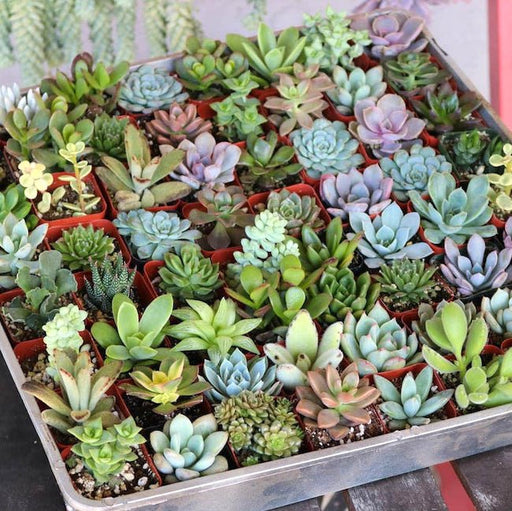
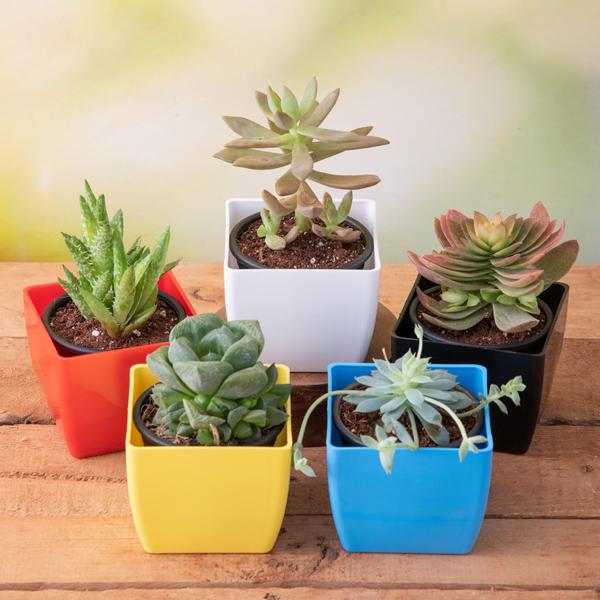
Mini Succulent Garden Pack Transform your space with our Mini Succulent Garden Pack, featuring a delightful collection of 4 any variety beautiful s...
View full details
Save 30%
5 Best Fragrant Plants Transform your garden or indoor space into a fragrant paradise with our curated selection of the 5 Best Fragrant Plants. Th...
View full details
Save 24%
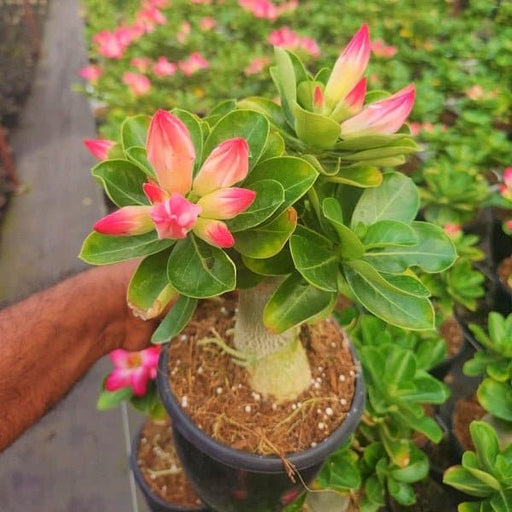
Set of 2 Bonsai Looking Grafted Adeniums Transform your indoor or outdoor space with our exquisite Set of 2 Bonsai Looking Grafted Adenium...
View full details
Save 45%
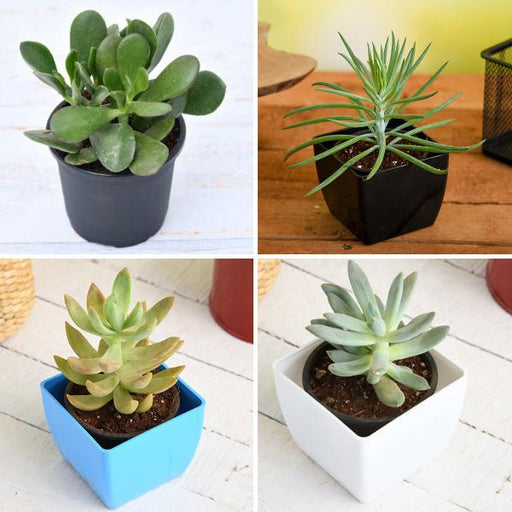
Top 4 Die Hard Succulents Pack Transform your indoor or outdoor space with our Top 4 Die Hard Succulents Pack, featuring a curated selecti...
View full details
Save 30%
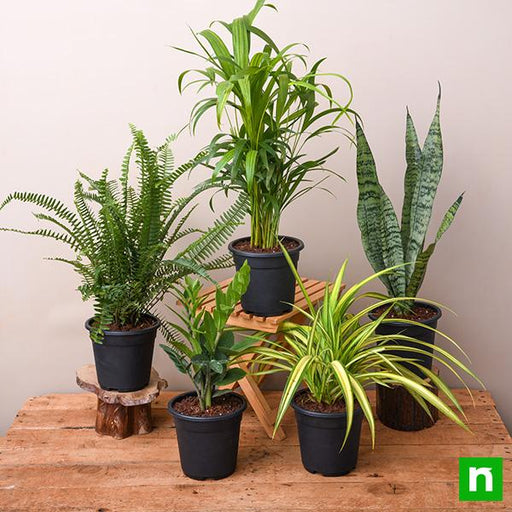
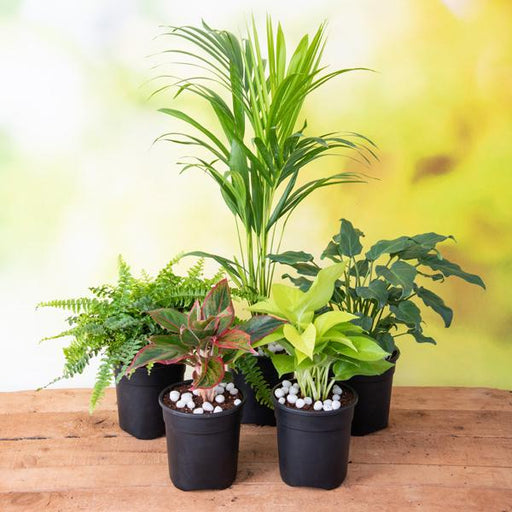
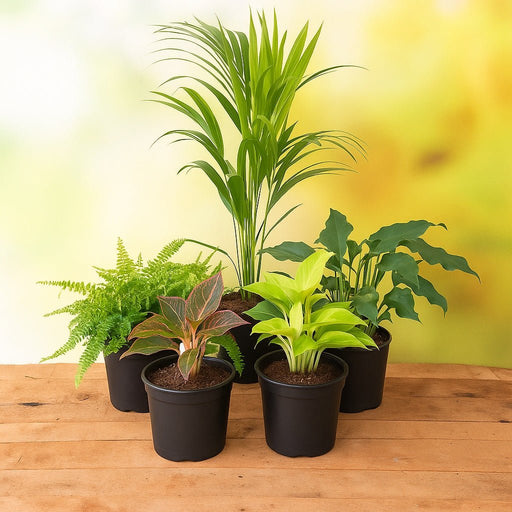
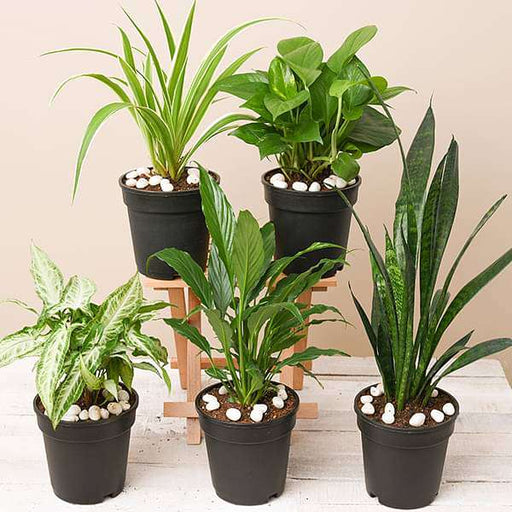
5 Best Indoor Plants Pack Transform your living space into a lush oasis with our '5 Best Indoor Plants Pack.' This carefully curated collection fe...
View full details
Save 25%
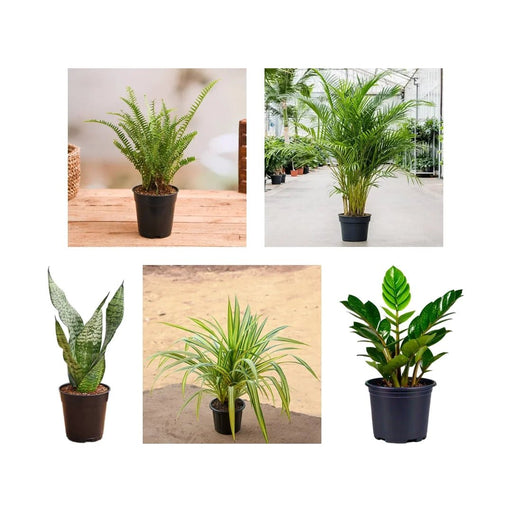
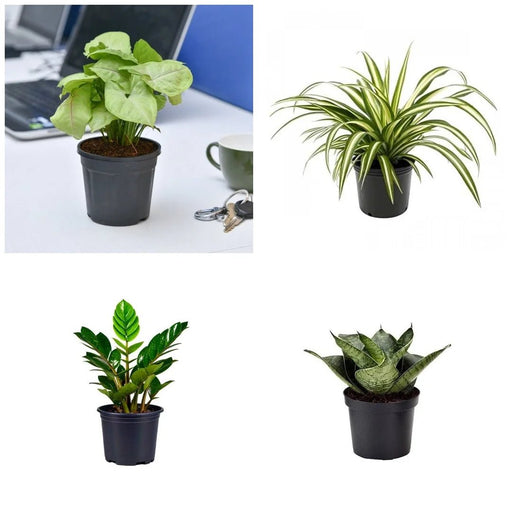
Set of 4 Evergreen Air Purifier Plant Pack Transform your indoor space into a lush, green oasis with our Set of 4 Evergreen Air Purifier Pla...
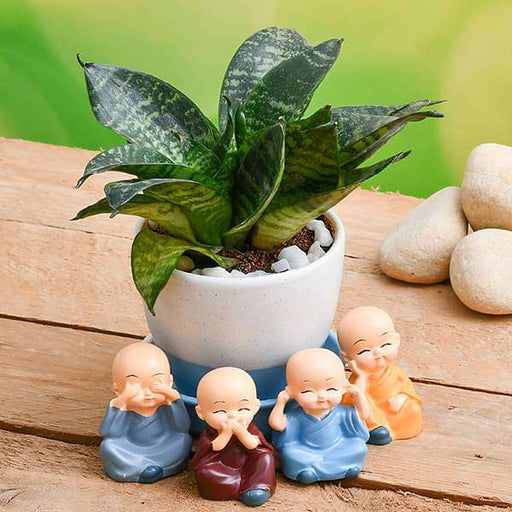
View full detailsWelcome to our exclusive collection of Snake Plants, also known as Sansevieria or Mother-in-Law's Tongue. These hardy houseplants are celebrated for their striking architectural leaves and air-purifying qualities. With a variety of species available, each plant brings a unique aesthetic to your home or office, making them a perfect addition to any indoor space.
What makes Snake Plants truly special is their ability to thrive in low light and require minimal care. They are ideal for both novice and experienced plant enthusiasts. Not only do they enhance your decor, but they also contribute to a healthier indoor environment by filtering toxins and releasing oxygen, making them a must-have for any plant lover.
In our collection, you'll find a range of Snake Plant varieties, each with its own unique patterns and colors. From the classic Sansevieria trifasciata to the more exotic Sansevieria cylindrica, these plants are as versatile as they are beautiful. Explore our selection and find the perfect Snake Plant to elevate your space!
Snake Plants belong to the Asparagaceae family and are native to West Africa. They are known for their unique ability to survive in harsh conditions, making them a symbol of resilience. The scientific name, Sansevieria, honors the Italian nobleman Raimondo di Sangro, who was a botanist and inventor. These plants have been cultivated for centuries, not only for their beauty but also for their medicinal properties, which include anti-inflammatory and antibacterial effects.
From an environmental perspective, Snake Plants play a crucial role in improving indoor air quality. They are recognized by NASA as one of the top air-purifying plants, effectively removing toxins such as formaldehyde, benzene, and xylene from the air. By incorporating Snake Plants into your living space, you contribute to a healthier environment while enjoying the aesthetic appeal of these stunning plants.
Snake plants are known for their low maintenance requirements, making them a popular choice for indoor gardening enthusiasts. To care for your snake plant, make sure it receives bright, indirect sunlight and water it when the soil feels dry.
Snake plants are a genus of plants that includes several different species, such as Sansevieria trifasciata and Sansevieria cylindrica. Each plant has its own unique characteristics and care requirements.
Snake plants prefer well-draining soil that is rich in organic matter. A mixture of potting soil, sand, and perlite is ideal for these plants.
Pruning snake plants can help maintain their shape and promote healthy growth. Use sharp, clean pruning shears to remove any dead or damaged leaves and stems.
While snake plants are generally easy to care for, they can be susceptible to pests such as spider mites and mealybugs. Regularly inspect your plant for signs of infestation and treat promptly if necessary.
Snake plants do not require much fertilizer, but can benefit from occasional feeding during the growing season. Use a balanced fertilizer every 2-3 months to promote healthy growth.
Propagating snake plants can be done through division or leaf cuttings. Division involves separating the plant into smaller sections and replanting them in fresh soil. Leaf cuttings should be taken from a healthy plant and rooted in soil or water.
Snake plants prefer bright, indirect light. They can also tolerate low light conditions, making them a great choice for indoor spaces with minimal natural light.
Snake plants are tolerant of a wide range of humidity levels and do not require any special attention in this regard.
Snake plants prefer temperatures between 60-80°F (15-27°C). Avoid placing them near cold drafts or hot air vents.
Snake plants are toxic to pets and humans if ingested. Keep them out of reach of pets and children.
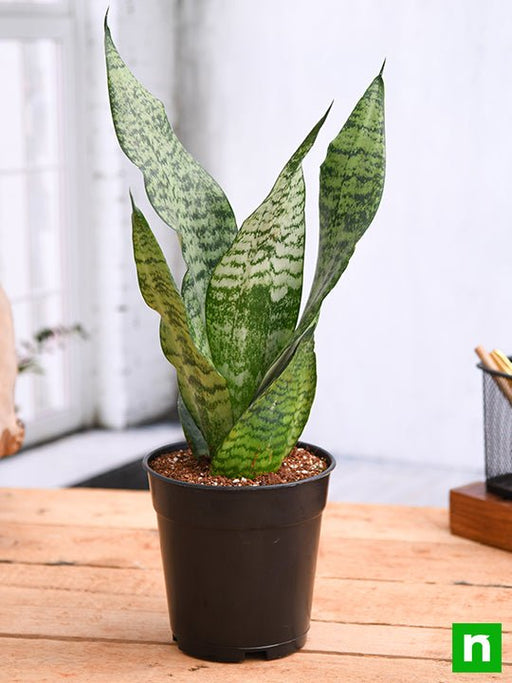
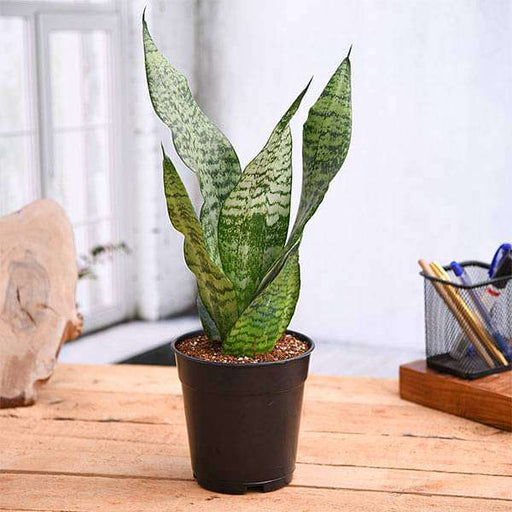
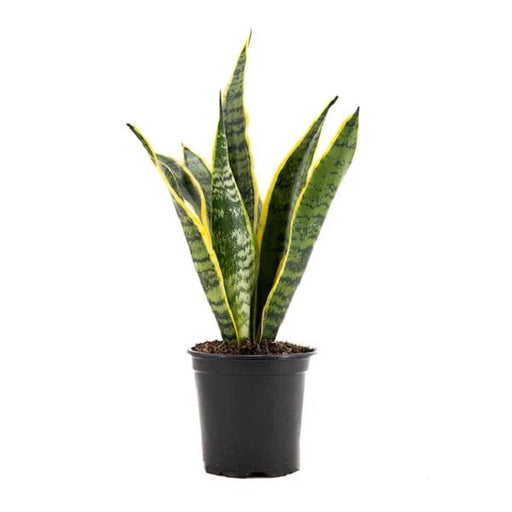
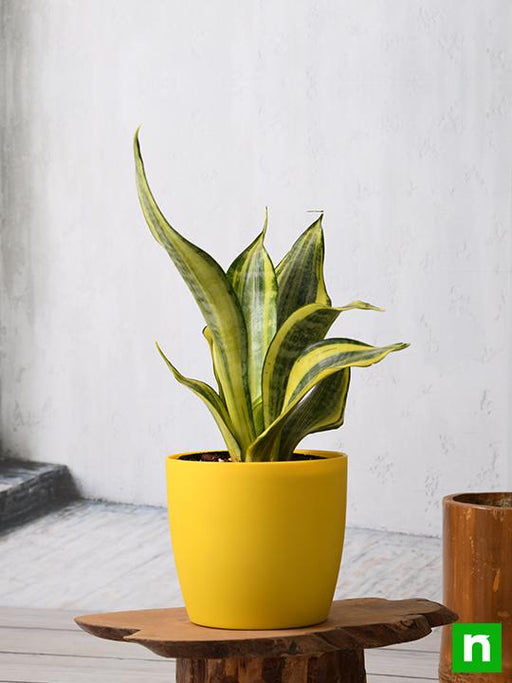
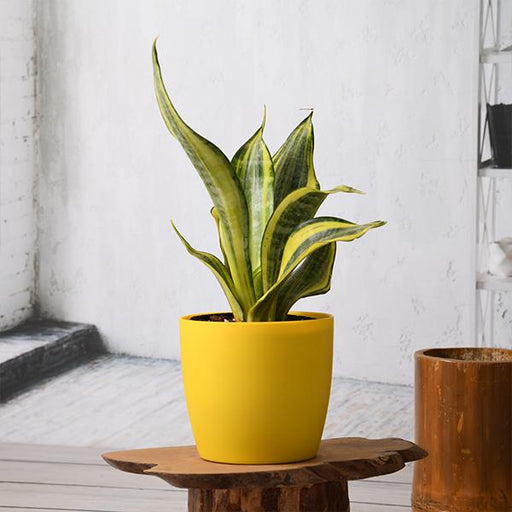
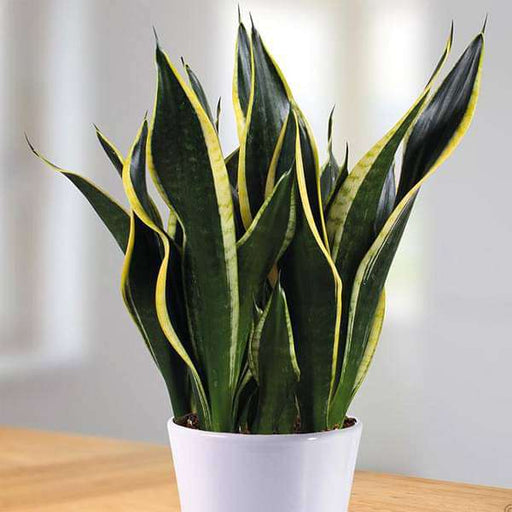
Snake plants have long, upright leaves that are typically green with yellow or white stripes.
Snake plants are native to tropical regions of West Africa.
Snake plants can range in size from small tabletop plants to large floor plants. Choose a size that fits your space and needs.
Snake plants prefer to be on the dry side and can rot if overwatered. Water when the soil feels dry and avoid letting the plant sit in standing water.
Snake plants can produce small, fragrant flowers in the right conditions. However, they are primarily grown for their attractive foliage.
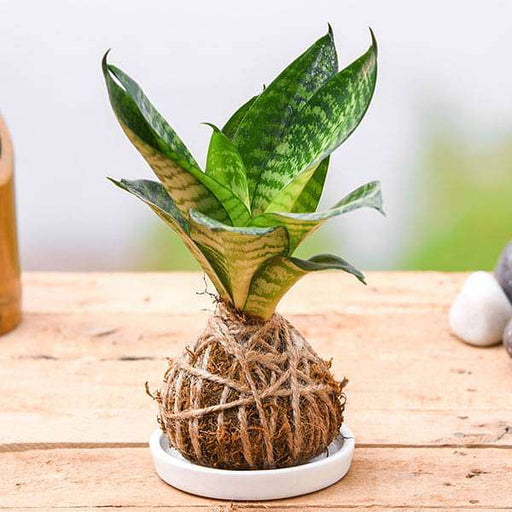
Snake plants have a distinctive leaf pattern, with long, upright leaves that are often striped or speckled.
Pruning can also be used as a method of propagation for snake plants. By taking leaf cuttings and rooting them in soil or water, you can create new plants and expand your collection.
Snake plants should be repotted every 1-2 years to provide fresh soil and room for growth. Choose a pot that is slightly larger than the current one and fill with fresh potting mix.
Snake plants are often associated with good luck and longevity. They are believed to bring positive energy.
Snake Plants, also known as Sansevieria, are a popular houseplant with long, upright leaves and a unique appearance.
Snake Plants require low to bright, indirect sunlight, moderate watering, and occasional fertilization to thrive. They prefer well-draining soil and can tolerate a wide range of temperatures.
Snake Plants can be planted any time of the year in India, as they are primarily grown indoors.
Snake Plants require infrequent watering, as they prefer drier soil. Water them deeply once every 2-3 weeks, depending on the weather conditions.
You can use a balanced, all-purpose fertilizer to feed your Snake Plant. Apply it every two months during the growing season.
Yes, Snake Plants can tolerate low light conditions and can even grow in artificial light.
Prune your Snake Plant by removing any dead or damaged leaves or dividing the plant if it has become too large for its pot.
Snake Plants can be propagated through leaf cuttings or division. Cut a healthy leaf and plant it in moist soil, or divide the plant by separating the roots and replanting them in separate pots.
To prevent pests and diseases on your Snake Plant, make sure to keep the soil relatively dry and avoid overwatering the plant. Use organic pesticides if necessary.
Snake Plants can live for several years if provided with proper care and maintenance.

Snake Plants can be kept indoors year-round in India, as they prefer warm and humid conditions.
Snake Plants can grow in shade, but they prefer bright and indirect sunlight.
Snake Plant cuttings should be planted in well-draining soil and kept relatively dry until they root. They can then be transplanted into their permanent pot or garden bed.
Snake Plants can be grown outdoors in India, as long as the climate is warm and humid.
To control pests on your Snake Plant, use organic pesticides and insecticidal soap. You can also manually remove any pests you see on the plant.
Yellowing leaves on Snake Plants can be a sign of overwatering or nutrient deficiencies. Check the soil moisture levels and fertilize the plant as needed.
To revive wilted Snake Plants, make sure they are receiving adequate water and sunlight. Check the soil moisture levels and adjust your watering schedule if necessary. Pruning the plant can also help.
Transplant your Snake Plant by carefully removing it from its current pot and replanting it in a larger container with fresh soil.
To make sure your Snake Plant is not root-bound, repot it every 1-2 years and check the roots for signs of overcrowding.
To make sure your Snake Plant is not overwatered, allow the soil to dry out slightly between watering and avoid waterlogging the plant.
Snake Plants can be grown in terrariums, but they may require additional care and maintenance to thrive.
Make your Snake Plant bushier by regularly pruning the stems and providing it with adequate sunlight and nutrients.
Snake Plants should be kept indoors or in a warm, protected area during cold weather.
To make sure your Snake Plant is not exposed to direct sunlight, place it in a spot that receives bright and indirect sunlight or use a sheer curtain to filter the light.
To make sure your Snake Plant is not under-watered, check the soil moisture levels regularly and water deeply when necessary.
Yes, Snake Plants are known for their air-purifying abilities, making them a great addition to any indoor space.
To make sure your Snake Plant is not suffering from root rot, make sure to use well-draining soil and avoid overwatering the plant.
Yes, Snake Plants can be grown hydroponically, but they may require additional care and maintenance to thrive.
Inspect your Snake Plants for pests or signs of disease before bringing them home, and make sure to purchase them from a reputable nursery or garden center.
To make sure your Snake Plant is not over-fertilized, use a balanced, all-purpose fertilizer and follow the recommended dosage on the package.