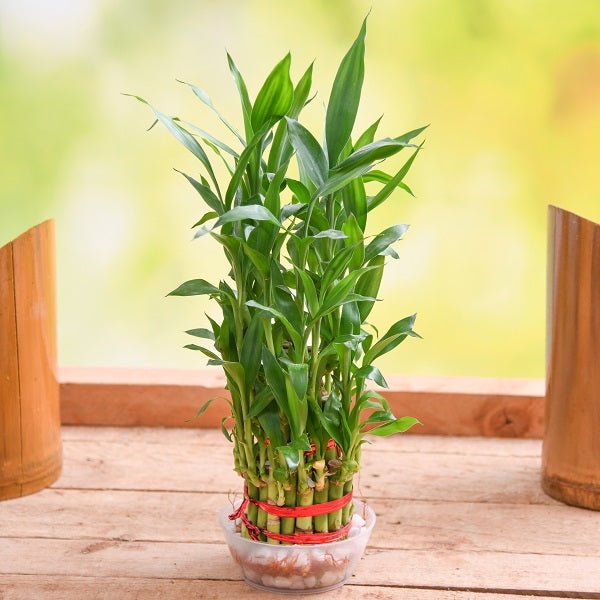
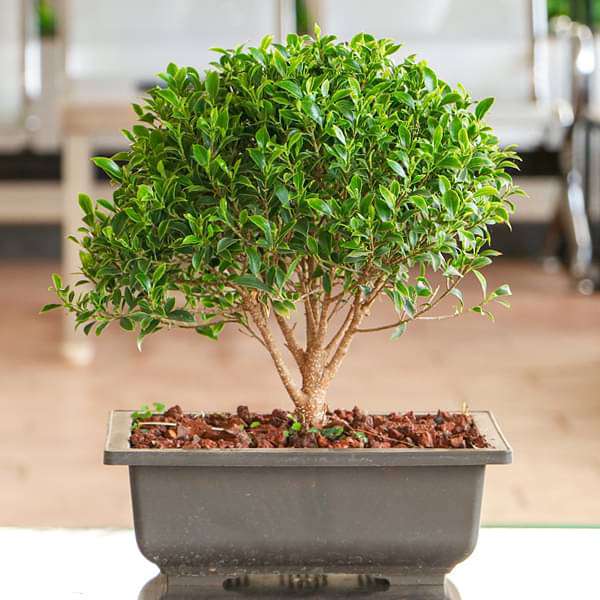
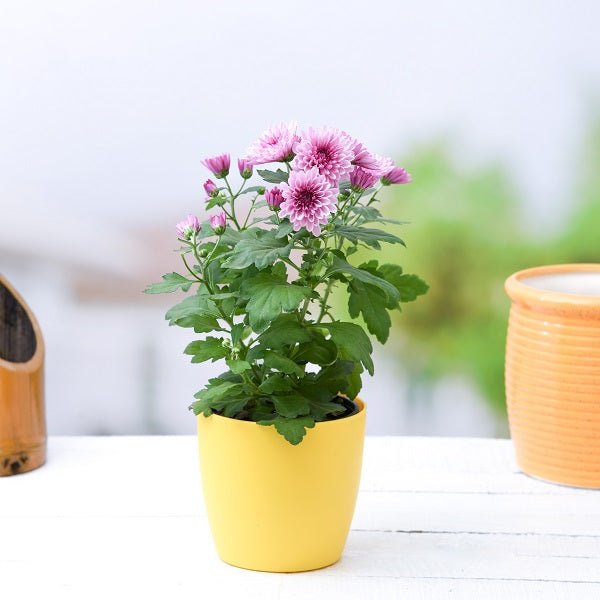
Not recd as per Picture on Website
Available 24/7
Available 24/7
Save up to 15%
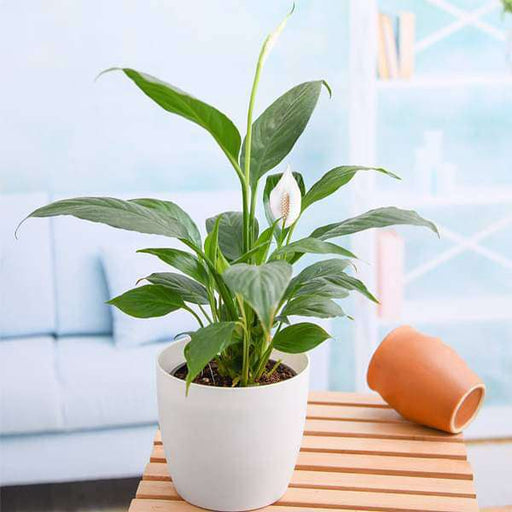
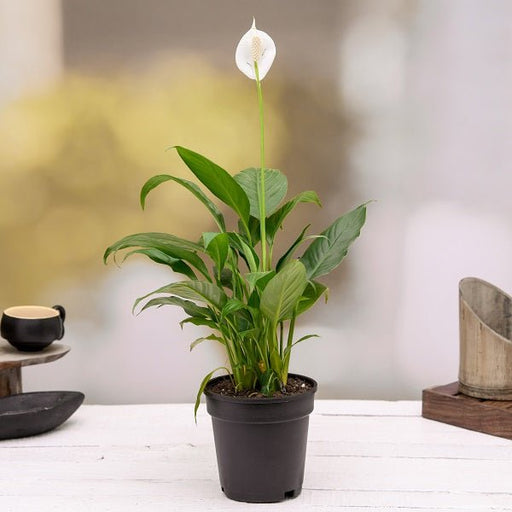
Peace Lily, Spathiphyllum - Plant The Peace Lily, scientifically known as Spathiphyllum, is a stunning houseplant celebrated for its elegant white...
View full details
Save 18%
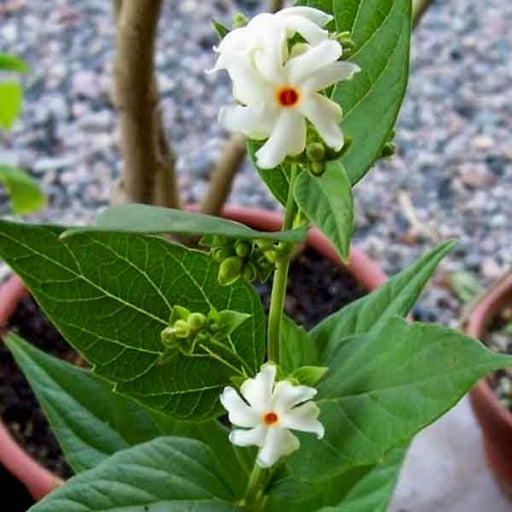
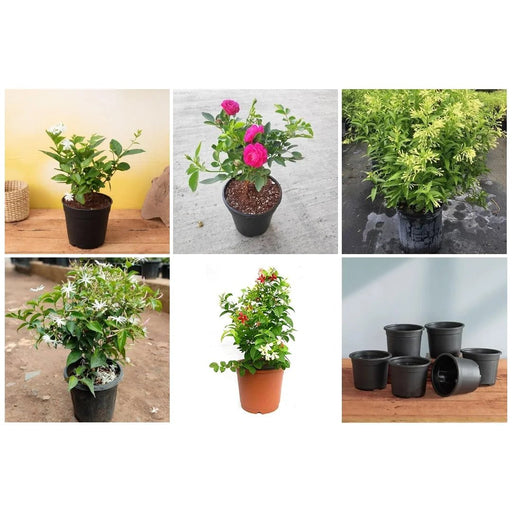
Combo Constituents Includes the Parijat Tree (Night-Flowering Jasmine), a culturally significant plant with fragrant flowers. Description The Pari...
View full details
Save 25%
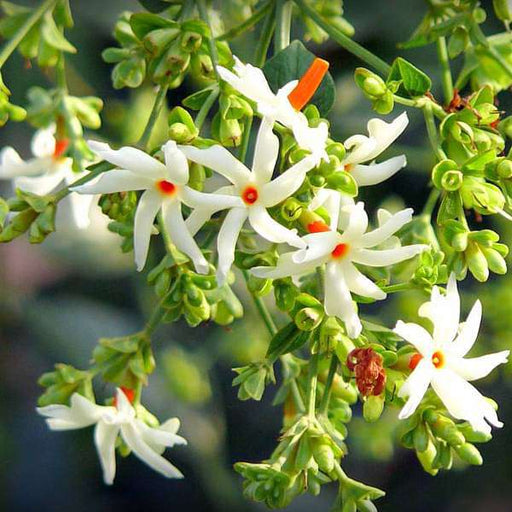
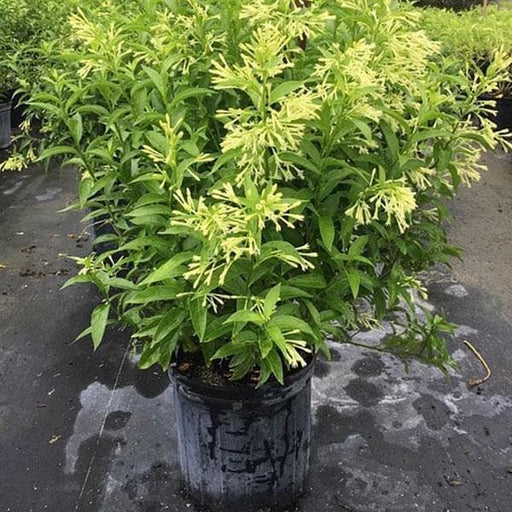
Description Raat Ki Rani (*Cestrum nocturnum*), also known as Night Blooming Jasmine, is a fragrant shrub native to the Caribbean and Central Ameri...
View full details
Save 25%
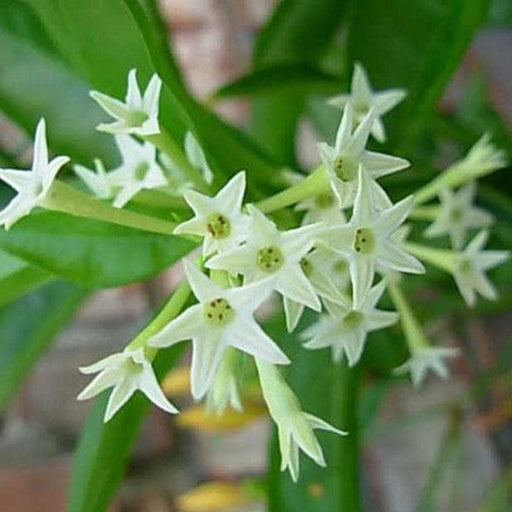
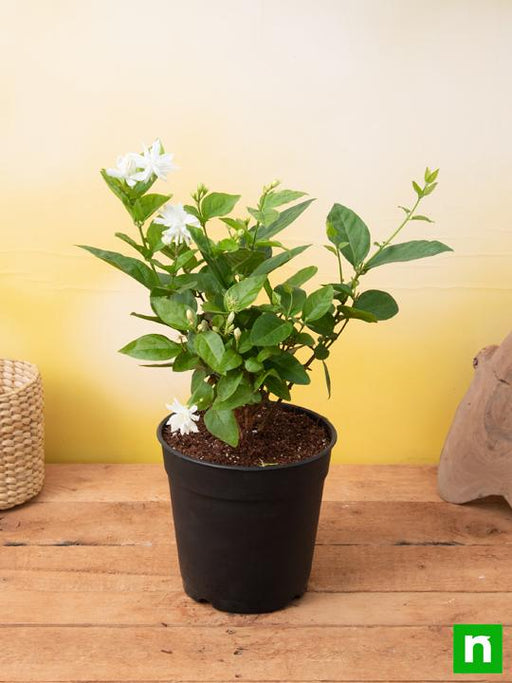
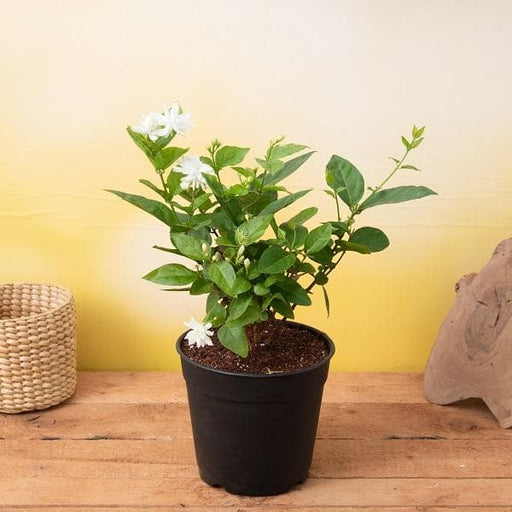
Jasminum sambac, Mogra, Arabian Jasmine - Plant Jasminum sambac, commonly known as Mogra or Arabian Jasmine, is a fragrant flowering plant...
View full details
Save 17%
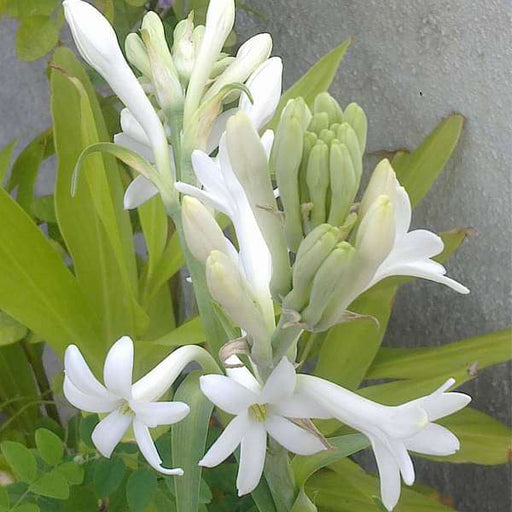
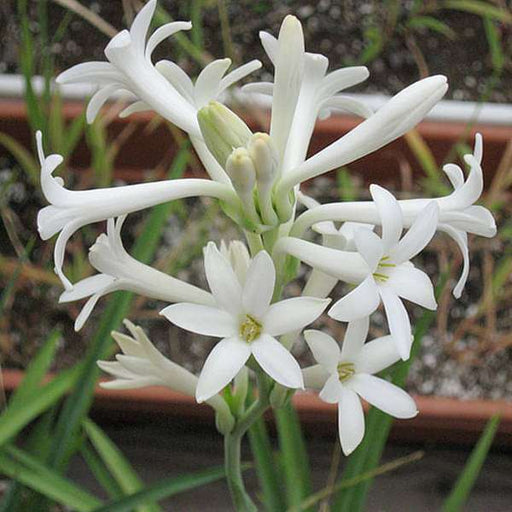
Rajnigandha, Tuberose - Plant The Rajnigandha, scientifically known as Polianthes tuberosa, is a captivating perennial plant renowned for ...
View full details
Sold out
Citronella, Odomas - Plant The Citronella plant, scientifically known as Cymbopogon nardus, is a tropical grass renowned for its aromatic ...
View full details
Save 25%
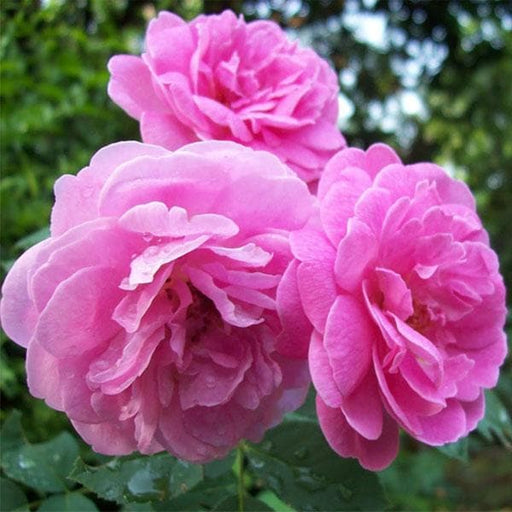
Damascus Rose, Scented Rose (Any Color) - Plant The Damascus Rose, also known as Rosa damascena, is a timeless symbol of beauty and romanc...
View full details
Save 35%
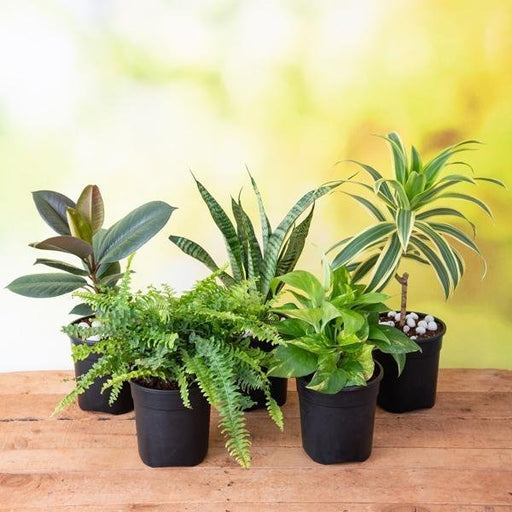
Best 6 Plants for Perfect Indoor Garden Transform your living space into a lush oasis with our curated collection of the Best 6 Plants for a...
View full details
Save up to 50%
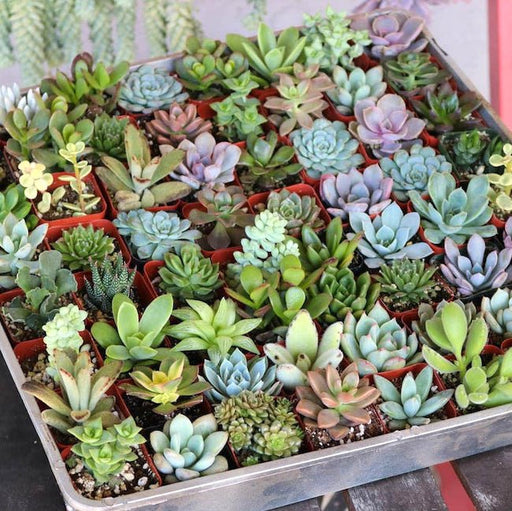
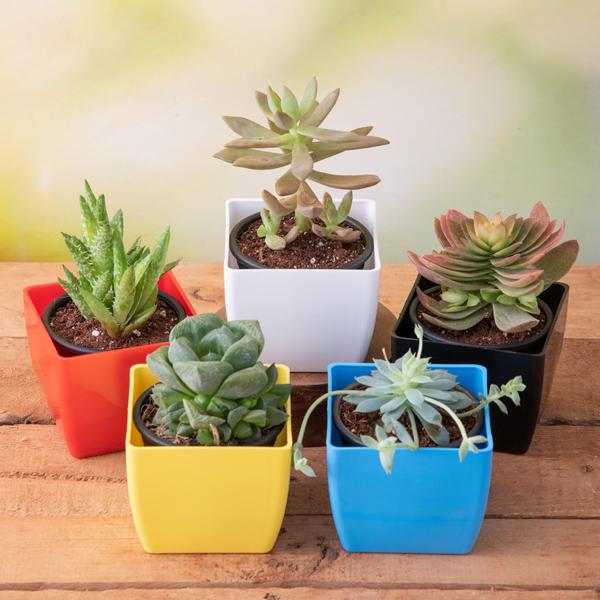
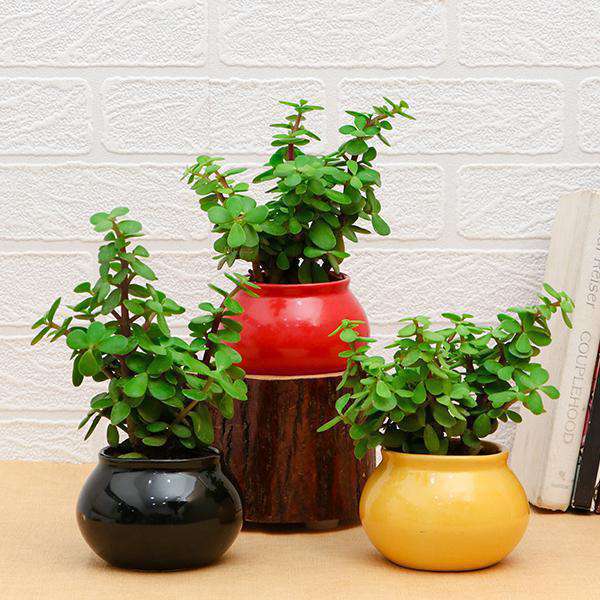
Mini Succulent Garden Pack Transform your space with our Mini Succulent Garden Pack, featuring a delightful collection of 4 any variety beautiful s...
View full details
Save 30%
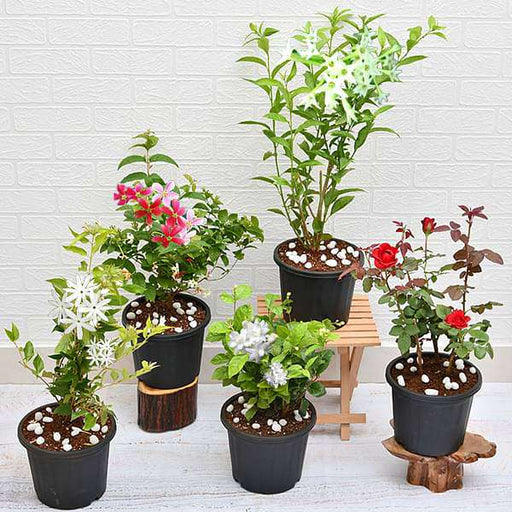
5 Best Fragrant Plants Transform your garden or indoor space into a fragrant paradise with our curated selection of the 5 Best Fragrant Plants. Th...
View full details
Save 24%
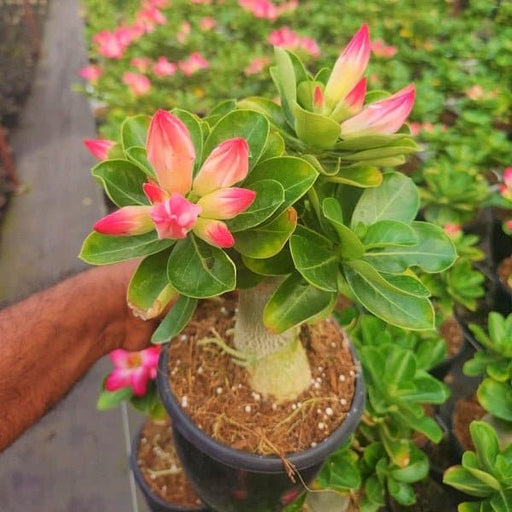
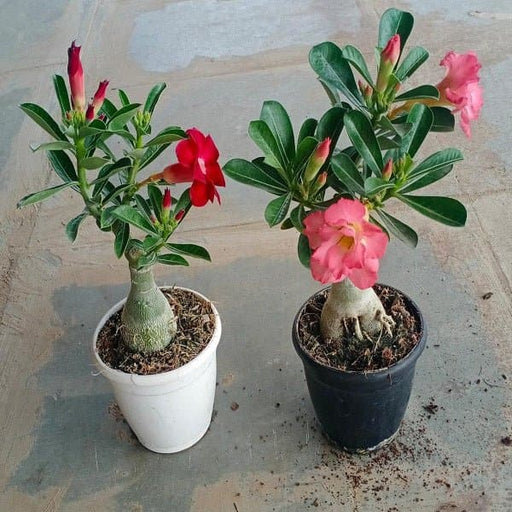
Set of 2 Bonsai Looking Grafted Adeniums Transform your indoor or outdoor space with our exquisite Set of 2 Bonsai Looking Grafted Adenium...
View full details
Save 45%
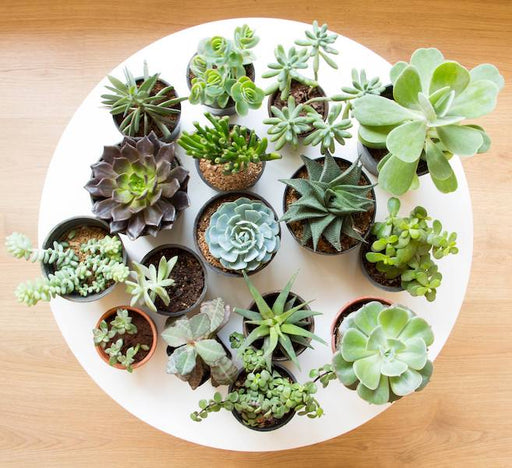
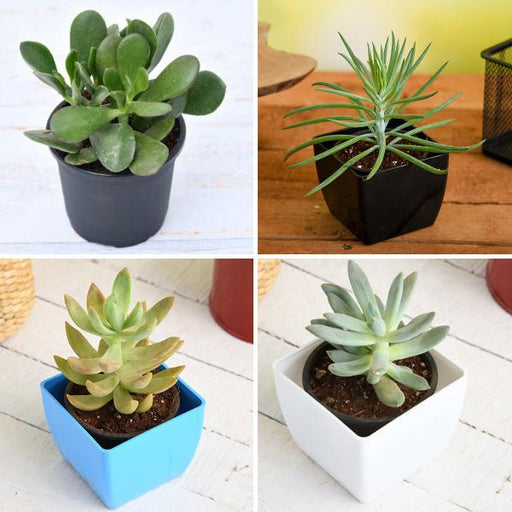
Top 4 Die Hard Succulents Pack Transform your indoor or outdoor space with our Top 4 Die Hard Succulents Pack, featuring a curated selecti...
View full details
Save 30%
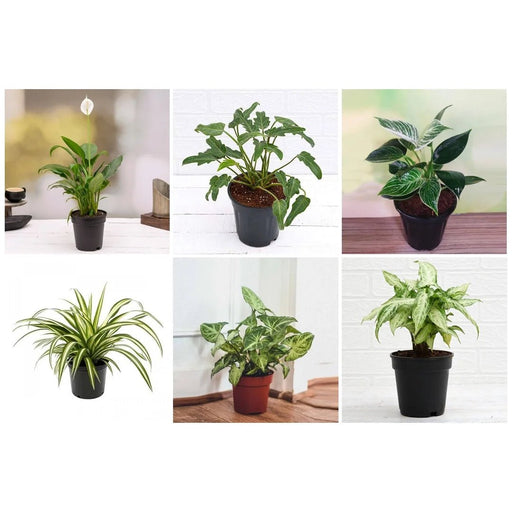
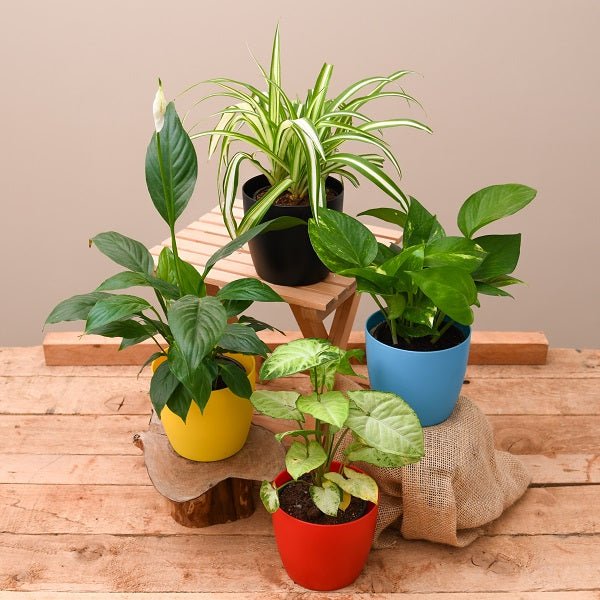
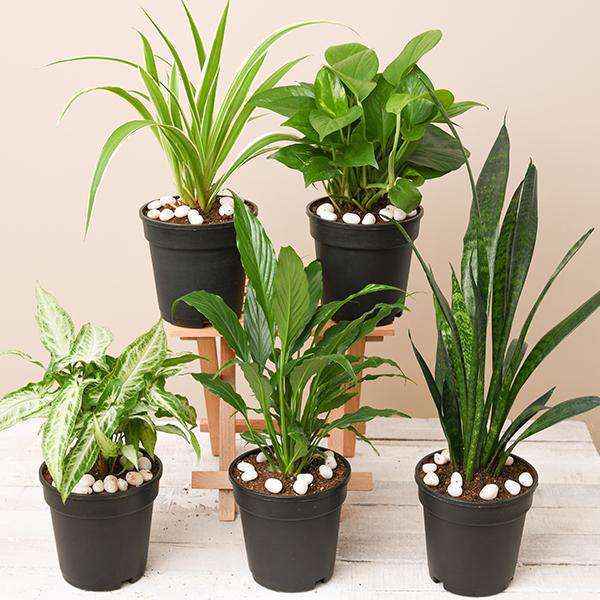
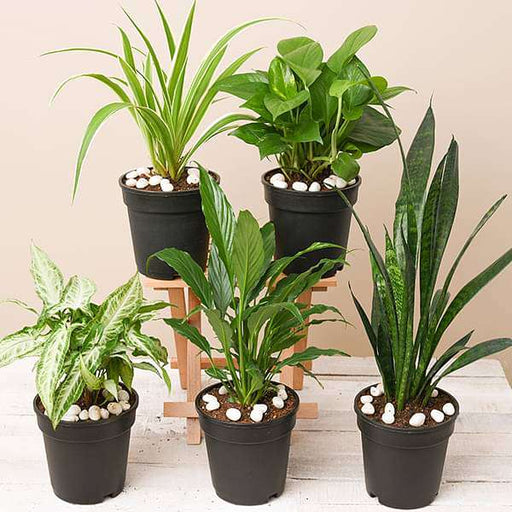
5 Best Indoor Plants Pack Transform your living space into a lush oasis with our '5 Best Indoor Plants Pack.' This carefully curated collection fe...
View full details
Save 25%
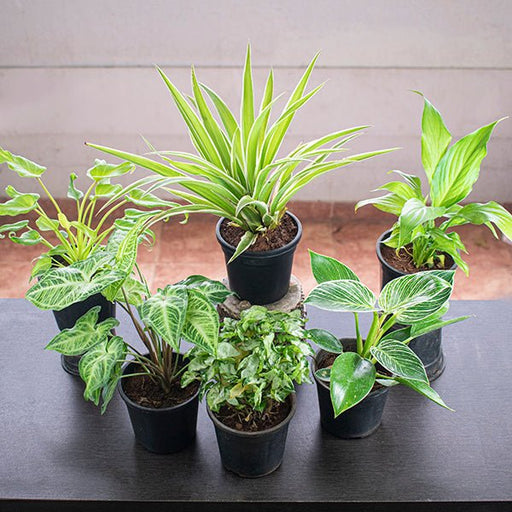
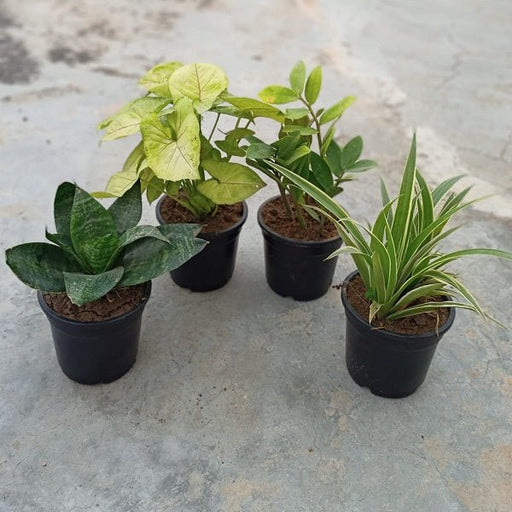
Set of 4 Evergreen Air Purifier Plant Pack Transform your indoor space into a lush, green oasis with our Set of 4 Evergreen Air Purifier Pla...
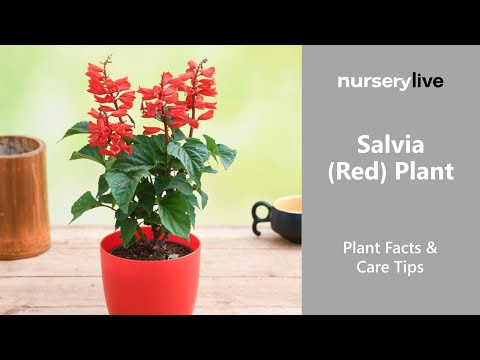
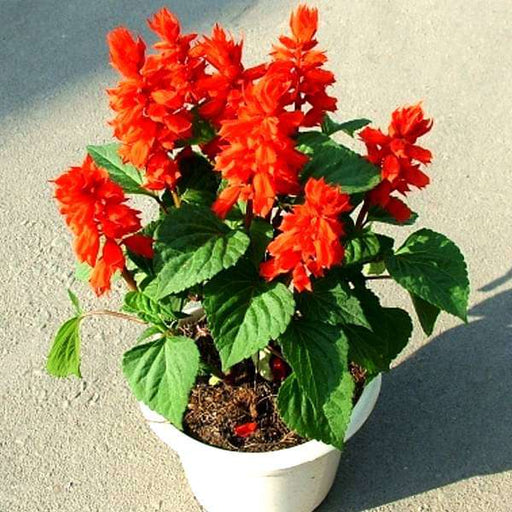
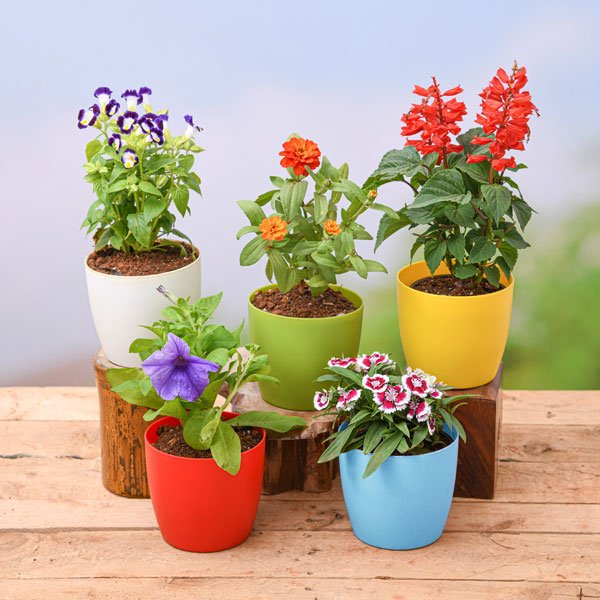
View full detailsWelcome to our vibrant collection of Salvia plants, a diverse genus known for its stunning flowers and aromatic foliage. These hardy perennials are not only visually appealing but also attract pollinators, making them a perfect addition to any garden. With a variety of colors and sizes, Salvia plants can enhance your landscape while providing essential habitats for bees and butterflies.
What makes Salvia special is its versatility. From the striking blue spikes of Salvia nemorosa to the fiery red blooms of Salvia splendens, these plants thrive in various conditions. They are drought-tolerant and can flourish in poor soil, making them an eco-friendly choice for sustainable gardening. Whether you’re looking to create a vibrant border or a serene cottage garden, Salvia plants are sure to impress.
Growing Salvia is easy and rewarding. These plants prefer full sun and well-drained soil, making them ideal for sunny spots in your garden. With minimal care, they will reward you with a long blooming season and vibrant colors. Explore our collection today and find the perfect Salvia to elevate your outdoor space!
Salvia plants belong to the Lamiaceae family, which includes over 900 species. The genus name "Salvia" is derived from the Latin word "salvare," meaning "to save," reflecting the medicinal properties attributed to many species. Historically, Salvia has been used in various cultures for its healing properties, particularly in traditional herbal medicine. The leaves of certain species have been utilized to treat ailments ranging from digestive issues to respiratory problems.
From an environmental perspective, Salvia plants play a crucial role in supporting biodiversity. Their nectar-rich flowers provide essential food sources for pollinators, contributing to the health of ecosystems. By incorporating Salvia into your garden, you not only enhance its beauty but also promote ecological balance and sustainability. Choose Salvia plants today and make a positive impact on your garden and the environment!
There are over 900 species of Salvia plants, each with its own unique characteristics and growing requirements. From culinary sage to ornamental varieties, understanding the different types can help you choose the best plants for your garden.
Planting Salvia plants requires attention to soil preparation, spacing, and planting depth. With proper planting techniques, your Salvia plants will have a strong foundation for healthy growth.
Salvia plants require consistent care and attention to thrive, including watering, fertilizing, pruning, and pest control. Understanding the specific needs of your Salvia plants can help you keep them healthy and beautiful.
Pruning Salvia plants is an important part of their care, helping to promote healthy growth and shape the plant. Understanding the different types of pruning and when to perform them can help you maintain beautiful, healthy Salvia plants.
Salvia plants can be susceptible to a variety of diseases, including powdery mildew and fungal leaf spot. Understanding the signs of disease and taking appropriate preventive measures can help keep your Salvia plants healthy.
Salvia plants can also be affected by a variety of pests, including aphids and spider mites. Understanding the signs of pest infestation and using appropriate pest control methods can help protect your Salvia plants.
Fertilizing Salvia plants is an important part of their care, providing the necessary nutrients for healthy growth and blooms. Understanding the different types of fertilizer and when to apply them can help you keep your Salvia plants healthy and beautiful.
Salvia plants can be grown successfully in containers, making them a great choice for small gardens or balconies. Understanding the specific requirements for growing Salvia in containers can help you create a beautiful display.
Proper watering is essential for the health of Salvia plants. Understanding the specific water requirements for your Salvia plants and how to water them properly can help keep them healthy and beautiful.
Salvia plants can be propagated through a variety of methods, including stem cuttings and seed propagation. Understanding the different methods can help you propagate your own Salvia plants.
Growing Salvia with companion plants can help enhance their beauty and health. Understanding the best companion plants for Salvia can help you create a beautiful and diverse garden.
Proper winter care is essential for the health of Salvia plants. Understanding the specific winter care requirements for your Salvia plants can help you protect them from cold and frost damage.
Some Salvia varieties have a fragrant scent, adding an extra level of enjoyment to your garden. Understanding the different types of fragrant Salvia plants and how to care for them can help you create a beautiful and aromatic garden.
Salvia plants come in a range of colors, from deep blues and purples to bright pinks and reds. Understanding the different color options can help you choose the perfect Salvia plants for your garden.
Salvia plants require plenty of sunlight to thrive, but different varieties have different sun requirements. Understanding the specific sun requirements for your Salvia plants can help you choose the best location for planting.
Salvia plants require well-draining soil with plenty of organic matter. Understanding the specific soil requirements for your Salvia plants can help you prepare the soil for healthy growth.
Salvia plants have a variety of uses beyond their ornamental beauty, including culinary and medicinal uses. Understanding the different uses of Salvia plants can help you appreciate their value and versatility.
Some Salvia plant varieties are especially attractive to pollinators like bees and butterflies, making them a great addition to pollinator gardens. Understanding the best Salvia plant varieties for pollinators can help you create a vibrant and healthy garden ecosystem.
While Salvia plants require plenty of sunlight to thrive, some varieties are better suited for partial shade conditions. Understanding the best Salvia plant varieties for shade can help you create a beautiful and healthy garden in shadier areas.
Salvia plants are often used in drought-tolerant landscaping due to their ability to thrive in hot and dry conditions. Understanding the best Salvia plant varieties for drought-tolerant landscaping can help you create a beautiful and sustainable garden that conserves water.
Salvia plants can make beautiful cut flowers, adding color and fragrance to indoor arrangements. Understanding the best Salvia plant varieties for cut flowers can help you create stunning floral displays.
Salvia plants can be used effectively in border plantings, adding color and texture to garden edges. Understanding the best Salvia plant varieties for border plantings can help you create a beautiful and cohesive garden design.
Salvia plants can thrive in rocky or gravelly soil, making them a great choice for rock gardens. Understanding the best Salvia plant varieties for rock gardens can help you create a beautiful and low-maintenance garden that complements your home's architecture.
Hummingbirds are attracted to the nectar-rich blooms of many Salvia plant varieties, making them a great addition to hummingbird gardens. Understanding the best Salvia plant varieties for hummingbirds can help you create a garden that is both beautiful and beneficial to wildlife.
Butterflies are also attracted to the nectar-rich blooms of Salvia plants, making them a great addition to butterfly gardens. Understanding the best Salvia plant varieties for butterfly gardens can help you create a beautiful and healthy ecosystem for butterflies and other pollinators.
Salvia plants can be a great addition to cottage gardens, adding color and texture to informal garden designs. Understanding the best Salvia plant varieties for cottage gardens can help you create a charming and welcoming garden space.
Some Salvia plant varieties have medicinal properties, making them a valuable addition to herbal medicine gardens. Understanding the specific medicinal uses of Salvia plants can help you create a garden that is not only beautiful but also has practical value.
Some Salvia plant varieties are used in cooking, adding flavor and aroma to dishes. Understanding the specific culinary uses of Salvia plants can help you create a garden that is both beautiful and useful in the kitchen.
Some Salvia plant varieties are used in aromatherapy, providing relaxing and therapeutic benefits. Understanding the specific aromatherapy uses of Salvia plants can help you create a garden that not only looks and smells beautiful but also promotes wellness and relaxation.
Bees are essential pollinators for many plants
Salvia plants are a genus of flowering plants that are known for their beautiful and fragrant flowers. They come in a variety of colors and sizes.
There are many different types of Salvia plants, including annuals, perennials, and shrubs. Some popular varieties include Salvia splendens, Salvia officinalis, and Salvia nemorosa.
Salvia plants require well-draining soil, regular watering, and a good fertilizer to thrive. They should be planted in a spot that receives full sunlight for at least 6 hours a day.
The best time to plant Salvia plants in India is during the winter season or early spring.
Salvia plants require regular watering, and the frequency will depend on the weather conditions and the type of soil. As a general rule, water them deeply once or twice a week.
You can use a balanced, all-purpose fertilizer to feed your Salvia plants. Apply it every two weeks during the growing season.
Yes, Salvia plants can grow well in pots, as long as they have adequate drainage and are placed in a spot that receives enough sunlight.
Prune your Salvia plants regularly by removing any dead or damaged branches, and trimming back the stems to promote bushy growth.
Salvia plants can be propagated through stem cuttings or by dividing the root ball. Stem cuttings should be taken in the spring or early summer and planted in a pot with moist soil.
To prevent pests and diseases on your Salvia plants, make sure to keep the soil moist but not waterlogged, and avoid overcrowding the plants. Use organic pesticides if necessary.
Salvia plants can bloom for several months, depending on the specific type of plant and growing conditions.
If you live in a region with cold winters, you can store your Salvia plants in a cool, dry place indoors, or cover them with mulch and burlap outdoors.
Yes, many types of Salvia plants can tolerate heat, but they require regular watering to prevent wilting.
Salvia plant seeds can be planted directly in the garden or started indoors in seed trays. They should be planted in well-draining soil and in a spot that receives full sunlight.
Yes, Salvia plants can grow indoors if they receive enough sunlight and are planted in a well-draining pot with good soil.
To control pests on your Salvia plants, use organic pesticides and insecticidal soap. You can also manually remove any pests you see on the plant.
Yellowing leaves on Salvia plants can be a sign of overwatering or nutrient deficiencies. Check the soil moisture levels and fertilize the plant as needed.
Wilting Salvia plants can be revived by watering them deeply and placing them in a shaded area for a few hours. If the problem persists, check the soil moisture levels and adjust your watering schedule.
Plant your Salvia plants in a spot that receives full sunlight for at least 6 hours a day, and avoid planting them in areas with too much shade or where they may be blocked by buildings or trees.
Some varieties of Salvia plants can tolerate hot and dry conditions, but they require regular watering and protection from strong sunlight.
Black spot is a common fungal disease that affects Salvia plants. To treat it, remove any infected leaves and treat the plant with a fungicide spray.
Yes, Salvia plants can grow well in hanging baskets, as long as the basket has adequate drainage and is placed in a spot that receives enough sunlight.
Cover your Salvia plants with frost cloth or burlap to protect them from cold weather, and provide shade and regular watering during hot weather.
When choosing a Salvia plant, consider the color and size of the plant, and make sure it is healthy and free from pests or diseases. Additionally, choose a spot in your home or garden that receives enough sunlight and is away from drafts.
Yes, Salvia plants can be grown in containers as long as the container is large enough and has adequate drainage. Use a well-draining potting mix and place the container in a spot that receives full sunlight.
To protect your Salvia plants from pests like aphids and spider mites, use insecticidal soap or neem oil. You can also manually remove them with a damp cloth or cotton swab.
Prune your Salvia plants by removing any dead or damaged branches, and trimming back the stems to promote bushy growth. You can also pinch back the tips of the stems to encourage branching.
To ensure your Salvia plants are healthy and disease-free, regularly inspect them for pests or signs of disease, and provide proper care and maintenance.
Plant Salvia plants in well-draining soil and in a spot that receives full sunlight for at least 6 hours a day. Dig a hole that is twice as wide and deep as the root ball, and backfill it with soil.
Yes, Salvia plants are used in traditional medicine for a variety of purposes, including as a natural remedy for digestive issues and respiratory problems. However, it's important to consult a healthcare professional before using Salvia plants for medicinal purposes.