Not recd as per Picture on Website
Available 24/7
Available 24/7
Save up to 15%
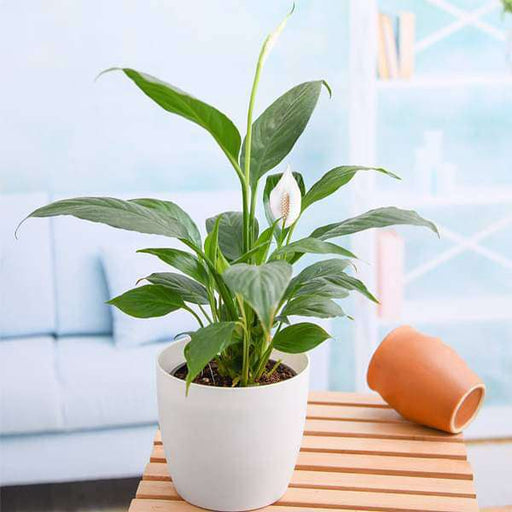
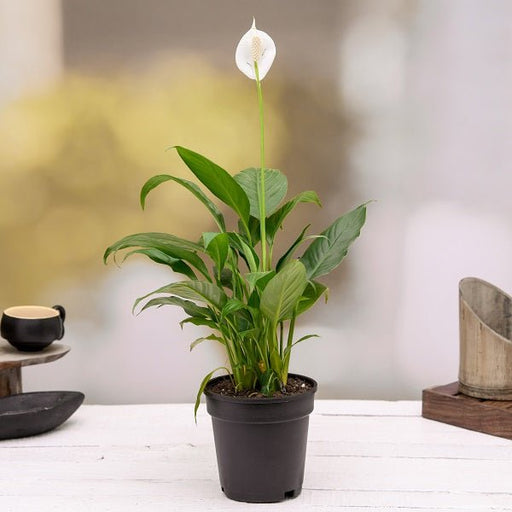
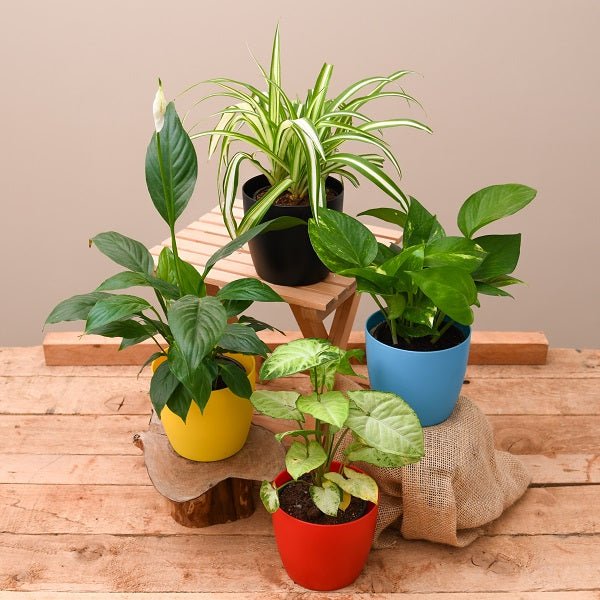
Peace Lily, Spathiphyllum - Plant The Peace Lily, scientifically known as Spathiphyllum, is a stunning houseplant celebrated for its elegant white...
View full details
Save 18%
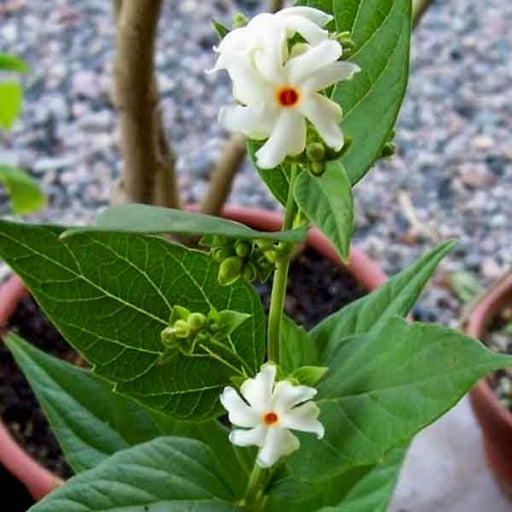
Combo Constituents Includes the Parijat Tree (Night-Flowering Jasmine), a culturally significant plant with fragrant flowers. Description The Pari...
View full details
Save 25%
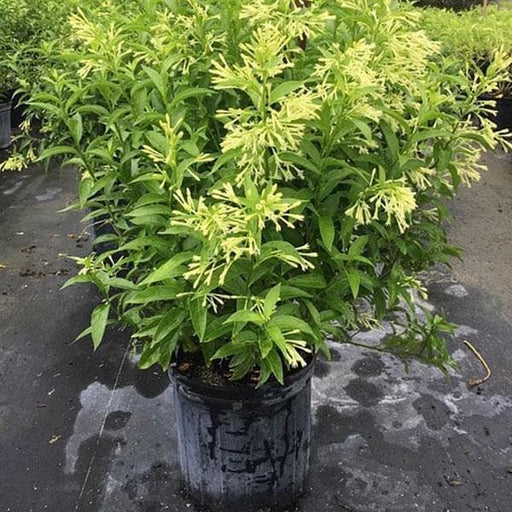
Description Raat Ki Rani (*Cestrum nocturnum*), also known as Night Blooming Jasmine, is a fragrant shrub native to the Caribbean and Central Ameri...
View full details
Save 25%
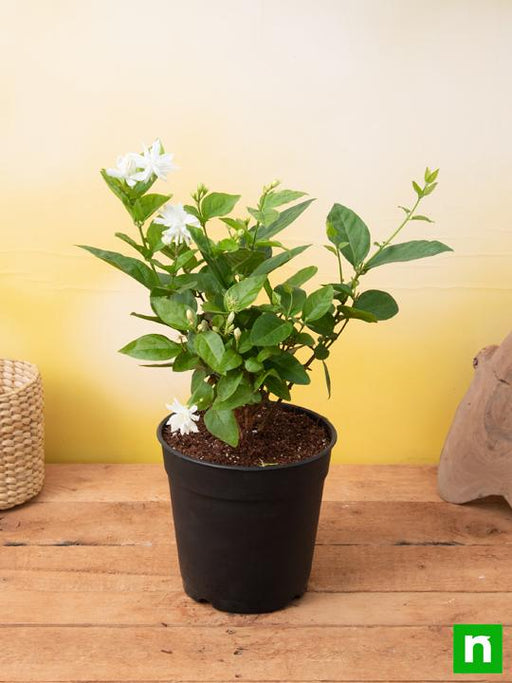
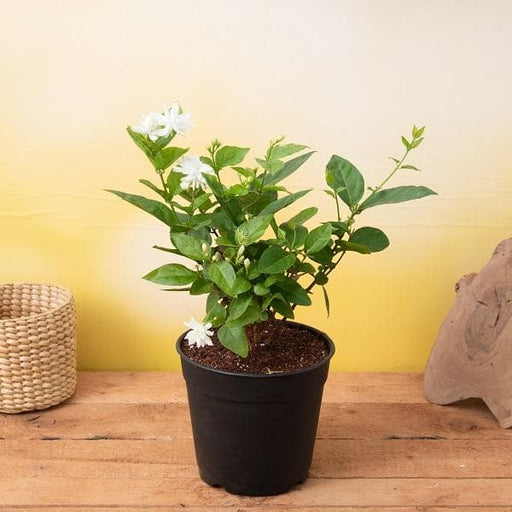
Jasminum sambac, Mogra, Arabian Jasmine - Plant Jasminum sambac, commonly known as Mogra or Arabian Jasmine, is a fragrant flowering plant...
View full details
Save 17%
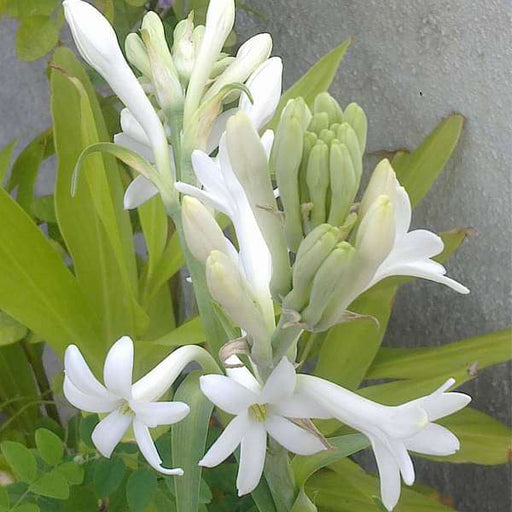
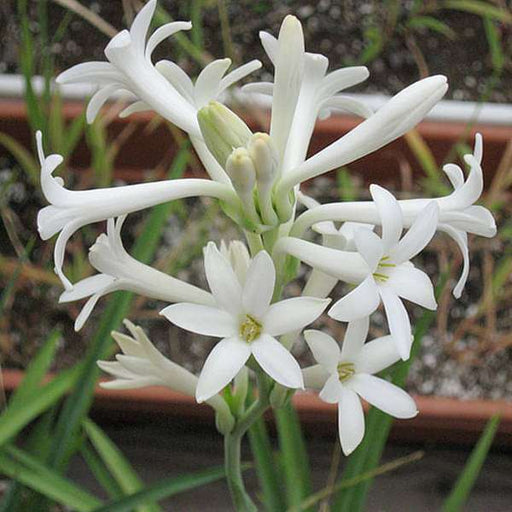
Rajnigandha, Tuberose - Plant The Rajnigandha, scientifically known as Polianthes tuberosa, is a captivating perennial plant renowned for ...
View full details
Sold out
Citronella, Odomas - Plant The Citronella plant, scientifically known as Cymbopogon nardus, is a tropical grass renowned for its aromatic ...
View full details
Save 25%
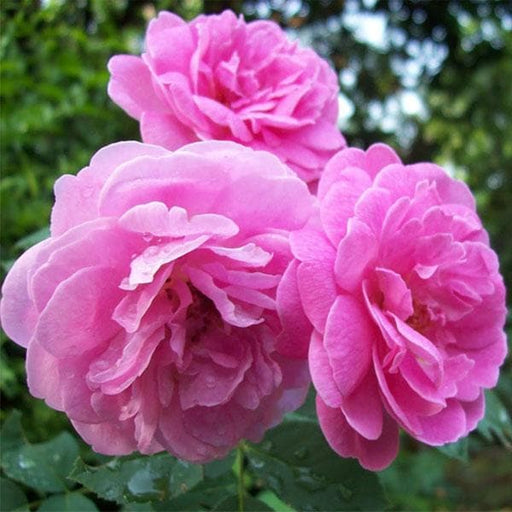
Damascus Rose, Scented Rose (Any Color) - Plant The Damascus Rose, also known as Rosa damascena, is a timeless symbol of beauty and romanc...
View full details
Save 35%
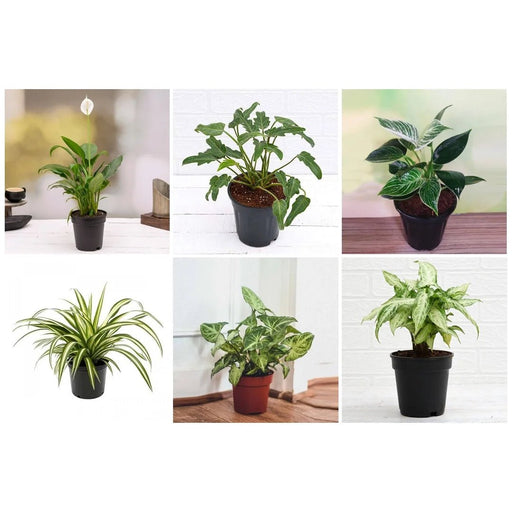
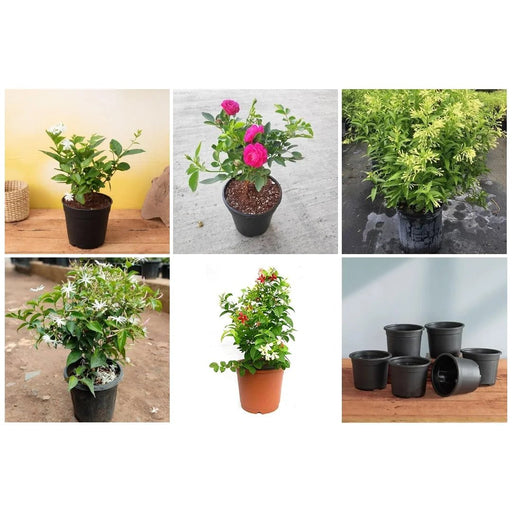
Best 6 Plants for Perfect Indoor Garden Transform your living space into a lush oasis with our curated collection of the Best 6 Plants for a...
View full details
Save up to 50%
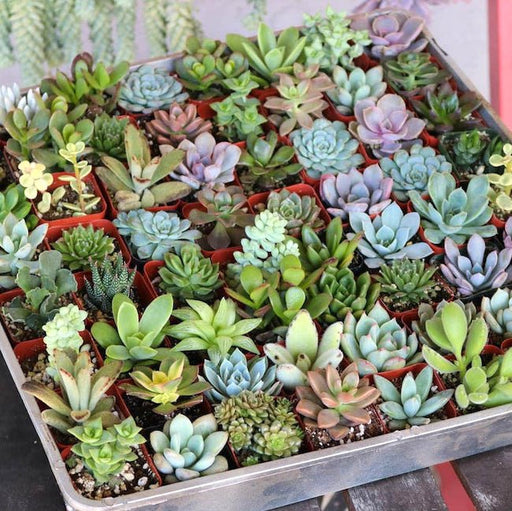
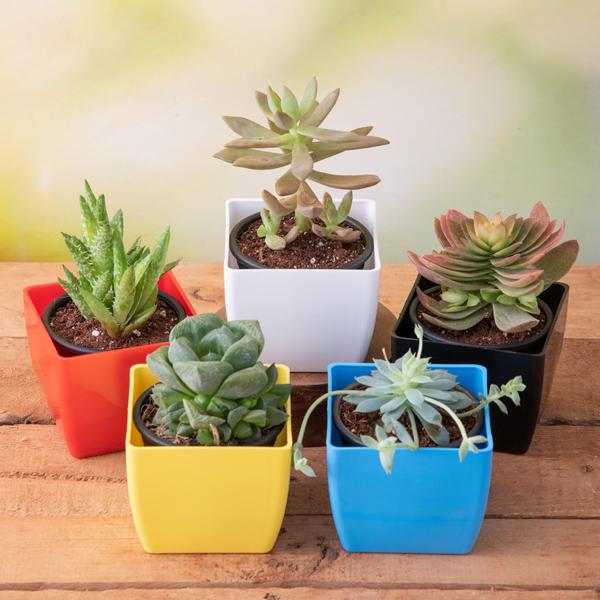
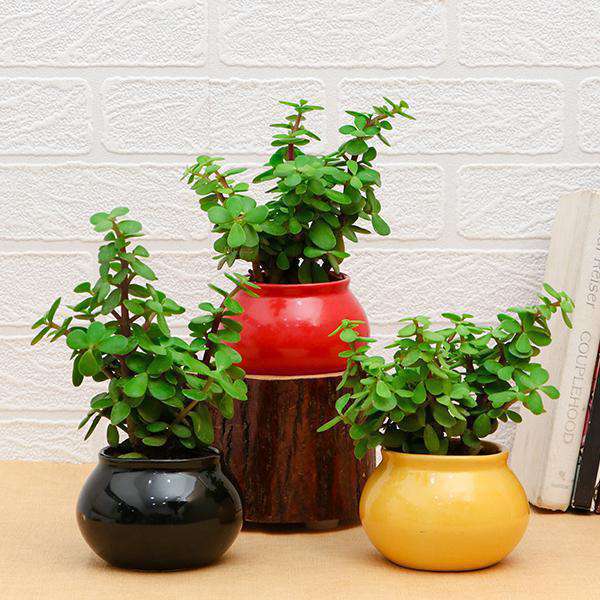
Mini Succulent Garden Pack Transform your space with our Mini Succulent Garden Pack, featuring a delightful collection of 4 any variety beautiful s...
View full details
Save 30%
5 Best Fragrant Plants Transform your garden or indoor space into a fragrant paradise with our curated selection of the 5 Best Fragrant Plants. Th...
View full details
Save 24%
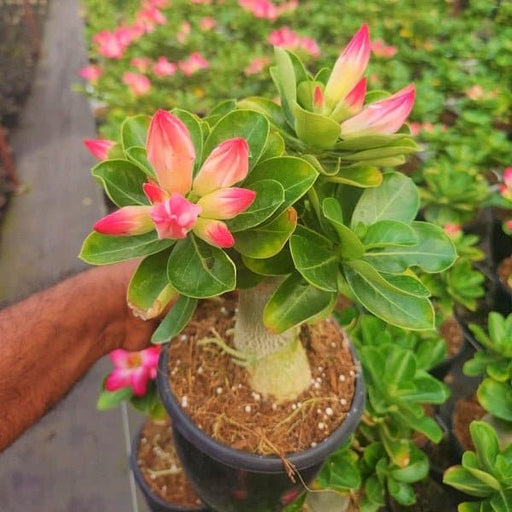
Set of 2 Bonsai Looking Grafted Adeniums Transform your indoor or outdoor space with our exquisite Set of 2 Bonsai Looking Grafted Adenium...
View full details
Save 45%
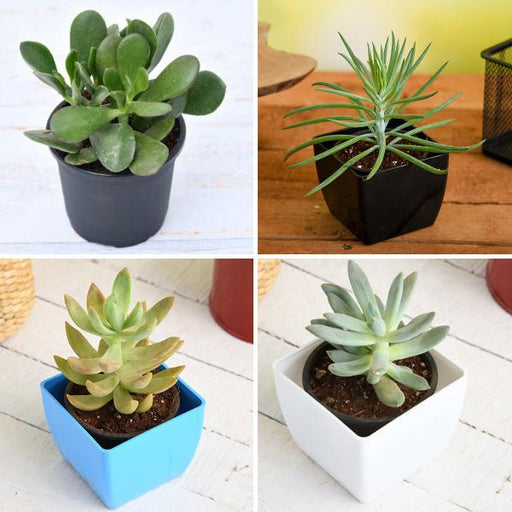
Top 4 Die Hard Succulents Pack Transform your indoor or outdoor space with our Top 4 Die Hard Succulents Pack, featuring a curated selecti...
View full details
Save 30%
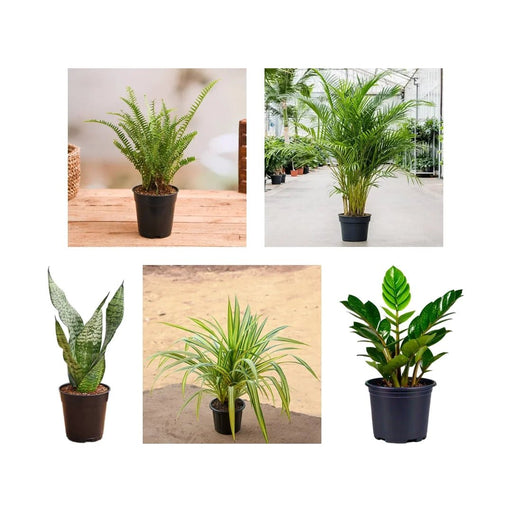
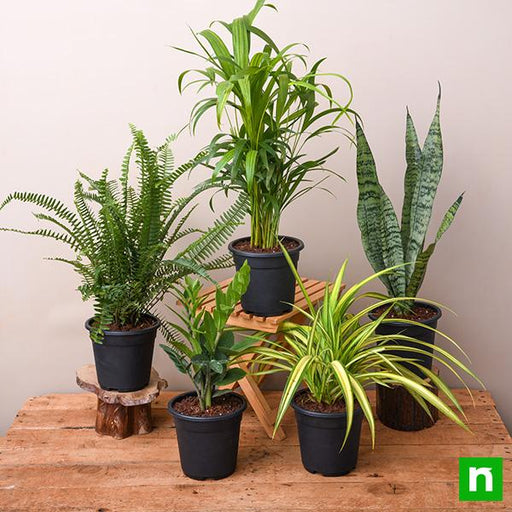
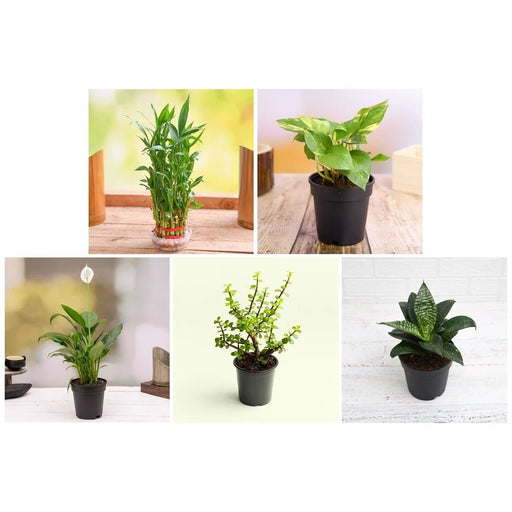
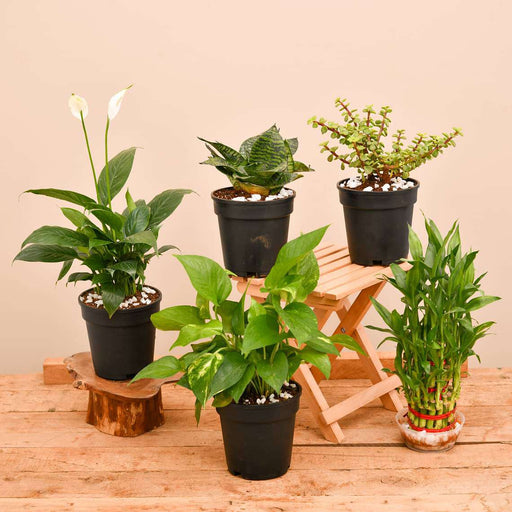
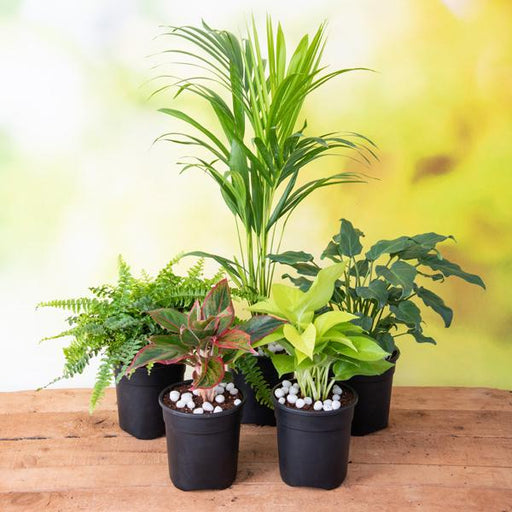
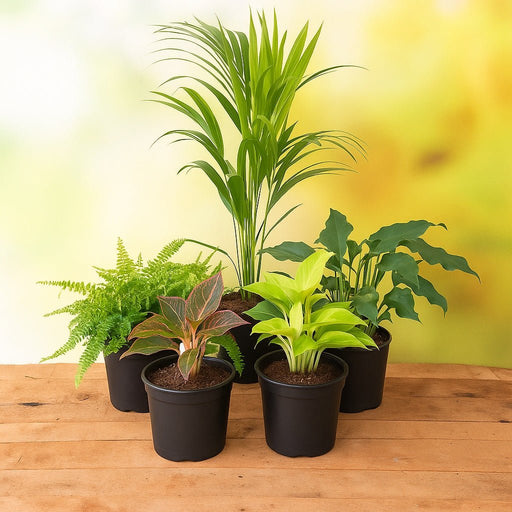
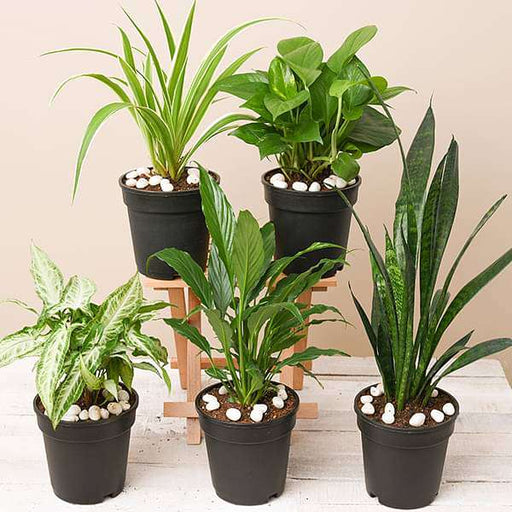
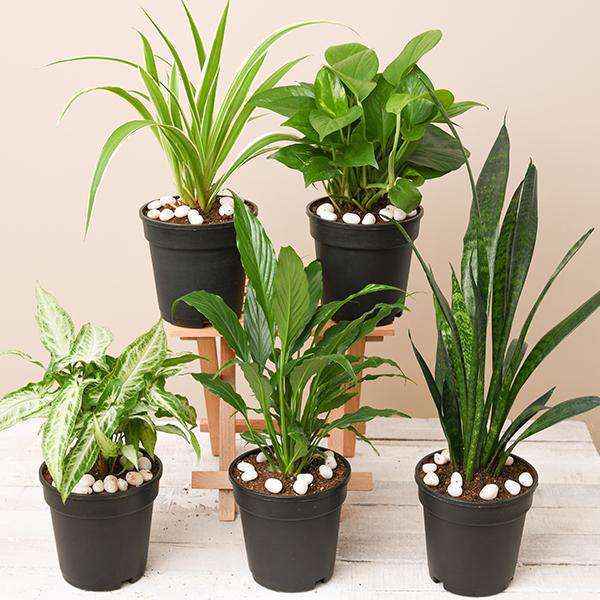
5 Best Indoor Plants Pack Transform your living space into a lush oasis with our '5 Best Indoor Plants Pack.' This carefully curated collection fe...
View full details
Save 25%
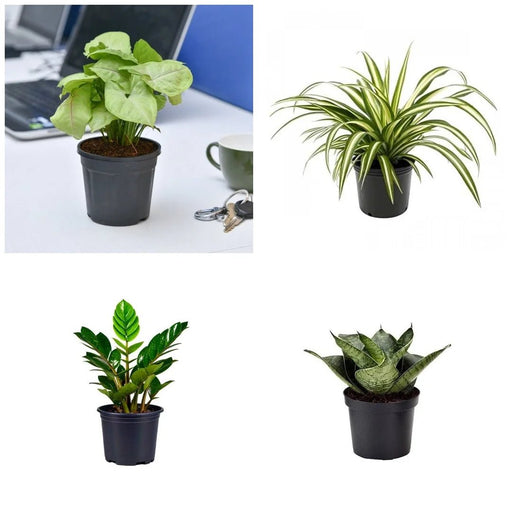
Set of 4 Evergreen Air Purifier Plant Pack Transform your indoor space into a lush, green oasis with our Set of 4 Evergreen Air Purifier Pla...
View full detailsTransform your outdoor space with our exquisite collection of plants for hedges. These versatile plants not only provide privacy and security but also enhance the aesthetic appeal of your garden. From lush evergreens to vibrant flowering shrubs, our selection caters to various climates and soil types, ensuring you find the perfect fit for your landscape.
What makes our hedge plants special is their ability to thrive in diverse environments while offering year-round beauty. Many of these plants are low-maintenance, making them ideal for busy homeowners. With the right selection, you can create a stunning natural barrier that attracts wildlife and supports local ecosystems.
Our collection includes a variety of species, each with unique characteristics and benefits. Whether you’re looking for a formal hedge or a more relaxed, informal look, our plants will help you achieve your desired landscape design while contributing positively to the environment.
Scientifically, many hedge plants, such as boxwood (Buxus spp.) and privet (Ligustrum spp.), are known for their dense foliage, which can significantly reduce noise pollution and improve air quality. These plants act as natural air filters, absorbing carbon dioxide and releasing oxygen, contributing to a healthier environment. Additionally, their root systems help prevent soil erosion, making them an excellent choice for sustainable landscaping.
Historically, hedges have played a crucial role in agriculture and land management. In medieval Europe, hedges were used to enclose fields and protect crops from livestock. Today, they continue to serve as vital components of permaculture and organic gardening practices, promoting biodiversity and creating habitats for various species. By choosing our plants for hedges, you’re not only enhancing your property but also supporting ecological balance.
In terms of environmental impact, planting hedges can significantly improve local ecosystems. They provide shelter and food for wildlife, promote pollination, and enhance soil health. By incorporating our hedge plants into your landscape, you contribute to a greener planet while enjoying the beauty and functionality they offer.
Evergreen plants are a popular choice for hedges because they provide year-round privacy and screening. In this article, we'll explore some of the best evergreen plants for hedges and offer tips for growing them successfully.
If you want to create a hedge quickly, fast-growing plants are a good choice. In this article, we'll explore some of the best fast-growing plants for hedges and offer tips for growing them successfully.
Flowering plants can add color and interest to your hedge, as well as attracting pollinators. In this article, we'll explore some of the best flowering plants for hedges and offer tips for growing them successfully.
If you want a hedge that requires minimal care, low-maintenance plants are the way to go. In this article, we'll explore some of the best low-maintenance plants for hedges and offer tips for growing them successfully.
If you want a hedge that provides maximum privacy and screening, tall plants are a good choice. In this article, we'll explore some of the best tall plants for hedges and offer tips for growing them successfully.
If your hedge will be in full sun, it's important to choose plants that can tolerate these conditions. In this article, we'll explore some of the best hedge plants for full sun and offer tips for growing them successfully.
If your hedge will be in partial shade, it's important to choose plants that can tolerate these conditions. In this article, we'll explore some of the best hedge plants for partial shade and offer tips for growing them successfully.
If you have clay soil, it's important to choose plants that can tolerate these conditions. In this article, we'll explore some of the best hedge plants for clay soil and offer tips for growing them successfully.
If you have sandy soil, it's important to choose plants that can tolerate these conditions. In this article, we'll explore some of the best hedge plants for sandy soil and offer tips for growing them successfully.
If you have moist soil, it's important to choose plants that can tolerate these conditions. In this article, we'll explore some of the best hedge plants for moist soil and offer tips for growing them successfully.
If you have dry soil, it's important to choose plants that can tolerate these conditions. In this article, we'll explore some of the best hedge plants for dry soil and offer tips for growing them successfully.
If your hedge will be in a windy area, it's important to choose plants that can tolerate these conditions. In this article, we'll explore some of the best hedge plants for windy areas and offer tips for growing them successfully.
If your hedge will be in a coastal area, it's important to choose plants that can tolerate salt spray and other coastal conditions. In this article, we'll explore some of the best hedge plants for coastal areas and offer tips for growing them successfully.
If you have a small garden, it's important to choose plants that won't outgrow the space. In this article, we'll explore some of the best hedge plants for small gardens and offer tips for growing them successfully.
Hedges can provide habitat and food for wildlife, such as birds and insects. In this article, we'll explore some of the best hedge plants for creating a wildlife habitat and offer tips for growing them successfully.
Formal gardens often feature hedges that are clipped into precise shapes and sizes. In this article, we'll explore some of the best hedge plants for formal gardens and offer tips for growing them successfully.
If you want a hedge that has a more natural, relaxed appearance, informal hedge plants are a good choice. In this article, we'll explore some of the best hedge plants for informal gardens and offer tips for growing them successfully.
Hedges can provide visual interest during the winter months, even when other plants have gone dormant. In this article, we'll explore some of the best hedge plants for winter interest and offer tips for growing them successfully.
Some hedge plants have fragrant flowers or foliage that can add a pleasant scent to your garden. In this article, we'll explore some of the best hedge plants for fragrance and offer tips for growing them successfully.
Hedges are often used for privacy and screening, so it's important to choose plants that are dense and can grow tall enough to provide the desired level of screening. In this article, we'll explore some of the best hedge plants for screening and offer tips for growing them successfully.
Some of the best plants for creating a low hedge include boxwood, dwarf yaupon holly, and dwarf English lavender.
Some of the best plants for creating a tall hedge include Leyland cypress, arborvitae, and privet.
The spacing between plants will depend on the specific plant and its growth habits. As a general rule, space plants close enough together so that they will eventually grow together to form a continuous hedge.
Regular pruning is important to keep your hedge looking neat and tidy. Depending on the specific plant, you may need to prune once or twice a year.
When choosing plants for your hedge, consider factors such as sun exposure, soil type, and desired height and appearance.
Yes, you can grow a hedge in a container, but it's important to choose the right plant and container size. Be sure to also provide adequate water and fertilizer.
Yes, you can grow a hedge from seeds, but it will take longer to establish than using mature plants.
Yes, you can mix different types of plants in your hedge, but be sure to choose plants that have similar growth habits and requirements.
The time it takes for a hedge to reach full height will depend on the specific plant and growing conditions. Some hedges may take a few years to reach full height, while others may take a decade or more.
Regular inspection and prompt treatment of any pests or diseases is important to keep your hedge healthy. Providing adequate water and fertilizer can also help prevent stress that can make plants more susceptible to pests and diseases.
Yes, there are plants that can tolerate shade and can be used to create a hedge. Some examples include boxwood, yew, and Japanese holly.
Yes, there are plants that can tolerate wet soil and can be used to create a hedge. Some examples include bald cypress, river birch, and winterberry holly.
Yes, there are plants that can tolerate dry soil and can be used to create a hedge. Some examples include juniper, lavender, and rosemary.
The watering requirements for your hedge will depend on the specific plant and growing conditions. As a general rule, water deeply once a week during dry periods.
Yes, you can grow a hedge on a slope, but it's important to choose plants that can tolerate the slope and to take steps to prevent erosion.
Regular pruning and maintenance is important to keep your hedge from becoming too wide.
To create a hedge from cuttings, take a 6-inch cutting from a mature plant and remove the lower leaves. Dip the cut end in rooting hormone and plant in well-draining soil. Keep the soil moist and provide adequate light.
To create a hedge from layering, bend a low branch of a mature plant to the ground and cover with soil. The branch will eventually root and can be separated from the parent plant to create a new plant.
Yes, you can prune your hedge into a specific shape using hedge shears or clippers. Just be sure to prune during the appropriate time of year for your specific plant.
Yes, hedges are often used as a living fence to provide privacy and screening.
The height of your hedge will depend on your specific needs and the purpose of the hedge. Consider factors such as privacy and screening, as well as the height of nearby structures and trees.
Yes, there are plants that can tolerate windy conditions and can be used to create a hedge. Some examples include juniper, arborvitae, and cedar.
Regular pruning and maintenance is important to keep your hedge from becoming too tall.
Regular pruning and maintenance is important to keep your hedge from becoming too thin. Adequate water and fertilizer can also help promote healthy growth.
Regular pruning and maintenance is important to keep your hedge from becoming too bushy. Be sure to prune during the appropriate time of year for your specific plant.
Yes, there are plants that can be grown indoors and can be used to create a small hedge or screen. Some examples include English ivy, snake plant, and dwarf schefflera.
Regular pruning and maintenance is important to keep your hedge from becoming too wide at the base. Be sure to prune during the appropriate time of year for your specific plant.
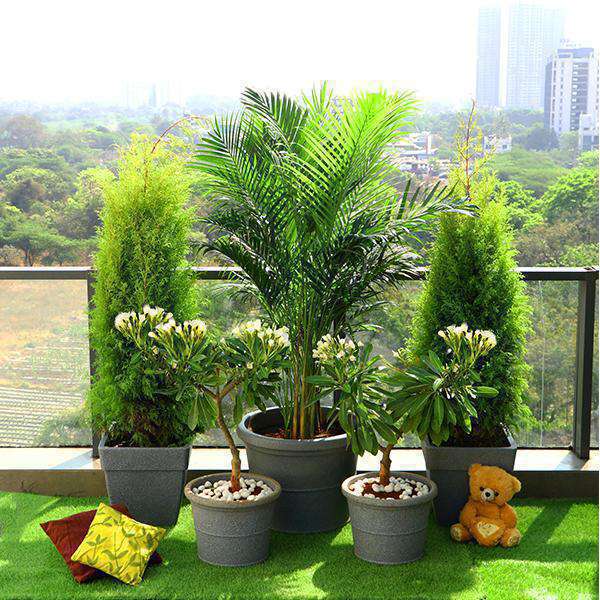
Yes, there are plants that can be grown in containers and can be used to create a small hedge on a balcony or terrace. Some examples include boxwood, dwarf holly, and rosemary.
The spacing between plants will depend on the specific plant and its growth habits. As a general rule, space plants close enough together so that they will eventually grow together to form a continuous hedge.
The fertilization requirements for your hedge will depend on the specific plant and growing conditions. As a general rule, fertilize in the spring and again in the fall with a balanced fertilizer. Be sure to follow the manufacturer's instructions for application rates.