Not recd as per Picture on Website
Available 24/7
Available 24/7
Save up to 15%
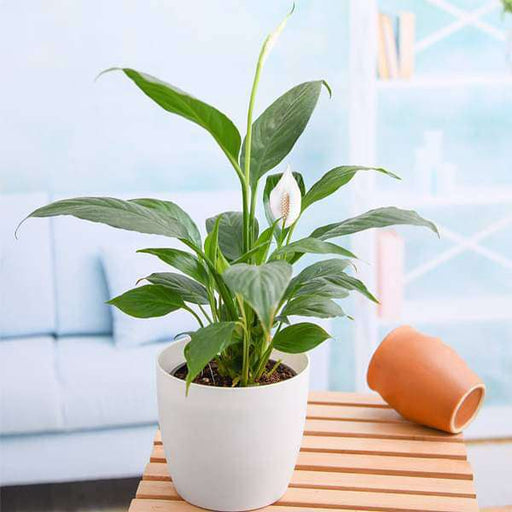
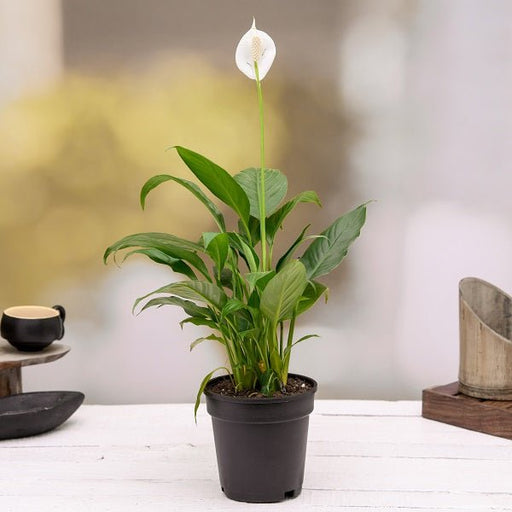
Peace Lily, Spathiphyllum - Plant The Peace Lily, scientifically known as Spathiphyllum, is a stunning houseplant celebrated for its elegant white...
View full details
Save 18%
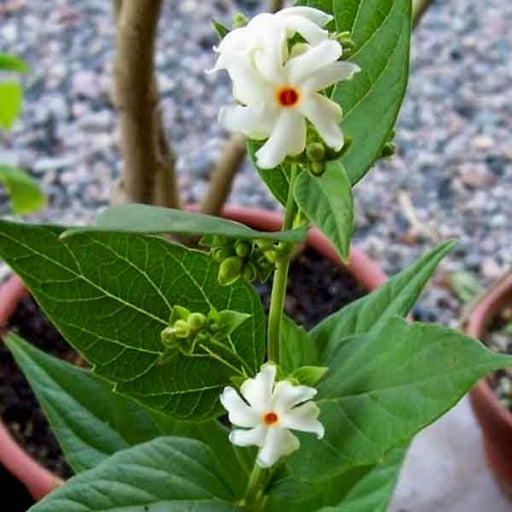
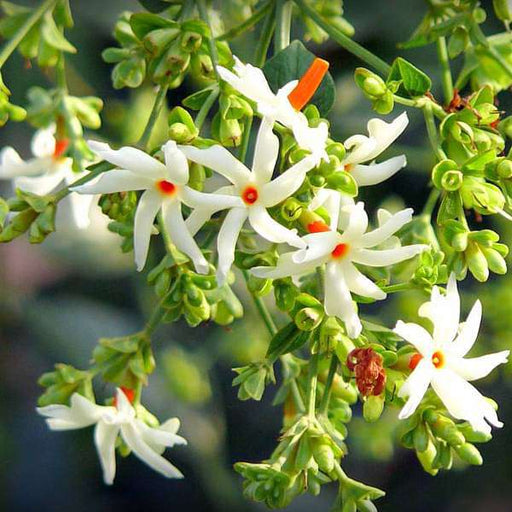
Combo Constituents Includes the Parijat Tree (Night-Flowering Jasmine), a culturally significant plant with fragrant flowers. Description The Pari...
View full details
Save 25%
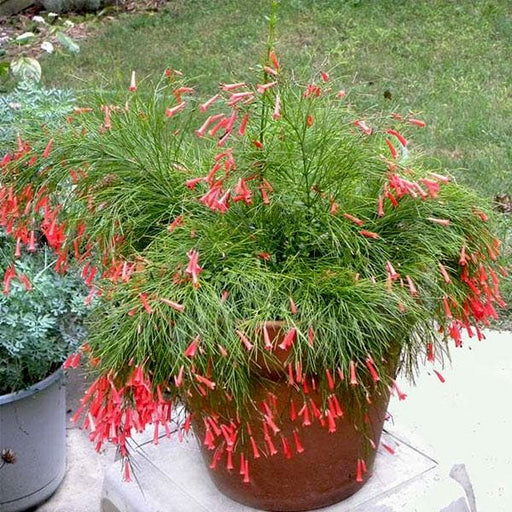
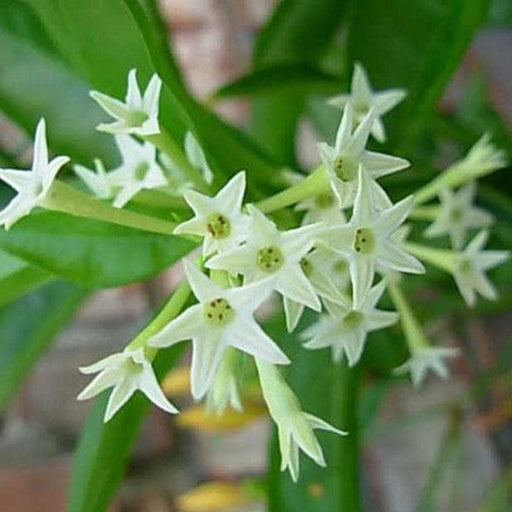
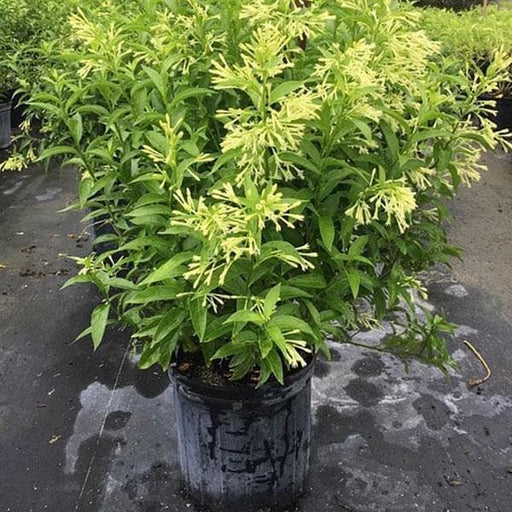
Description Raat Ki Rani (*Cestrum nocturnum*), also known as Night Blooming Jasmine, is a fragrant shrub native to the Caribbean and Central Ameri...
View full details
Save 25%
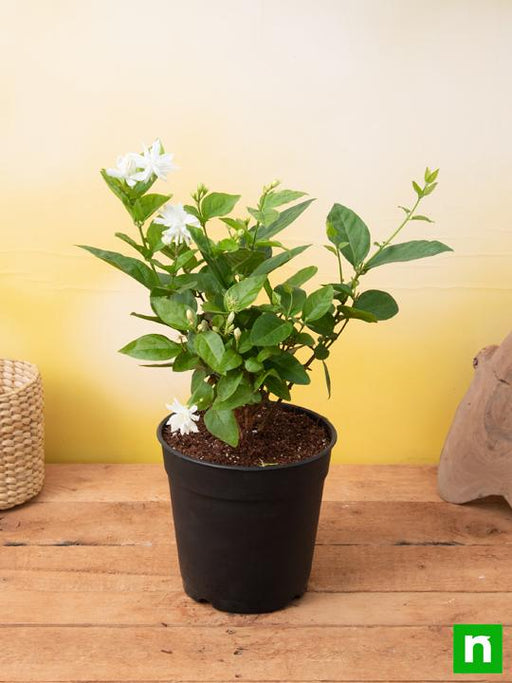
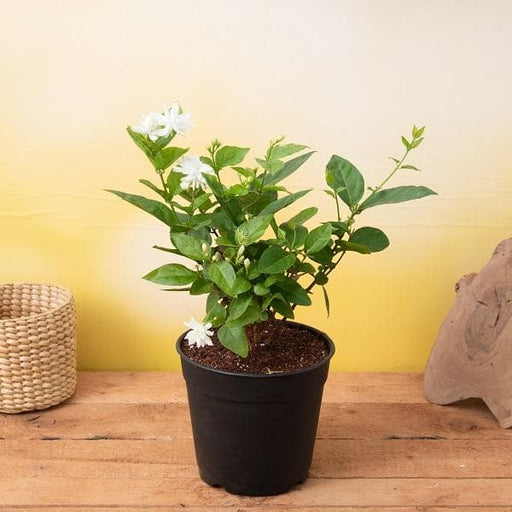
Jasminum sambac, Mogra, Arabian Jasmine - Plant Jasminum sambac, commonly known as Mogra or Arabian Jasmine, is a fragrant flowering plant...
View full details
Save 17%
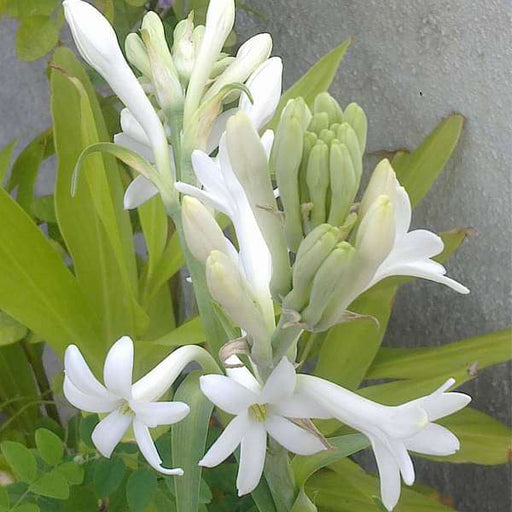
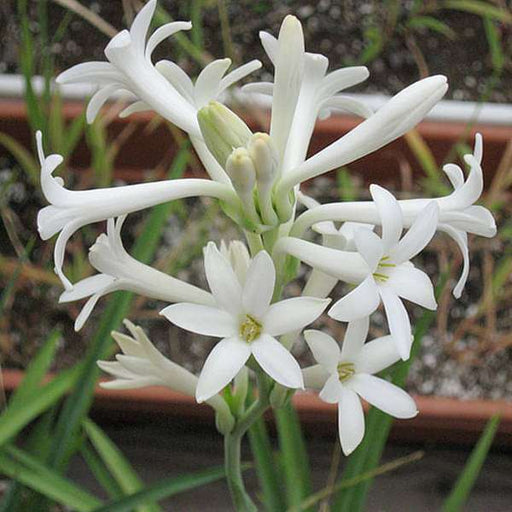
Rajnigandha, Tuberose - Plant The Rajnigandha, scientifically known as Polianthes tuberosa, is a captivating perennial plant renowned for ...
View full details
Sold out
Citronella, Odomas - Plant The Citronella plant, scientifically known as Cymbopogon nardus, is a tropical grass renowned for its aromatic ...
View full details
Save 25%
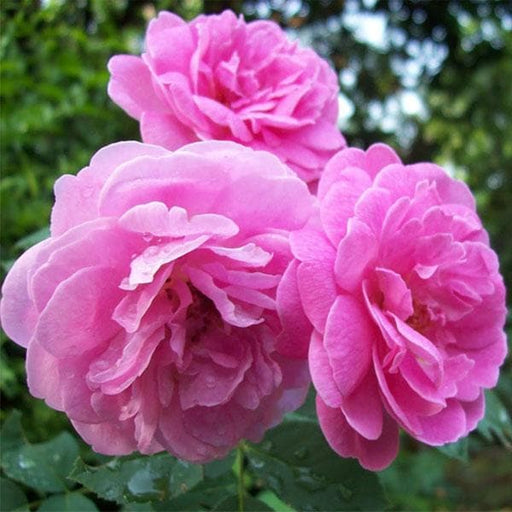
Damascus Rose, Scented Rose (Any Color) - Plant The Damascus Rose, also known as Rosa damascena, is a timeless symbol of beauty and romanc...
View full details
Save 35%
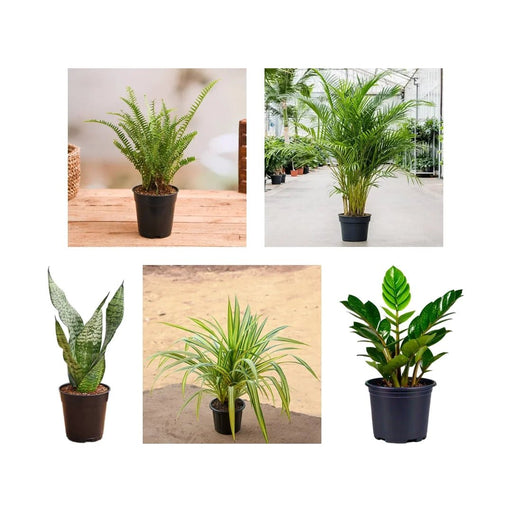
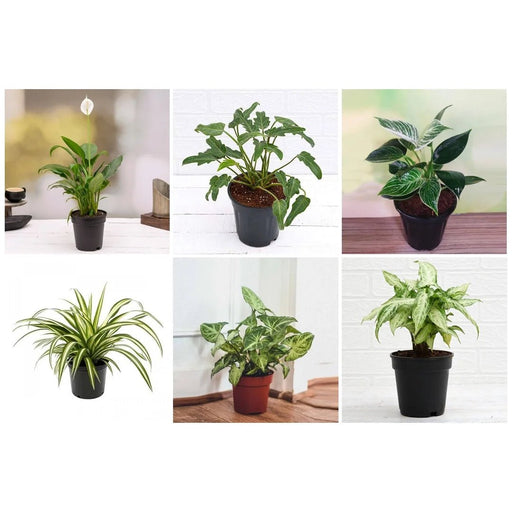
Best 6 Plants for Perfect Indoor Garden Transform your living space into a lush oasis with our curated collection of the Best 6 Plants for a...
View full details
Save up to 50%
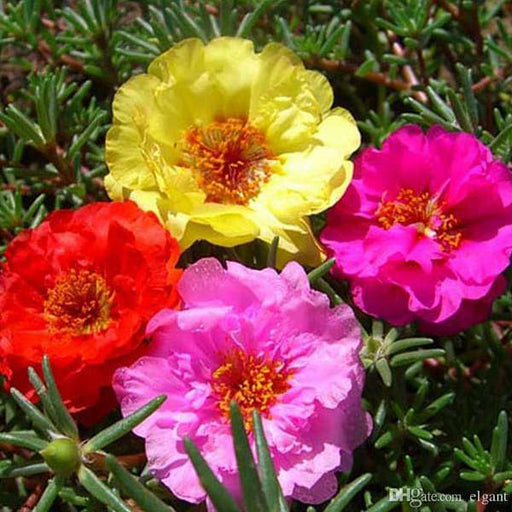
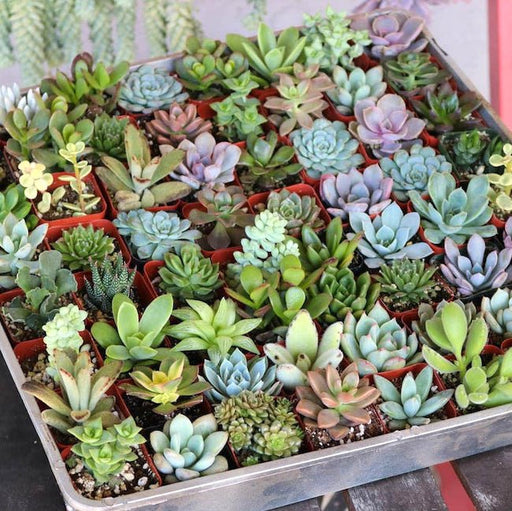
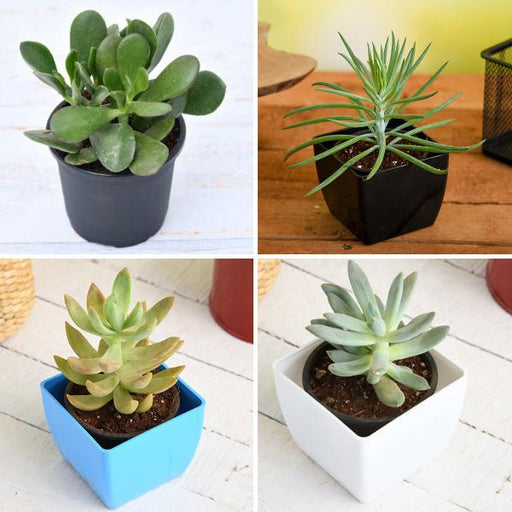
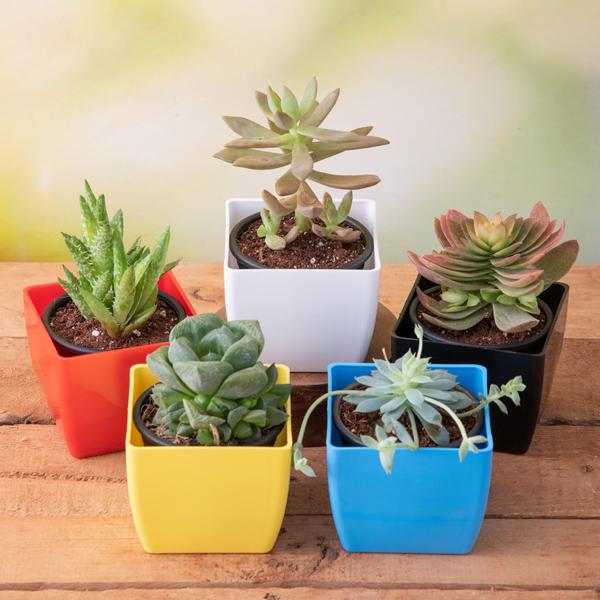
Mini Succulent Garden Pack Transform your space with our Mini Succulent Garden Pack, featuring a delightful collection of 4 any variety beautiful s...
View full details
Save 30%
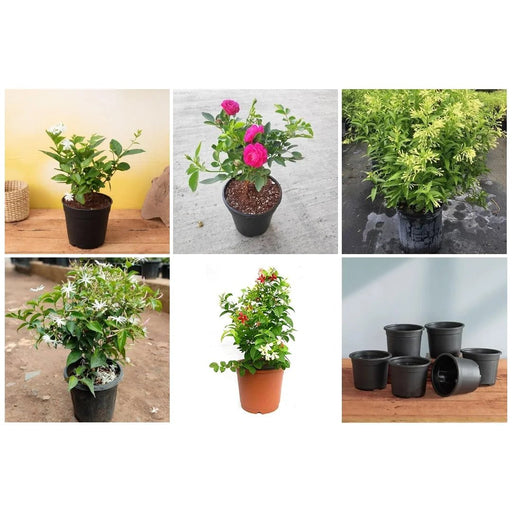
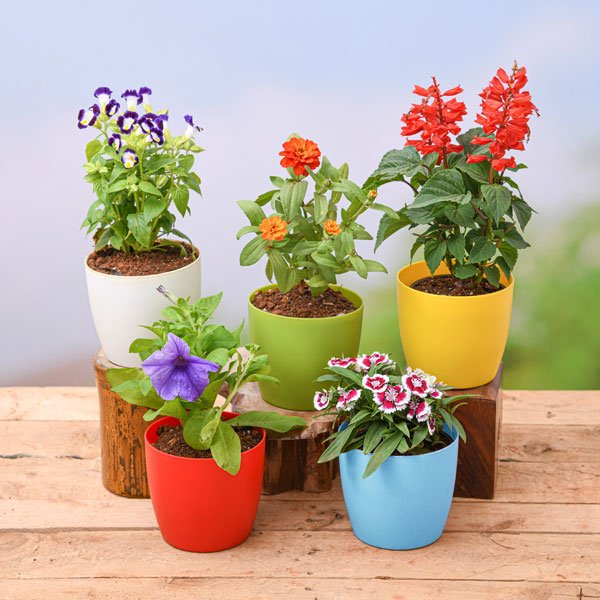
5 Best Fragrant Plants Transform your garden or indoor space into a fragrant paradise with our curated selection of the 5 Best Fragrant Plants. Th...
View full details
Save 24%
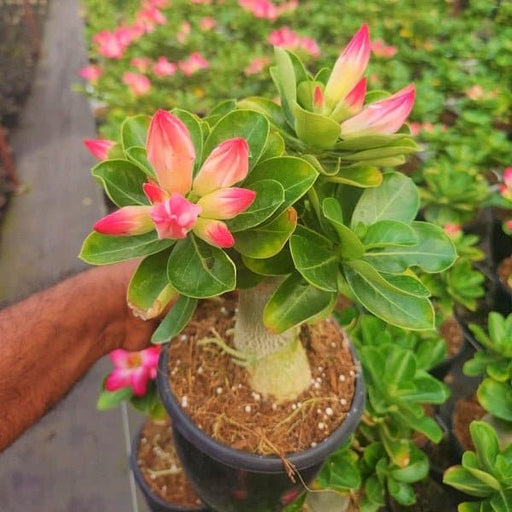
Set of 2 Bonsai Looking Grafted Adeniums Transform your indoor or outdoor space with our exquisite Set of 2 Bonsai Looking Grafted Adenium...
View full details
Save 45%
Top 4 Die Hard Succulents Pack Transform your indoor or outdoor space with our Top 4 Die Hard Succulents Pack, featuring a curated selecti...
View full details
Save 30%
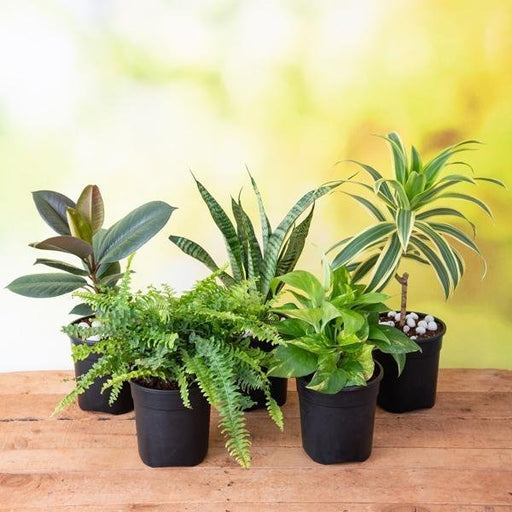
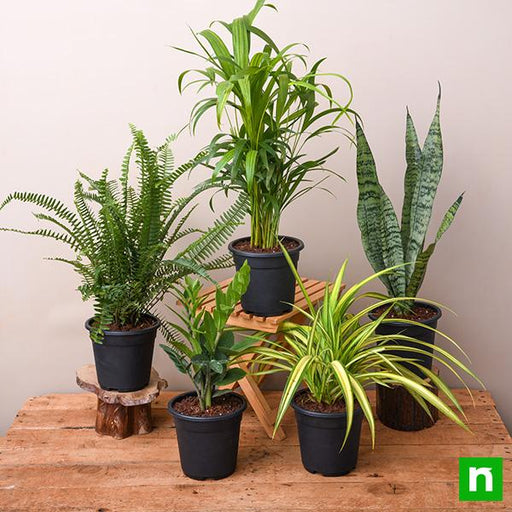
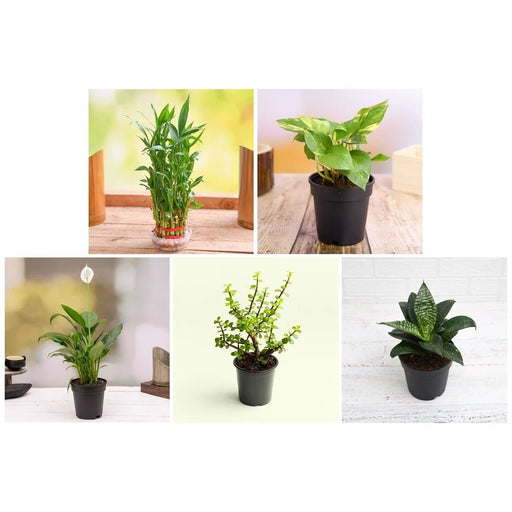
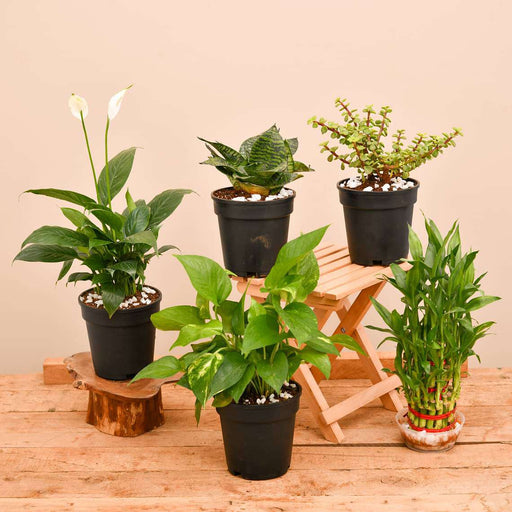
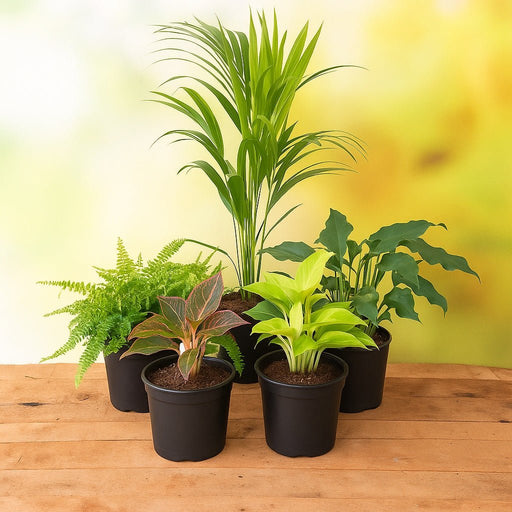
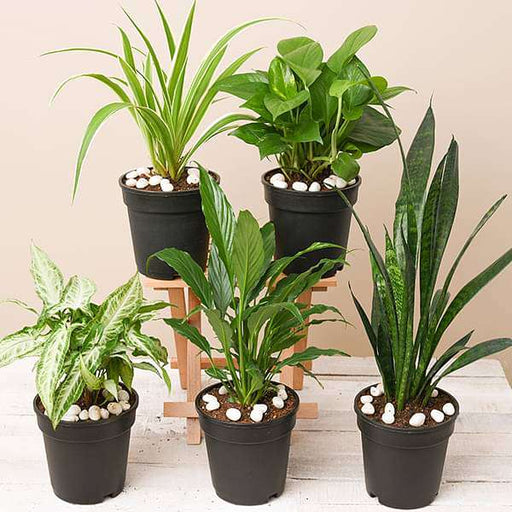
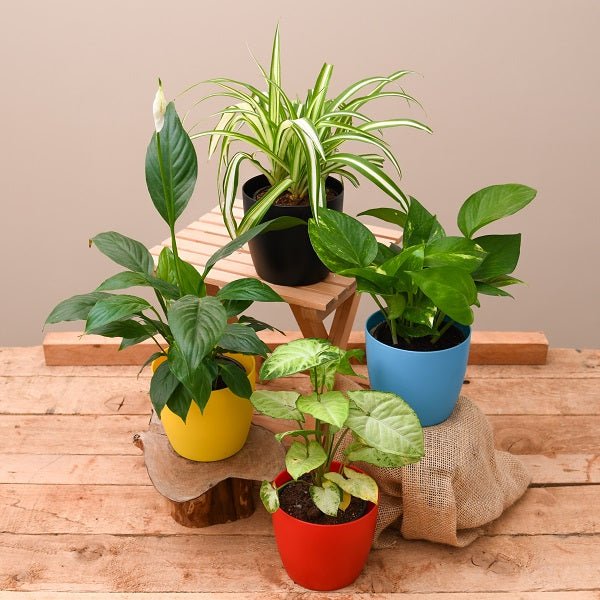
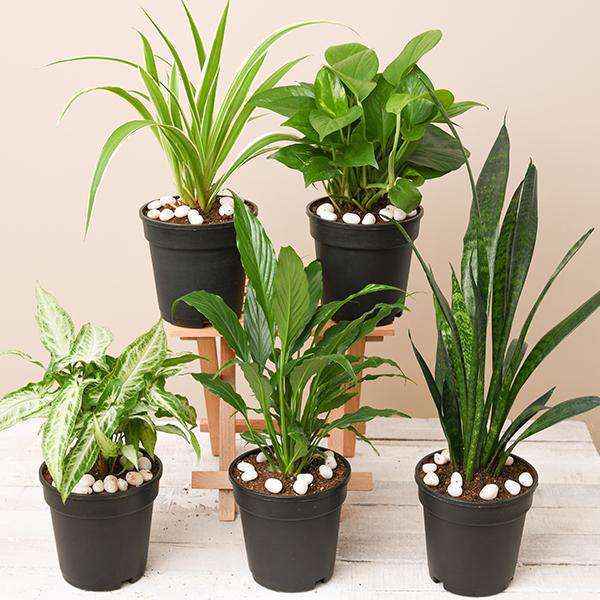
5 Best Indoor Plants Pack Transform your living space into a lush oasis with our '5 Best Indoor Plants Pack.' This carefully curated collection fe...
View full details
Save 25%
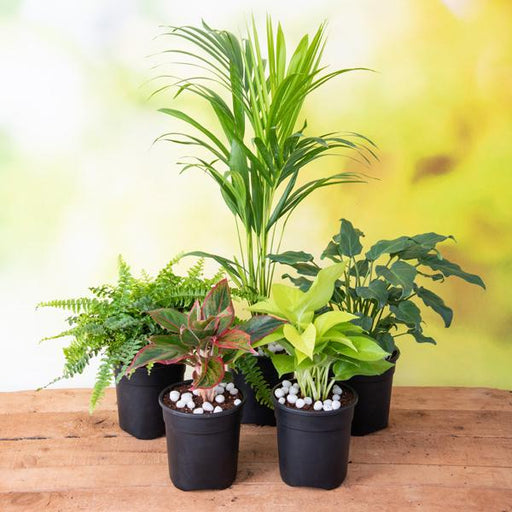
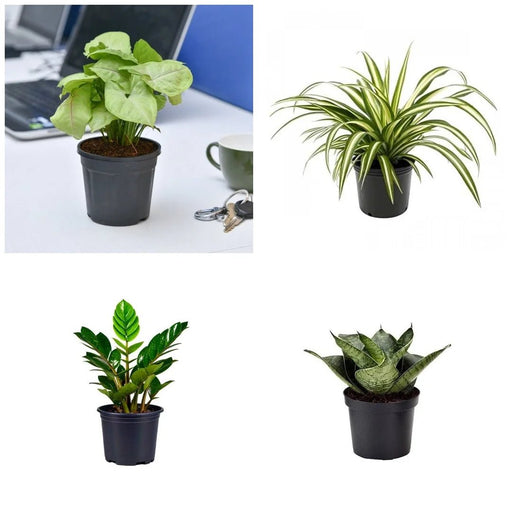
Set of 4 Evergreen Air Purifier Plant Pack Transform your indoor space into a lush, green oasis with our Set of 4 Evergreen Air Purifier Pla...
View full detailsTransform your living space with our exquisite collection of plants for hanging pots. These versatile plants not only add a touch of greenery to your home but also enhance your interior decor with their cascading beauty. Perfect for small spaces, hanging pots allow you to utilize vertical areas, creating a lush, vibrant atmosphere that breathes life into any room.
What makes our collection special is the variety of plants that thrive in hanging pots, from the elegant trailing vines of Pothos to the stunning blooms of the String of Hearts. Each plant is carefully selected for its unique aesthetic appeal and ease of care, making them ideal for both novice and experienced plant enthusiasts. Elevate your home decor while enjoying the numerous benefits of indoor plants.
Growing and caring for hanging plants is simple and rewarding. With the right conditions, these plants can flourish, providing you with a beautiful display and improved air quality. Explore our collection and discover the joy of nurturing these green companions that bring nature indoors.
Historically, hanging plants have been used in various cultures to beautify homes and public spaces. The ancient Greeks and Romans often adorned their homes with trailing plants, believing they brought good fortune and prosperity. Today, the trend of hanging plants continues to thrive, with modern designs incorporating innovative materials and styles that cater to contemporary aesthetics.
From an environmental perspective, hanging plants play a crucial role in improving indoor air quality. They absorb carbon dioxide and release oxygen, contributing to a healthier living environment. Additionally, many of these plants are low-maintenance, making them an eco-friendly choice for urban dwellers looking to reconnect with nature while minimizing their carbon footprint.
Trailing plants are perfect for hanging pots as they spill over the sides, creating a lush and cascading effect. Some popular trailing plants for hanging pots include ivy, trailing petunias, and trailing succulents.
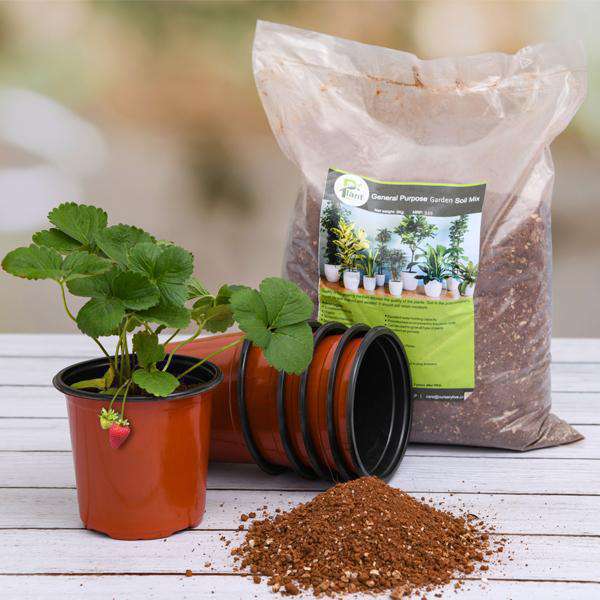
The soil you choose for your hanging pot can impact the health and growth of your plant. We recommend using a well-draining soil mix that includes peat moss, vermiculite, and perlite. This will help prevent water from sitting in the pot and potentially causing root rot.
If you have a small hanging pot, consider choosing smaller plants that won't overwhelm the pot. Some great options include air plants, small ferns, and mini succulents.
Hanging pots are a great way to add greenery to your indoor space. Choose plants that thrive in low to medium light conditions, such as spider plants, pothos, and philodendrons.
When choosing a location for your hanging pot, consider the amount of sunlight the plant requires. Most plants for hanging pots thrive in bright, indirect light. You should also choose a location where the pot can easily be watered and maintained.
Hanging pots can be a bit trickier to water than traditional pots. We recommend using a watering can with a long spout to reach the soil at the bottom of the pot. Additionally, be sure to allow the soil to dry out slightly between watering to prevent overwatering.
Hanging pots are a great way to grow herbs in a small space. Choose herbs like basil, thyme, and parsley that are compact and have shallow root systems.
Hanging pots are a great way to add color and texture to outdoor spaces like balconies and patios. Choose plants that are hardy and can tolerate outdoor conditions, such as fuchsias, impatiens, and begonias.
You don't have to spend a lot of money on hanging pots. With a little creativity, you can make your own hanging pots using materials like macrame, terracotta pots, and repurposed items like old mugs or teacups.
Why not grow your own food in a hanging pot? Choose plants like cherry tomatoes, strawberries, and hot peppers that are small enough to grow in a hanging pot.
Succulents are a great choice for hanging pots as they require little water and can thrive in small spaces. Choose a variety of different shapes and sizes to create a visually interesting display.
When choosing a hanging pot, be sure to select one that is the right size for your plant. The pot should be big enough to accommodate the plant's roots, but not so big that the plant is overwhelmed.
If you don't have a lot of time to care for your plants, choose low-maintenance options like spider plants, snake plants, or pothos.
Air plants are unique plants that require no soil and can be hung in a variety of ways. Consider displaying them in a hanging terrarium or hanging them from a piece of driftwood.
Hanging pots can also be used to create a vertical garden. Hang them in a grid pattern on a wall or fence and plant a variety of different plants for a visually stunning display.
If you're looking for some ideas on what plants to put in your hanging pots, this is the sub-keyword for you. From pothos to spider plants, there are plenty of options to choose from. We've got you covered with our list of the best indoor plants for hanging pots.
Just because you have a small space doesn't mean you can't have plants! Hanging pots are a great solution for adding greenery to small apartments or balconies. We'll give you tips on which hanging pots work best for small spaces and which plants thrive in them.
Want to get creative and make your own hanging pots? This sub-keyword is for you! We'll provide you with step-by-step instructions and ideas for DIY hanging pots that will add a personal touch to your indoor or outdoor space.
Mixing and matching different plants in your hanging pots can create a beautiful and unique display. We'll give you some inspiration and tips on the best hanging pot arrangements to make your space stand out.
From hooks to chains, there are a variety of accessories you can use to enhance the look of your hanging pots. This sub-keyword will provide you with ideas and recommendations for hanging pot accessories that will take your plant display to the next level.
The best plants for hanging pots are those that have trailing or cascading growth habits, such as ivy, spider plants, and pothos. These plants look great when their foliage spills over the edges of the pot, creating a beautiful hanging display.
Yes, succulents can be grown in hanging pots. However, it's important to choose a hanging pot that has drainage holes to prevent overwatering. It's also important to choose the right type of soil and provide them with adequate sunlight.
Hanging pots made of durable materials such as plastic, fiberglass, or metal work best for outdoor use as they can withstand harsh weather conditions.
The frequency of watering hanging pots depends on the type of plant and the environment it's in. It's important to check the soil moisture level regularly and water the plant only when the soil is dry to the touch.
The best way to hang a plant in a hanging pot is to use a sturdy hook or bracket that can support the weight of the pot and the plant. It's also important to ensure that the hook or bracket is securely attached to the ceiling or wall.
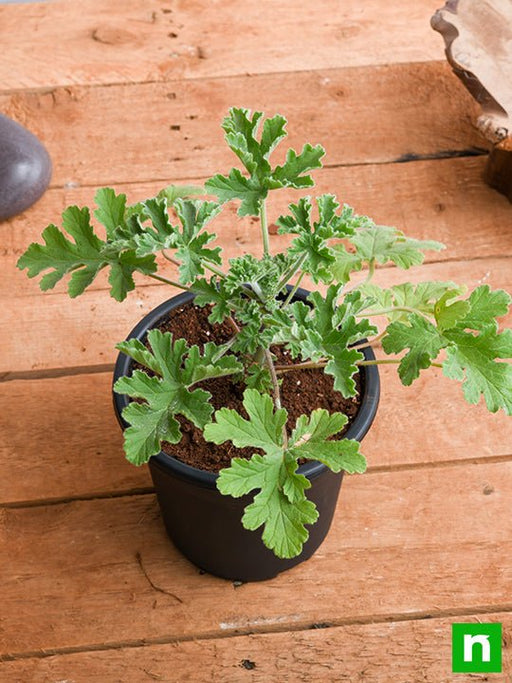
Yes, herbs can be grown in hanging pots. Hanging herb gardens are a great way to save space and add fresh herbs to your cooking.
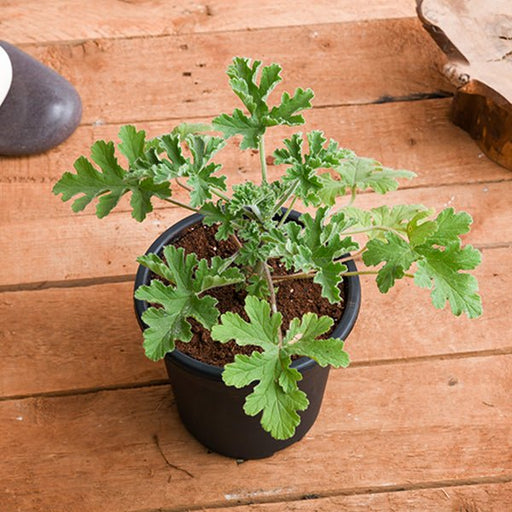
Lightweight soil mixes that drain well and retain moisture are best for hanging pots. These soil mixes are formulated to provide plants with the right amount of nutrients and water.
To prevent hanging pots from getting too heavy, choose lightweight pots made of materials such as plastic, fiberglass, or metal. It's also important to avoid overwatering the plants and to use a lightweight soil mix.
Yes, hanging pots can be used to grow vegetables such as cherry tomatoes, strawberries, and peppers. However, it's important to choose a pot that's large enough to accommodate the plant's root system and to provide it with adequate sunlight.
To prevent hanging pots from getting tangled, it's important to choose plants that have a more structured growth habit. It's also important to provide the plants with adequate support to prevent them from sagging and tangling with neighboring plants.
There are a variety of ways to decorate hanging pots, such as adding colorful ribbons, painting the pot with bright colors, or adding decorative stones or pebbles to the soil surface. You can also choose pots with unique designs or patterns.
The frequency of fertilizing plants in hanging pots depends on the type of plant and the type of fertilizer used. It's important to follow the instructions on the fertilizer packaging and not to over-fertilize, as this can harm the plants.
Yes, hanging pots can be used both indoors and outdoors. It's important to choose the right type of pot and plants for the environment they'll be in.
Some popular trailing plants for hanging pots include English Ivy, String of Pearls, Spider Plant, Pothos, Philodendron, and Trailing Jade.
It's best to use a well-draining soil mix for hanging plants. You can mix potting soil with perlite or vermiculite to ensure good drainage. Adding a layer of pebbles at the bottom of the pot can also help with drainage.
The frequency of watering depends on the type of plant and the environmental conditions. In general, hanging plants should be watered when the top inch of soil feels dry. Overwatering can lead to root rot, so it's important not to let the soil become too saturated.
This also depends on the type of plant, but most hanging plants prefer bright, indirect sunlight. Some plants can tolerate more shade than others, so it's important to choose the right plant for the amount of light in your space.
Yes, many hanging plants can be grown indoors. They can add a touch of greenery to any room and are a great way to make use of vertical space.
Leggy plants are often a sign of inadequate sunlight. To prevent this, make sure your hanging plants are getting enough bright, indirect sunlight. Pruning can also help encourage bushier growth and prevent legginess.
Yes, hanging plants can benefit from fertilization. Use a balanced fertilizer and follow the instructions on the package for best results. However, be careful not to over-fertilize, as this can damage the plant.