Not recd as per Picture on Website
Available 24/7
Available 24/7
Save up to 15%
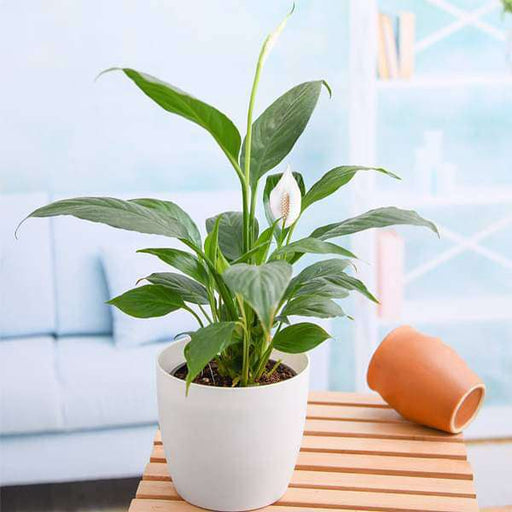
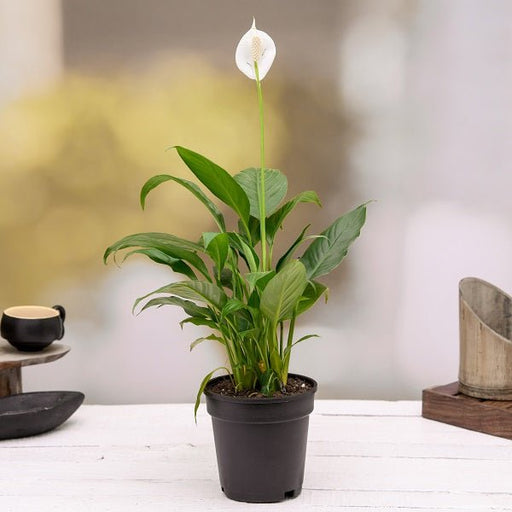
Peace Lily, Spathiphyllum - Plant The Peace Lily, scientifically known as Spathiphyllum, is a stunning houseplant celebrated for its elegant white...
View full details
Save 18%
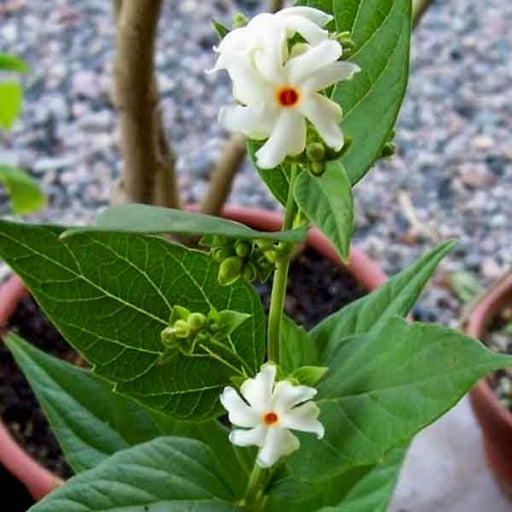
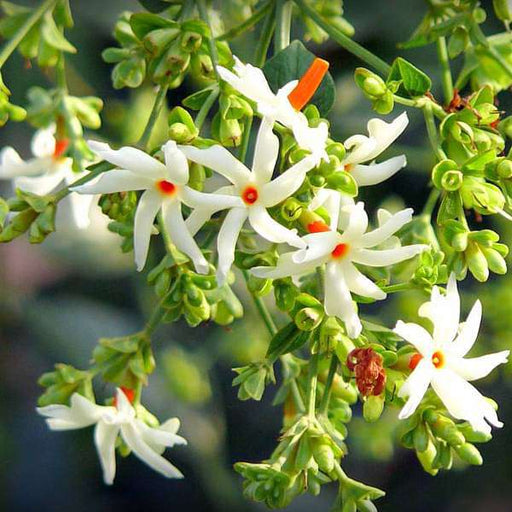
Combo Constituents Includes the Parijat Tree (Night-Flowering Jasmine), a culturally significant plant with fragrant flowers. Description The Pari...
View full details
Save 25%
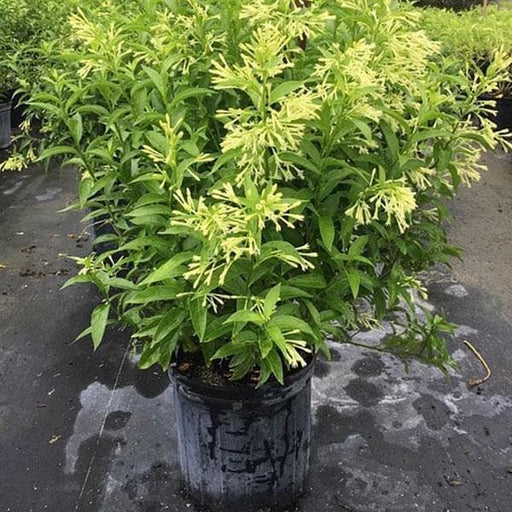
Description Raat Ki Rani (*Cestrum nocturnum*), also known as Night Blooming Jasmine, is a fragrant shrub native to the Caribbean and Central Ameri...
View full details
Save 25%
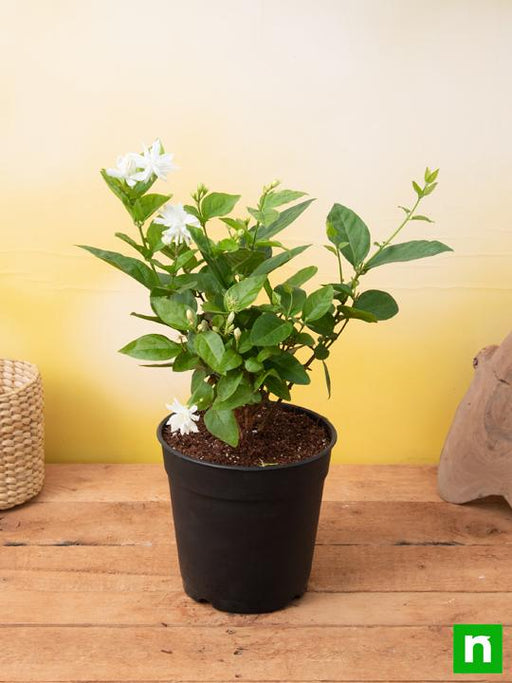
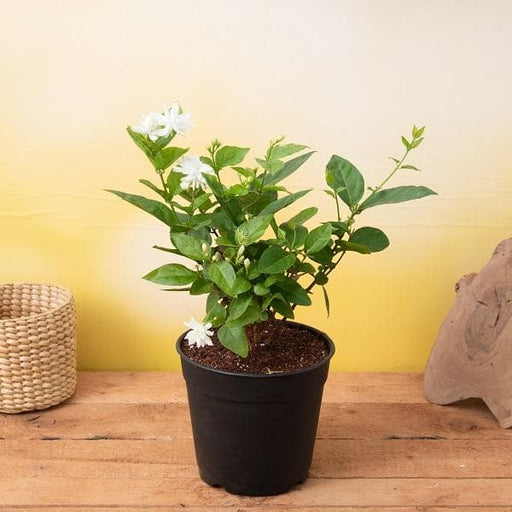
Jasminum sambac, Mogra, Arabian Jasmine - Plant Jasminum sambac, commonly known as Mogra or Arabian Jasmine, is a fragrant flowering plant...
View full details
Save 17%
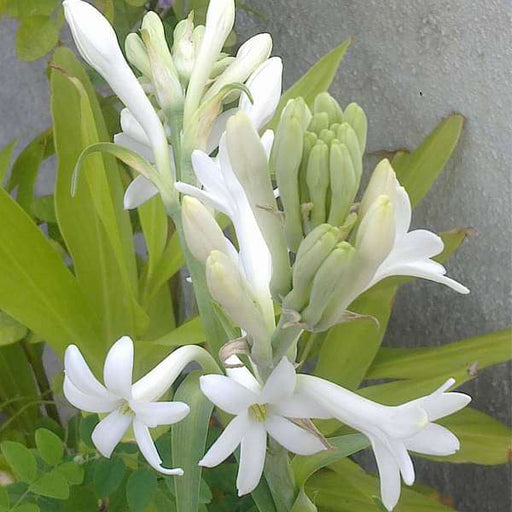
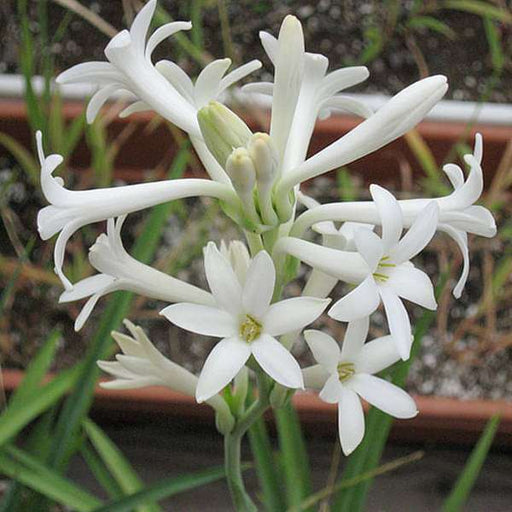
Rajnigandha, Tuberose - Plant The Rajnigandha, scientifically known as Polianthes tuberosa, is a captivating perennial plant renowned for ...
View full details
Sold out
Citronella, Odomas - Plant The Citronella plant, scientifically known as Cymbopogon nardus, is a tropical grass renowned for its aromatic ...
View full details
Save 25%
Damascus Rose, Scented Rose (Any Color) - Plant The Damascus Rose, also known as Rosa damascena, is a timeless symbol of beauty and romanc...
View full details
Save 35%
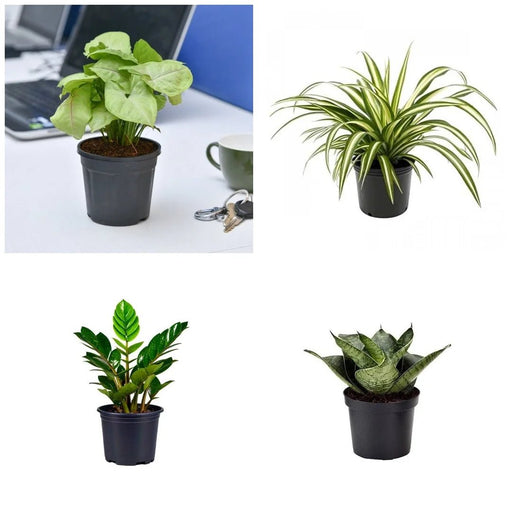
Best 6 Plants for Perfect Indoor Garden Transform your living space into a lush oasis with our curated collection of the Best 6 Plants for a...
View full details
Save up to 50%
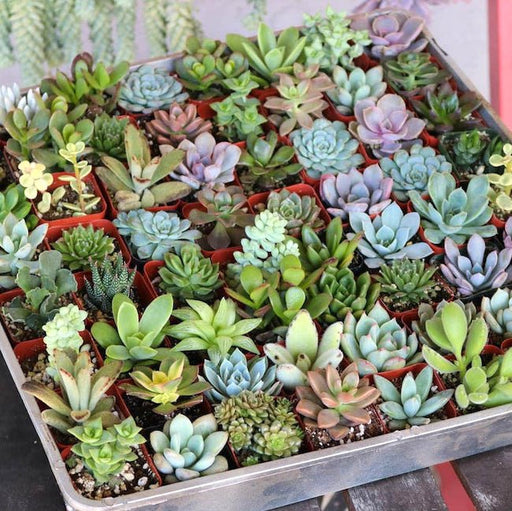
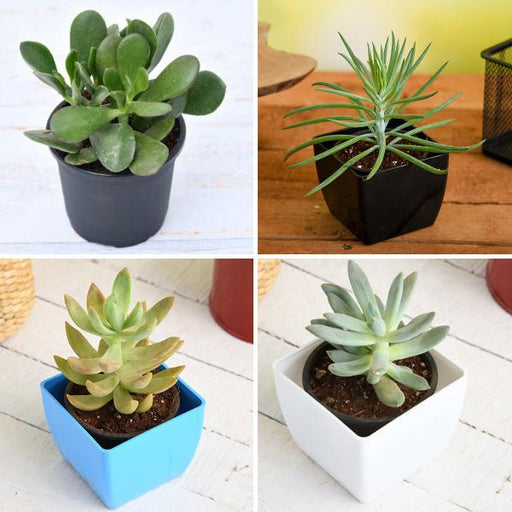
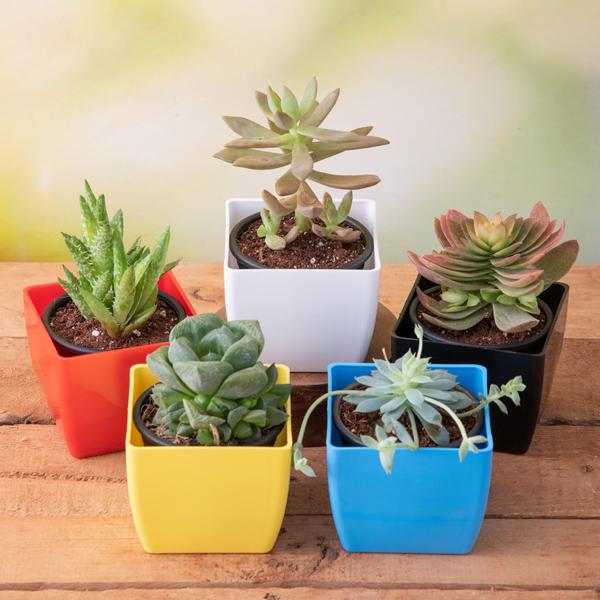
Mini Succulent Garden Pack Transform your space with our Mini Succulent Garden Pack, featuring a delightful collection of 4 any variety beautiful s...
View full details
Save 30%
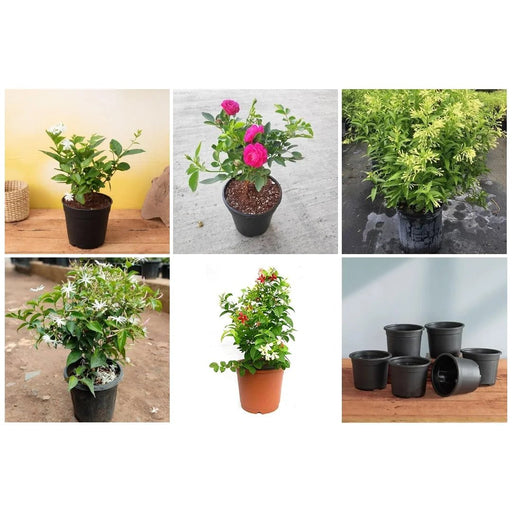
5 Best Fragrant Plants Transform your garden or indoor space into a fragrant paradise with our curated selection of the 5 Best Fragrant Plants. Th...
View full details
Save 24%
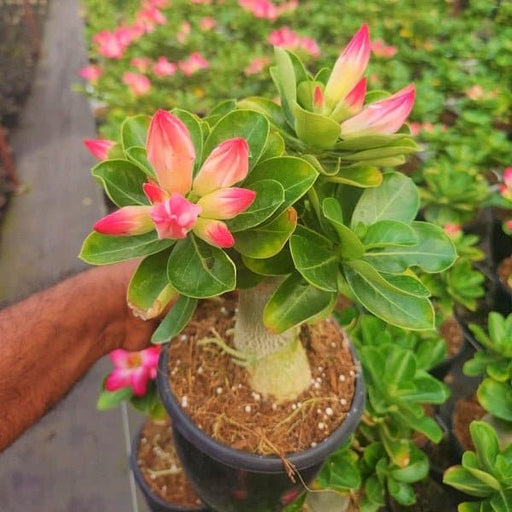
Set of 2 Bonsai Looking Grafted Adeniums Transform your indoor or outdoor space with our exquisite Set of 2 Bonsai Looking Grafted Adenium...
View full details
Save 45%
Top 4 Die Hard Succulents Pack Transform your indoor or outdoor space with our Top 4 Die Hard Succulents Pack, featuring a curated selecti...
View full details
Save 30%
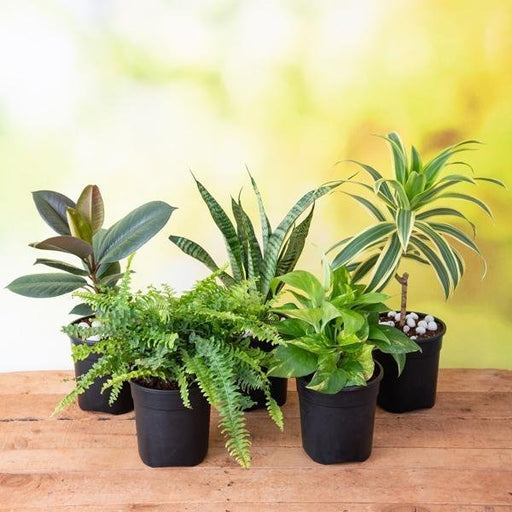
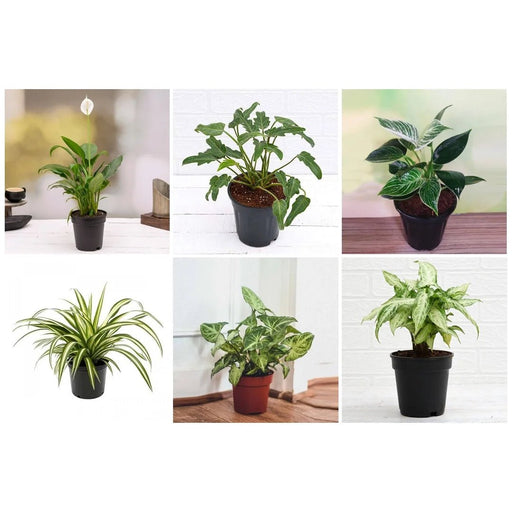
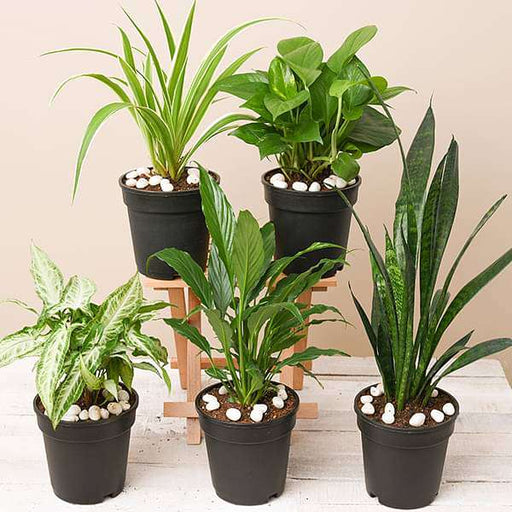
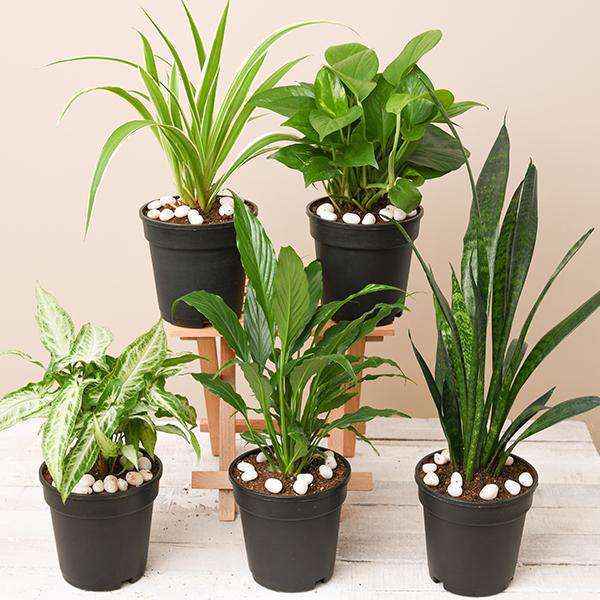
5 Best Indoor Plants Pack Transform your living space into a lush oasis with our '5 Best Indoor Plants Pack.' This carefully curated collection fe...
View full details
Save 25%
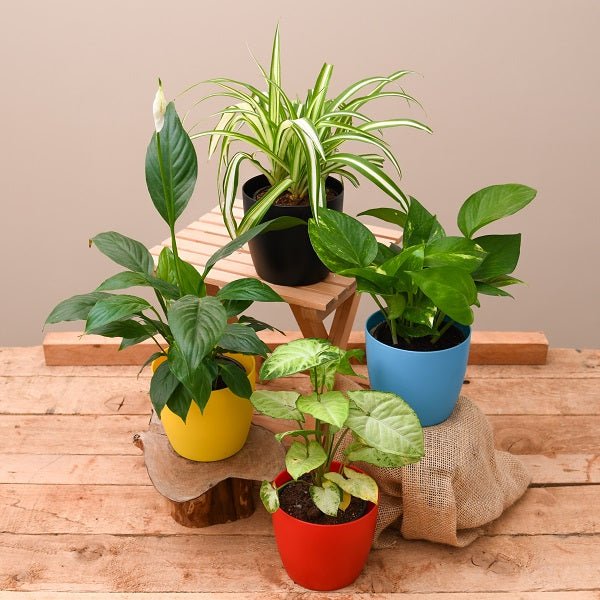
Set of 4 Evergreen Air Purifier Plant Pack Transform your indoor space into a lush, green oasis with our Set of 4 Evergreen Air Purifier Pla...
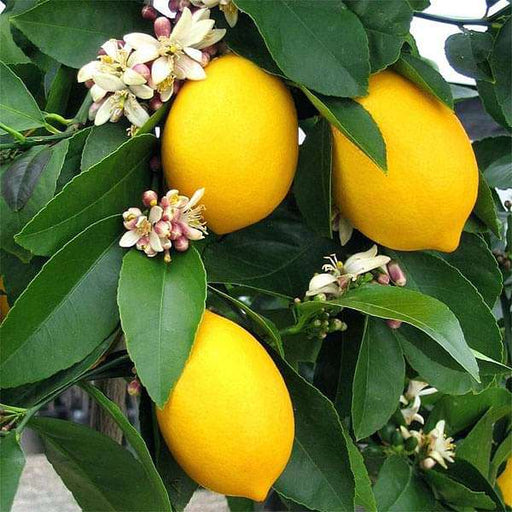
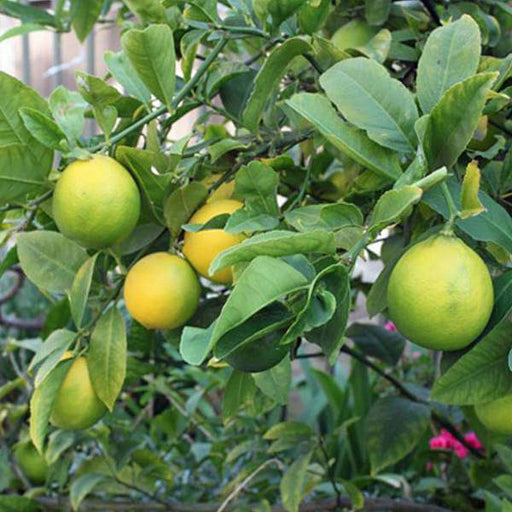
View full detailsWelcome to our exquisite Lemon Trees collection, where vibrant greenery meets the zesty aroma of fresh lemons. These delightful trees not only enhance your garden's aesthetic but also provide a bountiful harvest of juicy lemons. Perfect for both novice and experienced gardeners, our selection includes various lemon tree varieties, each offering unique flavors and growth habits. Transform your outdoor space into a citrus paradise with these stunning plants!
What makes our Lemon Trees special is their ability to thrive in diverse environments, from small patios to expansive gardens. With their glossy leaves and fragrant blossoms, they are a feast for the senses. Additionally, lemon trees are known for their resilience and adaptability, making them an excellent choice for sustainable gardening. Enjoy the satisfaction of growing your own lemons while contributing to a greener planet!
Growing lemon trees is a rewarding experience that brings joy and flavor to your home. They require full sun, well-drained soil, and regular watering to flourish. With proper care, these trees can produce fruit for many years, providing a continuous supply of fresh lemons for culinary delights, beverages, and natural remedies. Explore our collection and discover the perfect lemon tree for your garden!
Lemon trees belong to the Rutaceae family and are scientifically known as Citrus limon. They thrive in USDA hardiness zones 9-11, making them suitable for warm climates. The trees can grow up to 20 feet tall, but dwarf varieties are available for smaller spaces. Rich in vitamin C, lemons are not only delicious but also provide numerous health benefits, including boosting the immune system and aiding digestion.
Historically, lemons were prized for their medicinal properties and were used by ancient civilizations, including the Egyptians and Romans. They were introduced to Europe in the 1st century AD and became a symbol of wealth and luxury. During the Age of Exploration, lemons were essential for preventing scurvy among sailors, leading to their widespread cultivation in tropical and subtropical regions around the world.
Lemon trees play a vital role in promoting biodiversity and supporting local ecosystems. They provide habitat and food for various pollinators, including bees and butterflies. Additionally, growing lemon trees contributes to carbon sequestration, helping to mitigate climate change. By choosing to cultivate lemon trees, you are not only enhancing your garden but also making a positive impact on the environment.
Taking care of a lemon tree involves a variety of tasks, from pruning to watering to fertilizing. Understanding the best practices for lemon tree care can help you ensure your tree stays healthy and productive.
Pruning is an important aspect of lemon tree care, as it helps to shape the tree and promote healthy growth. Understanding the best times and methods for pruning a lemon tree can help you keep your tree in top condition.
Lemon trees can be susceptible to a variety of pests, including aphids, scale, and spider mites. Understanding how to identify and treat these pests can help you keep your tree healthy and productive.
Lemon trees can also be vulnerable to diseases such as citrus greening and citrus canker. Understanding how to identify and prevent these diseases can help you protect your lemon tree and ensure its longevity.
Propagating lemon trees is a great way to create new trees from existing ones. Understanding the best methods for lemon tree propagation can help you expand your citrus orchard and enjoy fresh lemons for years to come.
Dwarf lemon trees are a popular option for small gardens or containers. Understanding the unique care requirements for dwarf lemon trees can help you grow a healthy and productive tree in a limited space.
There are many different varieties of lemon trees available, each with its own unique flavor and characteristics. Understanding the different lemon tree varieties can help you choose the perfect tree for your garden or orchard.
Pruning a lemon tree requires the right tools, including pruning shears, loppers, and saws. Understanding the best tools for pruning a lemon tree can help you get the job done safely and effectively.
The soil in which a lemon tree is planted can have a big impact on its growth and health. Understanding the best soil for lemon trees can help you ensure your tree gets the nutrients it needs to thrive.
Fertilizing a lemon tree is an important part of its care regimen. Understanding the best fertilizers for lemon trees can help you provide the right nutrients to promote healthy growth and fruit production.
Watering a lemon tree is a delicate balance between providing enough moisture for healthy growth and avoiding overwatering, which can lead to root rot. Understanding the best watering practices for lemon trees can help you keep your tree healthy and productive.
Knowing when and how to harvest lemons is an important part of growing lemon trees. Understanding the best harvesting techniques can help you ensure your lemons are ripe, juicy, and delicious.
Planting companion plants around your lemon tree can help promote its health and productivity while also providing additional benefits such as pest control or soil improvement. Understanding the best companion plants for lemon trees can help you create a thriving garden ecosystem.
Lemon trees have specific climate requirements, including warm temperatures and plenty of sunlight. Understanding the best climate conditions for lemon trees can help you choose the right location for planting and ensure your tree thrives.
There are several different techniques for propagating lemon trees, including air layering and grafting. Understanding the different propagation techniques can help you choose the best method for your specific needs.
Choosing the right rootstock is an important part of propagating lemon trees. Understanding the different rootstock options can help you choose the best one for your specific climate and soil conditions.
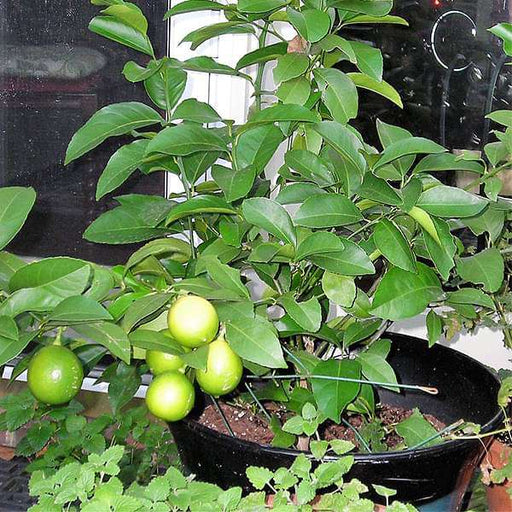
Growing lemon trees in containers is a popular option for those with limited garden space. Understanding the unique care requirements for lemon trees grown in containers can help you successfully grow and harvest your own lemons.
Lemon trees can be sensitive to cold temperatures, and may require special care during the winter months. Understanding the best practices for winterizing your lemon tree can help you protect it from frost damage and ensure its health and productivity.
Growing lemon trees from seed can be a fun and rewarding project, but it requires patience and attention to detail. Understanding the best practices for lemon tree propagation from seed can help you successfully grow your own lemon tree from scratch.
Proper spacing is important when planting lemon trees, as it can affect their growth and productivity. Understanding the recommended spacing for lemon trees can help you plan your garden or orchard and ensure your trees have enough room to thrive.
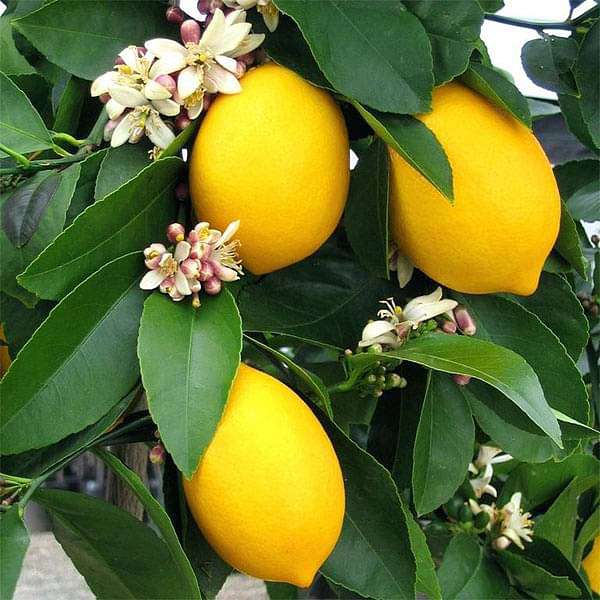
A lemon tree is a small to medium-sized tree that produces lemons, a popular citrus fruit.
Growing a lemon tree can provide you with fresh, juicy lemons for use in cooking, cleaning, and personal care.
The best time to plant a lemon tree in India is in the late winter or early spring.
Lemon trees prefer well-draining soil that is rich in organic matter.
Water your lemon tree deeply once or twice a week, or whenever the soil feels dry to the touch.
Yes, lemon trees can be grown in containers as long as the container has adequate drainage.
Use a balanced fertilizer with equal amounts of nitrogen, phosphorus, and potassium for your lemon tree.
Lemon trees can grow anywhere from 10 to 20 feet tall, depending on the variety and growing conditions.
Lemon trees prefer to be grown outdoors in full sunlight, but can be grown indoors in a bright location.
Lemon trees can last for several years, but may require periodic pruning to maintain their health and shape.
Common pests and diseases in lemon trees include aphids, spider mites, and citrus scale.
Yes, lemon trees have been traditionally used for their medicinal properties, including their ability to boost the immune system and aid digestion.
If the leaves of your lemon tree are turning yellow or the soil is constantly wet, it may be getting too much water.
If the leaves of your lemon tree are wilting or the soil is dry to the touch, it may be getting too little water.
Lemon trees can tolerate hot and dry conditions, but may require more frequent watering.
Lemon trees can be grown from stem cuttings, but it is easier to grow them from seeds or nursery-grown plants.
Prevent pests and diseases in your lemon tree by keeping the tree clean, avoiding overwatering, and using organic pest control methods.
Yes, lemon trees can be pruned to maintain their shape and promote healthy growth.
Lemon trees prefer full sunlight, but can tolerate partial shade.
Lemon trees can be propagated by seed, stem cuttings, or grafting.
Protect your lemon tree from frost by covering it with a frost cloth or blanket during cold weather.
Lemon trees prefer slightly acidic soil, but can tolerate slightly alkaline soil.
Harvest lemons from your lemon tree when they are fully ripe and yellow, and use them fresh or preserved in a variety of dishes.
Prune your lemon tree if it is overgrown, has dead or diseased branches, or is producing fewer lemons than usual.
Protect your lemon tree from pests and diseases by keeping it clean, avoiding overwatering, and using organic pest control methods.
In the winter, protect your lemon tree from frost and cold temperatures by covering it with a frost cloth or blanket.
Prevent premature fruit drop by providing your lemon tree with adequate water, fertilizer, and sunlight.
A healthy lemon tree should produce a significant amount of fruit each year. If your lemon tree is producing fewer lemons than usual, it may need additional care or pruning.
Yes, lemon trees can be grown as a hedge or privacy screen for their dense foliage and vibrant fruit.
To propagate your lemon tree from seeds, collect seeds from ripe lemons, remove the outer coating, and plant the seeds in well-draining soil. Keep the soil moist and provide the seedlings with plenty of sunlight until they are ready to be transplanted.