Not recd as per Picture on Website
Available 24/7
Available 24/7
Save up to 15%
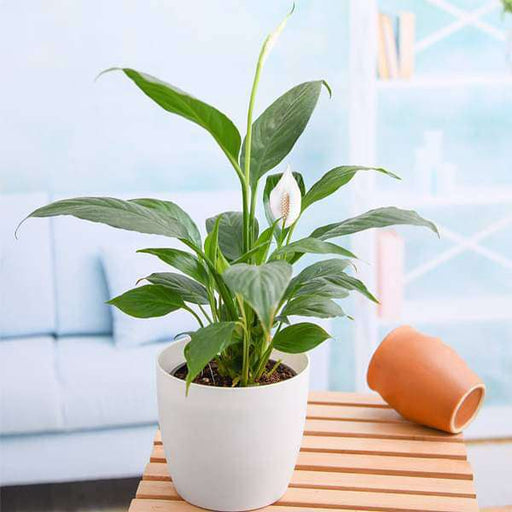
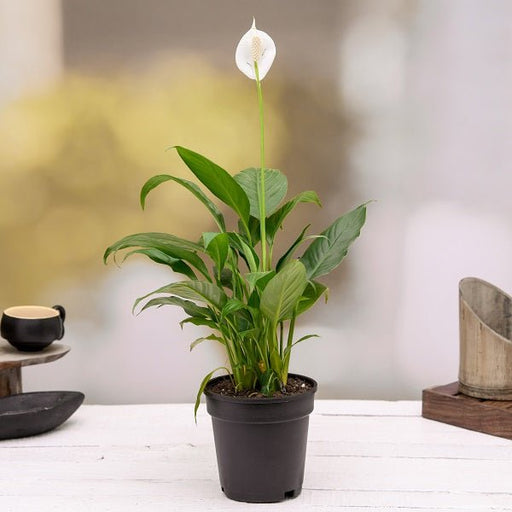
Peace Lily, Spathiphyllum - Plant The Peace Lily, scientifically known as Spathiphyllum, is a stunning houseplant celebrated for its elegant white...
View full details
Save 18%
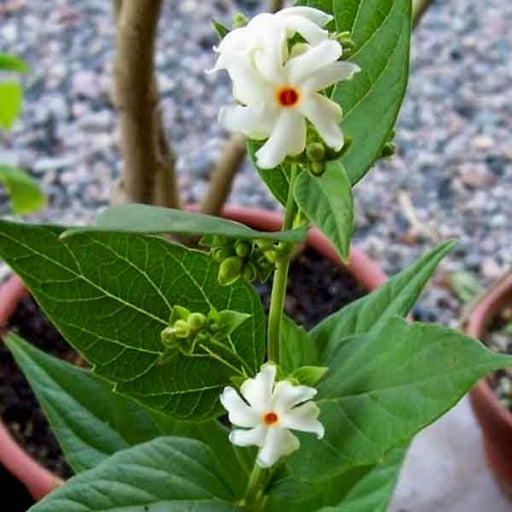
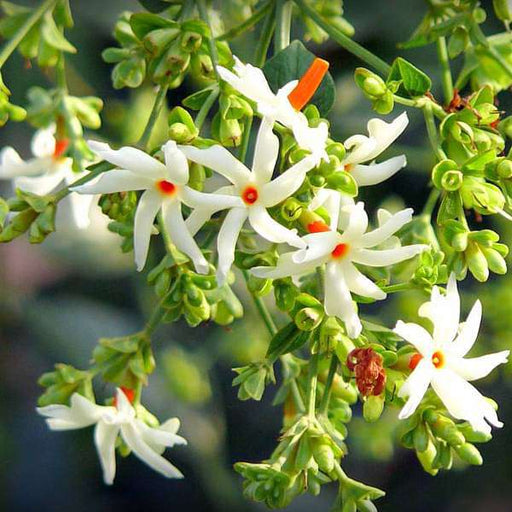
Combo Constituents Includes the Parijat Tree (Night-Flowering Jasmine), a culturally significant plant with fragrant flowers. Description The Pari...
View full details
Save 25%
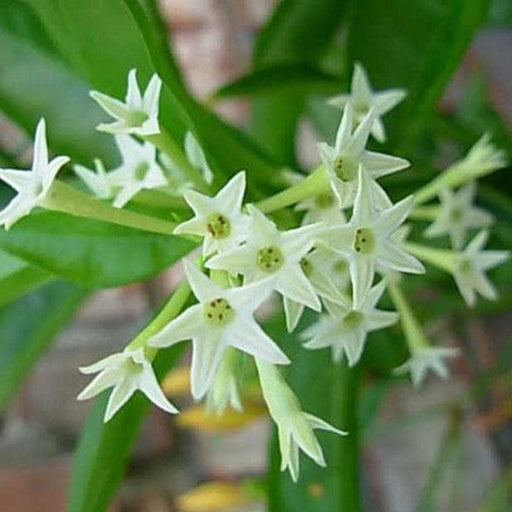
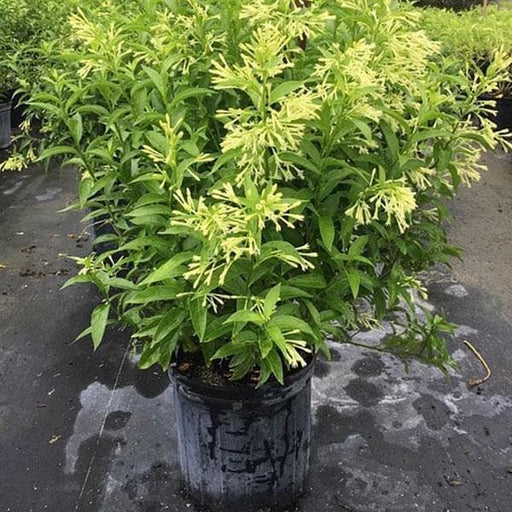
Description Raat Ki Rani (*Cestrum nocturnum*), also known as Night Blooming Jasmine, is a fragrant shrub native to the Caribbean and Central Ameri...
View full details
Save 25%
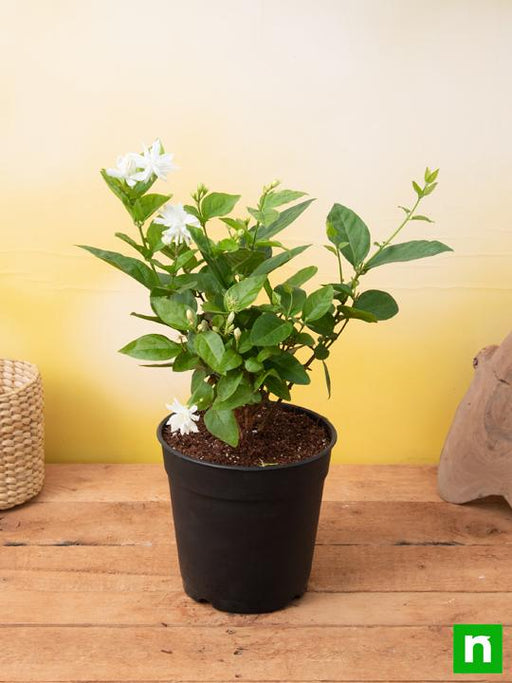
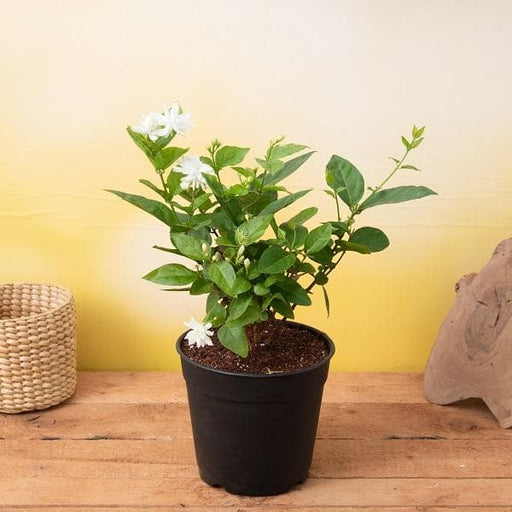
Jasminum sambac, Mogra, Arabian Jasmine - Plant Jasminum sambac, commonly known as Mogra or Arabian Jasmine, is a fragrant flowering plant...
View full details
Save 17%
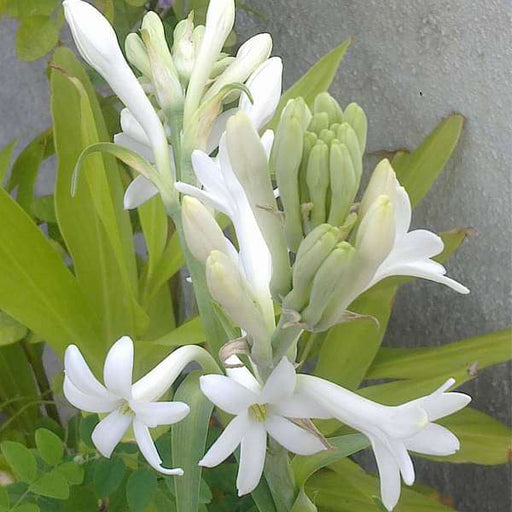
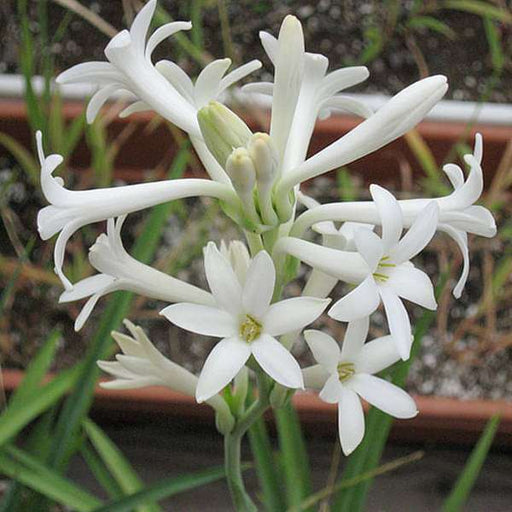
Rajnigandha, Tuberose - Plant The Rajnigandha, scientifically known as Polianthes tuberosa, is a captivating perennial plant renowned for ...
View full details
Sold out
Citronella, Odomas - Plant The Citronella plant, scientifically known as Cymbopogon nardus, is a tropical grass renowned for its aromatic ...
View full details
Save 25%
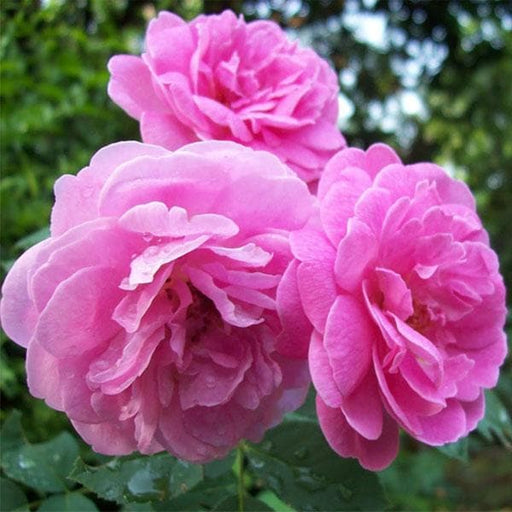
Damascus Rose, Scented Rose (Any Color) - Plant The Damascus Rose, also known as Rosa damascena, is a timeless symbol of beauty and romanc...
View full details
Save 35%
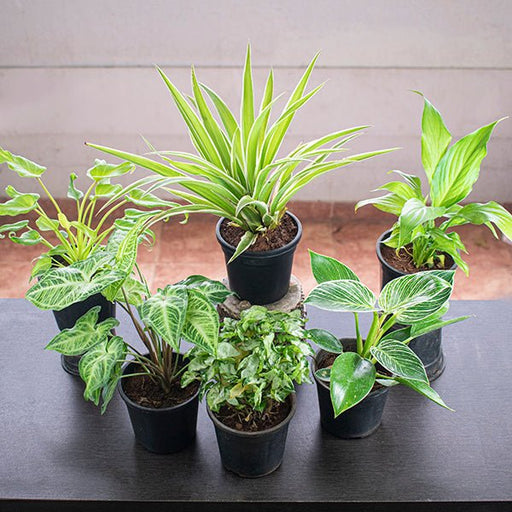
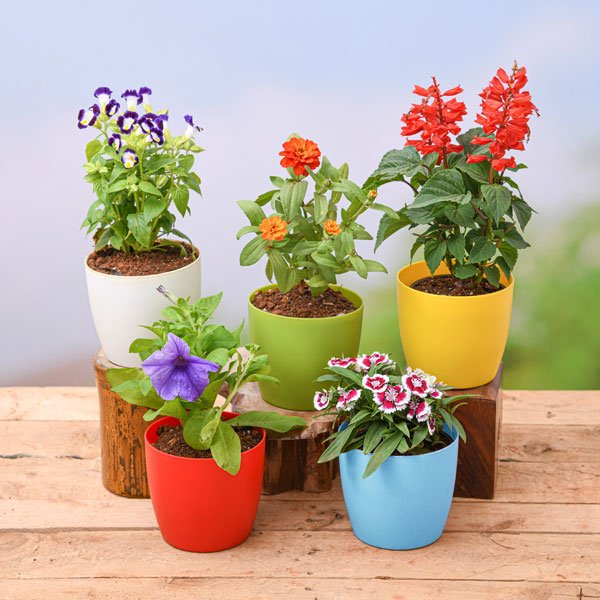
Best 6 Plants for Perfect Indoor Garden Transform your living space into a lush oasis with our curated collection of the Best 6 Plants for a...
View full details
Save up to 50%
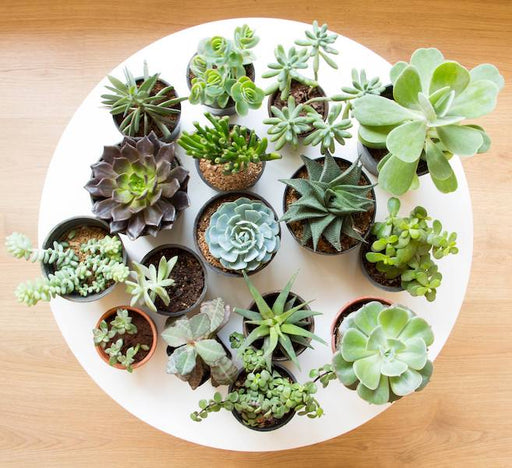
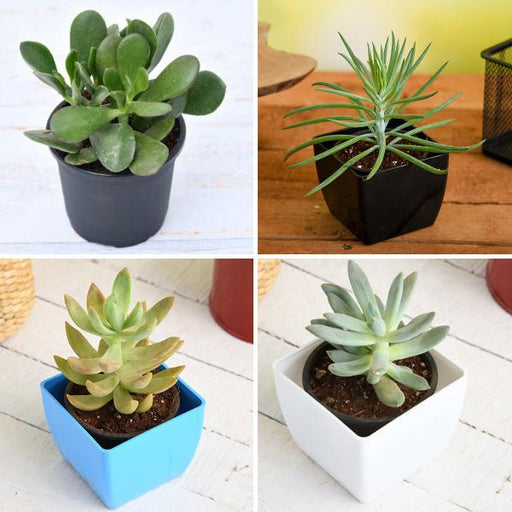
Mini Succulent Garden Pack Transform your space with our Mini Succulent Garden Pack, featuring a delightful collection of 4 any variety beautiful s...
View full details
Save 30%
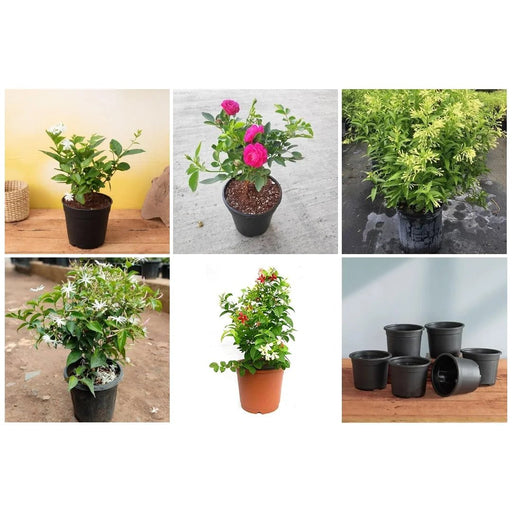
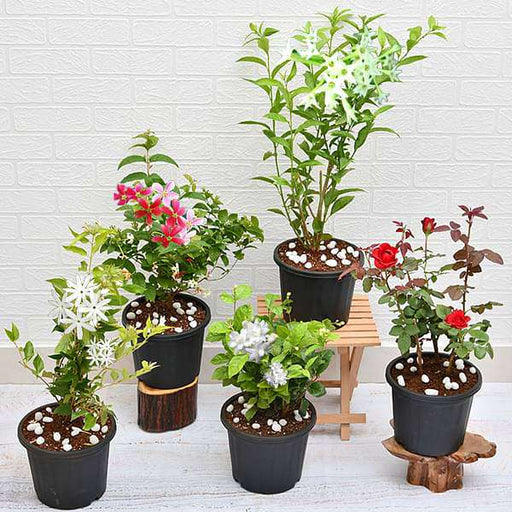
5 Best Fragrant Plants Transform your garden or indoor space into a fragrant paradise with our curated selection of the 5 Best Fragrant Plants. Th...
View full details
Save 24%
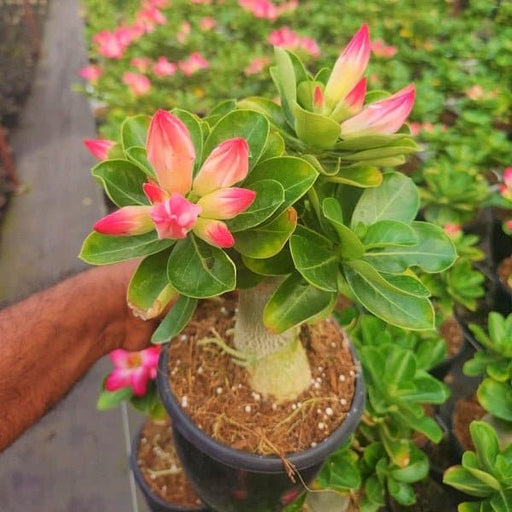
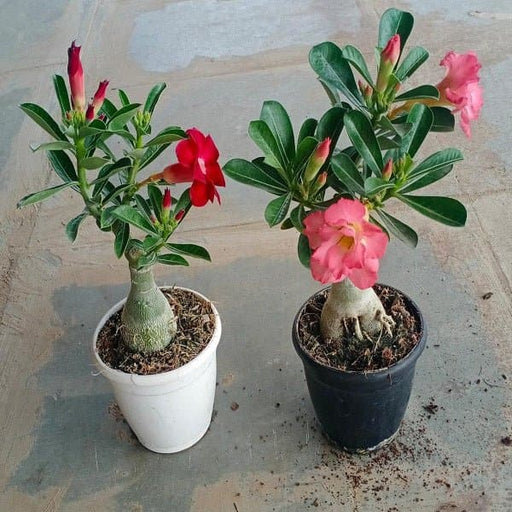
Set of 2 Bonsai Looking Grafted Adeniums Transform your indoor or outdoor space with our exquisite Set of 2 Bonsai Looking Grafted Adenium...
View full details
Save 45%
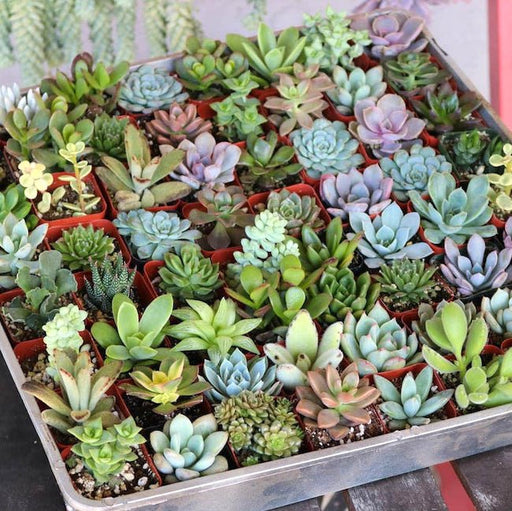
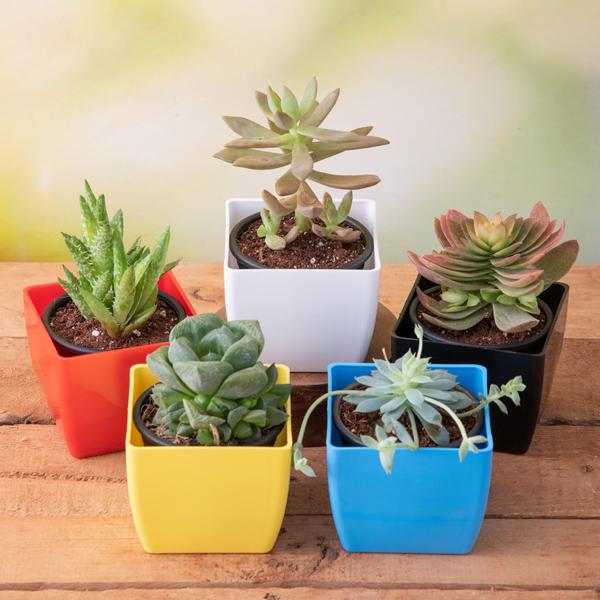
Top 4 Die Hard Succulents Pack Transform your indoor or outdoor space with our Top 4 Die Hard Succulents Pack, featuring a curated selecti...
View full details
Save 30%
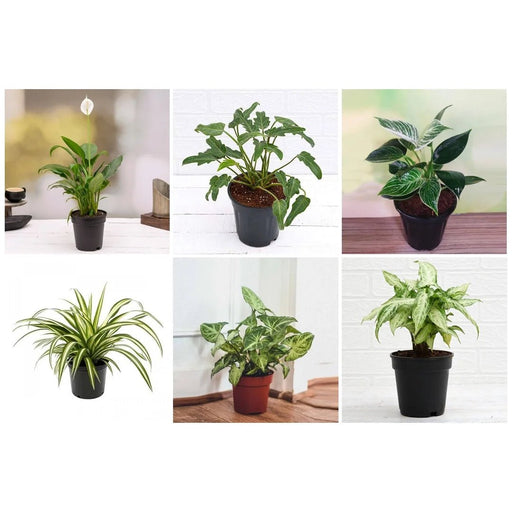
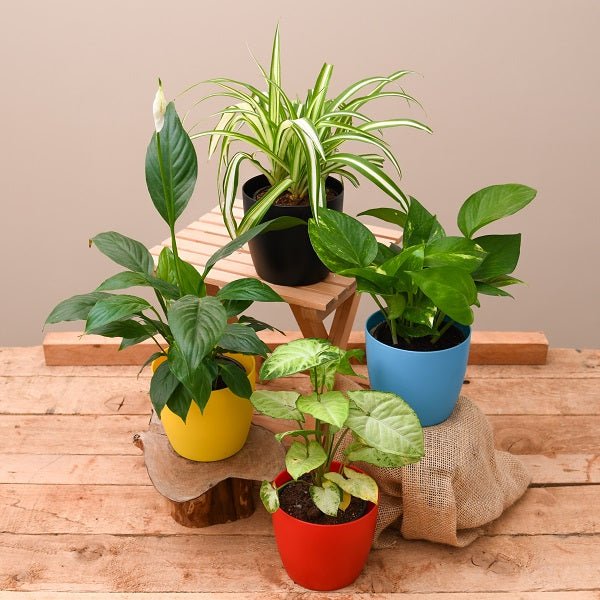
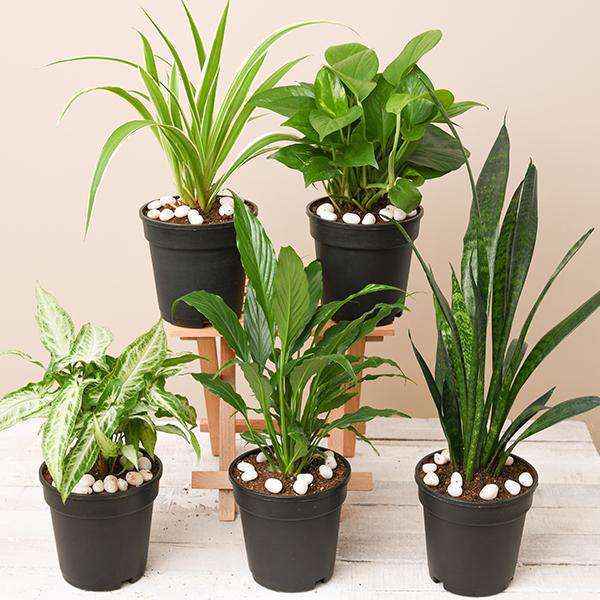
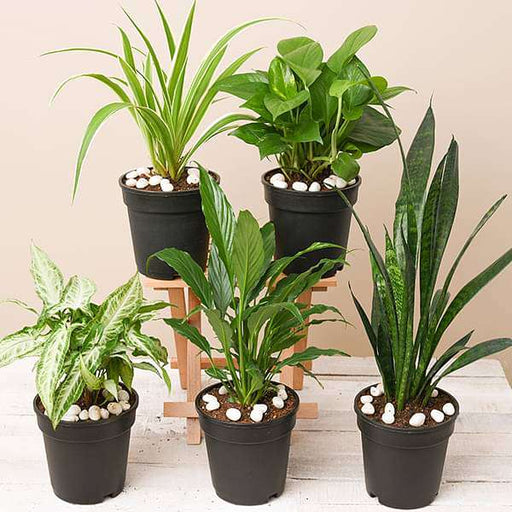
5 Best Indoor Plants Pack Transform your living space into a lush oasis with our '5 Best Indoor Plants Pack.' This carefully curated collection fe...
View full details
Save 25%
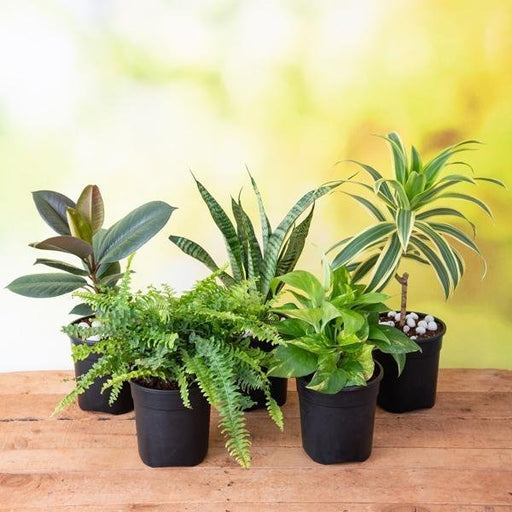
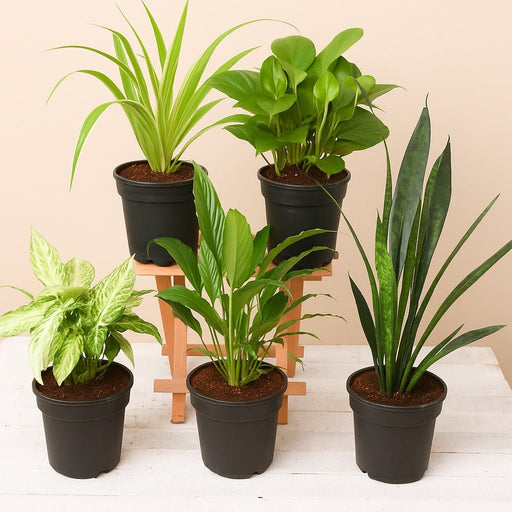
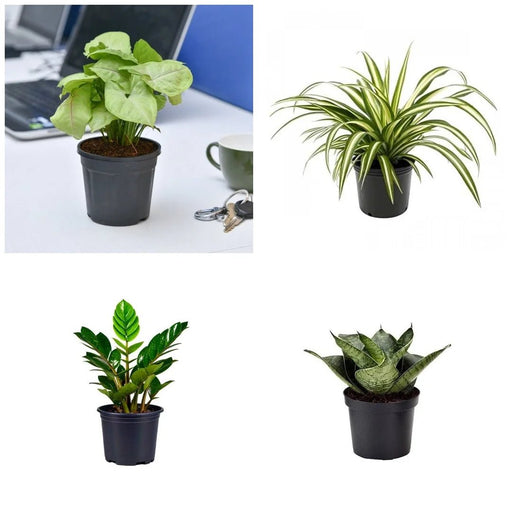
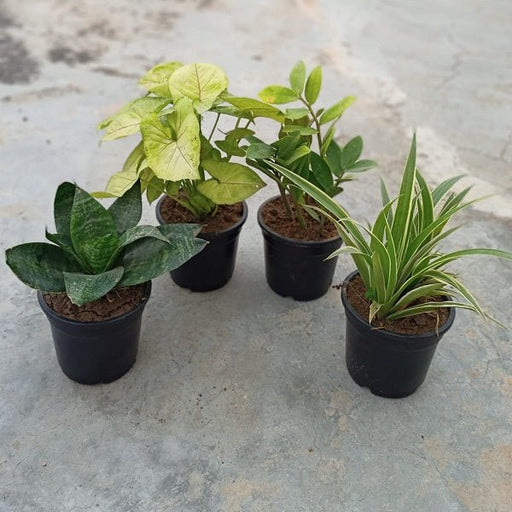
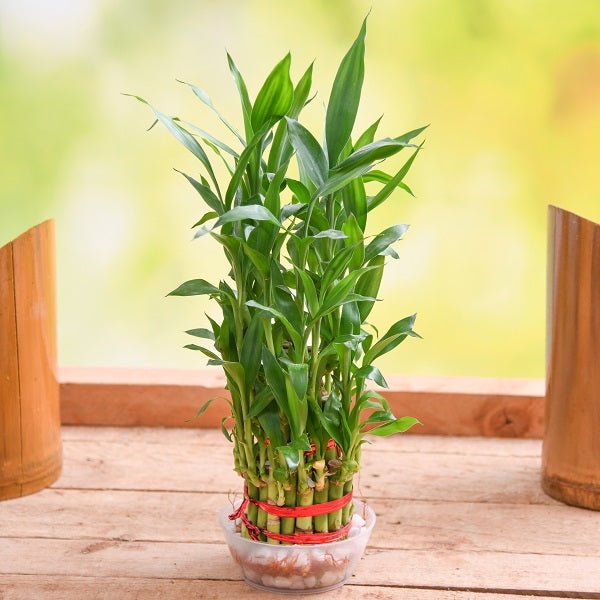
Set of 4 Evergreen Air Purifier Plant Pack Transform your indoor space into a lush, green oasis with our Set of 4 Evergreen Air Purifier Pla...
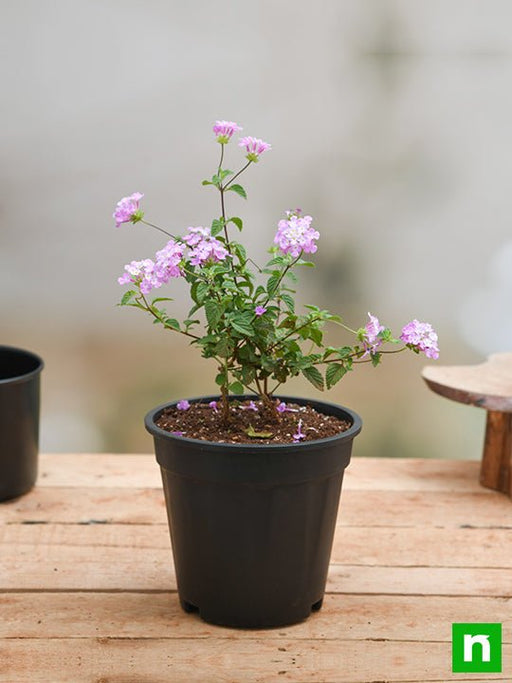
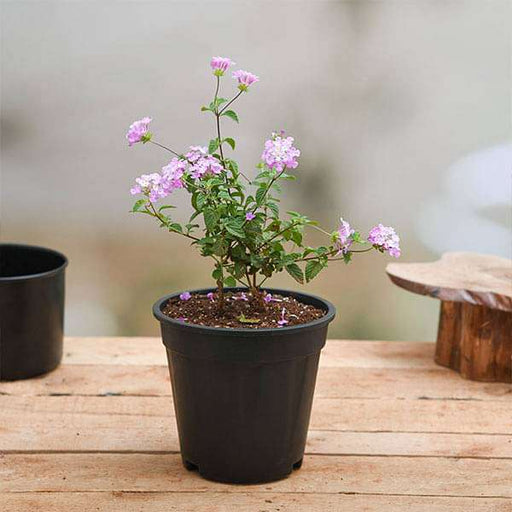
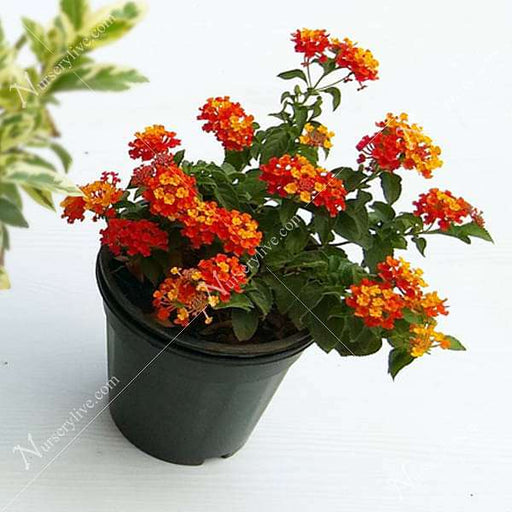
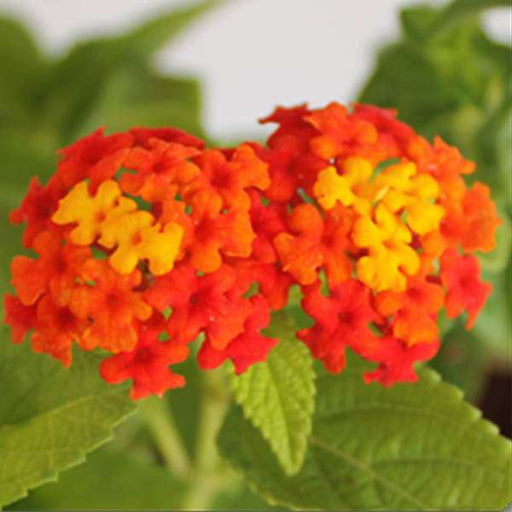
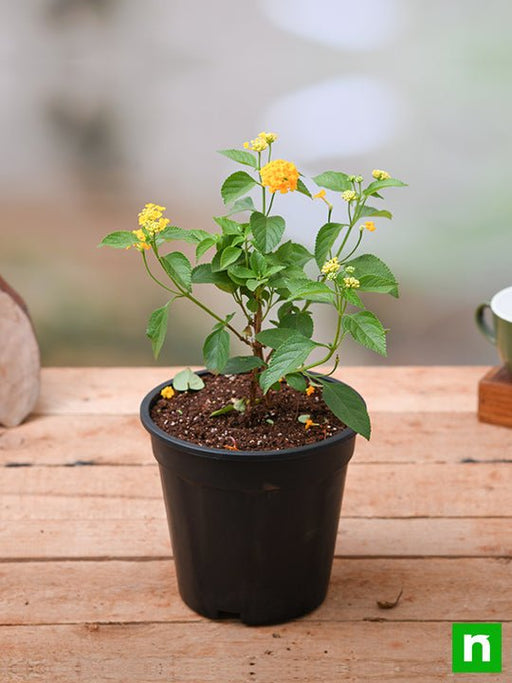
View full detailsDiscover the vibrant beauty of our Lantana Plants collection, featuring a stunning array of colors and varieties. Known for their resilience and adaptability, Lantanas are perfect for gardeners looking to add a splash of color to their landscapes. With their clusters of small, brightly colored flowers, these plants attract butterflies and hummingbirds, making them a favorite among pollinators.
What makes Lantana special is their ability to thrive in various conditions, from sunny gardens to coastal landscapes. These hardy plants are drought-tolerant once established, making them an excellent choice for low-maintenance gardens. Their long blooming season ensures that your garden remains lively and colorful from spring through fall.
Growing Lantana is easy and rewarding. They can be used in borders, containers, or as ground cover, providing versatility in your garden design. With their fragrant flowers and lush foliage, Lantanas not only enhance the aesthetic appeal of your outdoor space but also contribute to a healthy ecosystem by attracting beneficial insects.
Scientifically classified under the genus Lantana, these plants are known for their unique ability to thrive in diverse environments. They are often used in landscaping due to their hardiness and low maintenance requirements. Historically, Lantanas have been utilized in traditional medicine, with some cultures using their leaves and flowers for various remedies.
From an environmental perspective, Lantana plants play a crucial role in supporting local ecosystems. They provide nectar for pollinators and can help prevent soil erosion in areas prone to degradation. However, it's important to note that some species can become invasive in certain regions, so responsible planting and management are essential to maintain ecological balance.
There are several types of lantana plants, including the common lantana and the trailing lantana. Each type has its own unique characteristics and growing requirements.
Caring for lantana plants involves providing them with proper watering, fertilizing, and pruning to promote healthy growth and colorful blooms. It's important to follow the manufacturer's instructions and avoid over-fertilizing, which can damage the plants.
Growing lantana plants indoors can be a great way to enjoy their colorful blooms year-round. To do so, it's important to provide them with proper sunlight, temperature, and humidity levels.
Propagating lantana plants involves growing new plants from stem cuttings or seed. It's important to follow proper propagation techniques and provide the right growing conditions.
Deadheading lantana plants involves removing spent blooms to promote new growth and a longer blooming period. It's important to use the proper tools and techniques to avoid damaging the plant.
Pruning lantana plants involves removing dead or diseased branches and shaping the plant to promote healthy growth and colorful blooms. It's important to prune at the right time of year and to use the proper tools.
Fertilizing lantana plants involves providing them with the right balance of nutrients to promote healthy growth and colorful blooms. It's important to follow the manufacturer's instructions and avoid over-fertilizing, which can damage the plants.
Watering lantana plants involves providing them with regular, deep watering to promote healthy root growth. It's important to avoid over-watering, which can lead to root rot.
Planting lantana plants involves selecting the right location, preparing the soil, and placing the plants in the ground or in containers. It's important to provide the proper growing conditions to ensure healthy growth and colorful blooms.
Controlling pests and disease in lantana plants involves regular inspection, proper watering and fertilizing, and using organic pest control methods when necessary.
Choosing the right lantana plant for your garden involves considering the size of your space, the climate in your area, and your specific preferences for bloom color and shape.
Transplanting lantana plants involves carefully digging up the plant and its roots and replanting it in a new location with well-draining soil. It's important to follow proper transplanting techniques to avoid damaging the plant.
Pruning lantana plants for winter involves removing dead or diseased branches and shaping the plant to promote healthy growth during the winter months.
Dividing lantana plants involves separating the root ball into multiple plants, which can be replanted in different locations. It's important to follow proper division techniques and provide the right growing conditions.
Protecting lantana plants from cold weather involves providing them with proper watering and fertilizing, as well as covering them with blankets or other protective coverings during cold weather.
Choosing the right container for lantana plants involves selecting a container that is large enough to accommodate the root ball and providing proper drainage to avoid over-watering.
Growing lantana plants in hanging baskets involves selecting a hanging basket that is large enough to accommodate the plant and providing proper watering and fertilizing to promote healthy growth.
Lantana plants can add a pop of color and interest to indoor spaces. They can be used in decorative planters or as part of a larger floral arrangement.
Choosing the right soil for lantana plants involves selecting a well-draining soil that is rich in nutrients and provides the proper pH balance for healthy growth.
Choosing the right location for lantana plants involves selecting an area with proper sunlight, temperature, and humidity levels. It's important to consider the specific growing requirements of the plant to ensure healthy growth and colorful blooms.
Lantana plants are flowering shrubs that belong to the Verbenaceae family. They require well-draining soil, regular watering, and plenty of sunlight to thrive.
Lantana plants prefer well-draining soil that is rich in organic matter. A mix of sand, perlite, and peat moss is ideal.
Lantana plants require regular watering, but it's important not to overwater them. Wait until the soil is dry to the touch before watering, and be sure to water at the base of the plant rather than from above.
Lantana plants benefit from a balanced fertilizer that is high in phosphorus, such as a 10-10-10 or 20-20-20 formula.
Yes, Lantana plants can be grown in containers as long as the container has drainage holes and the soil is well-draining.
Lantana plants can be propagated through stem cuttings or layering.
Lantana plants should be pruned in the spring or fall to encourage new growth and maintain their shape.
Regularly inspect your plants for signs of pests or diseases and promptly treat any issues that arise. You can also prevent pests and diseases by keeping your plants healthy through proper watering, fertilization, and pruning.
Lantana plants are typically considered annuals in colder climates, but they may survive mild winters.
Before winter, cut back your Lantana plants to about half their size, and move them indoors or to a protected area.
Lantana plants benefit from fertilization every 4-6 weeks during the growing season.
To control the size of Lantana plants, regularly prune back any leggy or overgrown growth and remove any dead or damaged branches.
Lantana plants require at least 6 hours of sunlight per day to thrive.
To deadhead Lantana plants, pinch or cut off the spent blooms just below the flower head.
To prune Lantana plants, use clean, sharp shears to cut back any leggy or overgrown growth, and remove any dead or damaged branches.
To transplant Lantana plants, gently remove the plant from its current pot or location and place it in a new location with fresh soil.
To repot Lantana plants, gently remove the plant from its current pot and place it in a new pot that is slightly larger, using fresh, well-draining soil.
Lantana plants can bloom throughout the growing season, typically from spring to fall.
Consider factors such as the plant's size, bloom color, and growing habits when choosing a Lantana variety for your garden.
During hot weather, be sure to water your Lantana plants regularly and provide them with some shade during the hottest parts of the day.
Lantana plants can be grown indoors as long as they receive plenty of sunlight and are grown in well-draining soil.
Planting companion plants such as bee balm, lavender, or salvia can help attract pollinators to your Lantana plants.
Some parts of the Lantana plant have been used in traditional medicine for their potential health benefits, but it's important to consult a professional before consuming or using any plant for such purposes.
To overwinter Lantana plants indoors, move them to a cool, dark area such as a basement or garage and reduce watering until the leaves start to turn yellow.
To prevent Lantana plants from becoming leggy, prune them regularly and provide them with plenty of sunlight.
Check the soil moisture level by sticking your finger into the soil. If it feels dry to the touch, it's time to water your Lantana plants.
Regularly inspect your Lantana plants for signs of pests or diseases and promptly treat any issues that arise. You can also prevent pests and diseases by keeping your plants healthy through proper watering, fertilization, and pruning.
Store your Lantana plants in a cool, dark place over the winter, and reduce watering until the leaves start to turn yellow.
Lantana plants can be used in landscaping as hedges, border plants, or in containers for a pop of color.
Lantana plants make great additions to floral arrangements and can be used as cut flowers or potted plants.