Not recd as per Picture on Website
Available 24/7
Available 24/7
Save up to 15%
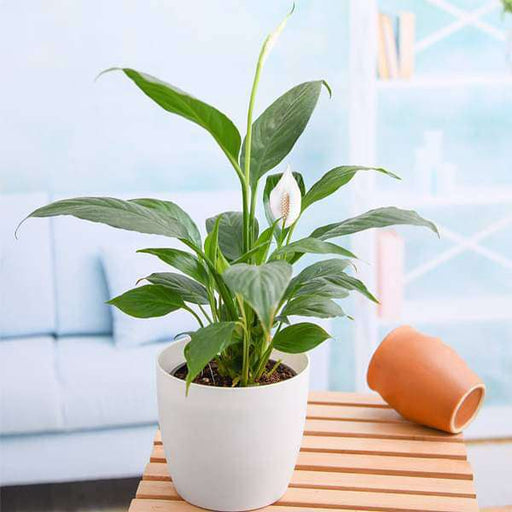
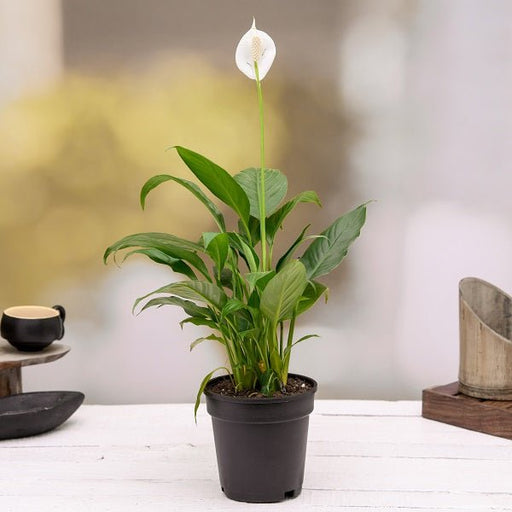
Peace Lily, Spathiphyllum - Plant The Peace Lily, scientifically known as Spathiphyllum, is a stunning houseplant celebrated for its elegant white...
View full details
Save 18%
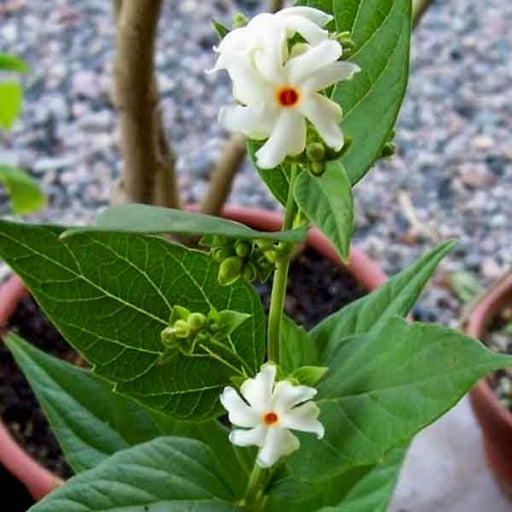
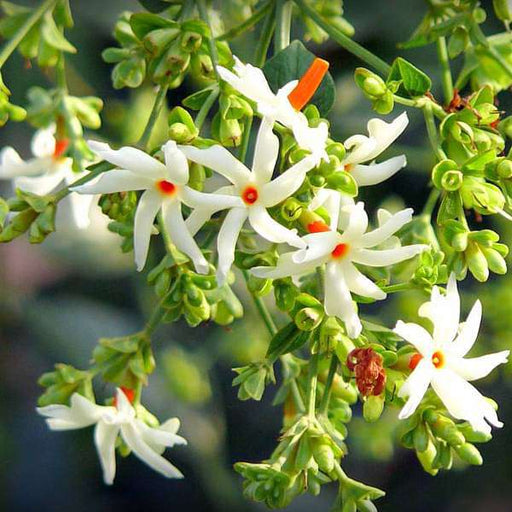
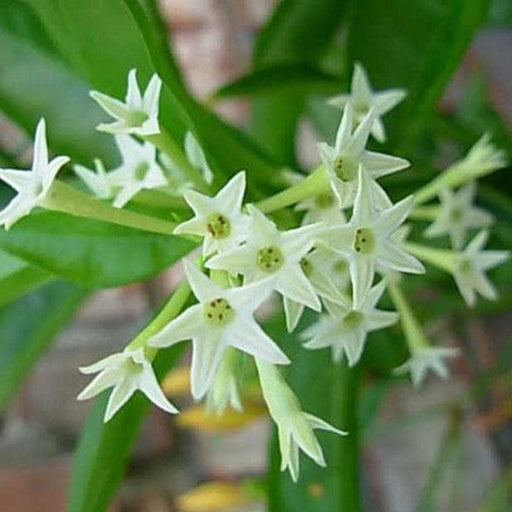
Combo Constituents Includes the Parijat Tree (Night-Flowering Jasmine), a culturally significant plant with fragrant flowers. Description The Pari...
View full details
Save 25%
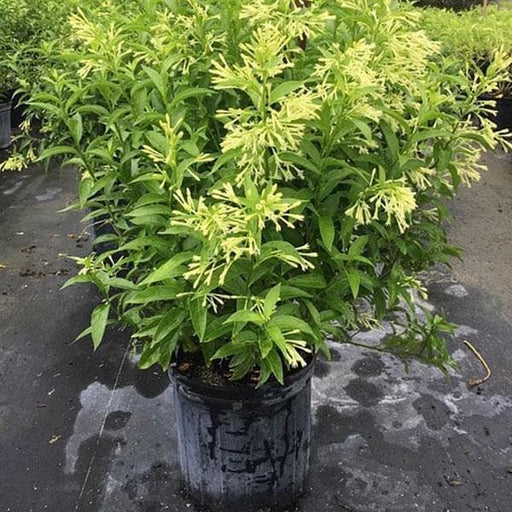
Description Raat Ki Rani (*Cestrum nocturnum*), also known as Night Blooming Jasmine, is a fragrant shrub native to the Caribbean and Central Ameri...
View full details
Save 25%
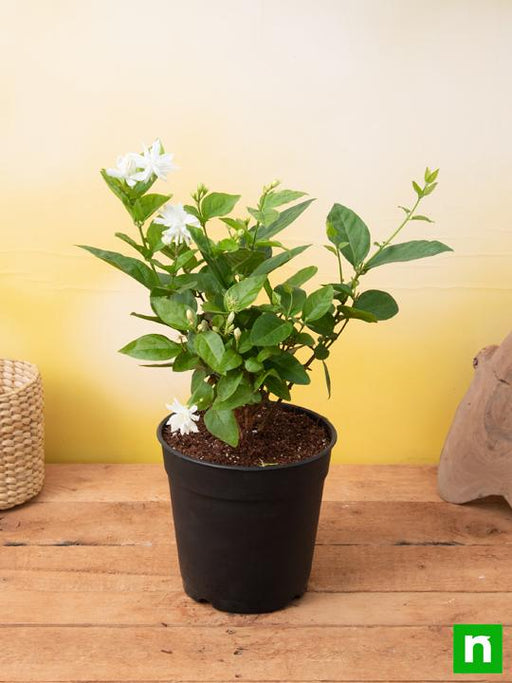
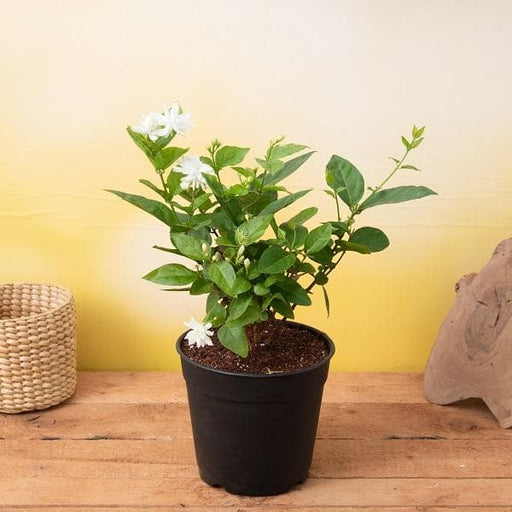
Jasminum sambac, Mogra, Arabian Jasmine - Plant Jasminum sambac, commonly known as Mogra or Arabian Jasmine, is a fragrant flowering plant...
View full details
Save 17%
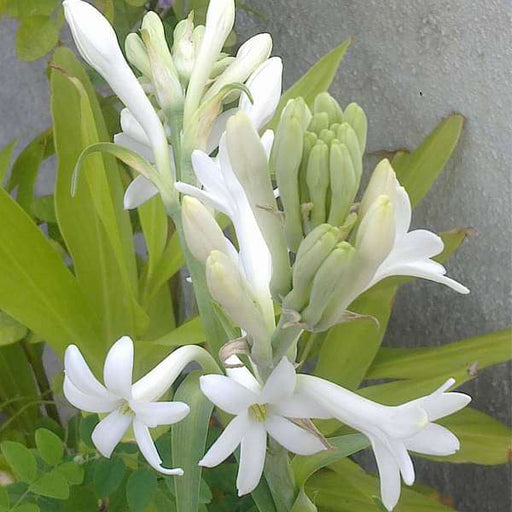
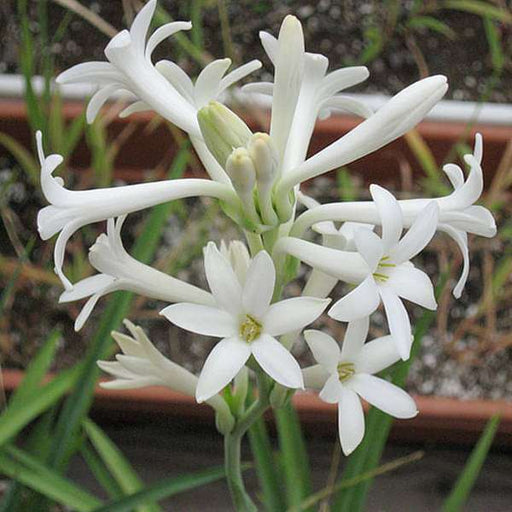
Rajnigandha, Tuberose - Plant The Rajnigandha, scientifically known as Polianthes tuberosa, is a captivating perennial plant renowned for ...
View full details
Sold out
Citronella, Odomas - Plant The Citronella plant, scientifically known as Cymbopogon nardus, is a tropical grass renowned for its aromatic ...
View full details
Save 25%
Damascus Rose, Scented Rose (Any Color) - Plant The Damascus Rose, also known as Rosa damascena, is a timeless symbol of beauty and romanc...
View full details
Save 35%
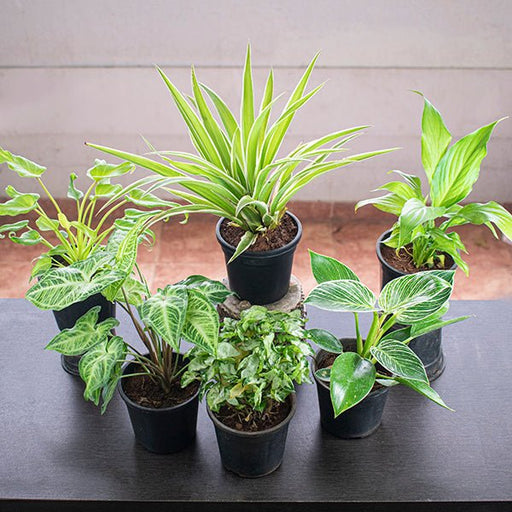
Best 6 Plants for Perfect Indoor Garden Transform your living space into a lush oasis with our curated collection of the Best 6 Plants for a...
View full details
Save up to 50%
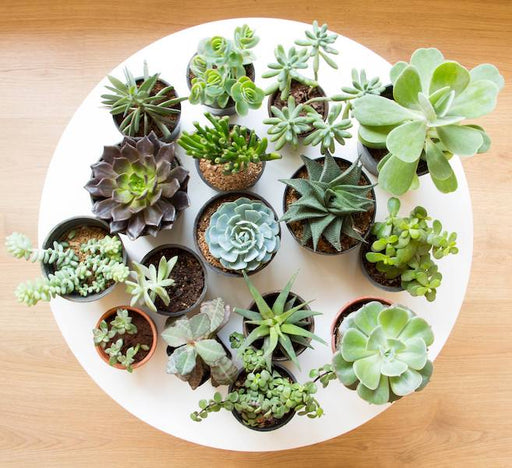
Mini Succulent Garden Pack Transform your space with our Mini Succulent Garden Pack, featuring a delightful collection of 4 any variety beautiful s...
View full details
Save 30%
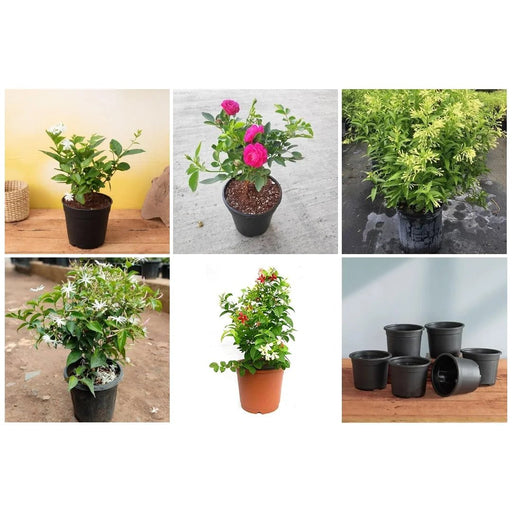
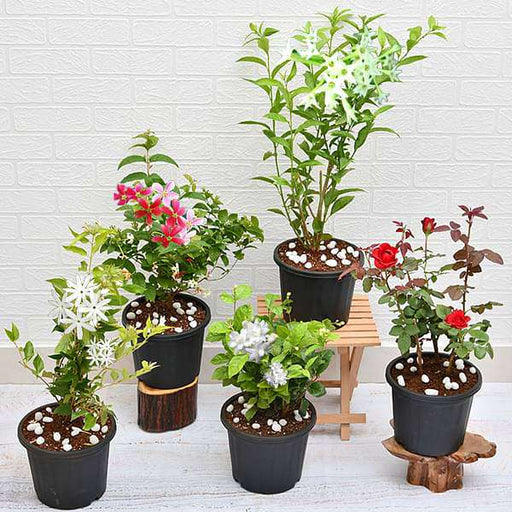
5 Best Fragrant Plants Transform your garden or indoor space into a fragrant paradise with our curated selection of the 5 Best Fragrant Plants. Th...
View full details
Save 24%
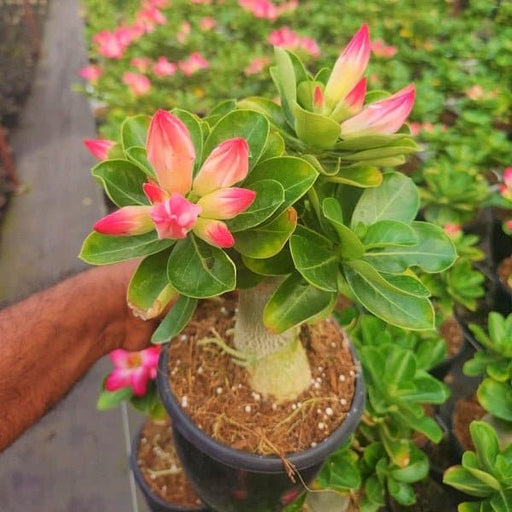
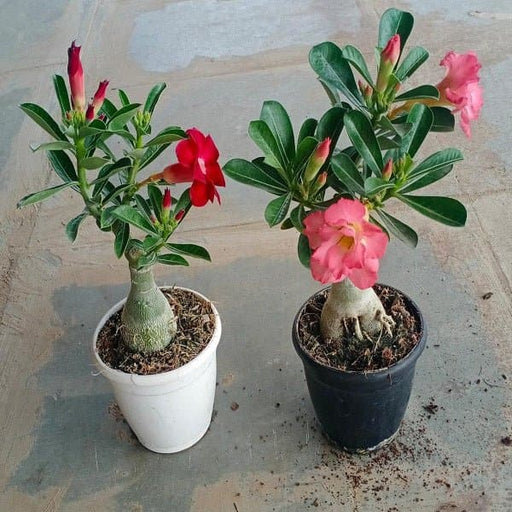
Set of 2 Bonsai Looking Grafted Adeniums Transform your indoor or outdoor space with our exquisite Set of 2 Bonsai Looking Grafted Adenium...
View full details
Save 45%
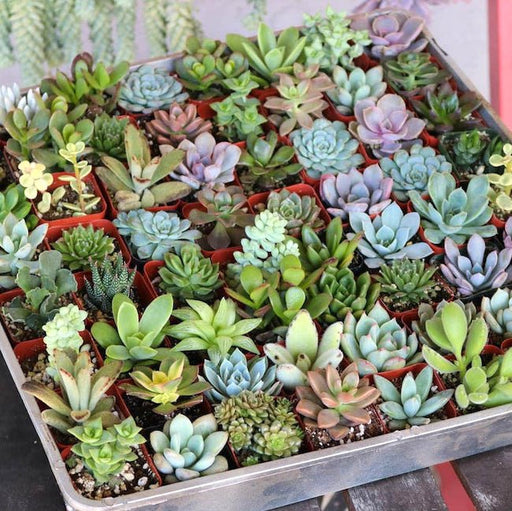
Top 4 Die Hard Succulents Pack Transform your indoor or outdoor space with our Top 4 Die Hard Succulents Pack, featuring a curated selecti...
View full details
Save 30%
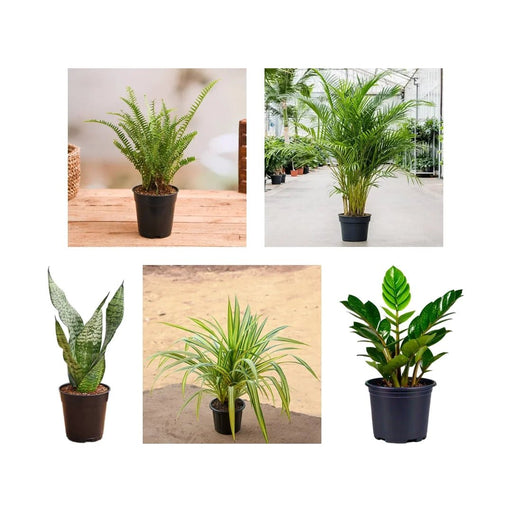
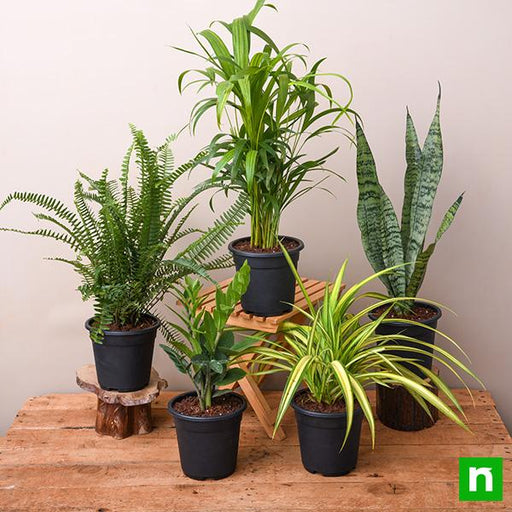
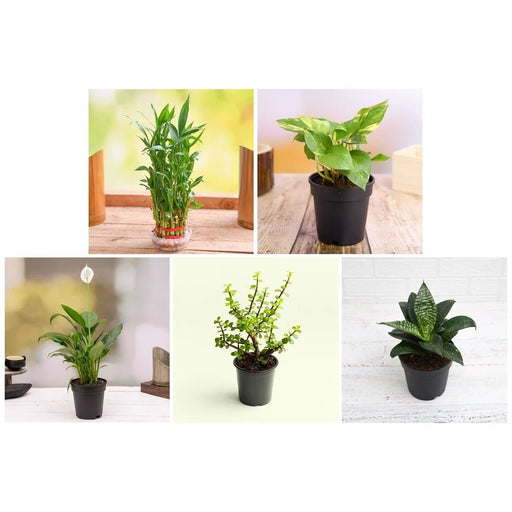
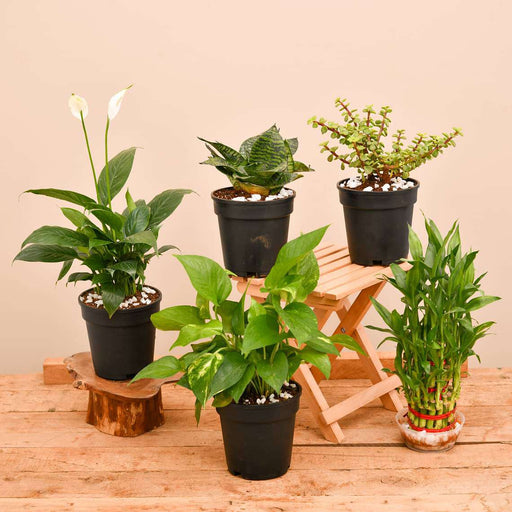
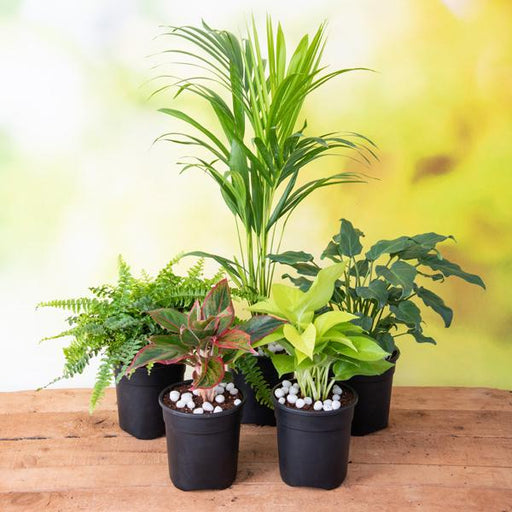
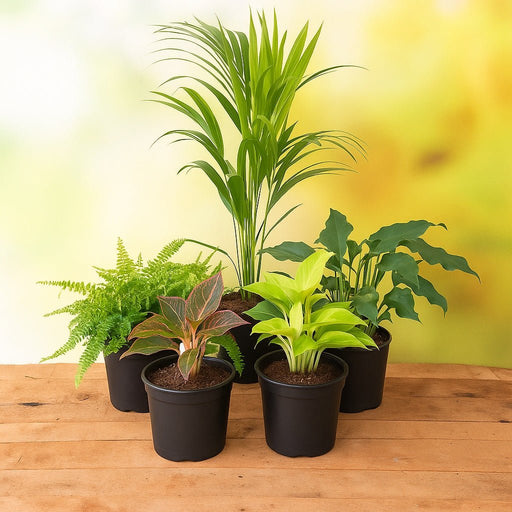
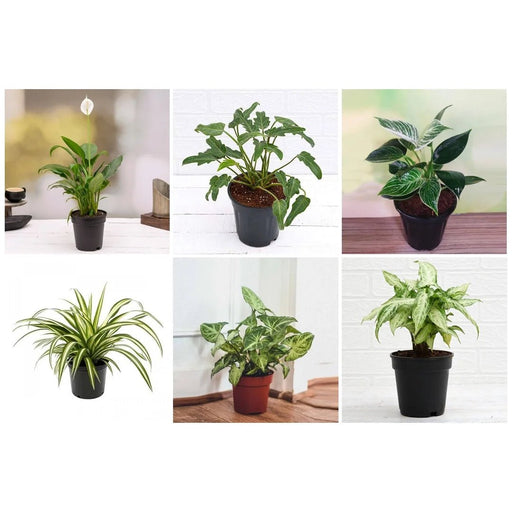
5 Best Indoor Plants Pack Transform your living space into a lush oasis with our '5 Best Indoor Plants Pack.' This carefully curated collection fe...
View full details
Save 25%
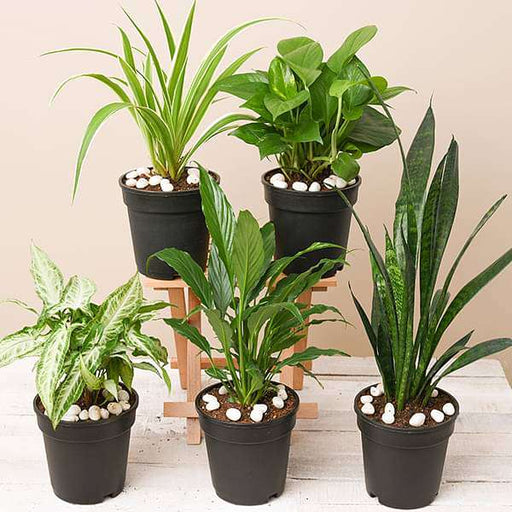
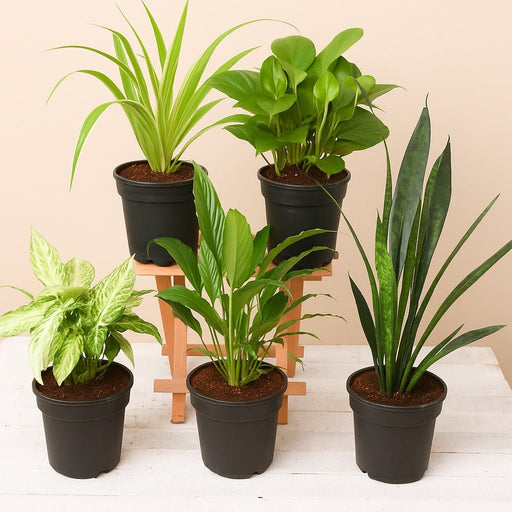
Set of 4 Evergreen Air Purifier Plant Pack Transform your indoor space into a lush, green oasis with our Set of 4 Evergreen Air Purifier Pla...
View full detailsDiscover the vibrant beauty of India's flora with our exclusive collection of Indian States Flowers and Trees. Each plant in this collection represents the unique biodiversity of its respective state, showcasing the rich cultural heritage and natural beauty of India. From the majestic Banyan tree of Maharashtra to the delicate state flower of Karnataka, this collection is a celebration of nature's artistry.
What makes this collection special is not just the aesthetic appeal but also the ecological significance of each plant. These flowers and trees play a crucial role in their ecosystems, providing habitat and food for various wildlife species. By cultivating these plants, you contribute to preserving India's natural heritage and promoting biodiversity.
Growing and caring for these plants is a rewarding experience. Each species comes with its own set of growing instructions and care requirements, ensuring that you can nurture them to thrive in your garden. Whether you're a seasoned gardener or a beginner, this collection offers something for everyone, allowing you to connect with nature in a meaningful way.
Scientifically, the plants in this collection are vital for maintaining ecological balance. They contribute to carbon sequestration, improve air quality, and support local wildlife. For instance, the Neem tree, known for its medicinal properties, is often referred to as the "village pharmacy" due to its extensive uses in traditional medicine.
Historically, many of these plants have been integral to Indian culture and traditions. The Peepal tree, revered in Hinduism and Buddhism, is often associated with spiritual significance. Additionally, the conservation of these native species is crucial for sustaining the environment, as they are adapted to local climates and soil conditions, making them resilient to pests and diseases.
By choosing to grow these Indian States Flowers and Trees, you are not only beautifying your space but also playing a part in preserving the rich biodiversity of India. Each plant tells a story of its region, contributing to a greater understanding of our planet's ecological heritage.
The lotus flower is the national flower of India and is revered for its spiritual significance and beauty. This flower can be found in various water bodies across the country.
Each state in India has a designated state tree that represents the unique flora of the region. For example, the Banyan tree is the state tree of Telangana, while the Jackfruit tree is the state tree of Kerala.
India is home to a vast variety of medicinal plants that have been used for centuries in Ayurvedic medicine. Some popular medicinal plants include neem, turmeric, and ashwagandha.
In addition to the national flower, each state in India also has its own designated state flower. For instance, the Rhododendron is the state flower of Uttarakhand, while the Blue Vanda is the state flower of Arunachal Pradesh.
India is also known for its timber industry, with many different types of trees being used for construction and furniture making. Teak, Sal, and Rosewood are some of the most commonly used trees for this purpose.
India is home to some of the most beautiful flower gardens in the world, such as the Mughal Gardens in Delhi and the Brindavan Gardens in Karnataka. These gardens showcase the diversity and beauty of India's floral heritage.
Like many other countries, India is facing a threat to its biodiversity, with many tree species being endangered or threatened. Some of the endangered trees in India include the Indian Sandalwood and the Indian Rosewood.
India is home to a variety of forests, ranging from tropical rainforests to alpine forests. These forests are home to diverse flora and fauna and play an important role in India's ecosystem.
As mentioned earlier, India has a rich tradition of using medicinal plants for various ailments. Many trees in India also have medicinal properties, such as the Neem tree, which is known for its antifungal and antibacterial properties.
India is also known for its diverse range of fruits, many of which come from trees such as Mango, Jackfruit, and Guava. These trees not only provide nourishment but are also an important part of Indian cuisine.
Flowers play an important role in Indian culture and religion, with many different flowers being used in various rituals and ceremonies. For instance, the Marigold flower is commonly used during festivals and auspicious occasions.
In addition to being used for construction and furniture making, many trees in India also have significant timber value. The Indian Teak tree, for example, is highly prized for its durability and strength.
India is home to many trees with beautiful and ornate flowers, such as the Gulmohar tree and the Flame of the Forest tree. These trees add color and vibrancy to India's landscape.
In addition to their leaves and fruits, many trees in India also have medicinal bark that is used for various purposes. For instance, the Indian Gooseberry tree has bark that is used for treating diarrhea and dysentery.
Fragrant flowers are highly prized in Indian culture, and many different flowers are grown for their sweet scent. The Jasmine flower,
for example, is known for its delicate fragrance and is often used in perfumes and essential oils.
Many trees in India have religious or mythological significance and are revered by Hindus, Buddhists, and other religions. The Peepal tree, for instance, is believed to be the abode of Lord Shiva and is considered sacred by many.
Ayurvedic medicine, a traditional system of medicine in India, uses many different herbs and plants for healing and wellness. Some trees commonly used in Ayurvedic medicine include the Indian Gooseberry, Ashoka tree, and Neem tree.
State trees in India not only represent the unique flora of the region but also have cultural significance. The Mango tree, for example, is the state tree of Maharashtra and is a symbol of prosperity and abundance.
India's forests and trees are home to a vast array of wildlife, including tigers, elephants, and monkeys. Protecting these trees and forests is essential for the survival of many species.
Flowers in India often have symbolic meaning and are associated with different deities or qualities. The Lotus flower, for instance, represents purity and enlightenment, while the Hibiscus flower is associated with the goddess Kali.
The national flower of India is the Lotus flower. It is an aquatic plant that symbolizes purity, enlightenment, and self-regeneration.
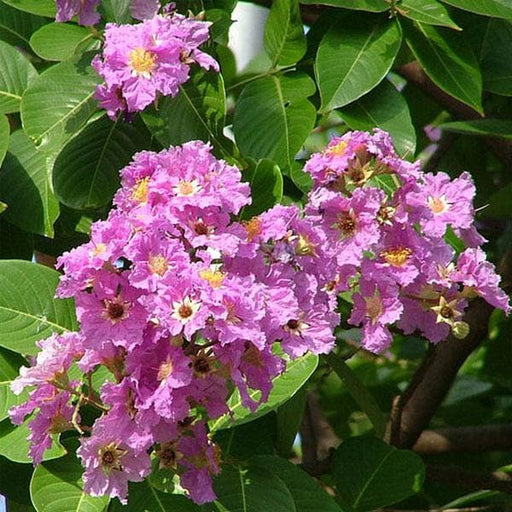
The state flower of Maharashtra is the Jarul or Queen's flower, scientifically known as Lagerstroemia speciosa. It is a beautiful flowering tree that produces showy clusters of pink, lilac, and purple flowers.
The Ashoka tree, also known as Saraca indica, is a sacred tree in Hinduism and Buddhism. It is believed to bring peace, harmony, and happiness and is often planted in temples and religious places.
The state tree of Tamil Nadu is the Palm tree, specifically the Palmyra Palm tree. It is a versatile tree that is used for food, medicine, and handicrafts.
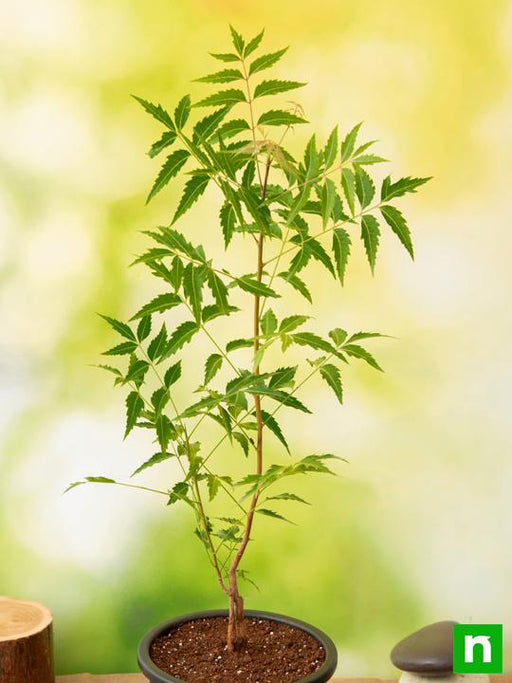
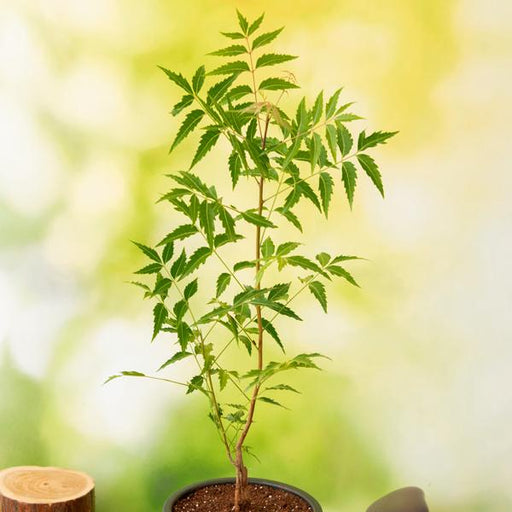
The Neem tree, also known as Azadirachta indica, is a highly valued tree in India for its medicinal properties. Its leaves, bark, and seeds are used in Ayurvedic medicine to treat a wide range of ailments.
The state flower of Andhra Pradesh is the Water Lily or Nelumbo nucifera. It is a floating aquatic plant that produces beautiful and fragrant flowers in shades of pink, white, and yellow.
The Peepal tree, also known as Ficus religiosa, is a sacred tree in Hinduism, Buddhism, and Jainism. It is believed to be the abode of Lord Shiva and is often planted near temples and religious places.
The state tree of Kerala is the Coconut tree, also known as Cocos nucifera. It is a versatile tree that is used for food, medicine, and handicrafts.
The Banyan tree, also known as Ficus benghalensis, is a revered tree in India for its cultural and religious significance. It is believed to be the tree under which Lord Buddha attained enlightenment.
The state flower of Karnataka is the Lotus flower. It is a symbol of purity and enlightenment and is often used in religious and cultural ceremonies.
The Hibiscus flower is a popular ornamental plant in India and is associated with the goddess Kali. Its flowers are used in traditional medicine to treat a wide range of ailments.
The state tree of Uttar Pradesh is the Ashoka tree. It is a sacred tree in Hinduism and Buddhism and is believed to bring peace, harmony, and happiness.
The Gulmohar tree, also known as Delonix regia, is a popular ornamental tree in India for its beautiful and showy flowers in shades of red, orange, and yellow.
The state flower of West Bengal is the Night-flowering Jasmine or Parijat flower. It is a fragrant and beautiful flower that blooms at night and is associated with the goddess Durga.
The Mango tree is a popular fruit tree in India and is often referred to as the king of fruits. It is also considered sacred in Hinduism and is associated with Lord Ganesha.
The state tree of Madhya Pradesh is the Banyan tree. It is a revered tree in India for its cultural and religious significance.
The Champak tree, also known as Michelia champaca, is a fragrant and beautiful flowering tree that is used in traditional medicine to treat a wide range of ailments.
The state flower of Punjab is the Palash or Flame of the Forest flower. It is a beautiful and showy flower that blooms in shades of red, orange, and yellow.
The Peacock is the national bird of India and is often associated with royalty, beauty, and elegance. Its feathers are used in traditional medicine and are believed to have medicinal properties.
The state tree of Gujarat is the Banyan tree. It is a revered tree in India for its cultural and religious significance.